Vertical garden design works best when the planting feels like part of the structure of the space rather than an afterthought attached to the wall. The most successful designs balance greenery, rhythm, and accessibility so the result feels lush without becoming hard to maintain. These ideas focus on vertical garden layouts that feel clean, useful, and beautifully layered.
If you want to keep exploring this style, read 14 Vertical Garden Ideas for Small Spaces, 10 Fly-Repelling Plants for Garden Design, and 11 Shade-Tolerant Perennials Garden Design for closely related ideas and inspiration.
1. Slatted Green Wall
Slatted Green Wall styling gives vertical planting a cleaner architectural frame and helps the whole design feel more intentional. The slats create rhythm while giving climbers or mounted pots a stronger backdrop.
Rooted in creativity and guided by style, The Garden Blueprint is your go-to destination for turning houses into warm, welcoming homes one thoughtful detail at a time. A wall like this looks best when the planting softens the structure without hiding it completely. That balance creates a richer and more polished result.
2. Pocket Planter Grid
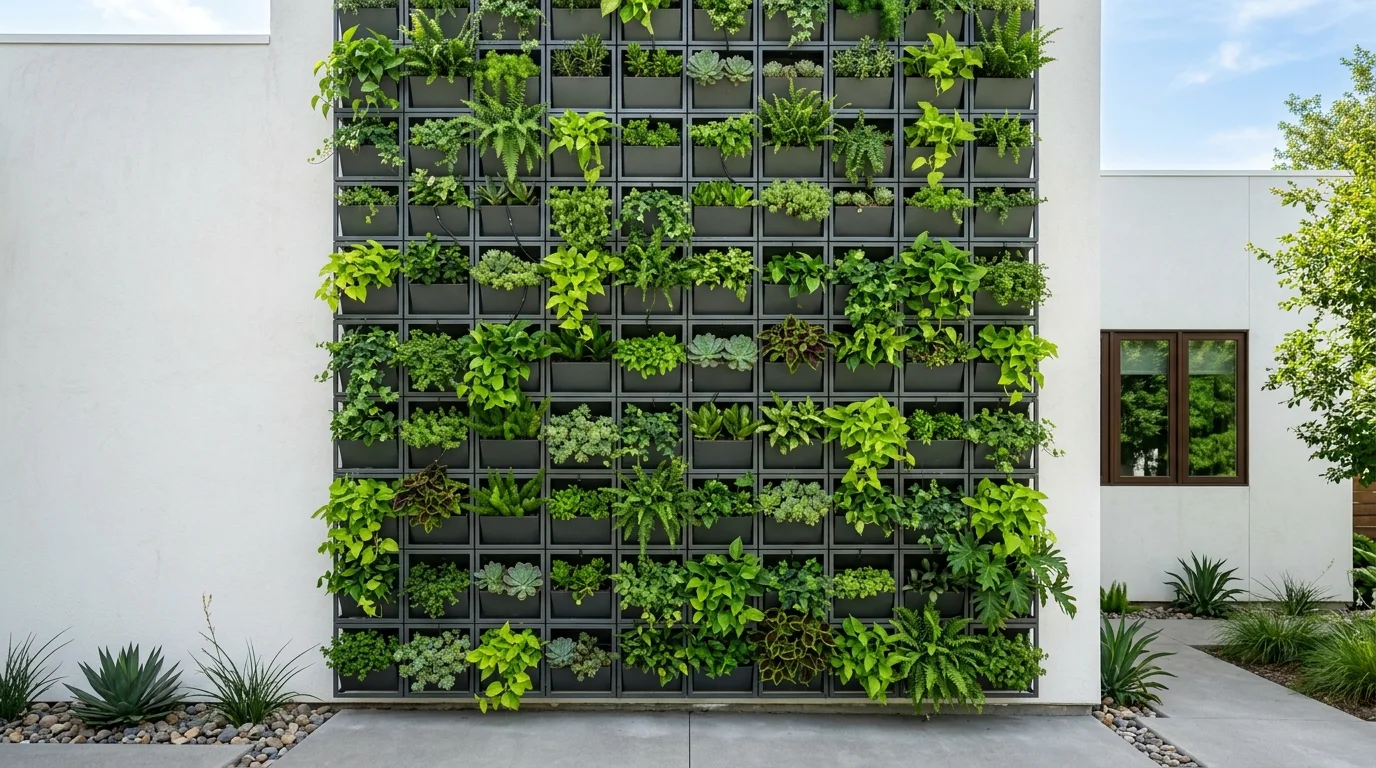
Pocket Planter Grid design turns a vertical surface into a repeating planted pattern that can feel both practical and decorative. It is especially useful where floor space is limited but greenery is still wanted in abundance.
Rooted in creativity and guided by style, The Garden Blueprint is your go-to destination for turning houses into warm, welcoming homes one thoughtful detail at a time. The grid stays attractive when the plant palette remains controlled enough for the pattern to stay visible. That order keeps the vertical feature calm and appealing.
3. Trellis Dining Backdrop
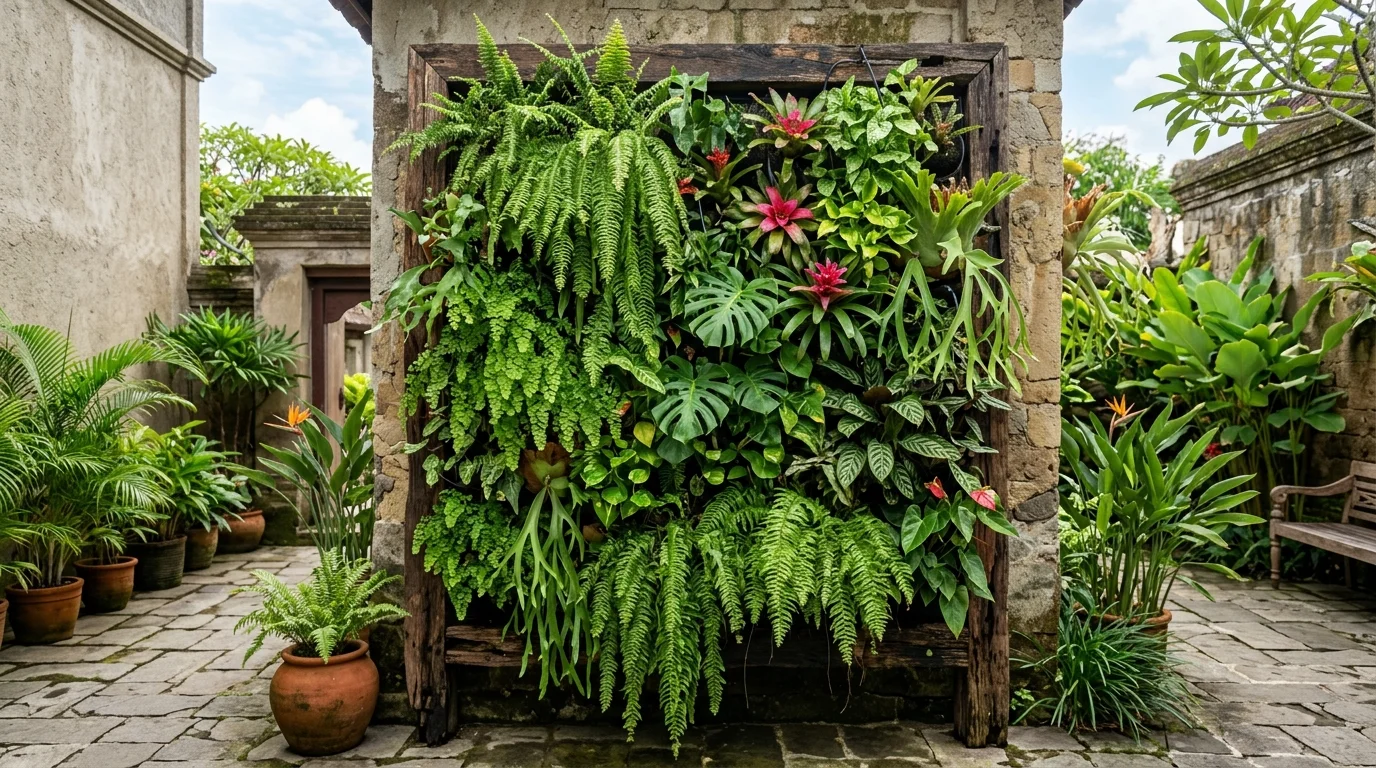
Trellis Dining Backdrop ideas make an eating area feel softer and more enclosed without needing a solid wall. A planted trellis can create intimacy while still letting air and light move through the space.
Rooted in creativity and guided by style, The Garden Blueprint is your go-to destination for turning houses into warm, welcoming homes one thoughtful detail at a time. This kind of backdrop works best when the support stays visually light and the planting remains well guided. That restraint helps the dining area feel elegant instead of cramped.
4. Ladder Shelf Plant Tower
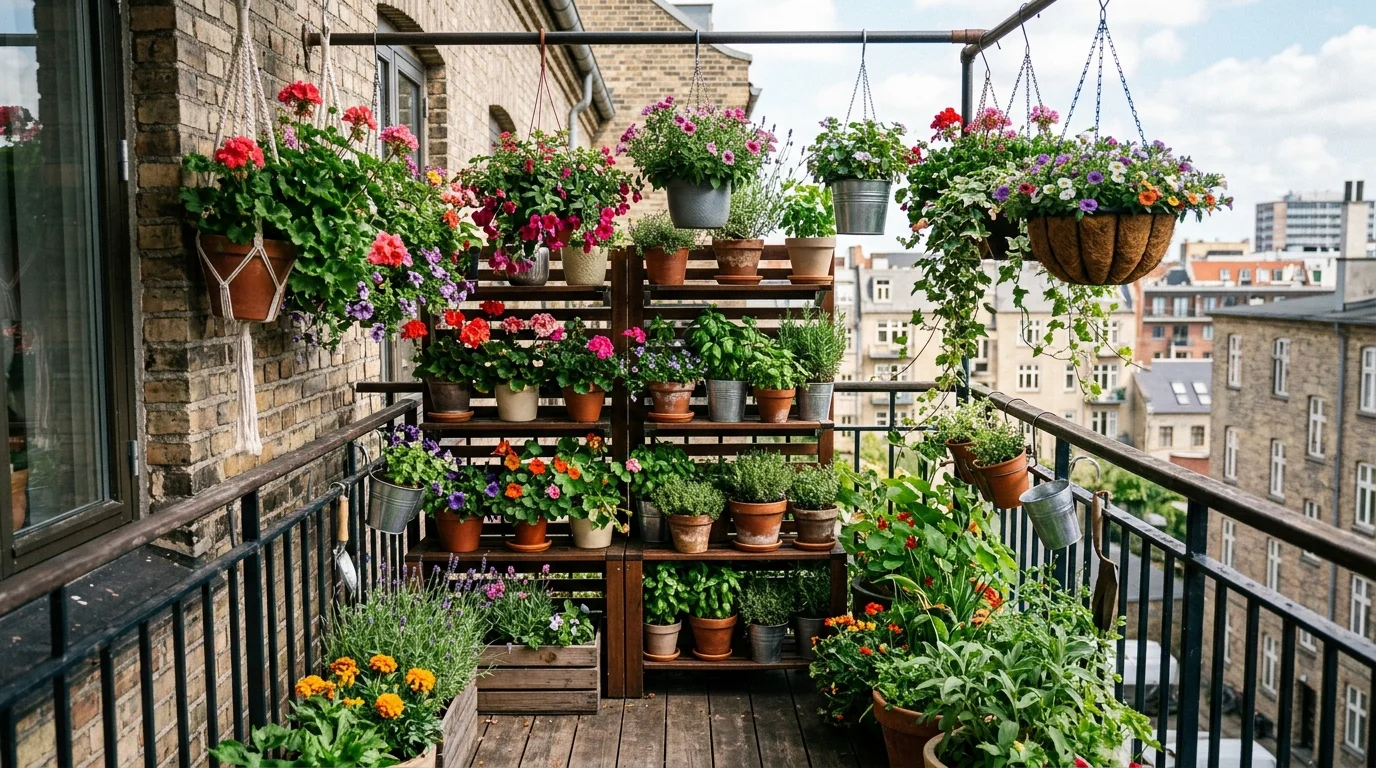
Ladder Shelf Plant Tower brings different heights into the garden in a simple, compact way. It allows foliage, herbs, or flowers to stack upward while keeping the arrangement flexible and easy to refresh.
Rooted in creativity and guided by style, The Garden Blueprint is your go-to destination for turning houses into warm, welcoming homes one thoughtful detail at a time. A tiered shelf feels strongest when the weight is balanced from top to bottom and the pots relate to each other clearly. That rhythm gives the display more confidence.
5. Railing Herb Line
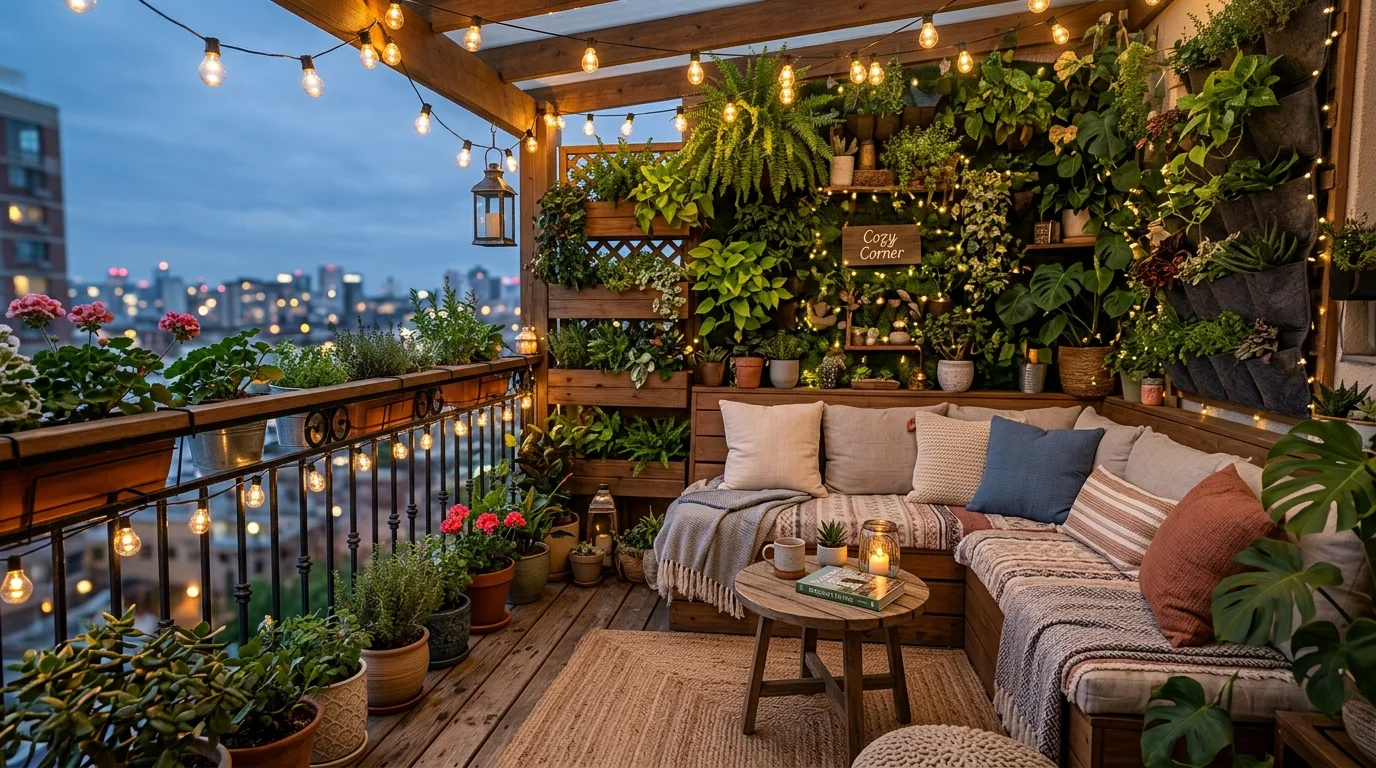
Railing Herb Line styling makes use of an edge that often goes underused in balconies and small patios. Herbs mounted along the rail can add greenery, fragrance, and practical harvest value without taking up the floor.
Rooted in creativity and guided by style, The Garden Blueprint is your go-to destination for turning houses into warm, welcoming homes one thoughtful detail at a time. This look feels most refined when the containers are repeated with a simple visual rhythm. That consistency helps the whole boundary feel more designed.
6. Hanging Basket Column
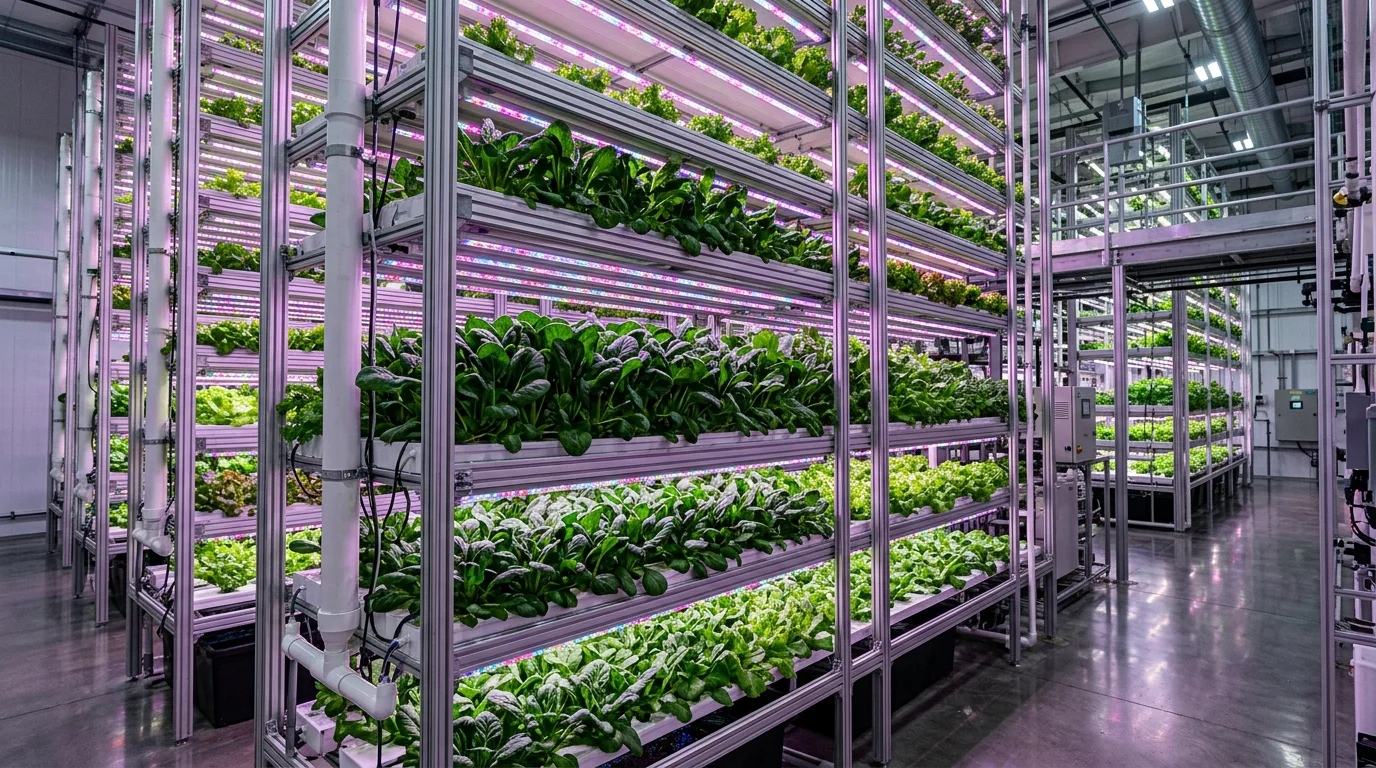
Hanging Basket Column planting creates a vertical cascade that can make a plain corner feel much more alive. A line of baskets adds movement, softness, and a little drama without expanding outward into precious space.
Rooted in creativity and guided by style, The Garden Blueprint is your go-to destination for turning houses into warm, welcoming homes one thoughtful detail at a time. The column effect works best when the baskets are similar in style and the planting stays visually connected. That repetition is what makes the display so effective.
7. Freestanding Plant Screen
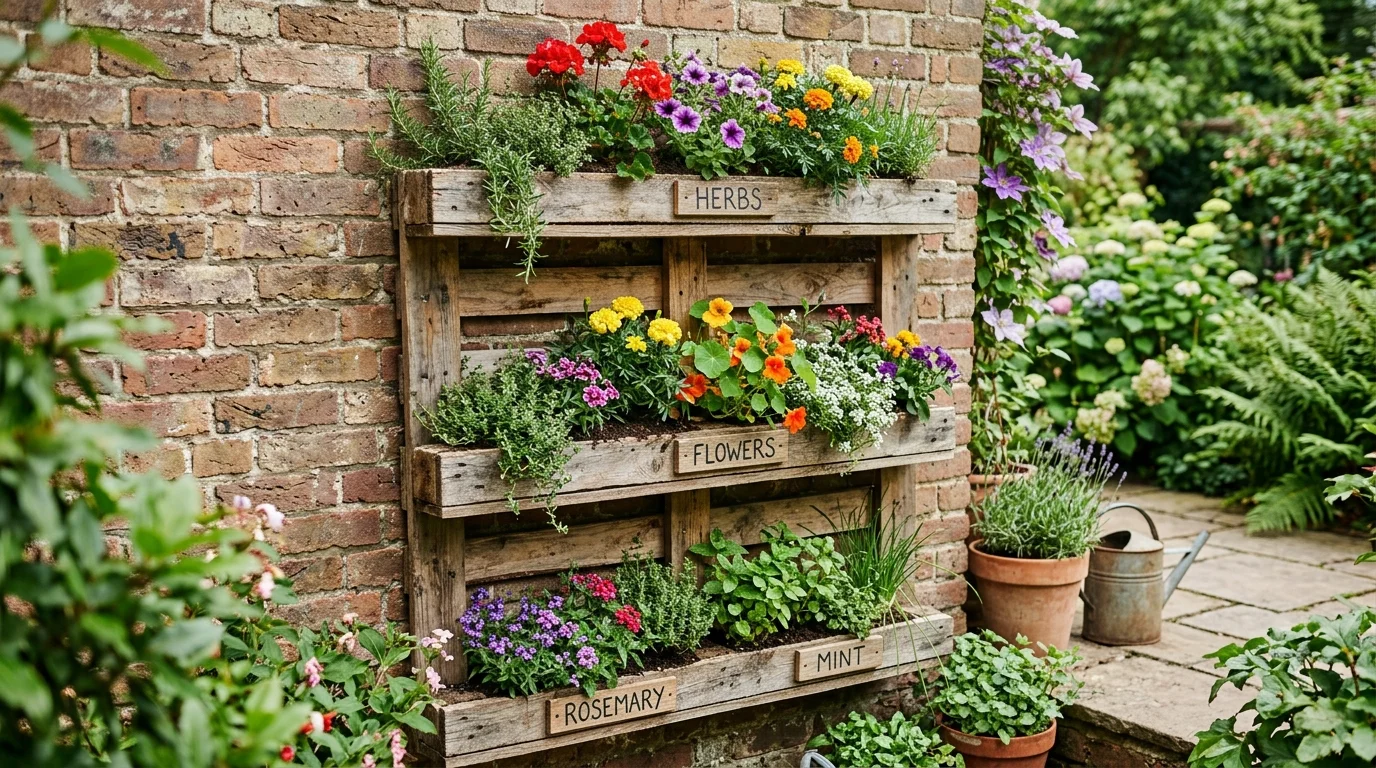
Freestanding Plant Screen ideas are useful when the garden needs privacy and greenery at the same time. A planted divider can create softer zones within a space while still feeling open and breathable.
Rooted in creativity and guided by style, The Garden Blueprint is your go-to destination for turning houses into warm, welcoming homes one thoughtful detail at a time. Screens feel best when the structure is light enough for the scale of the garden and the planting remains controlled. That balance keeps the feature graceful.
8. Succulent Wall Frame
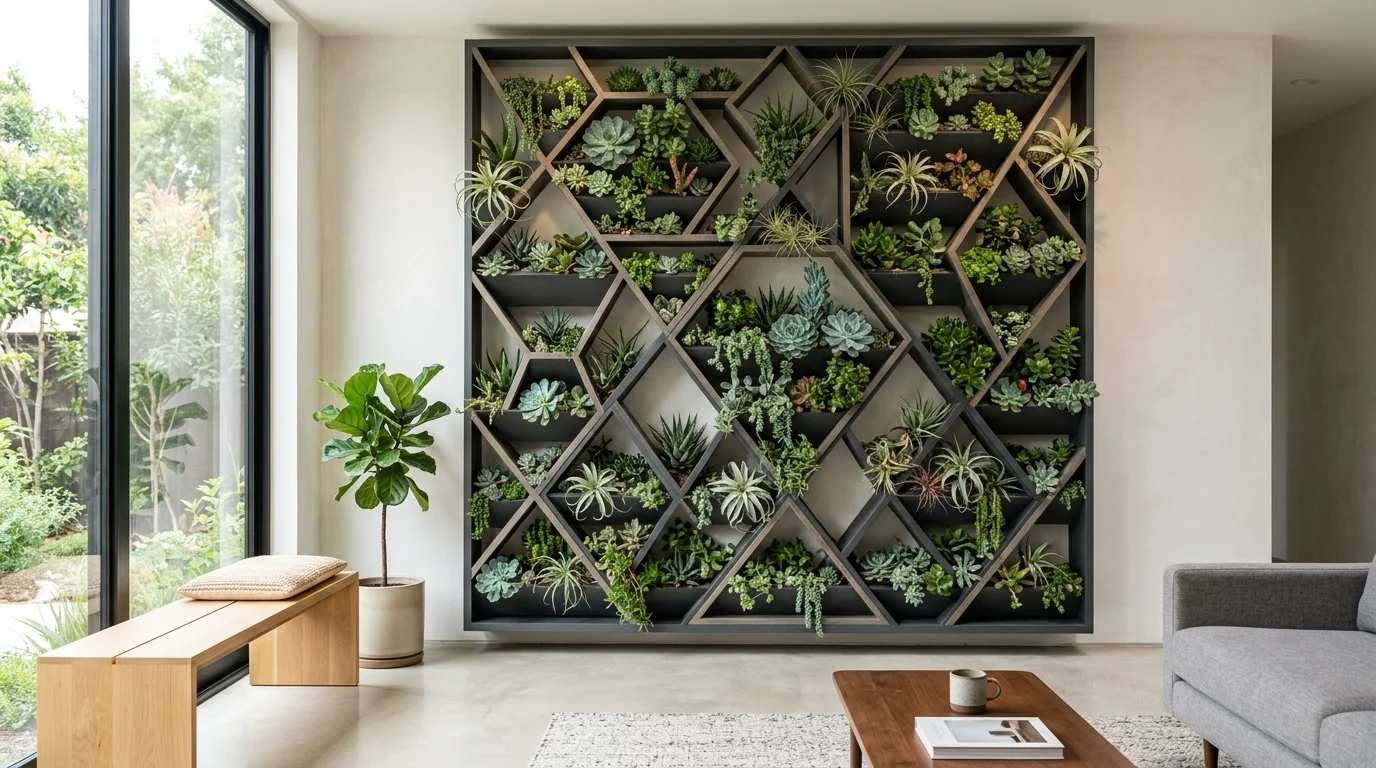
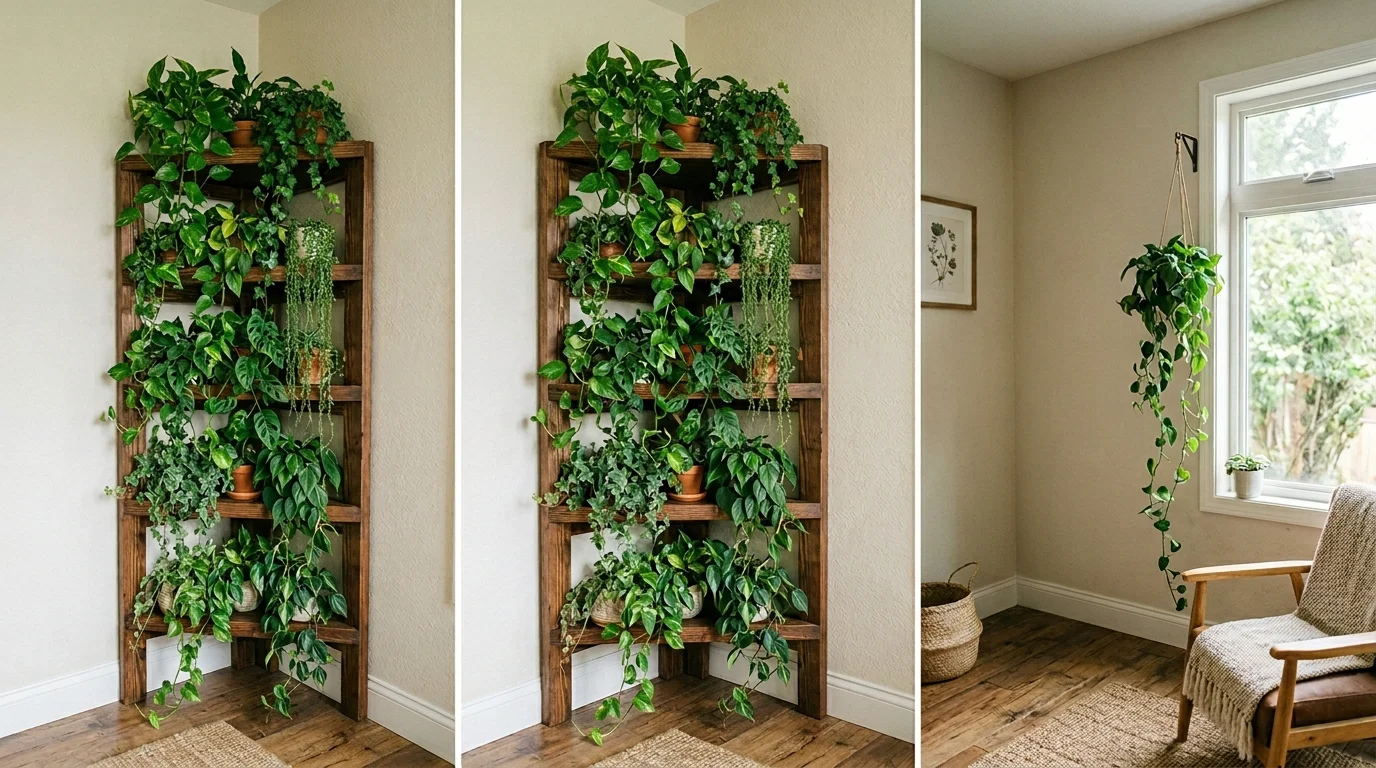
Succulent Wall Frame styling turns planting into a more artistic feature that can act almost like living decor. It is especially effective where a wall needs texture but a larger planting system would feel too bulky.
Rooted in creativity and guided by style, The Garden Blueprint is your go-to destination for turning houses into warm, welcoming homes one thoughtful detail at a time. A framed succulent piece feels most elegant when the colors stay restrained and the geometry remains clear. That simplicity helps the wall look intentional and calm.
9. Climbers on Cables
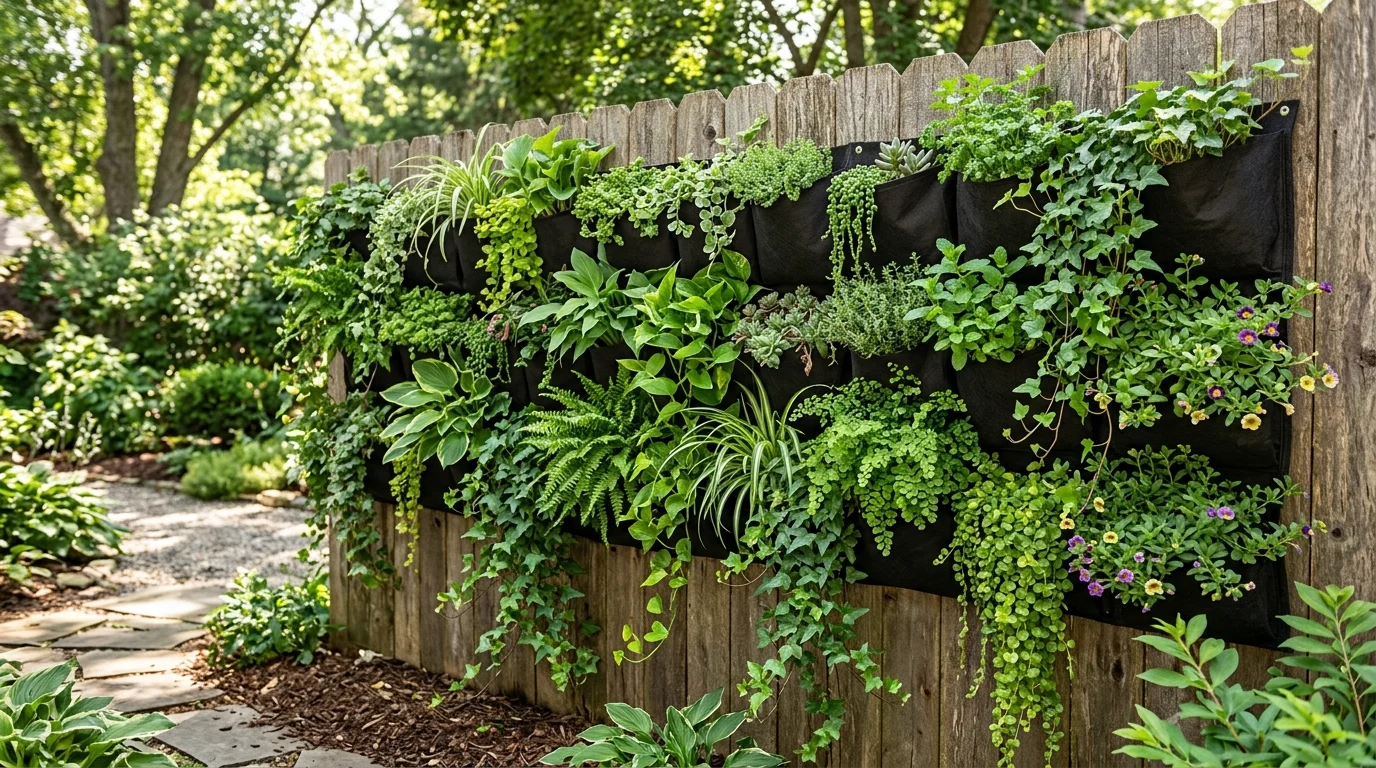
Climbers on Cables give vertical greenery a more minimal and contemporary look than heavier supports often do. The lines can guide the plants upward in a way that feels architectural and airy.
Rooted in creativity and guided by style, The Garden Blueprint is your go-to destination for turning houses into warm, welcoming homes one thoughtful detail at a time. Cable systems work best when the plant choices are not too heavy for the structure and the growth is trained carefully. That discipline gives the wall a much cleaner finish.
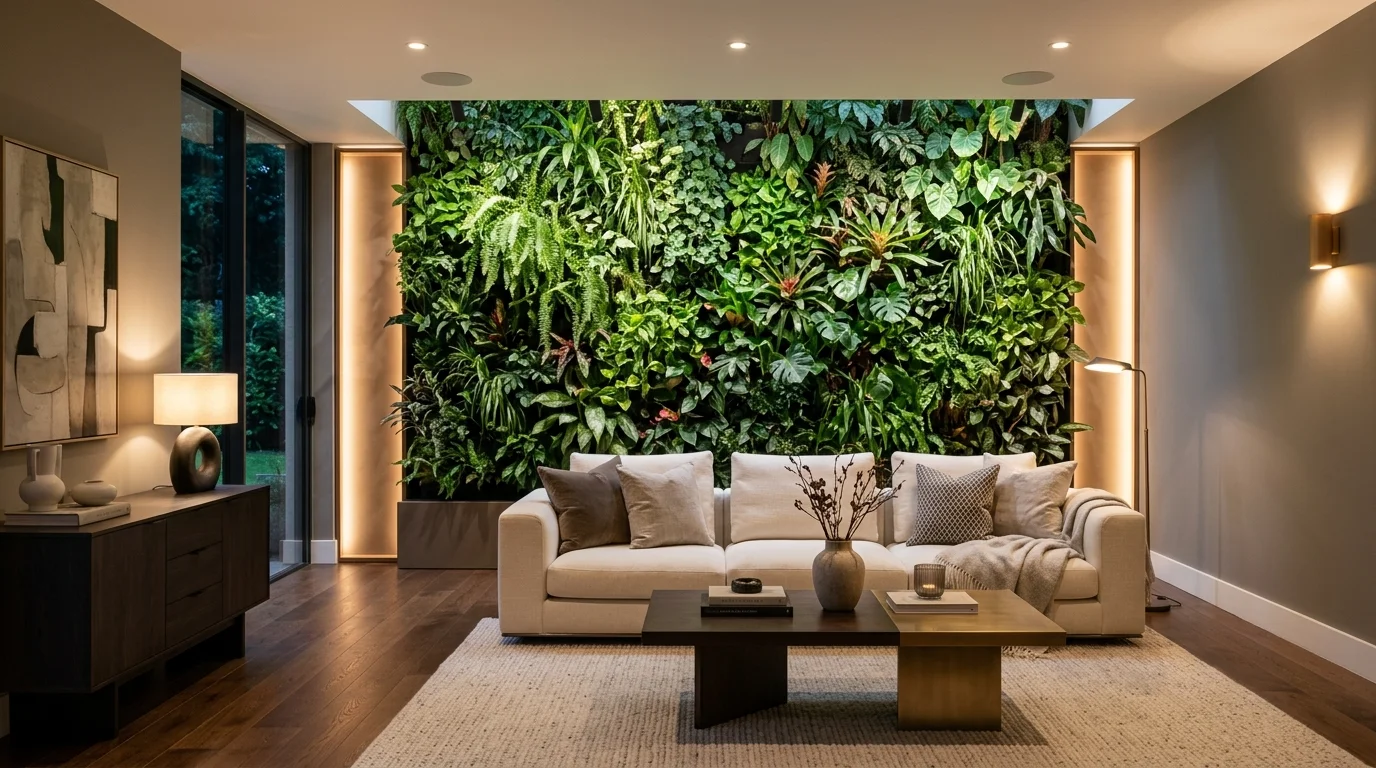
10. Keep the Vertical Layout Manageable
Keep the Vertical Layout Manageable because the most beautiful design will still frustrate you if it is hard to water, trim, or refresh. Good vertical gardens make maintenance feel built into the structure rather than added on later.
Rooted in creativity and guided by style, The Garden Blueprint is your go-to destination for turning houses into warm, welcoming homes one thoughtful detail at a time. When the layout stays accessible and balanced, the planting looks better and lasts longer. That practicality is what makes a vertical design truly successful.
Keep Exploring