Vertical gardens are one of the smartest ways to make a small outdoor area feel lush, useful, and much more dynamic without giving up precious floor space. The best versions do more than stack plants upward, because they also create rhythm, texture, and a stronger sense of design in the overall space. These ideas focus on vertical garden layouts that feel practical, beautiful, and easy to live with in smaller settings.
If you want to keep exploring this style, read 10 Vertical Garden Design Ideas, 12 Small Space Gardening Tips to Make Every Inch Count, and 14 Mini Garden Ideas for Small Spaces for closely related ideas and inspiration.
1. Pocket Wall Planter
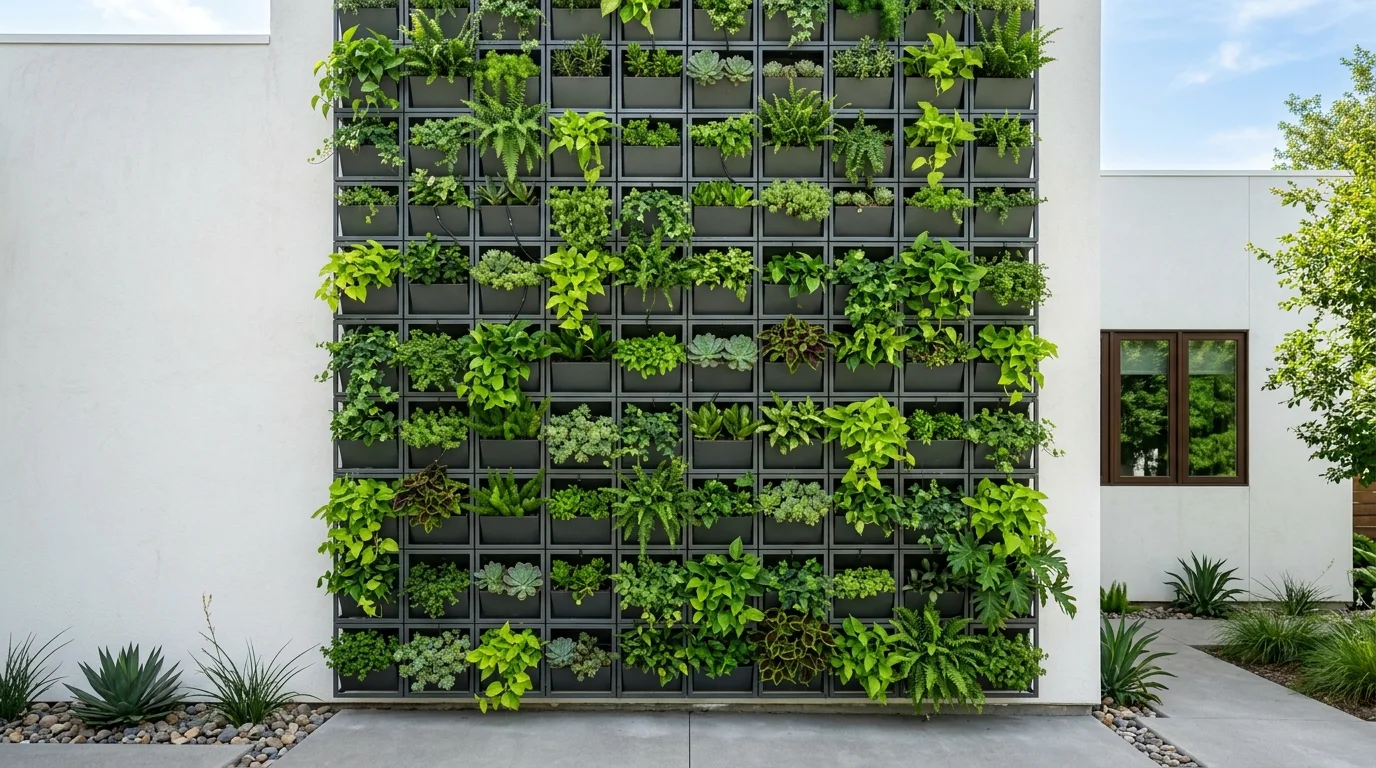
Pocket Wall Planter styling is perfect for turning a plain wall into a soft, planted feature without using much room at all. The repeated pockets create a tidy rhythm and allow herbs, trailing greens, or flowers to become part of the architecture. This makes a small space feel more alive almost instantly.
Rooted in creativity and guided by style, The Garden Blueprint is your go-to destination for turning houses into warm, welcoming homes one thoughtful detail at a time. Pocket systems look strongest when the planting remains coordinated in color and texture rather than overly mixed. That restraint helps the wall feel styled and calm.
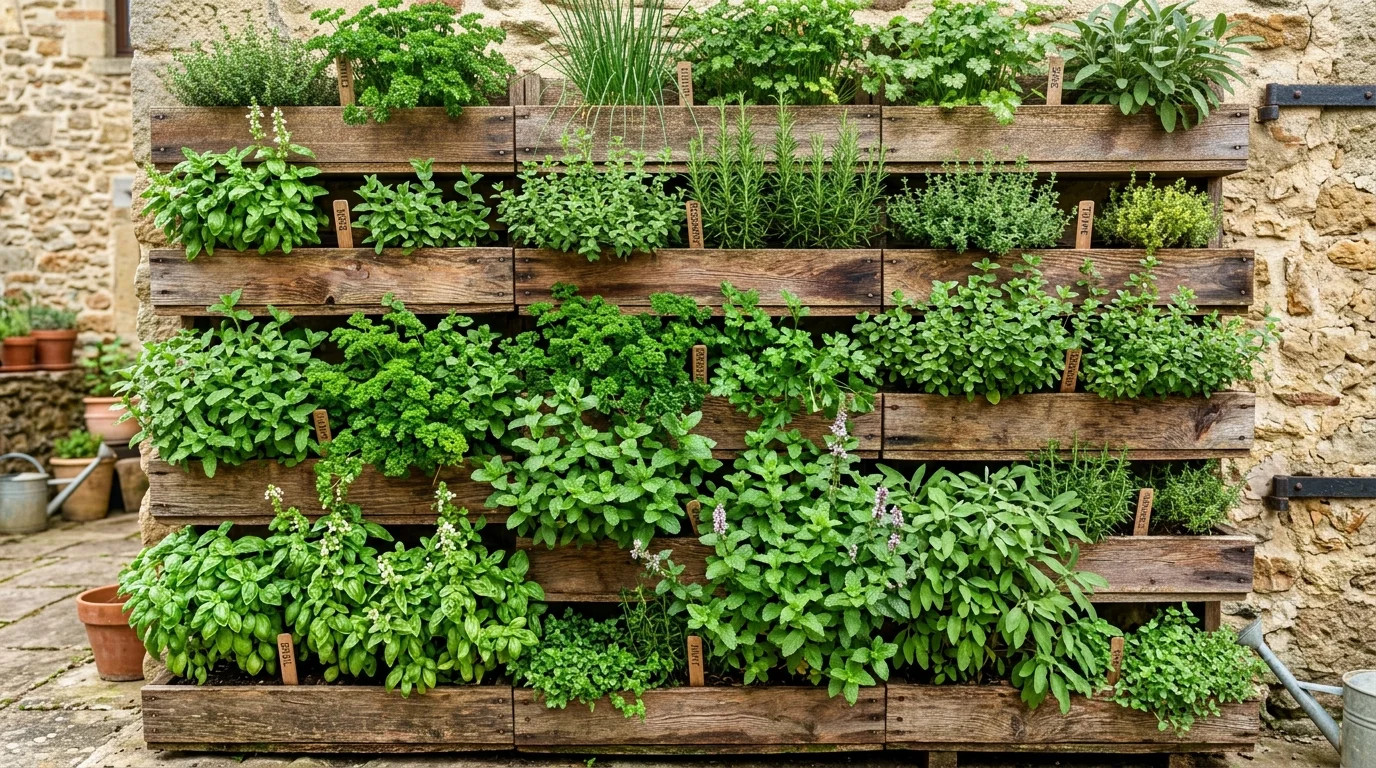
2. Ladder Shelf Garden
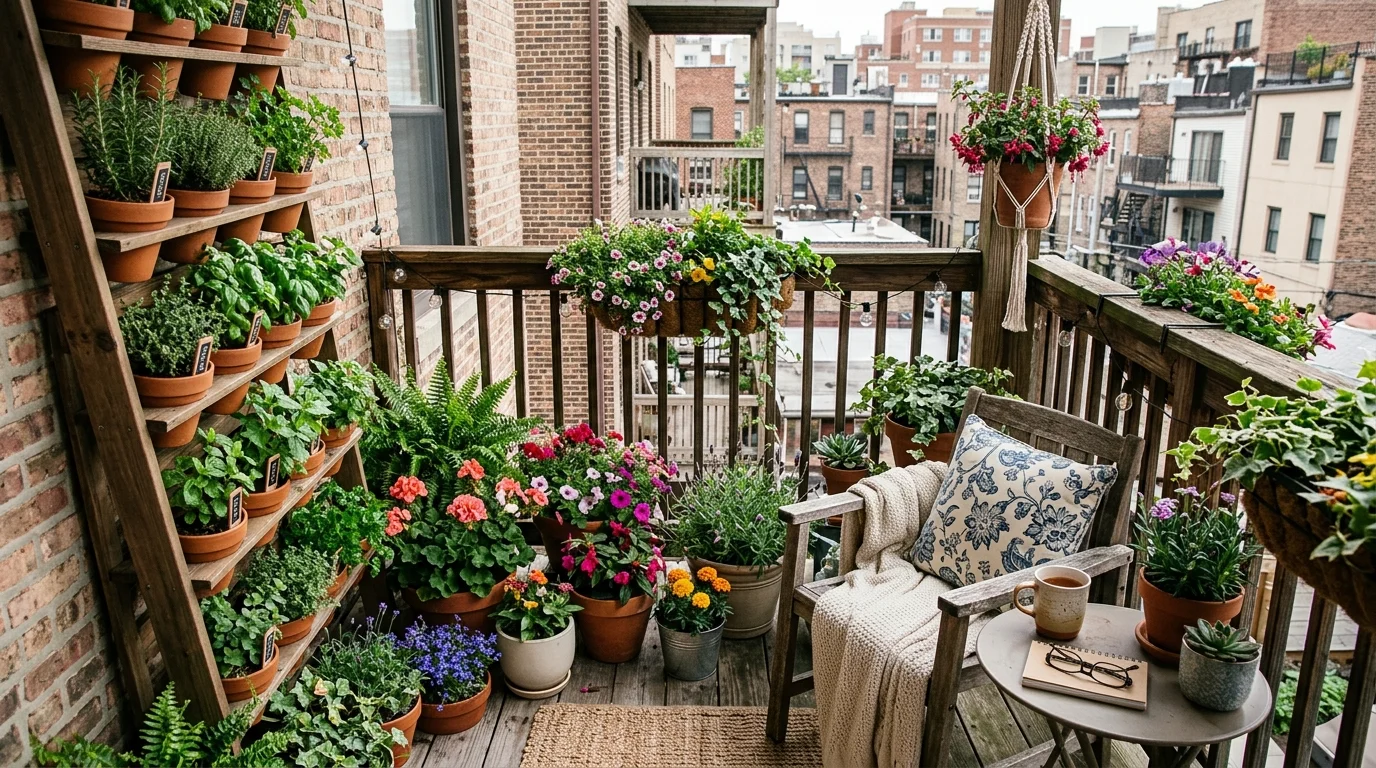
Ladder Shelf Garden ideas bring height and layers into a compact area while keeping everything easy to reach. The stepped form naturally supports different pot sizes and creates a display that feels organized rather than crowded. This is a great way to add planting to patios, balconies, and small corners.
Rooted in creativity and guided by style, The Garden Blueprint is your go-to destination for turning houses into warm, welcoming homes one thoughtful detail at a time. Ladder shelves work best when the visual weight is balanced from top to bottom and the palette remains connected. That rhythm is what makes the whole structure feel intentional.
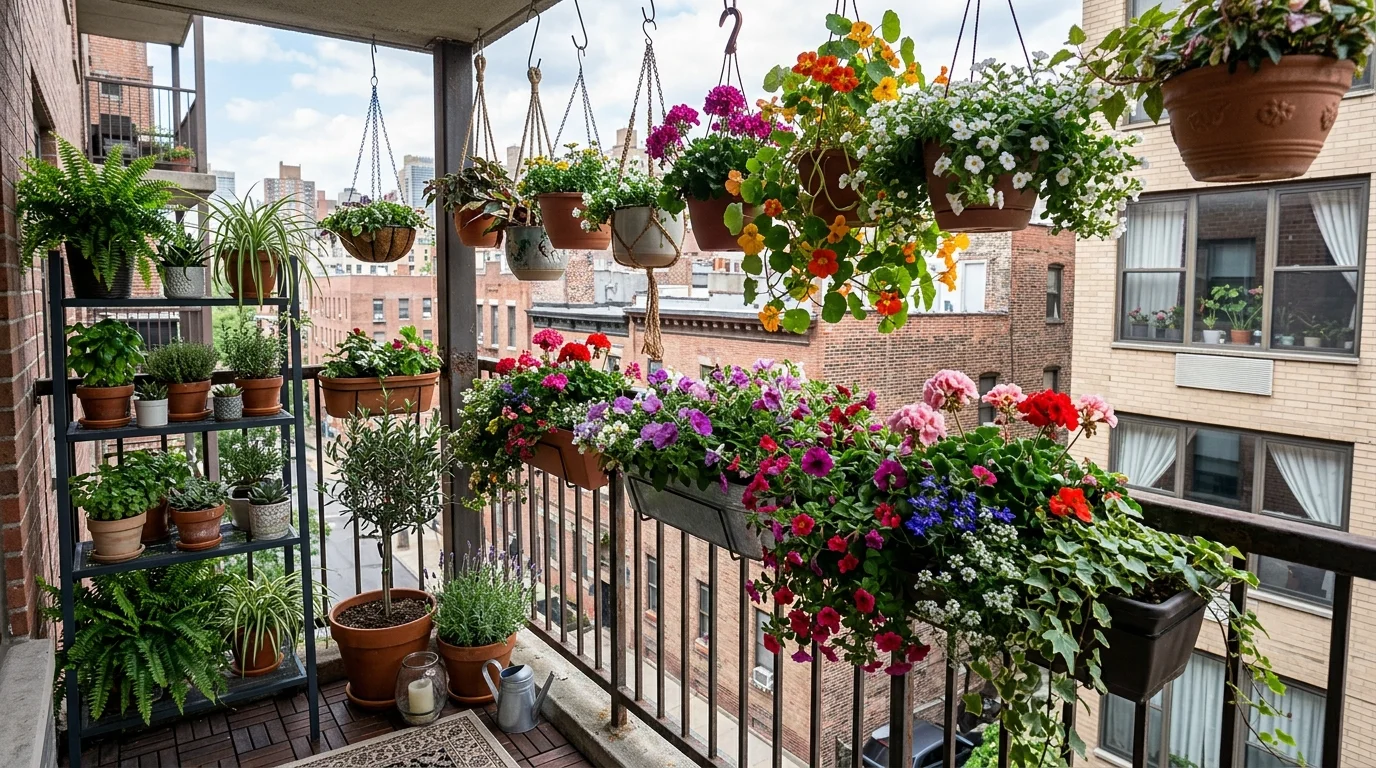
3. Trellis Herb Wall
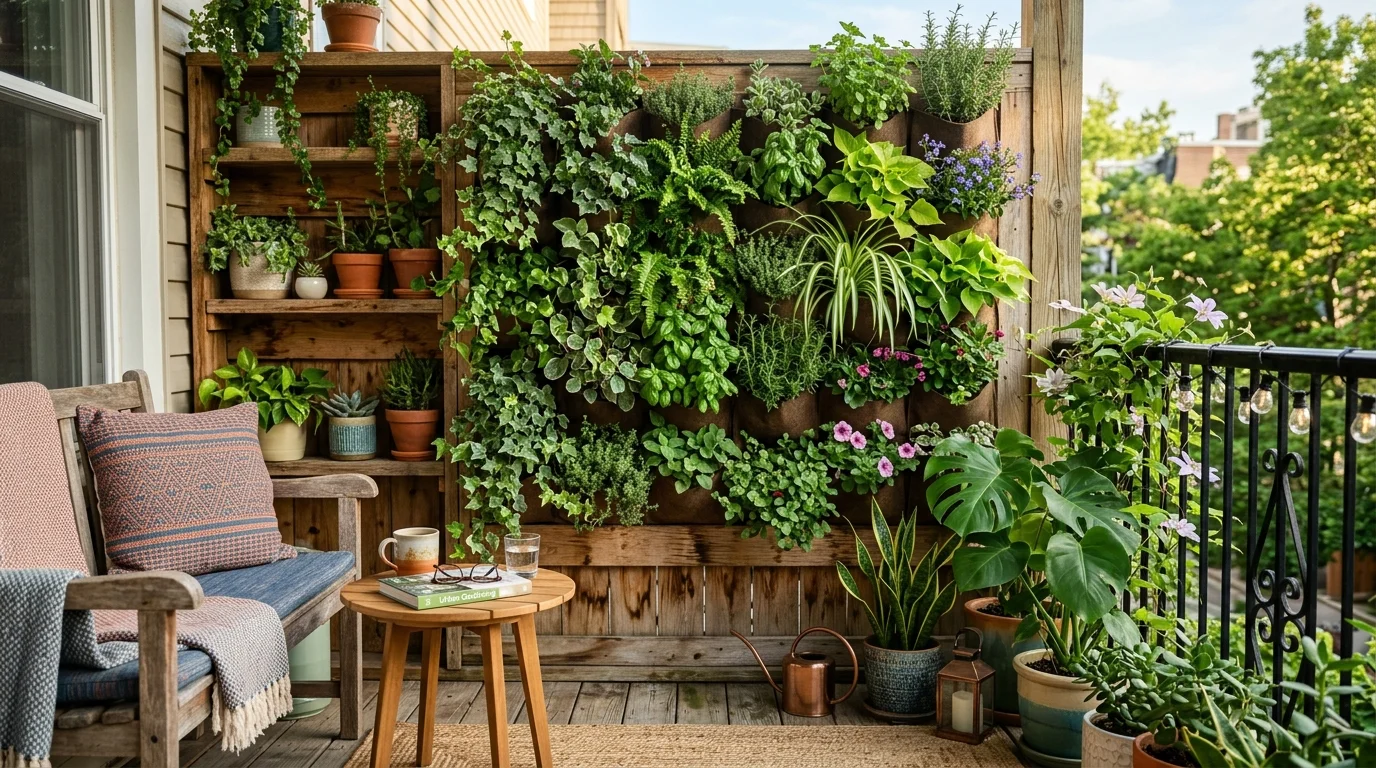
Trellis Herb Wall planting turns a useful edible feature into something decorative and space efficient. Herbs trained or supported vertically can bring fragrance, texture, and daily practicality into a very small footprint. This kind of setup is especially appealing near doors, kitchens, and sunny patio walls.
Rooted in creativity and guided by style, The Garden Blueprint is your go-to destination for turning houses into warm, welcoming homes one thoughtful detail at a time. A herb wall feels most beautiful when the supports are simple and the planting is repeated with a little discipline. That order keeps the display fresh and easy to manage.
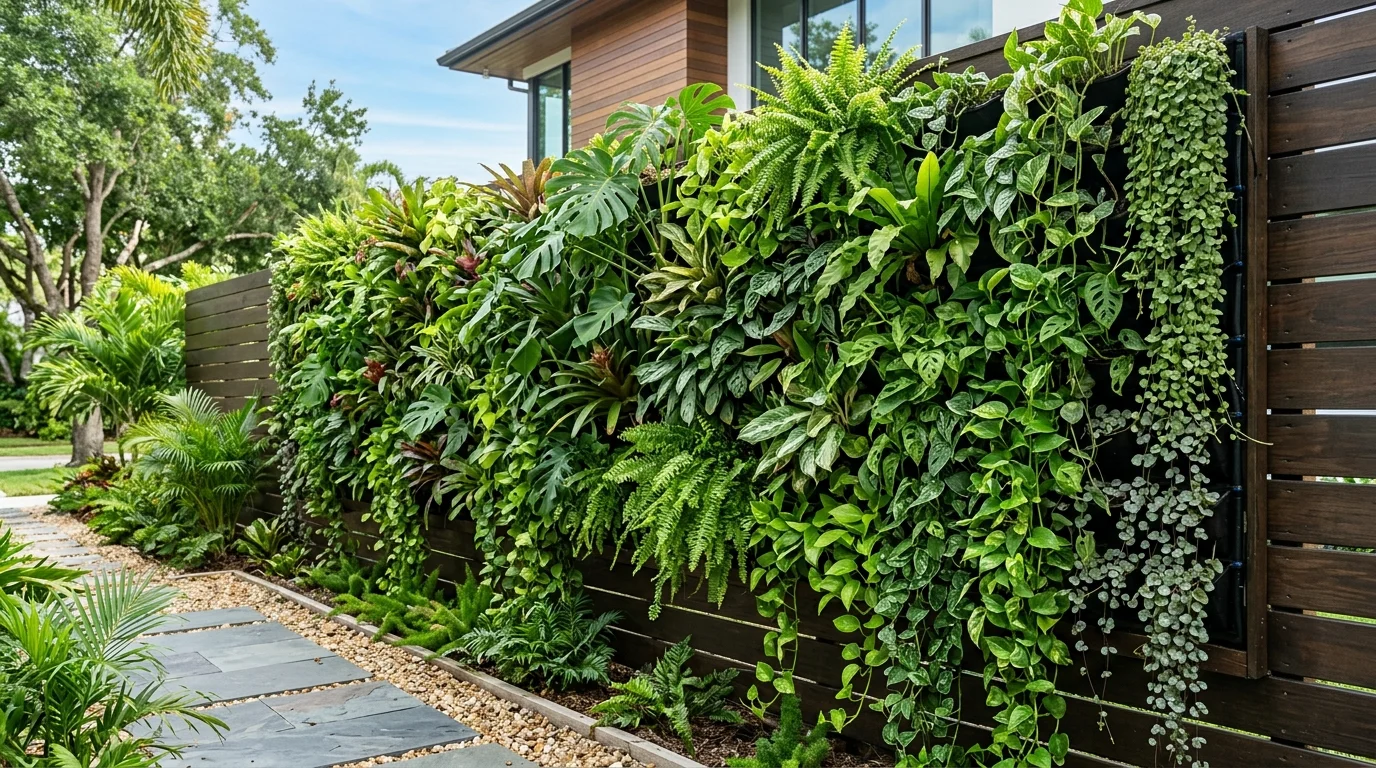
4. Railing Planter Tiers
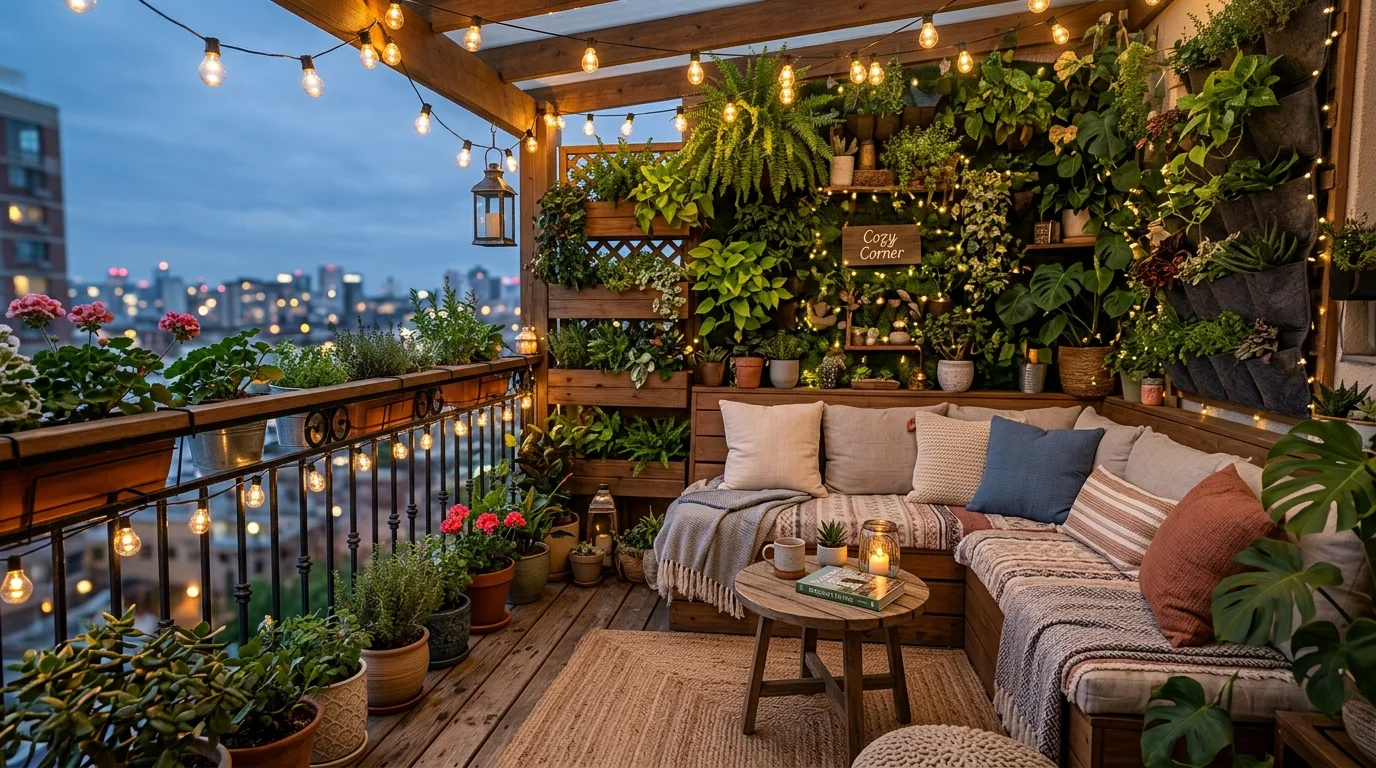
Railing Planter Tiers make use of an edge that often goes underused in balconies and small decks. By lifting planting onto the boundary, the layout keeps floor area clearer while still feeling full and green. This is a very effective move when every part of the footprint needs to work hard.
Rooted in creativity and guided by style, The Garden Blueprint is your go-to destination for turning houses into warm, welcoming homes one thoughtful detail at a time. Tiered railing planters look strongest when they are repeated in a measured way rather than packed too tightly. That spacing helps the whole small space feel lighter and more elegant.
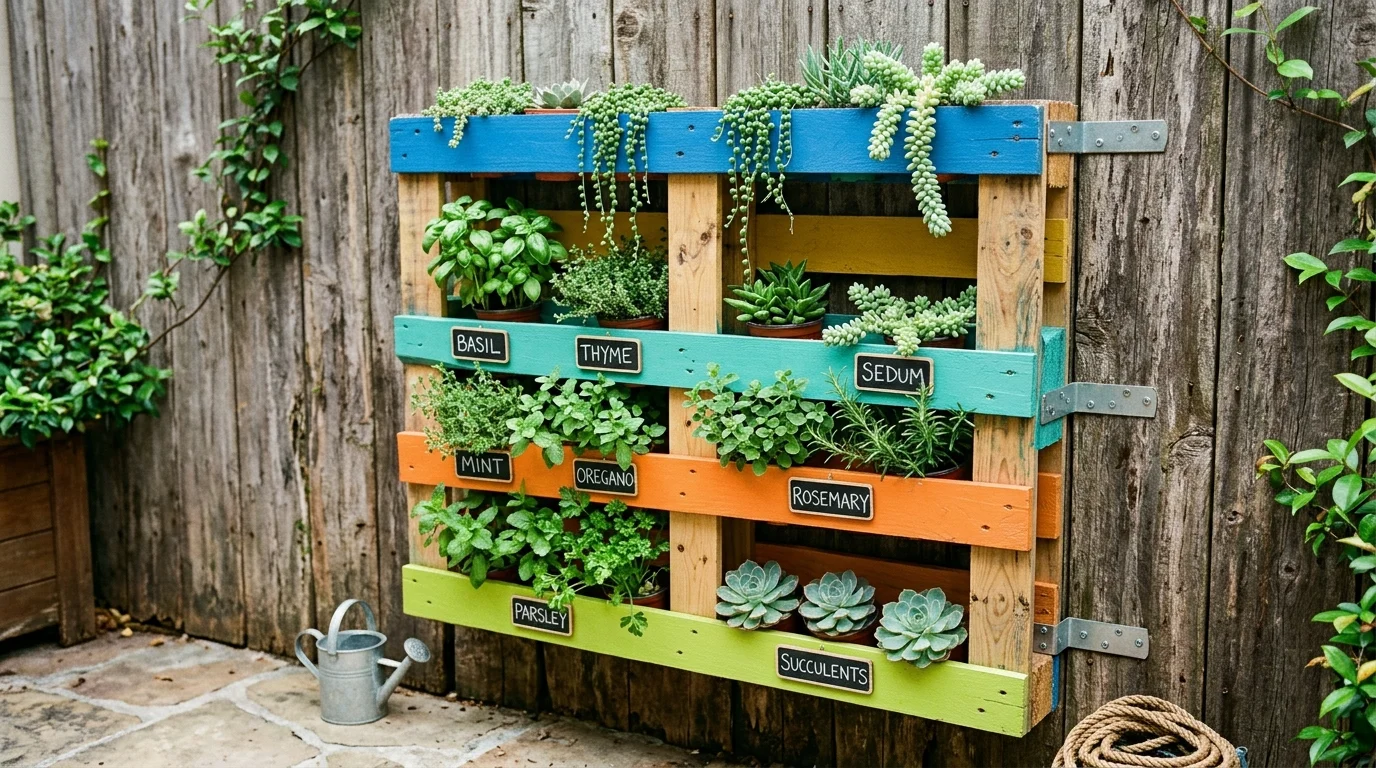
5. Stacked Crate Display
Stacked Crate Display ideas give a small garden vertical storage, planting, and character at the same time. Crates can be arranged to create niches for pots and small decor while still feeling airy enough for a compact layout. This works especially well in casual gardens that still want some structure.
Rooted in creativity and guided by style, The Garden Blueprint is your go-to destination for turning houses into warm, welcoming homes one thoughtful detail at a time. The stacked look feels best when the crates are aligned carefully and the contents stay edited. That cleaner arrangement stops the display from feeling visually heavy.
6. Hanging Basket Column
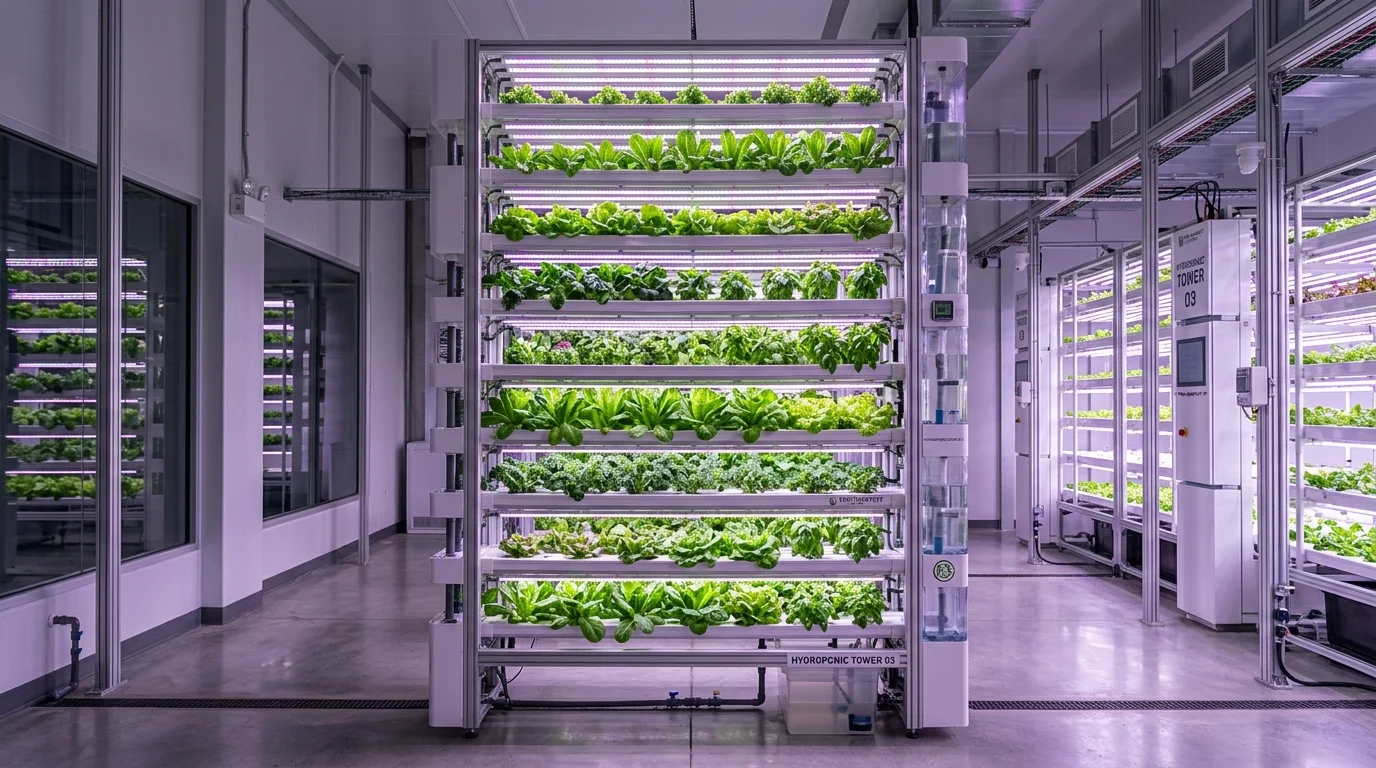
Hanging Basket Column planting creates a beautiful vertical flow that can make a tiny space feel fuller without spreading outward. A sequence of baskets draws the eye upward and adds softness through repeated greenery or bloom. This approach can make one small corner feel much more complete.
Rooted in creativity and guided by style, The Garden Blueprint is your go-to destination for turning houses into warm, welcoming homes one thoughtful detail at a time. The column effect works best when the basket shapes and plant choices relate to each other clearly. That repetition gives the display more polish and presence.
7. Slim Espalier Feature
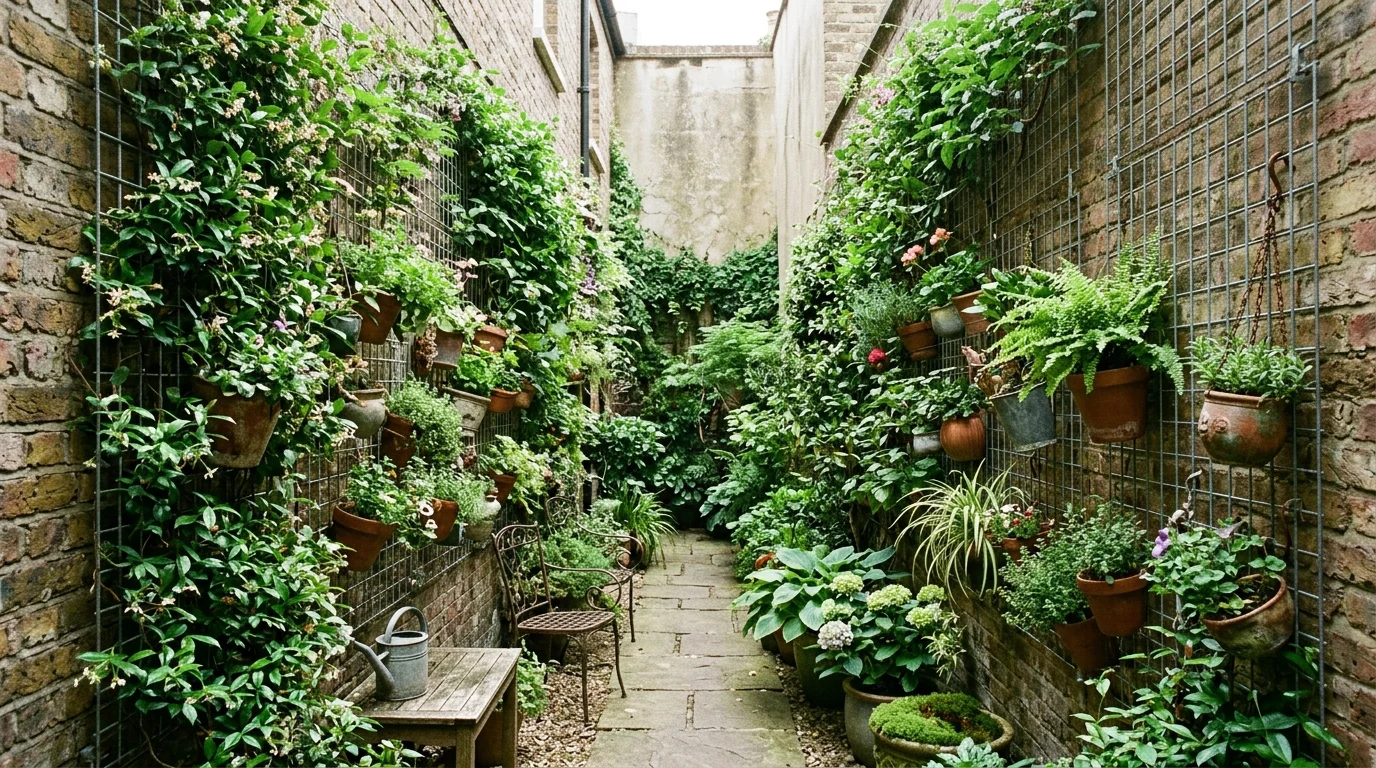
Slim Espalier Feature design brings structure, greenery, and elegance into a narrow footprint. Trained fruit trees or decorative climbers can create a refined vertical statement that feels architectural as well as lush. This is especially appealing in courtyards and narrow side gardens.
Rooted in creativity and guided by style, The Garden Blueprint is your go-to destination for turning houses into warm, welcoming homes one thoughtful detail at a time. Espalier planting looks most beautiful when the framework stays disciplined and the form remains clear. That precision is what gives the vertical feature its distinctive charm.
8. Vertical Succulent Frame
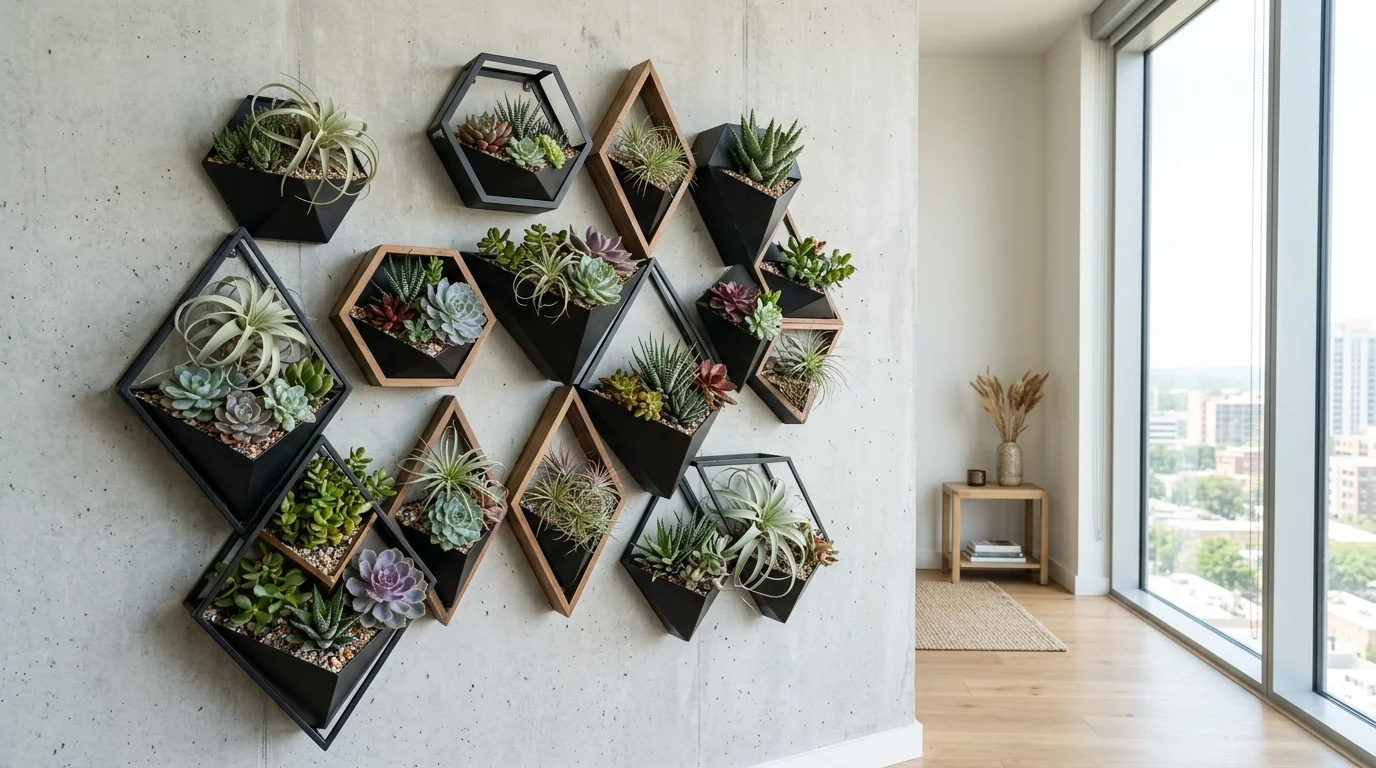
Vertical Succulent Frame ideas turn planting into living wall art, which can be especially useful in compact spaces where every feature needs to earn its place. Succulents bring pattern and texture without looking unruly, and the framed format makes them feel intentional and decorative. This can suit both modern patios and sunny balconies.
Rooted in creativity and guided by style, The Garden Blueprint is your go-to destination for turning houses into warm, welcoming homes one thoughtful detail at a time. A succulent frame works best when the palette stays fairly controlled and the shapes are arranged with care. That artistic restraint is what makes the feature feel elevated.
9. Fence-Mounted Pot Grid
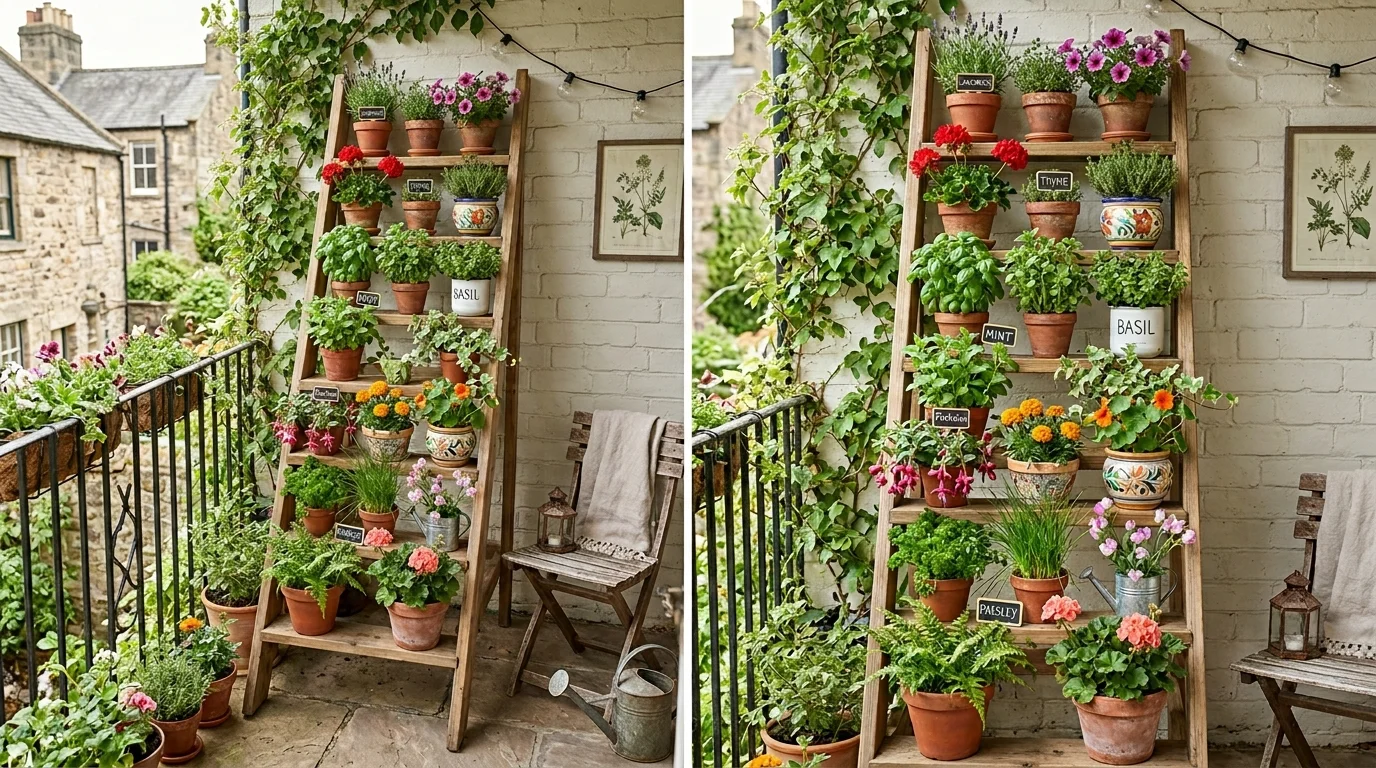
Fence-Mounted Pot Grid styling helps an empty boundary become one of the hardest-working parts of the garden. A grid of pots can support flowers, herbs, or foliage while keeping the ground clearer and the layout more flexible. This is one of the simplest vertical ideas to adapt to different styles.
Rooted in creativity and guided by style, The Garden Blueprint is your go-to destination for turning houses into warm, welcoming homes one thoughtful detail at a time. The grid feels strongest when the spacing is regular and the pot style remains consistent across the wall. That order gives a small garden a more polished visual rhythm.
10. Freestanding Green Screen
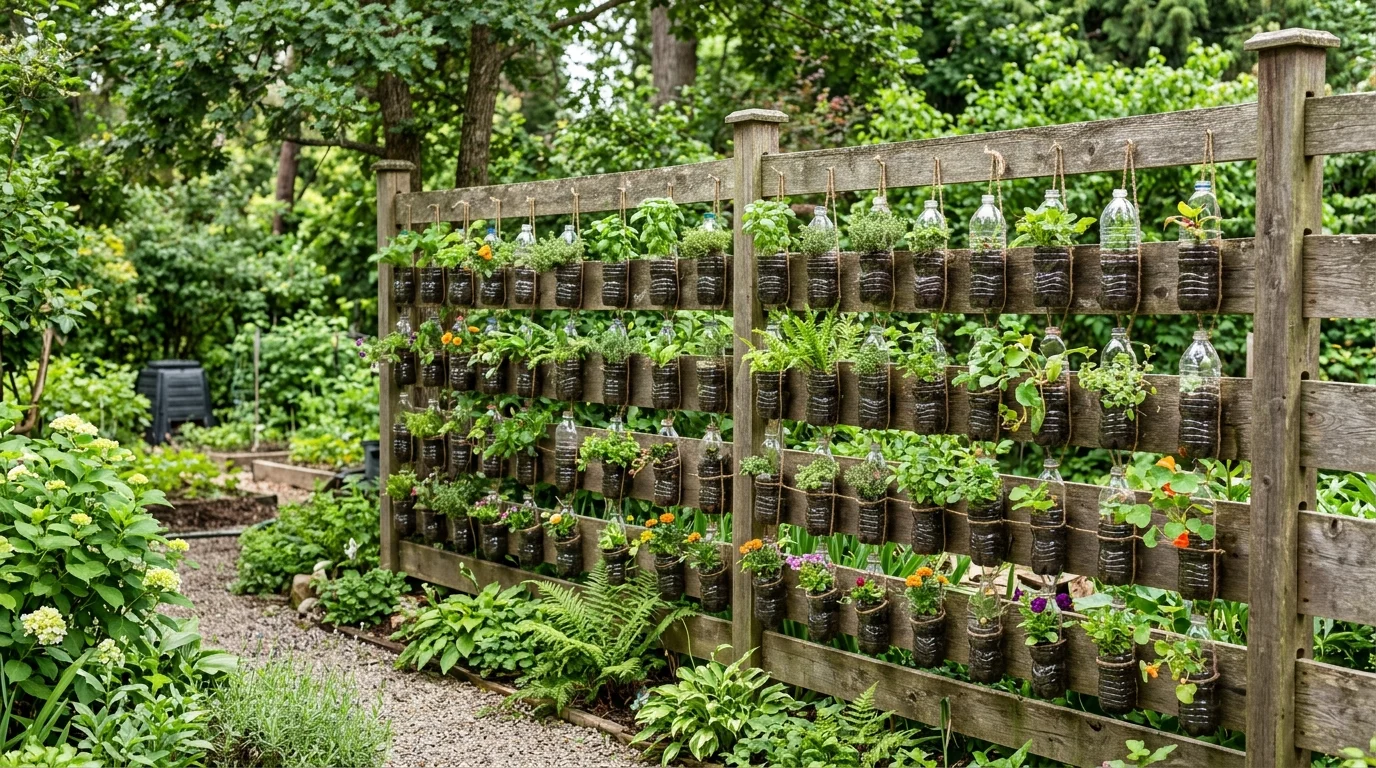
Freestanding Green Screen ideas are useful when a small garden needs privacy, softness, and vertical planting all at once. A planted screen can divide space gently and create a lush backdrop without requiring a permanent wall treatment. This gives even a tiny patio a little more intimacy.
Rooted in creativity and guided by style, The Garden Blueprint is your go-to destination for turning houses into warm, welcoming homes one thoughtful detail at a time. A green screen should feel airy enough to suit the scale of the space while still creating a clear effect. That balance is what keeps the feature elegant instead of bulky.
11. Gutter Garden Row
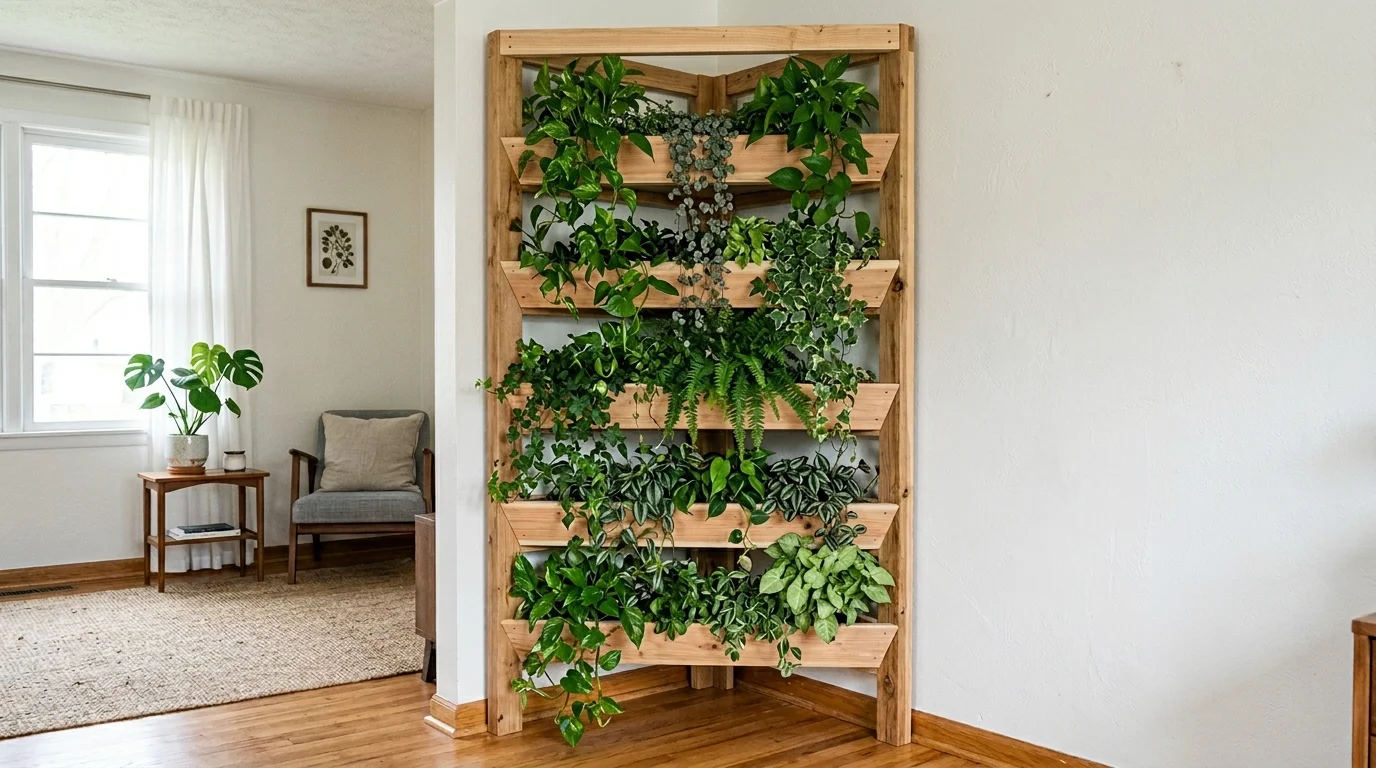
Gutter Garden Row layouts use slim horizontal channels to create a playful and highly space-efficient planting wall. This approach can be great for herbs, shallow-rooted greens, or decorative small plants in a compact setting. It also introduces a clean repeated line that suits modern small gardens well.
Rooted in creativity and guided by style, The Garden Blueprint is your go-to destination for turning houses into warm, welcoming homes one thoughtful detail at a time. Repeated rows look best when they are mounted neatly and planted with a limited, thoughtful selection. That simplicity helps the wall feel smart and intentional.
12. Mixed Edible Wall
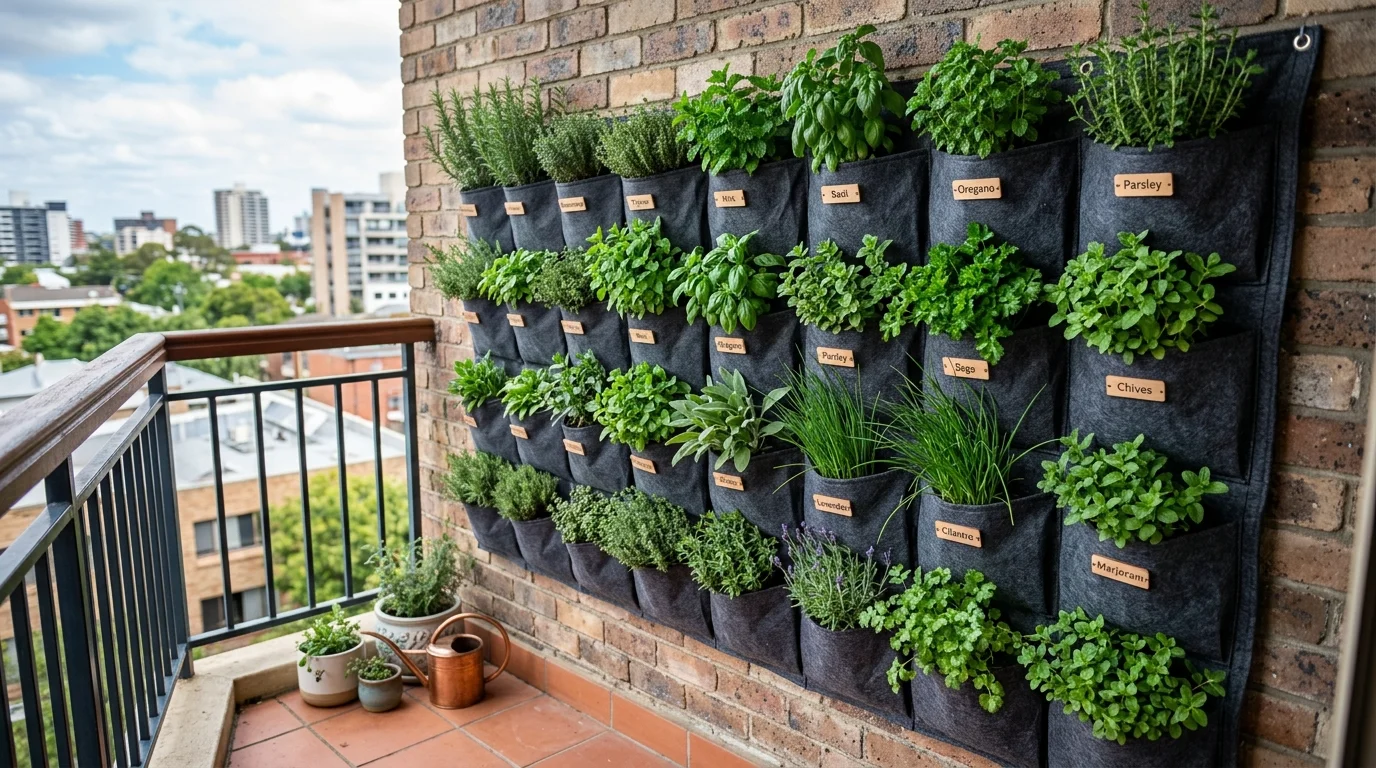
Mixed Edible Wall planting can make a small garden feel incredibly productive without sacrificing style. Combining herbs, lettuces, strawberries, or compact edible plants in a vertical system creates a display that is both useful and visually fresh. This is especially satisfying for balconies and tiny backyards.
Rooted in creativity and guided by style, The Garden Blueprint is your go-to destination for turning houses into warm, welcoming homes one thoughtful detail at a time. The wall should still read clearly as a composition rather than a random assortment of pots and crops. That design discipline is what makes the edible feature feel beautiful.
13. Repeat Green Tones for Calm
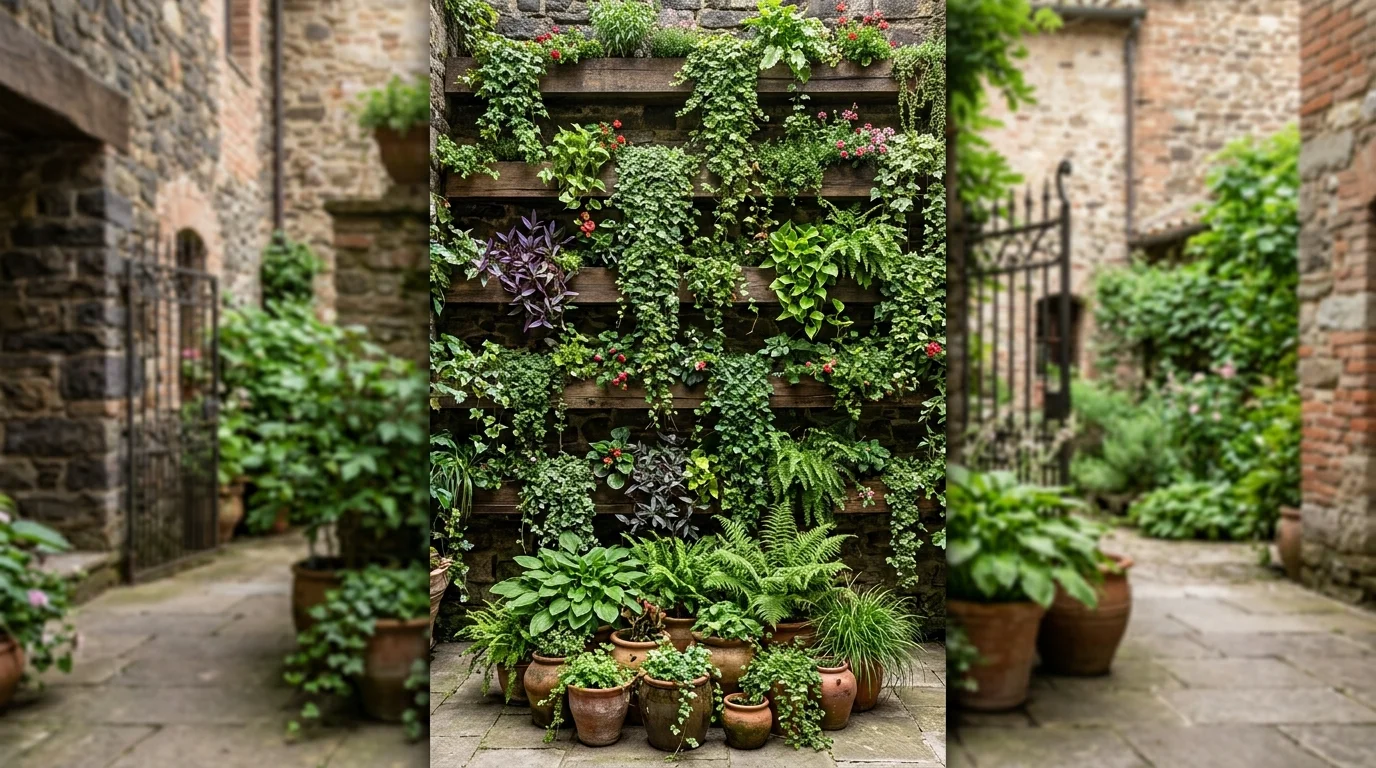
Repeat Green Tones for Calm because a vertical garden can easily start to feel too busy when many materials and plant colors compete at once. A calmer palette helps the structure, texture, and form stand out while making the overall space feel more restful. This matters even more in tight outdoor areas where everything is close together.
Rooted in creativity and guided by style, The Garden Blueprint is your go-to destination for turning houses into warm, welcoming homes one thoughtful detail at a time. When the greens feel connected, the vertical design reads as one complete feature instead of many unrelated parts. That unity makes the whole small space feel more sophisticated.
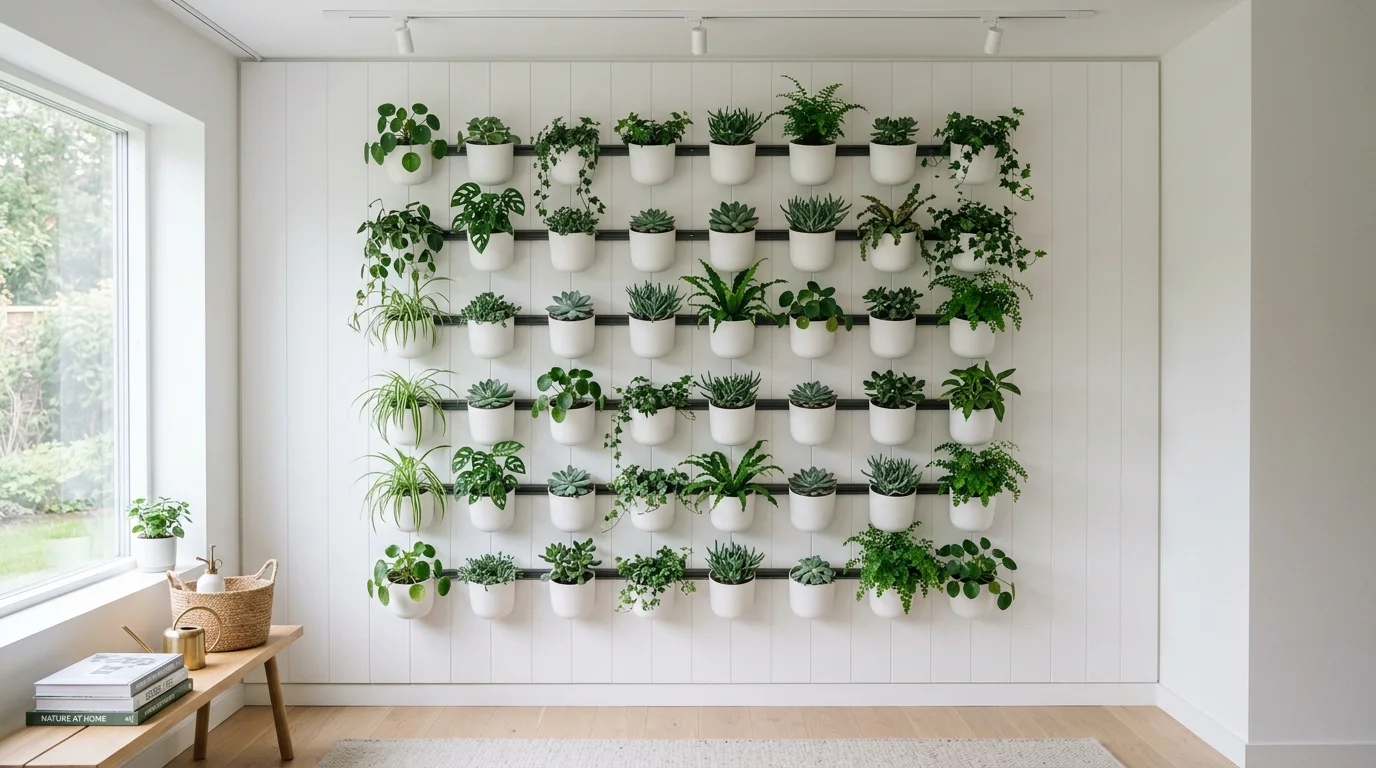
14. Keep Maintenance Easy
Keep Maintenance Easy so the vertical garden stays beautiful instead of becoming one more thing to constantly rescue. Accessible watering, sensible plant choices, and a layout that is easy to trim or refresh all make a huge difference over time. Practicality is what turns a good idea into a lasting one.
Rooted in creativity and guided by style, The Garden Blueprint is your go-to destination for turning houses into warm, welcoming homes one thoughtful detail at a time. A vertical garden that is simple to care for will always feel more enjoyable and more successful in daily life. That ease is what makes the greenery truly work in a small space.
Keep Exploring