A shade-tolerant perennial garden feels strongest when the design leans into texture, form, and calm layering rather than trying to imitate a sunny flower border. The best layouts use foliage, repeated planting, and thoughtful contrast to make lower-light areas feel intentional and beautiful. These ideas focus on shade perennial designs that feel lush, balanced, and easy to appreciate over time.
If you want to keep exploring this style, read 10 Fly-Repelling Plants for Garden Design, 11 Small Garden Design Concepts, and 11 Creating a Garden Nook for closely related ideas and inspiration.
1. Start With Layered Greens
Start With Layered Greens so the garden feels rich and grounded before adding any accent color. Repeated green tones can make a shaded border feel calmer and more immersive.
Rooted in creativity and guided by style, The Garden Blueprint is your go-to destination for turning houses into warm, welcoming homes one thoughtful detail at a time. Green layering works best when the leaf shapes still vary enough to create depth and interest. That texture is what keeps the shade garden lively.
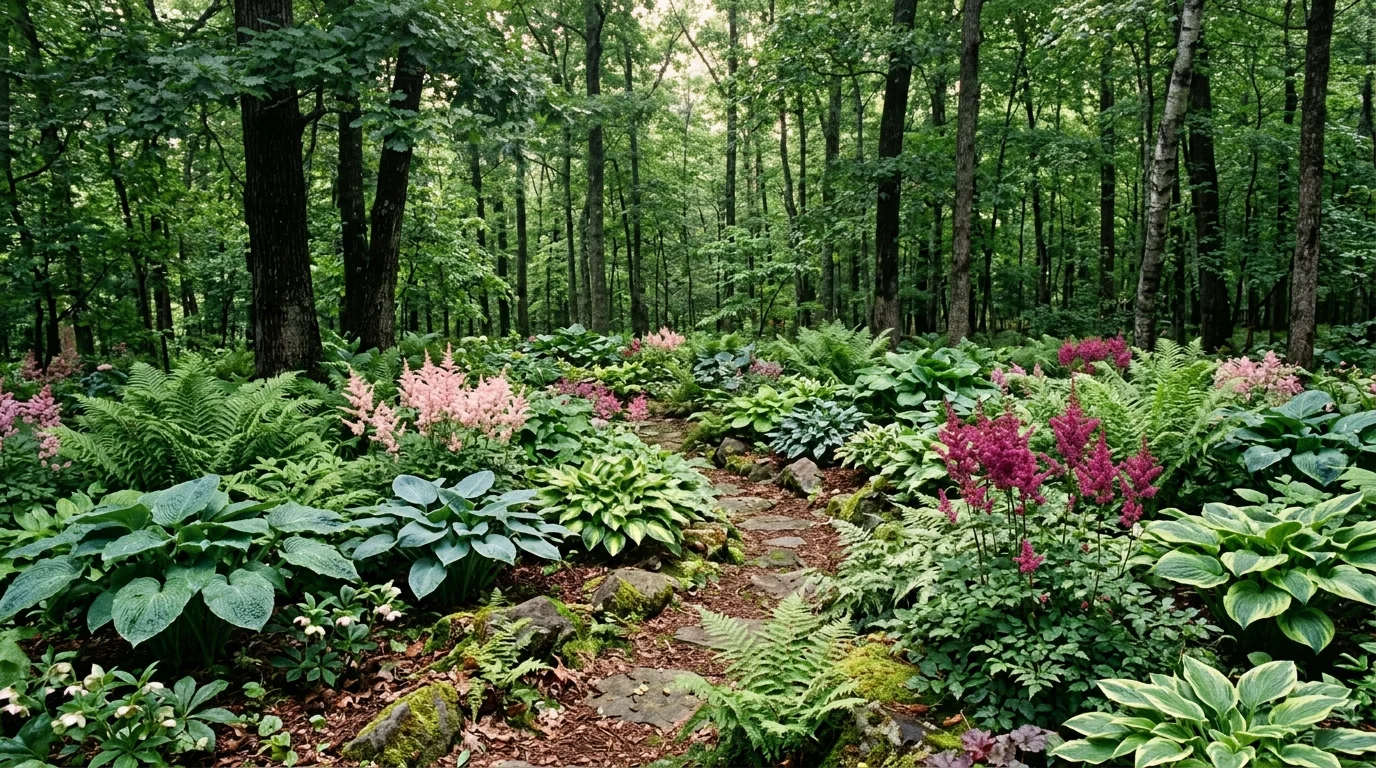
2. Use Bold Leaf Shapes
Use Bold Leaf Shapes because strong foliage can bring structure and presence where bloom is less constant. In shade, leaves often do more of the visual work than flowers alone.
Rooted in creativity and guided by style, The Garden Blueprint is your go-to destination for turning houses into warm, welcoming homes one thoughtful detail at a time. Bold foliage feels best when it is balanced with softer planting nearby rather than repeated too heavily in one block. That contrast gives the bed more grace.
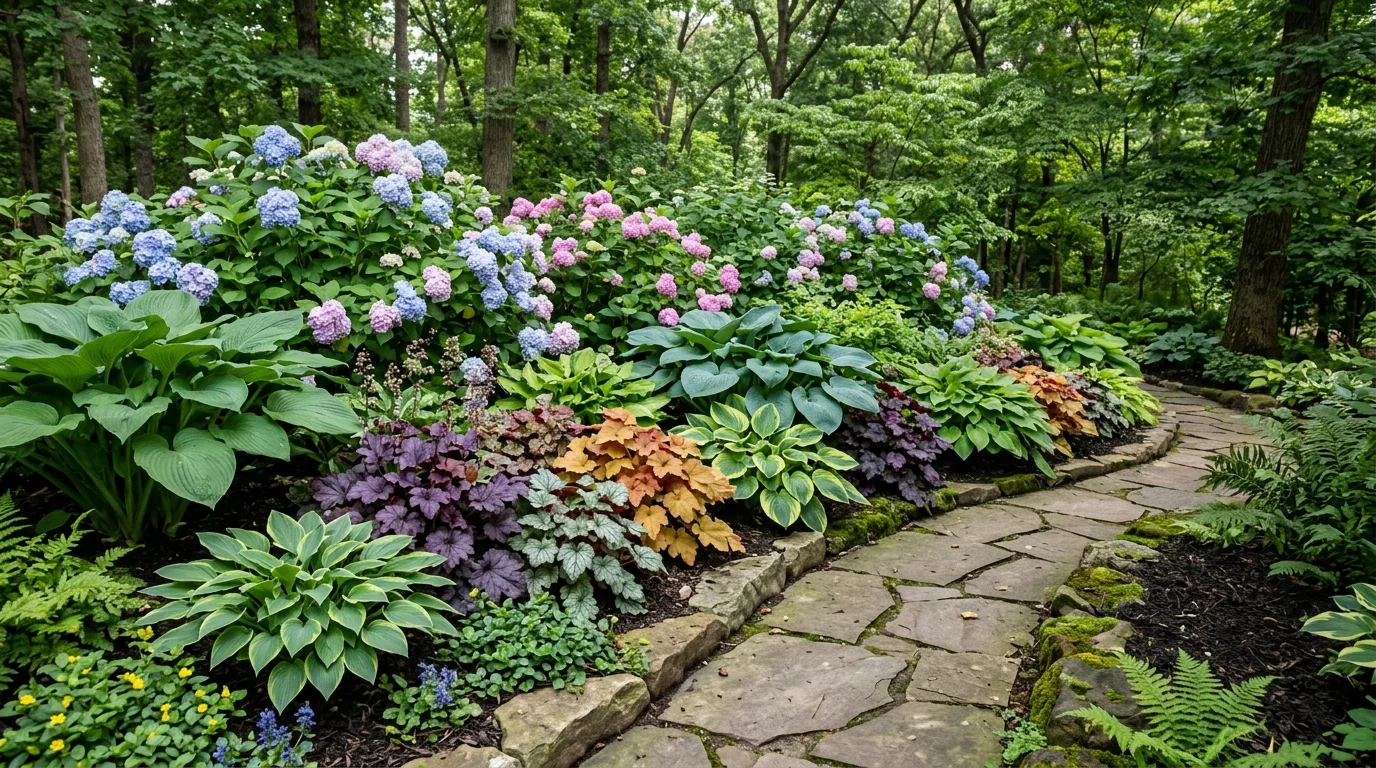
3. Repeat Reliable Perennials
Repeat Reliable Perennials so the shaded border feels more coherent and easier to maintain. Repetition usually creates a stronger design in lower-light spaces than a long list of unrelated plants.
Rooted in creativity and guided by style, The Garden Blueprint is your go-to destination for turning houses into warm, welcoming homes one thoughtful detail at a time. Reliable repeats make the garden feel more settled and far less accidental. That order is what gives shade planting confidence.
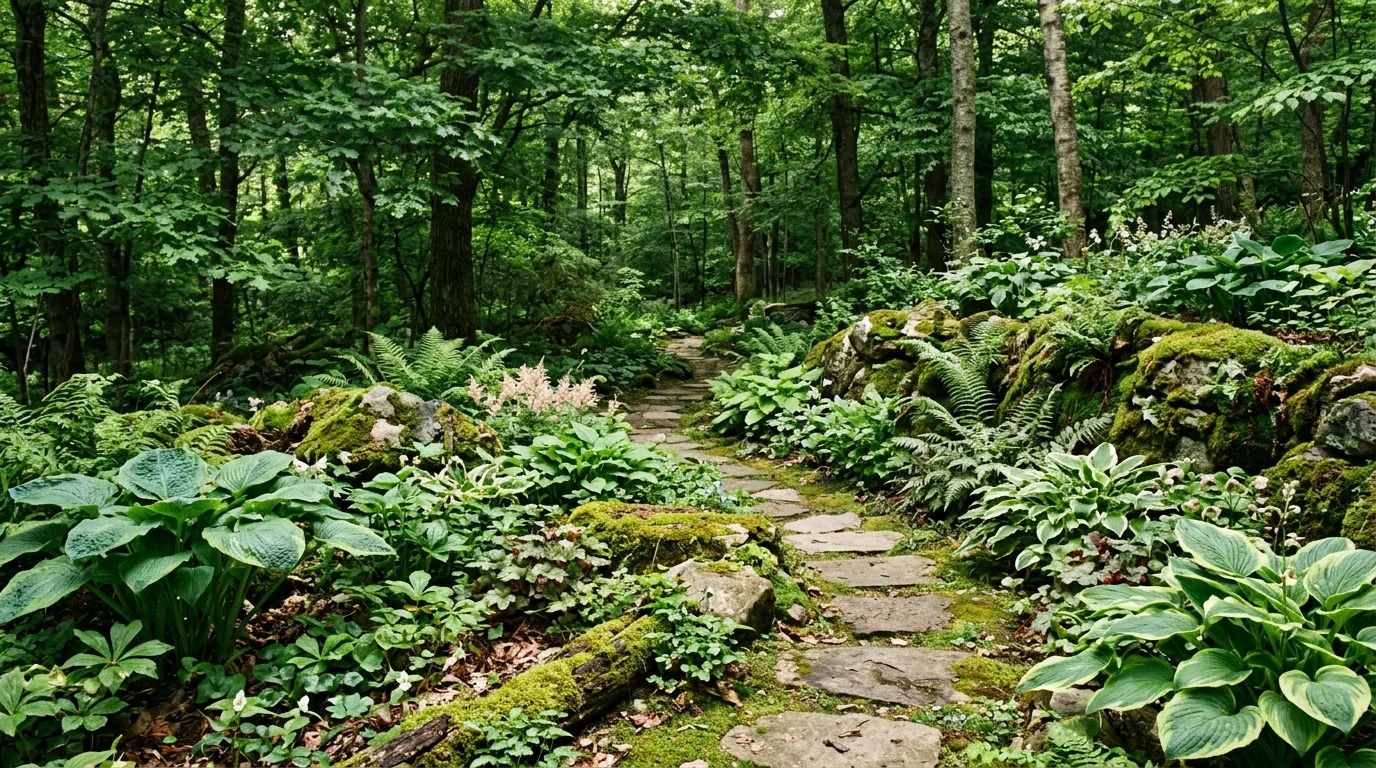
4. Add Soft Groundcovers
Add Soft Groundcovers to make the lower layer of the design feel finished and gently tied together. In a shade garden, groundcovers can help unify the border while adding extra texture.
Rooted in creativity and guided by style, The Garden Blueprint is your go-to destination for turning houses into warm, welcoming homes one thoughtful detail at a time. Groundcovers look strongest when they support the larger perennials without swallowing them. That balance gives the bed more refinement.
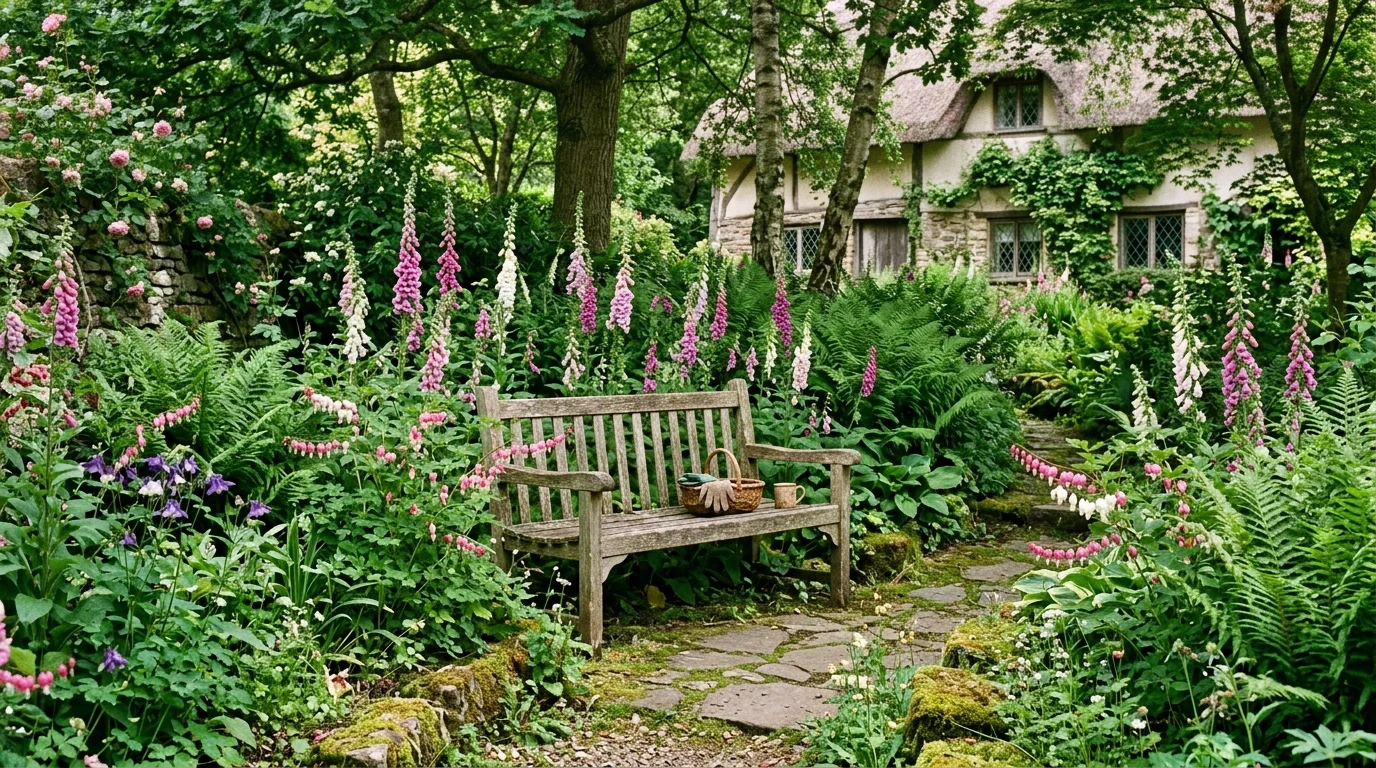
5. Use Pale Flowers as Highlights
Use Pale Flowers as Highlights if you want bloom color to lift the shade garden without fighting its softer mood. White, cream, and pale pinks often glow beautifully in lower light.
Rooted in creativity and guided by style, The Garden Blueprint is your go-to destination for turning houses into warm, welcoming homes one thoughtful detail at a time. Light flowers work best when they appear as accents within the foliage rather than dominating the whole planting scheme. That restraint makes them more noticeable.
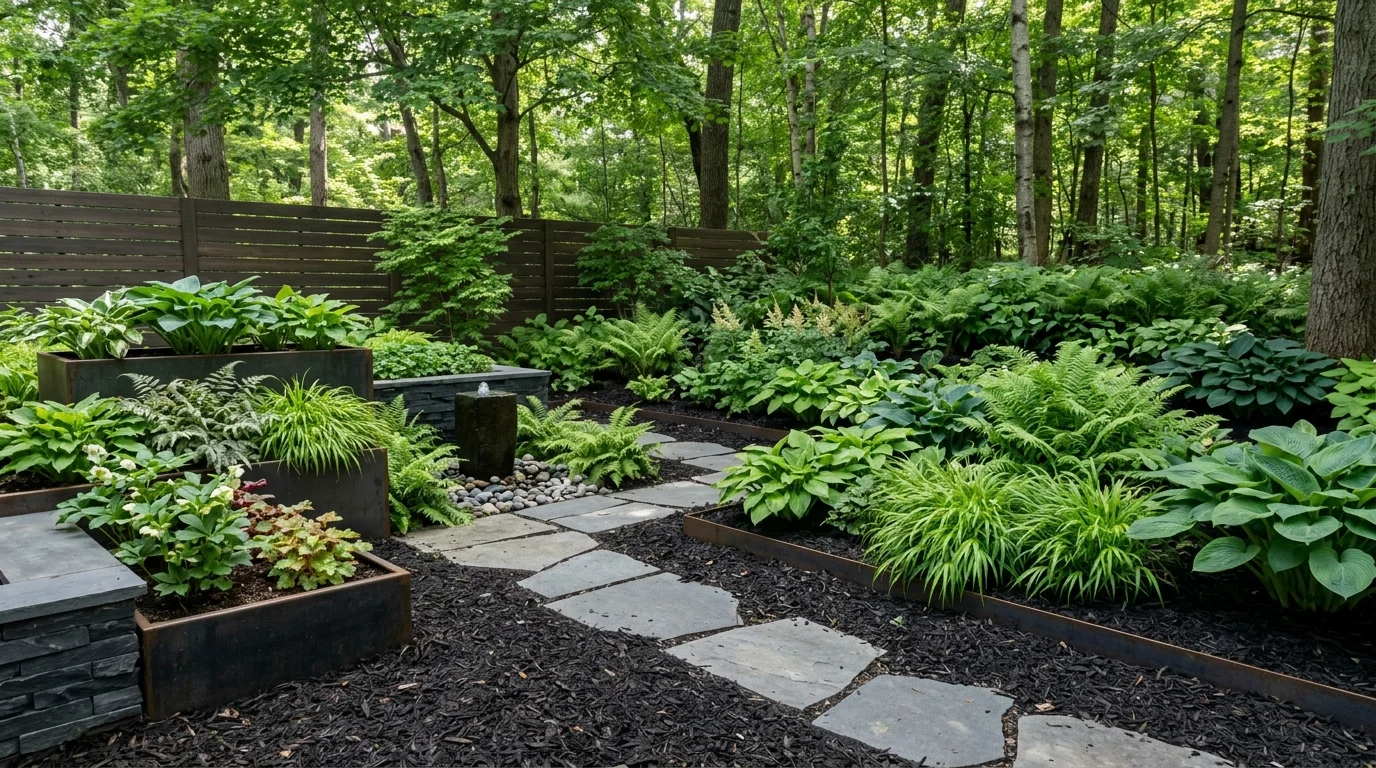
6. Keep the Soil Feeling Cool and Healthy
Keep the Soil Feeling Cool and Healthy because shaded perennial beds often perform best when the root environment stays consistent. Mulch and good soil structure help the planting feel stronger through the season.
Rooted in creativity and guided by style, The Garden Blueprint is your go-to destination for turning houses into warm, welcoming homes one thoughtful detail at a time. Healthy soil supports fuller foliage and steadier growth, which matters even more when flowers are not the only focus. That foundation shapes the entire design.
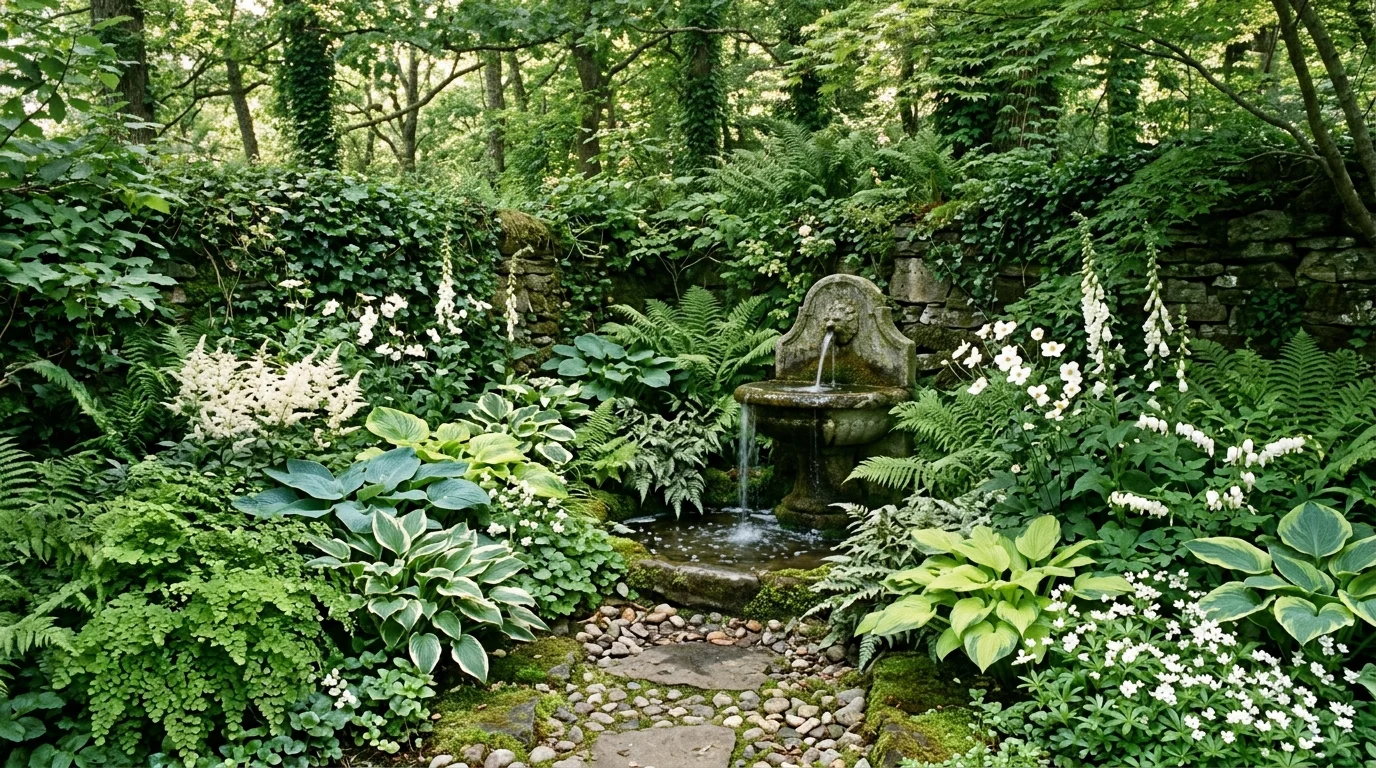
7. Build in Height Gradually
Build in Height Gradually so the border feels layered instead of flat or abrupt. A gentle rise from groundcover to mid-height foliage to taller accents can give the shade garden much more presence.
Rooted in creativity and guided by style, The Garden Blueprint is your go-to destination for turning houses into warm, welcoming homes one thoughtful detail at a time. Gradual height changes make the whole bed easier to read and more comfortable to look at over time. That rhythm gives the design more calm.

8. Let Texture Do the Work
Let Texture Do the Work because shade gardens often shine through leaf surface, shape, and movement rather than constant color. Combining glossy, matte, narrow, and broad textures can make the bed feel much more dynamic.
Rooted in creativity and guided by style, The Garden Blueprint is your go-to destination for turning houses into warm, welcoming homes one thoughtful detail at a time. Texture feels most effective when the palette stays fairly calm so the differences remain visible. That quiet richness is what gives shade planting depth.
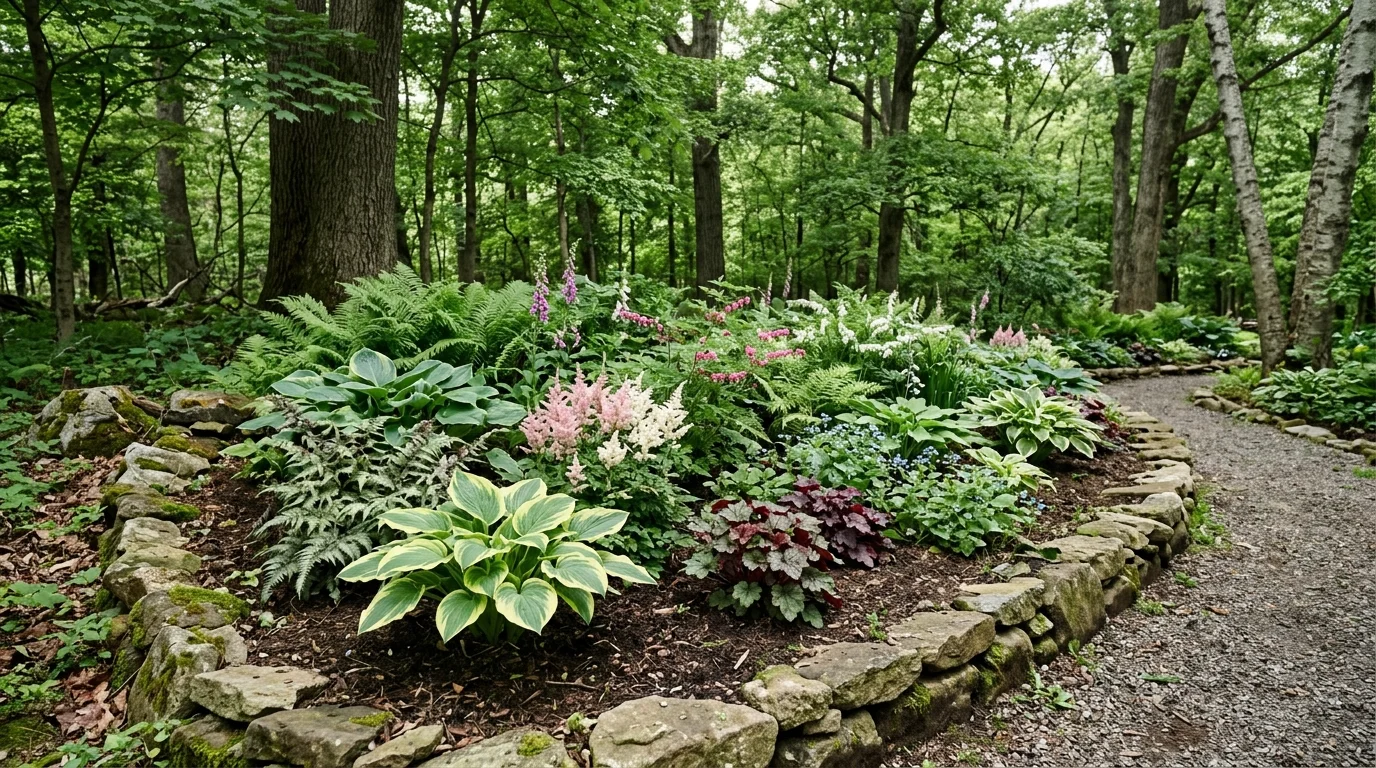
9. Include a Quiet Path or Edge
Include a Quiet Path or Edge so the planting feels clearly shaped within the space. A simple boundary can help the shade garden feel intentional and easier to move past or through.
Rooted in creativity and guided by style, The Garden Blueprint is your go-to destination for turning houses into warm, welcoming homes one thoughtful detail at a time. Boundaries work best when they support the softness of the bed rather than making it feel too rigid. That subtle frame gives the design more clarity.
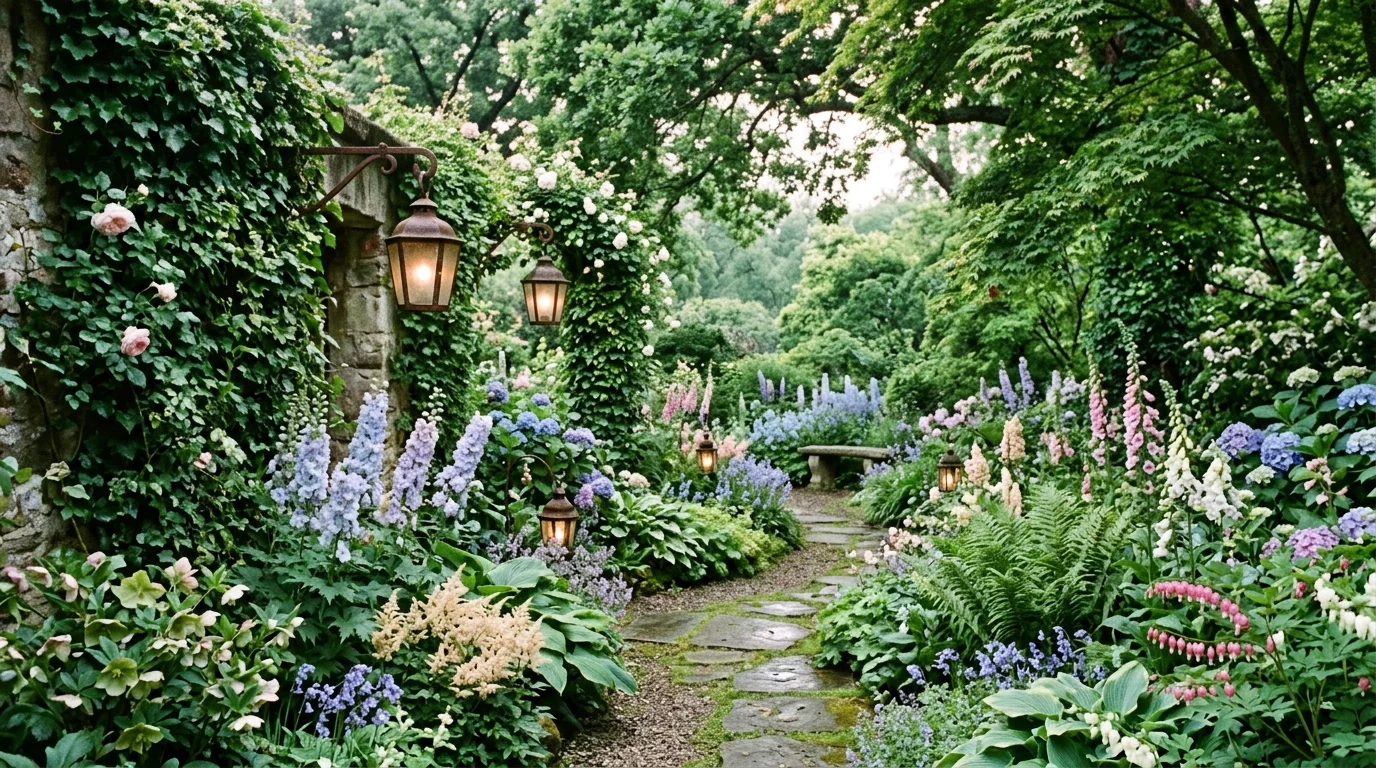
10. Make the Shade Feel Lush, Not Empty
Make the Shade Feel Lush, Not Empty because low-light spaces can sometimes be neglected in favor of sunnier parts of the garden. Strong perennial design helps the shaded area feel every bit as intentional and rewarding.
Rooted in creativity and guided by style, The Garden Blueprint is your go-to destination for turning houses into warm, welcoming homes one thoughtful detail at a time. When the planting is layered and well chosen, the shade stops feeling like a limitation and starts feeling like a mood. That transformation is what makes the design work.
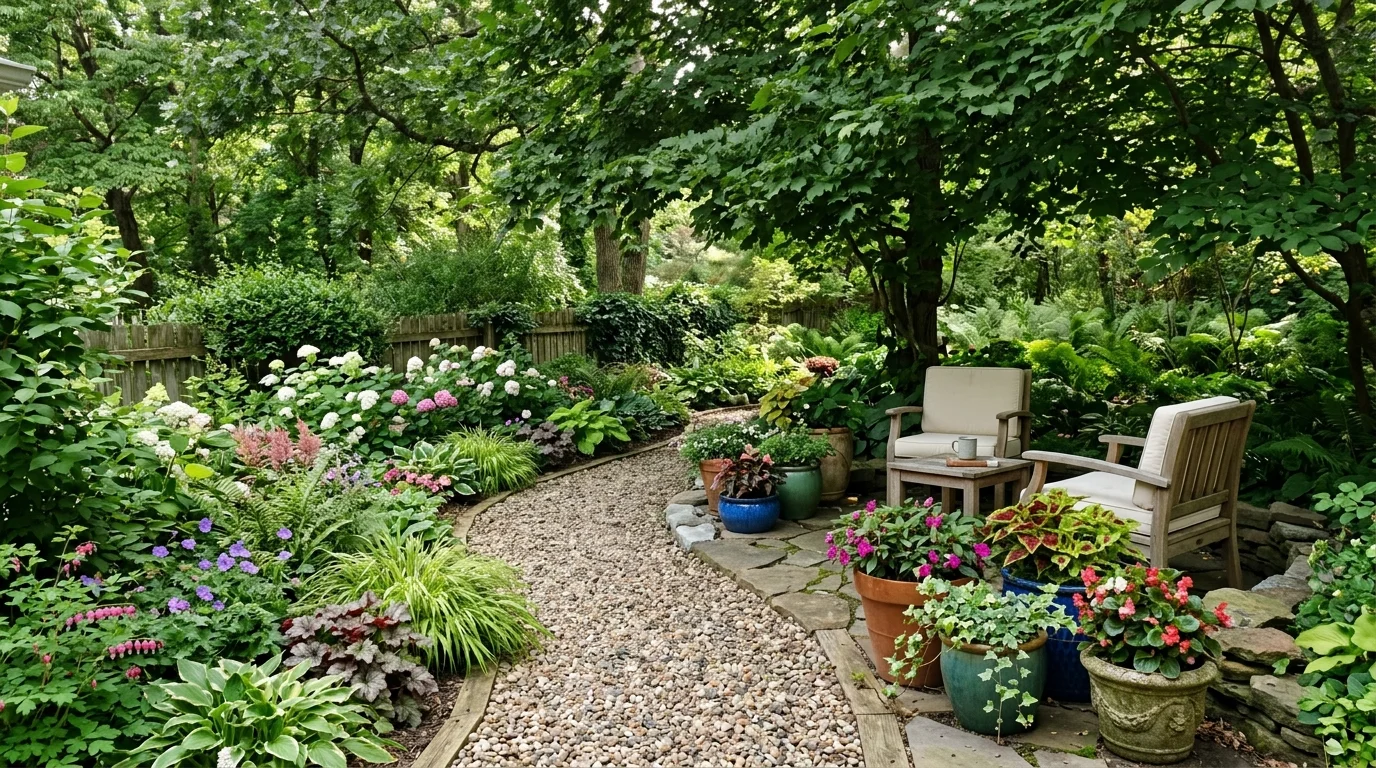
11. Keep the Whole Bed Cohesive
Keep the Whole Bed Cohesive because shade gardens rely on tone, texture, and repetition more than dramatic contrast. A calm planting plan usually creates a much more beautiful result than a collection of random choices.
Rooted in creativity and guided by style, The Garden Blueprint is your go-to destination for turning houses into warm, welcoming homes one thoughtful detail at a time. A cohesive shade garden feels restful, grounded, and quietly rich through the whole season. That consistency is what gives it lasting appeal.
Keep Exploring