Small narrow gardens can feel far more inviting than their footprint suggests when the layout is calm, deliberate, and easy to read. The most successful designs use proportion, repetition, and a little visual restraint so the garden feels longer, softer, and more useful instead of cramped. These tips focus on helping a narrow outdoor space feel balanced, stylish, and genuinely enjoyable to spend time in.
If you want to keep exploring this style, read 11 Small Garden Design Concepts, 12 Design Ideas for a Small Narrow Garden, and 10 Fly-Repelling Plants for Garden Design for closely related ideas and inspiration.
1. Start With a Clear Central Line
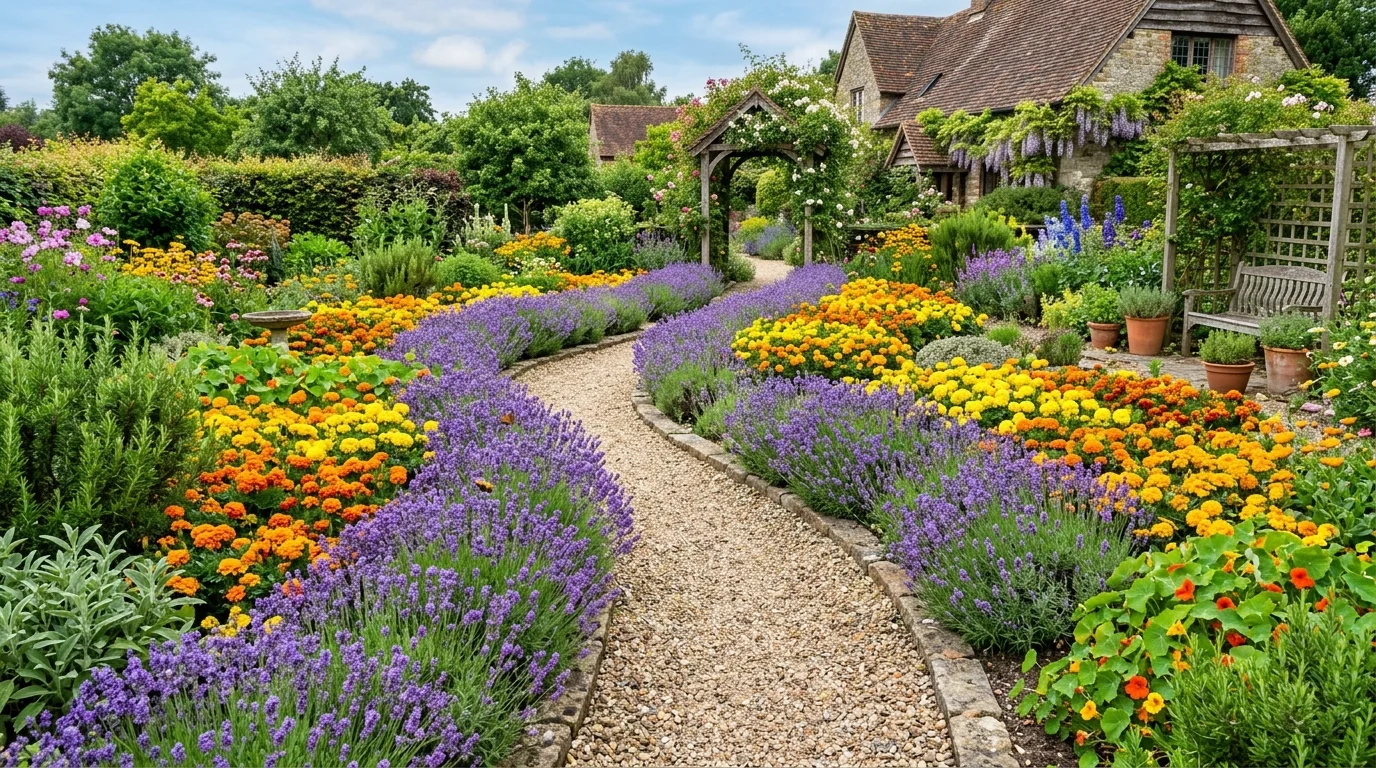
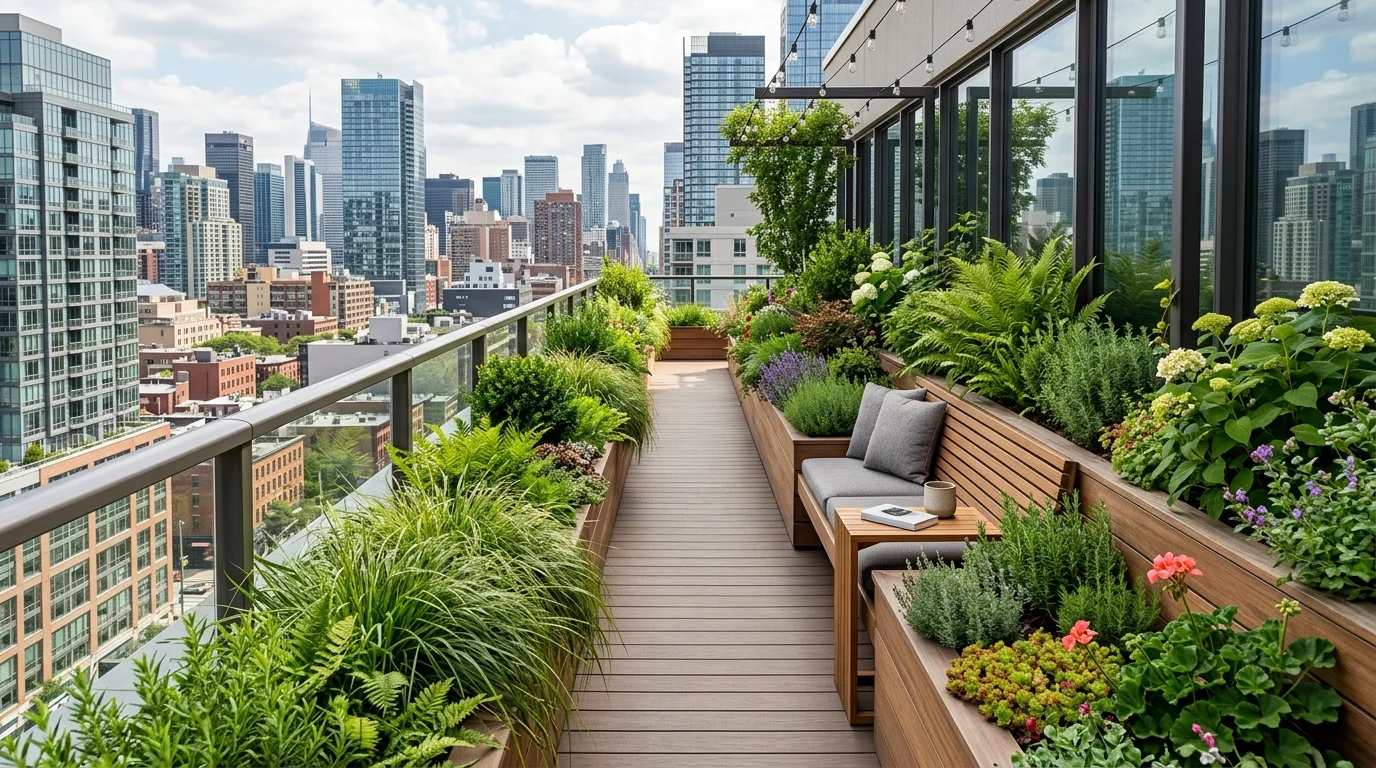
Start With a Clear Central Line so the garden feels organized from the very first glance instead of visually squeezed from edge to edge. A defined route or visual axis helps the space read as longer and calmer, which is especially useful in a layout where every inch matters. This kind of structure gives the whole garden a stronger sense of direction.
Rooted in creativity and guided by style, The Garden Blueprint is your go-to destination for turning houses into warm, welcoming homes one thoughtful detail at a time. A central line does not need to be rigid, but it should make movement and sightlines feel easy and natural. That simple clarity often makes a narrow garden feel instantly more generous.
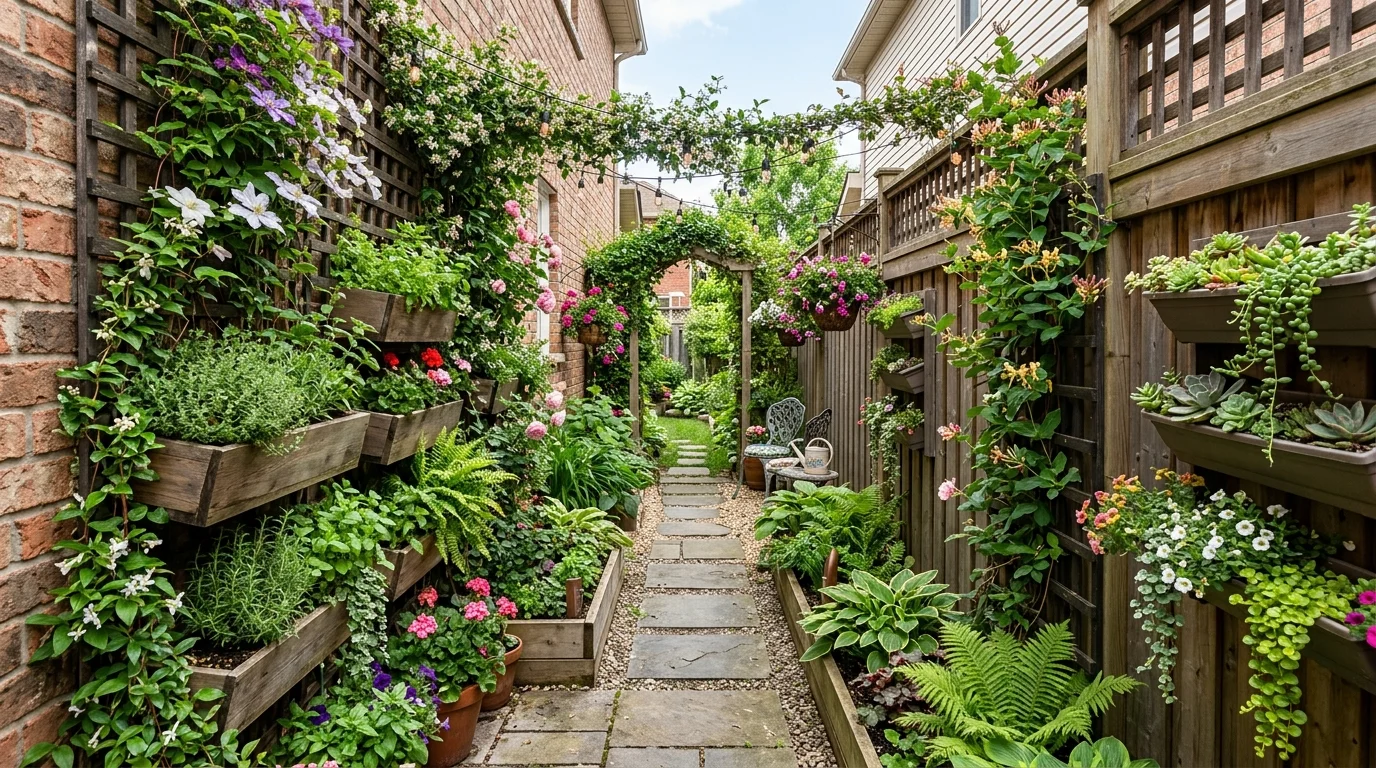
2. Soften One Side With Layered Planting
Soften One Side With Layered Planting to bring depth into the space without making both edges compete for attention at once. Letting one border feel fuller while the opposite side stays calmer often creates a more relaxed and spacious impression. This asymmetry can make a small garden feel designed rather than forced.
Rooted in creativity and guided by style, The Garden Blueprint is your go-to destination for turning houses into warm, welcoming homes one thoughtful detail at a time. The planting should feel edited and layered rather than bulky, so the garden keeps its openness. That balance gives the narrow layout more richness without taking away breathing room.
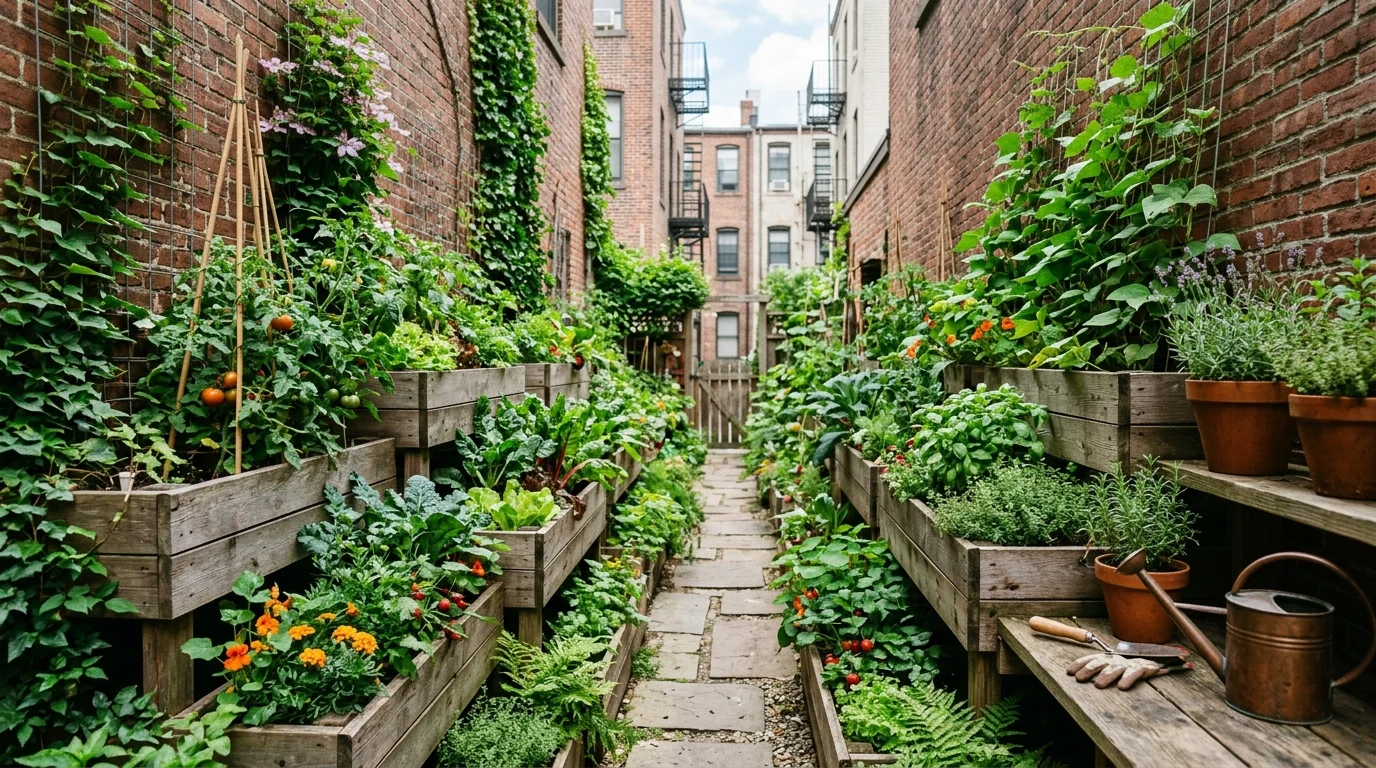
3. Repeat Slim Vertical Features
Repeat Slim Vertical Features because height can add drama and rhythm without stealing valuable floor space. Upright planters, narrow trellises, or slender structural accents help draw the eye upward and forward, which naturally stretches the proportions of the garden. This is one of the most effective ways to make a tight layout feel more elegant.
Rooted in creativity and guided by style, The Garden Blueprint is your go-to destination for turning houses into warm, welcoming homes one thoughtful detail at a time. Repetition works best when the vertical elements relate to each other in scale and finish. That visual consistency helps the entire garden feel more intentional and composed.
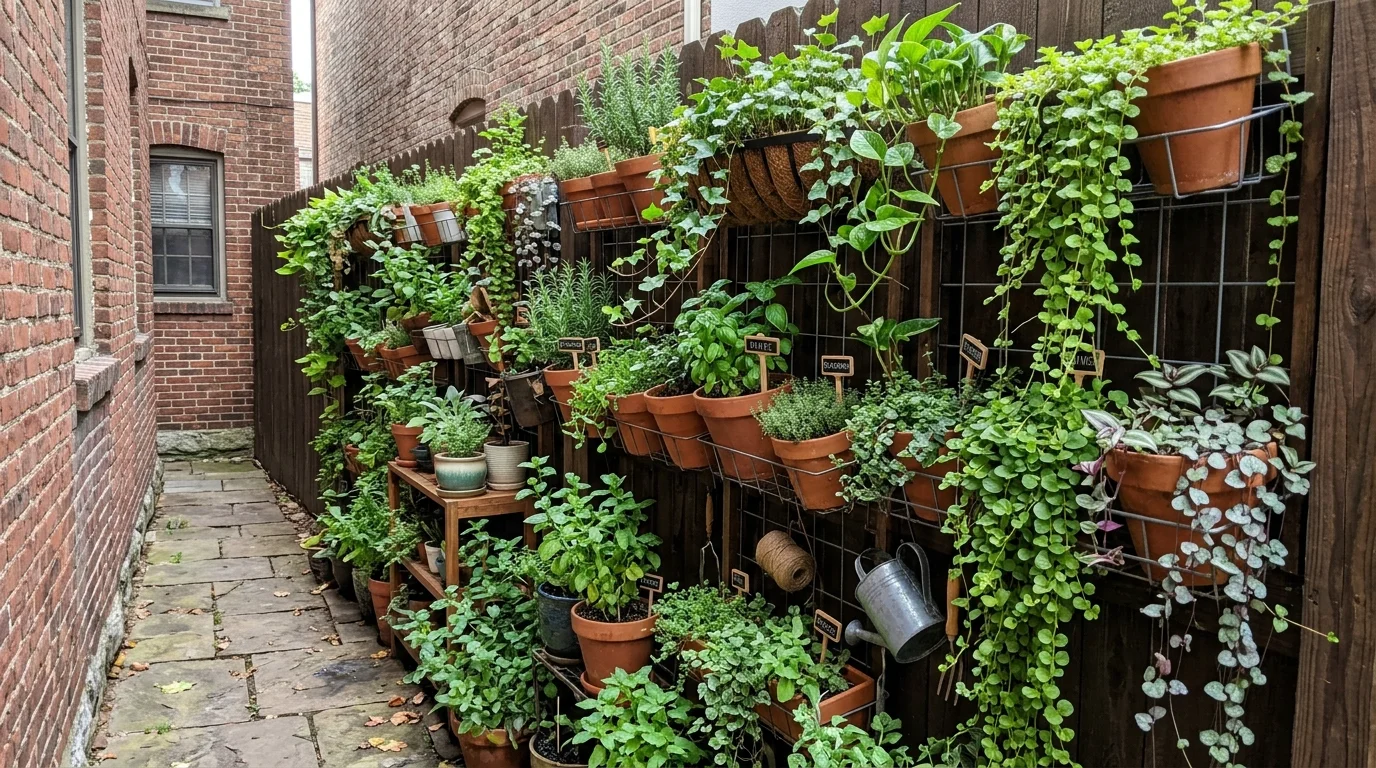
4. Keep the Color Palette Restrained
Keep the Color Palette Restrained so the narrow garden feels settled and spacious instead of overly busy. Too many competing tones can visually break the layout into smaller pieces, while a simpler palette lets the eye move through the space more smoothly. Calm color choices often do as much as hard landscaping to improve the overall feel.
Rooted in creativity and guided by style, The Garden Blueprint is your go-to destination for turning houses into warm, welcoming homes one thoughtful detail at a time. A limited palette does not mean the garden has to feel flat, because texture and shape can still bring depth. That quieter color story is often what makes a small space feel sophisticated.
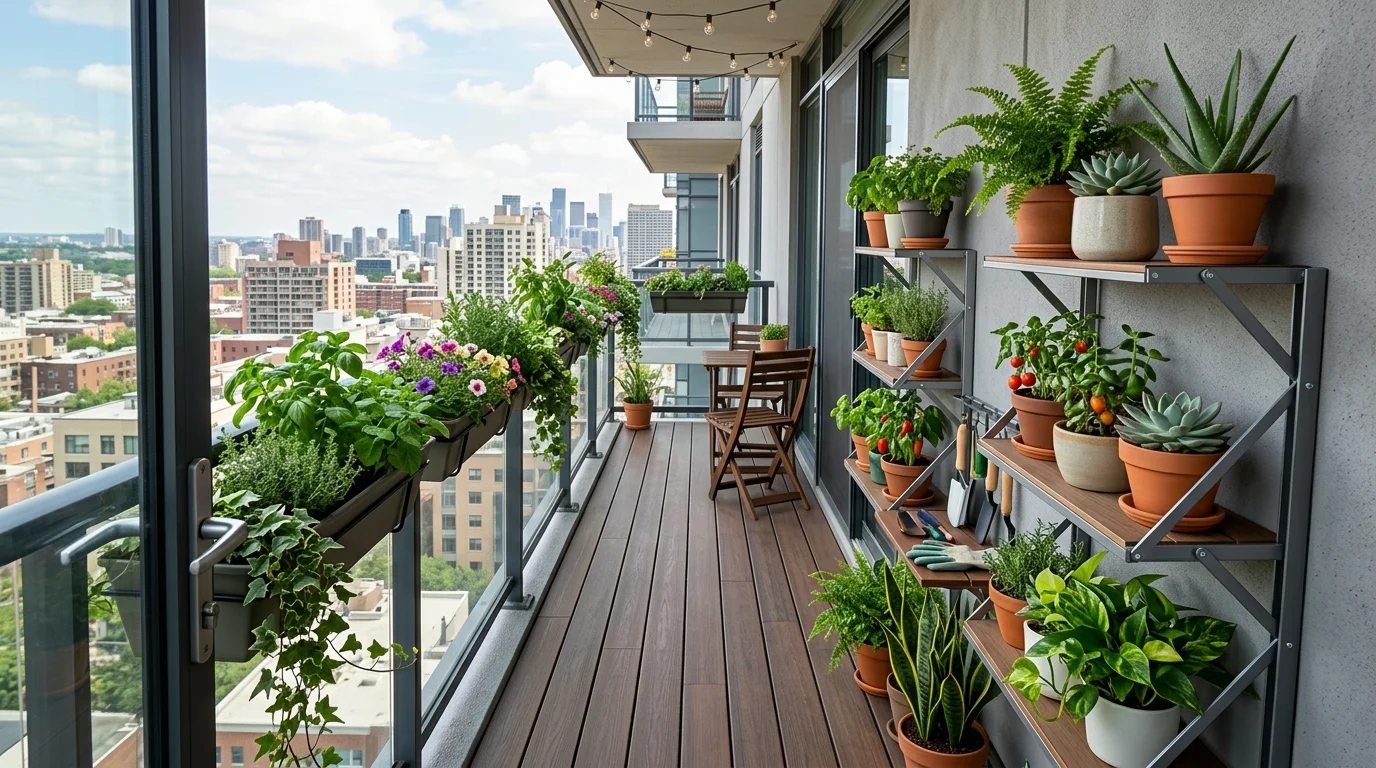
5. Build Depth With Staggered Heights
Build Depth With Staggered Heights so the eye reads the garden in layers instead of as one narrow strip. Low edging, mid-height planting, and a few taller accents can create a more dimensional composition without making the space feel crowded. This layered approach gives a compact garden more presence.
Rooted in creativity and guided by style, The Garden Blueprint is your go-to destination for turning houses into warm, welcoming homes one thoughtful detail at a time. Height changes should feel gradual enough that the view remains open and easy to follow. That stepped rhythm is what helps a narrow space feel deeper and more complete.
6. Add a Path With Texture
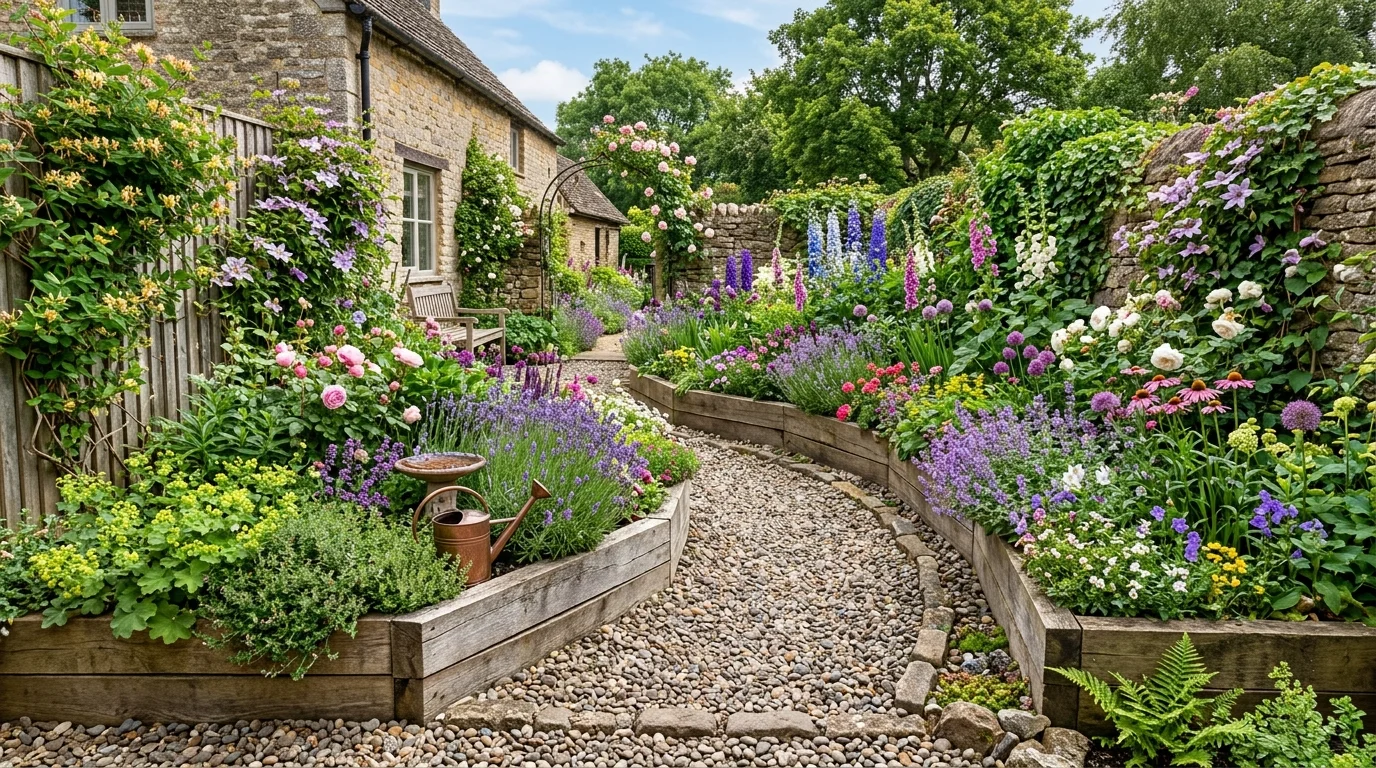
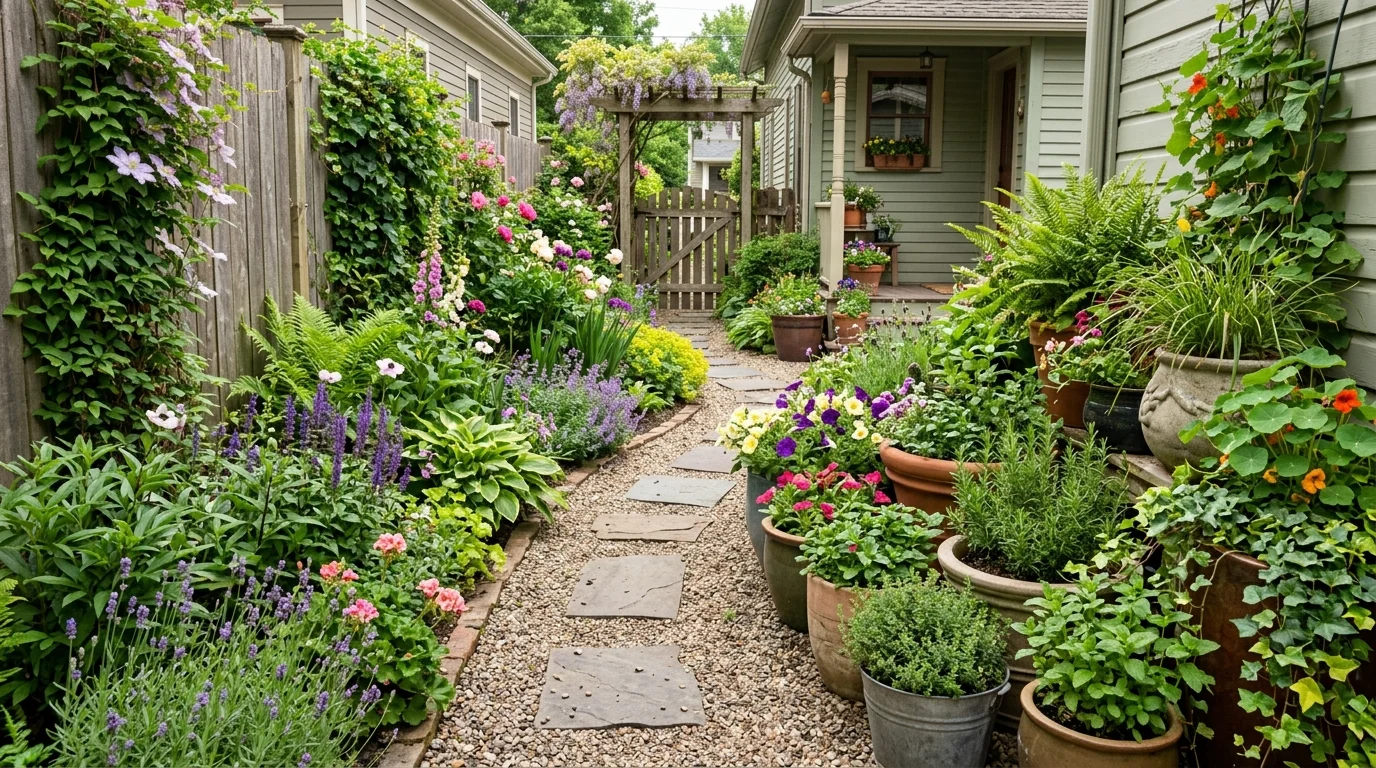
Add a Path With Texture because a well-defined walkway gives the garden purpose while also guiding the eye through its full length. Gravel, stone, or warm paving can create contrast and make the space feel more designed without needing much width. A tactile path also helps the garden feel grounded and easy to use.
Rooted in creativity and guided by style, The Garden Blueprint is your go-to destination for turning houses into warm, welcoming homes one thoughtful detail at a time. Texture works best when it supports the planting and does not become visually loud. That measured use of material helps the garden feel richer without feeling tighter.
7. Use Climbers to Free the Ground
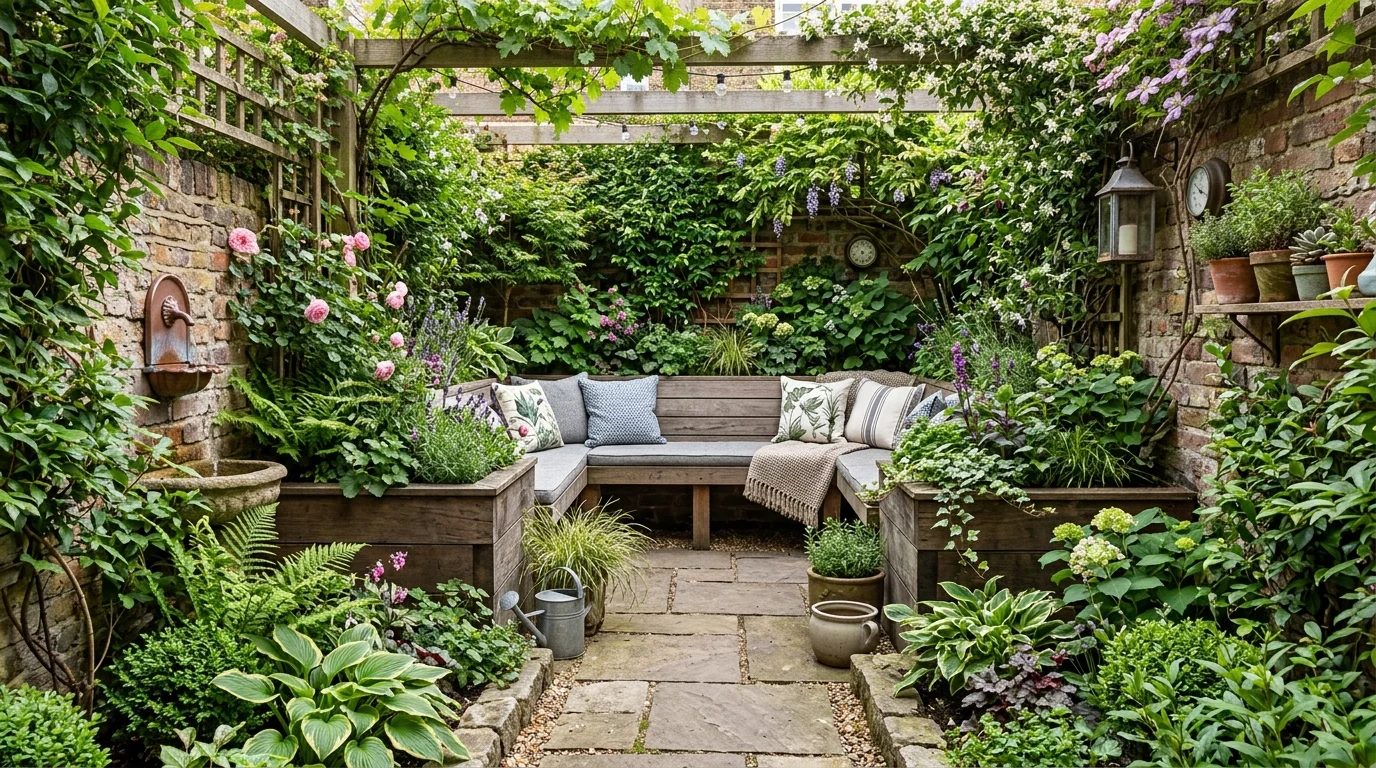
Use Climbers to Free the Ground so greenery can rise upward instead of spreading across limited floor space. Fences and walls become much more valuable in a narrow garden when they support planting, privacy, and visual softness all at once. This often makes the garden feel fuller without making it harder to move through.
Rooted in creativity and guided by style, The Garden Blueprint is your go-to destination for turning houses into warm, welcoming homes one thoughtful detail at a time. Vertical planting feels strongest when it is controlled and repeated rather than wildly overgrown. That cleaner approach keeps the garden lush while preserving its structure.
8. Scale Furniture Down Carefully
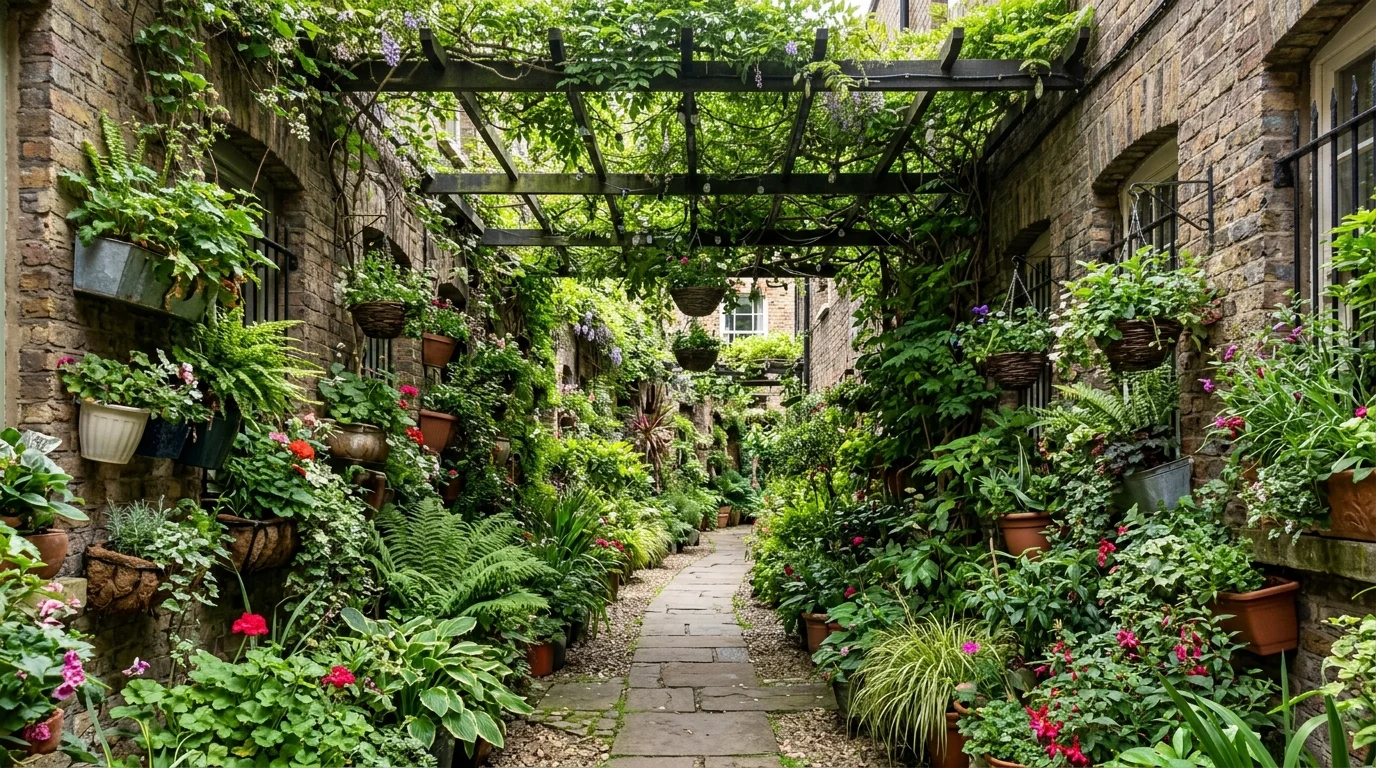
Scale Furniture Down Carefully because oversized seating can quickly make a small narrow garden feel blocked and awkward. Compact pieces with lighter profiles often perform better by giving the space function without taking over the layout. The right furniture should support the garden instead of fighting it.
Rooted in creativity and guided by style, The Garden Blueprint is your go-to destination for turning houses into warm, welcoming homes one thoughtful detail at a time. Smaller furniture still feels inviting when it is placed with purpose and supported by planting or texture around it. That thoughtful scale is what helps comfort and openness exist together.
9. Create One Strong Focal Point
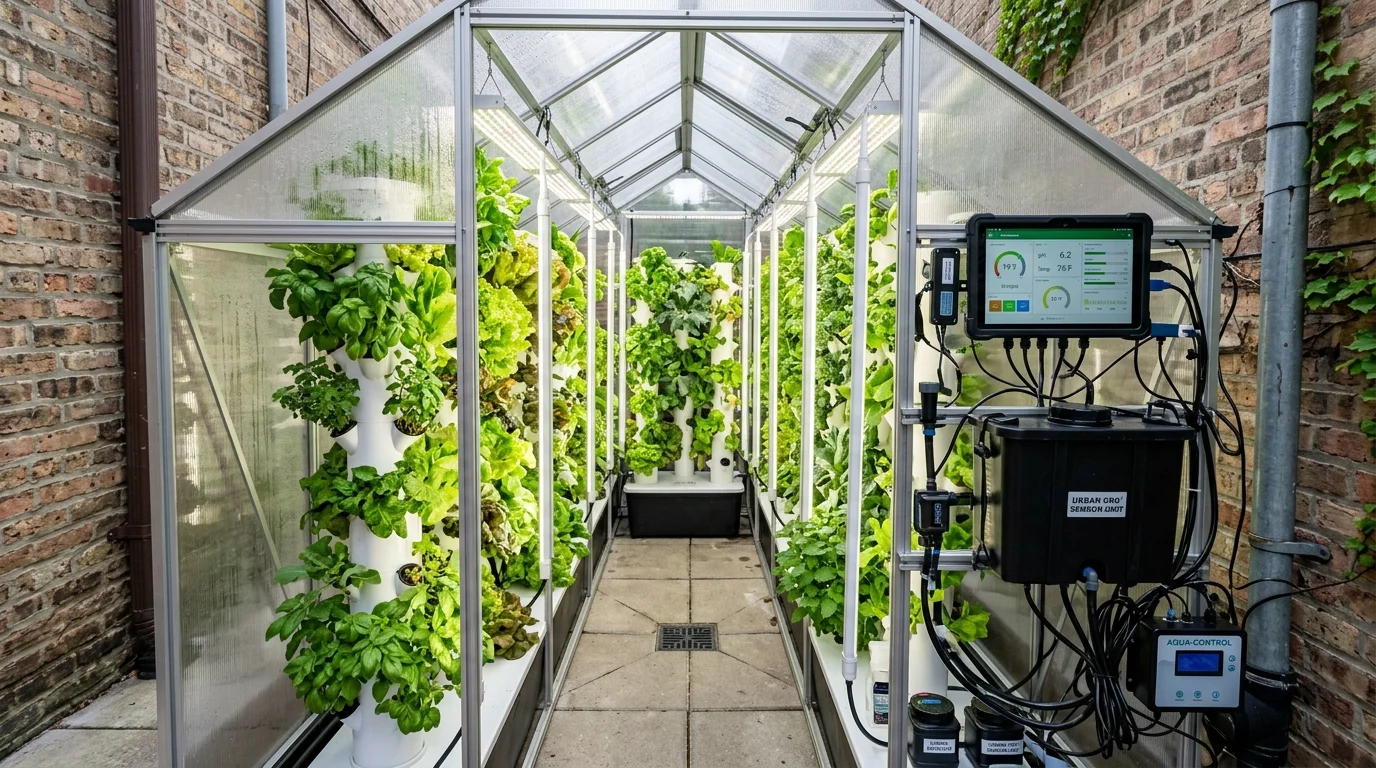
Create One Strong Focal Point so the narrow garden has a destination rather than feeling like a corridor with no reward. A bench, statement planter, water feature, or framed planting moment can anchor the far end and encourage the eye to travel. This makes the full length of the space feel more purposeful and more complete.
Rooted in creativity and guided by style, The Garden Blueprint is your go-to destination for turning houses into warm, welcoming homes one thoughtful detail at a time. The focal point should feel clear enough to guide the composition but quiet enough to suit the scale of the space. That restraint is what keeps the ending elegant instead of heavy.
10. Stretch the View With Lighting
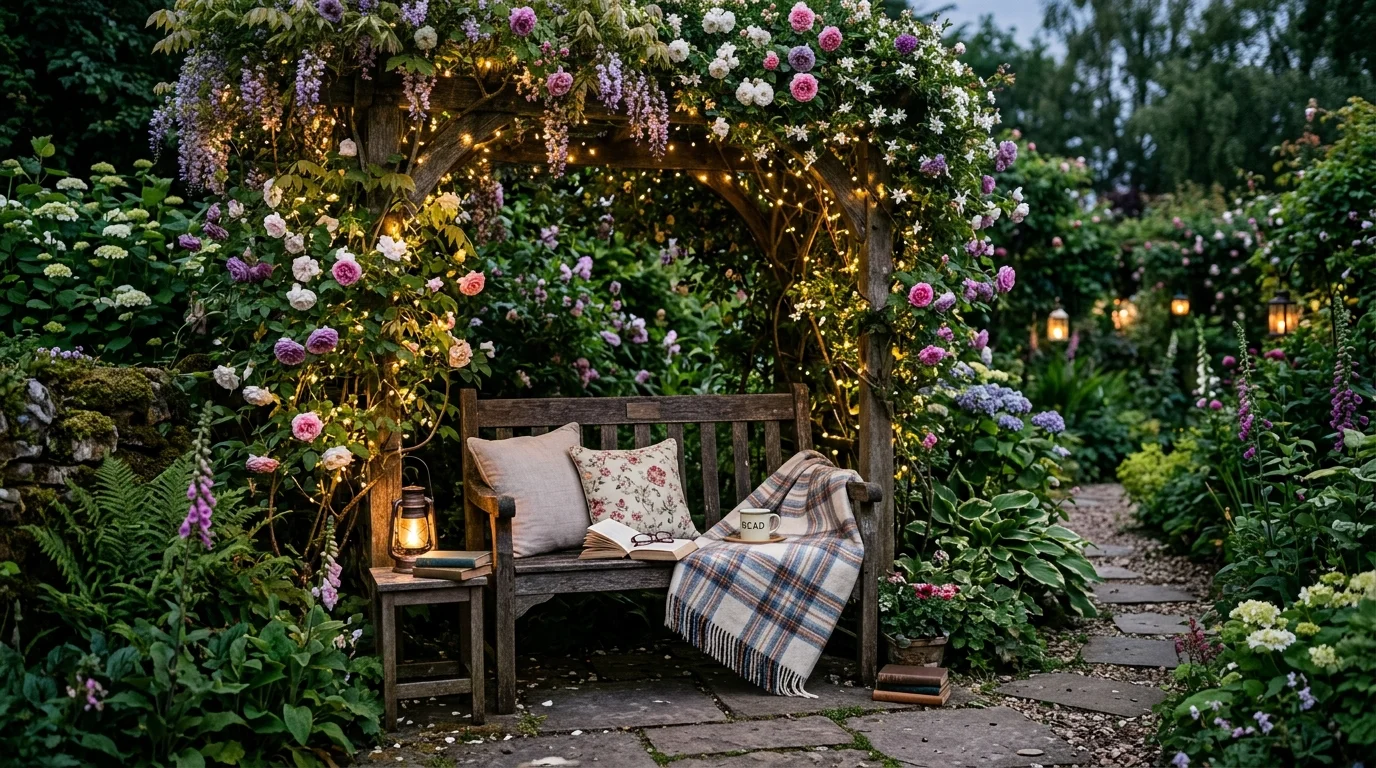
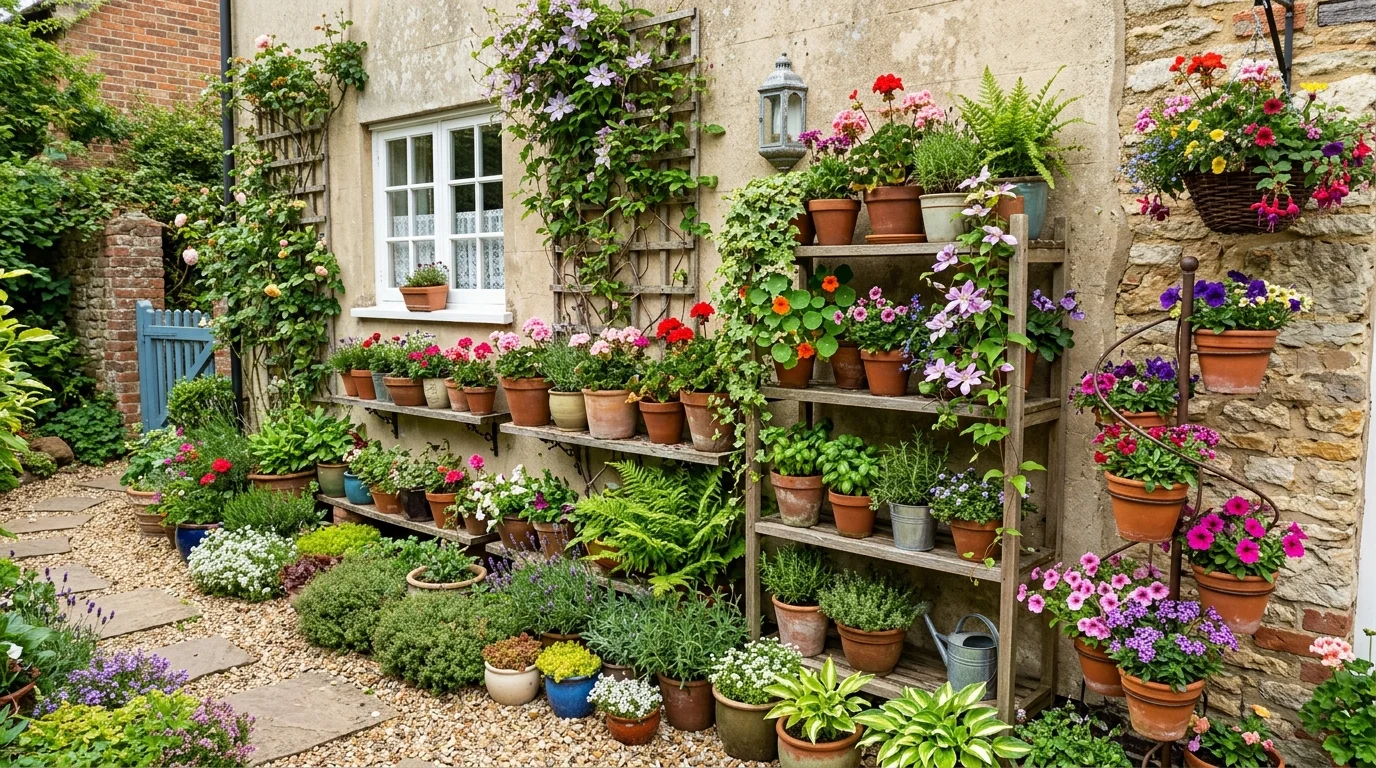
Stretch the View With Lighting so the garden still feels atmospheric and inviting after sunset. A narrow space can look even longer and softer when light is placed in a gentle sequence rather than concentrated in one harsh area. This is especially useful if the garden is visible from indoors in the evening.
Rooted in creativity and guided by style, The Garden Blueprint is your go-to destination for turning houses into warm, welcoming homes one thoughtful detail at a time. Soft lighting works best when it highlights texture, planting, and movement through the space rather than simply adding brightness. That layered glow gives the whole layout more depth.
11. Mix Structure With Softness
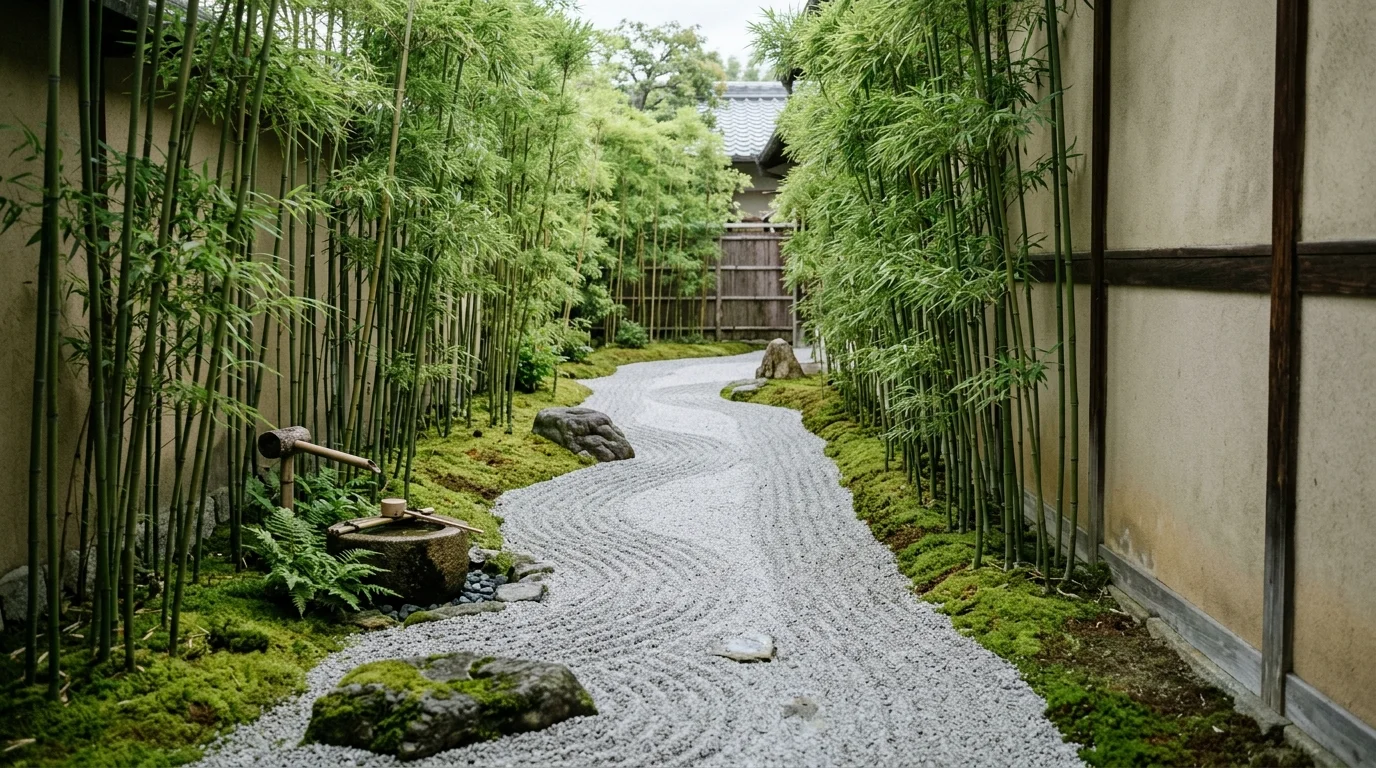
Mix Structure With Softness because narrow gardens often need both control and comfort to feel successful. Crisp edges, screens, or paving can provide order, while planting and natural materials stop the space from feeling severe. The combination creates a layout that feels polished but still welcoming.
Rooted in creativity and guided by style, The Garden Blueprint is your go-to destination for turning houses into warm, welcoming homes one thoughtful detail at a time. Too much structure can make a small garden feel hard, while too much softness can make it feel shapeless. That middle ground is usually where the most beautiful result appears.
12. Hide Storage in Plain Sight
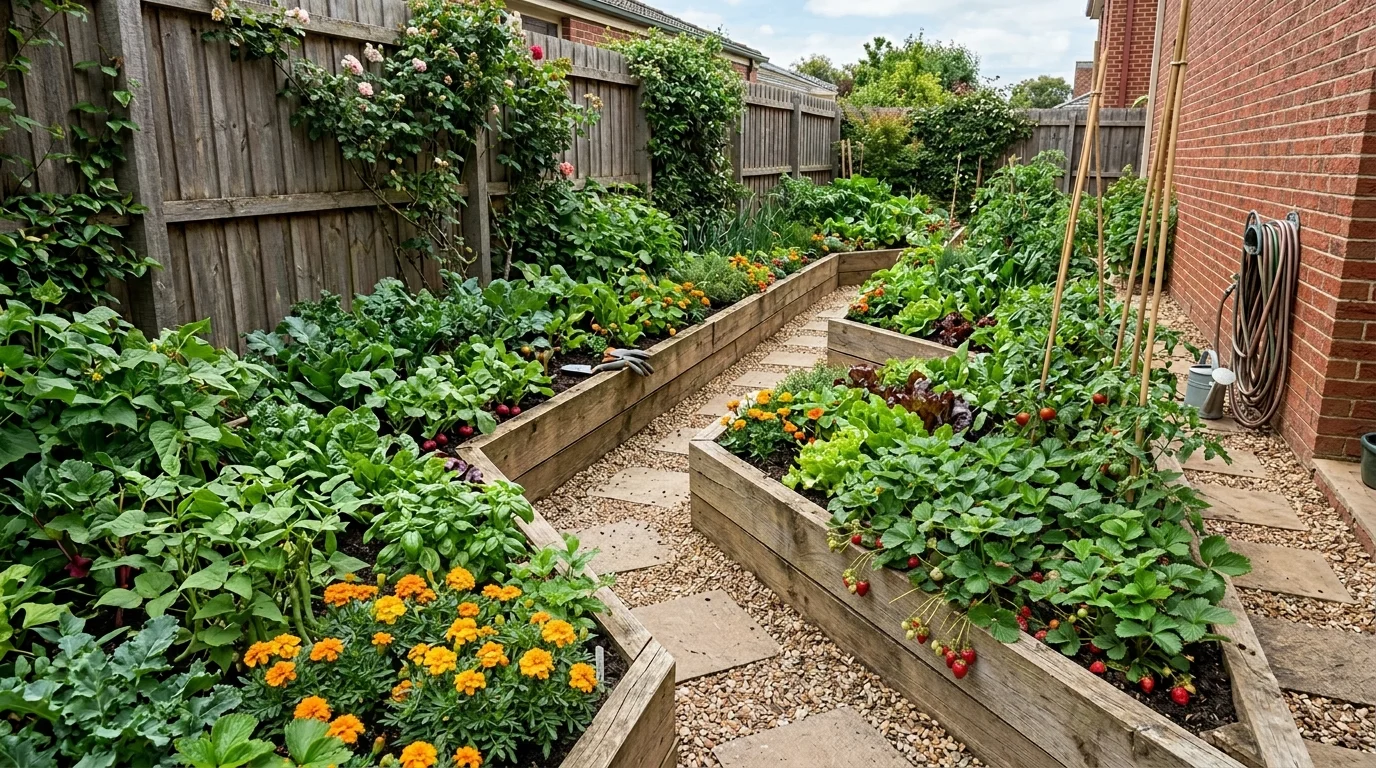
Hide Storage in Plain Sight so practical items do not immediately shrink the visual calm of a small garden. Built-in benches, slim cabinets, or disguised corners can keep tools and extras nearby without breaking the flow of the design. This is especially important in layouts where clutter becomes obvious very quickly.
Rooted in creativity and guided by style, The Garden Blueprint is your go-to destination for turning houses into warm, welcoming homes one thoughtful detail at a time. Discreet storage helps the garden feel cared for and more restful because the useful parts of daily life stay tucked into the design. That quiet organization is a major space-saving advantage.
13. Let the Space Breathe
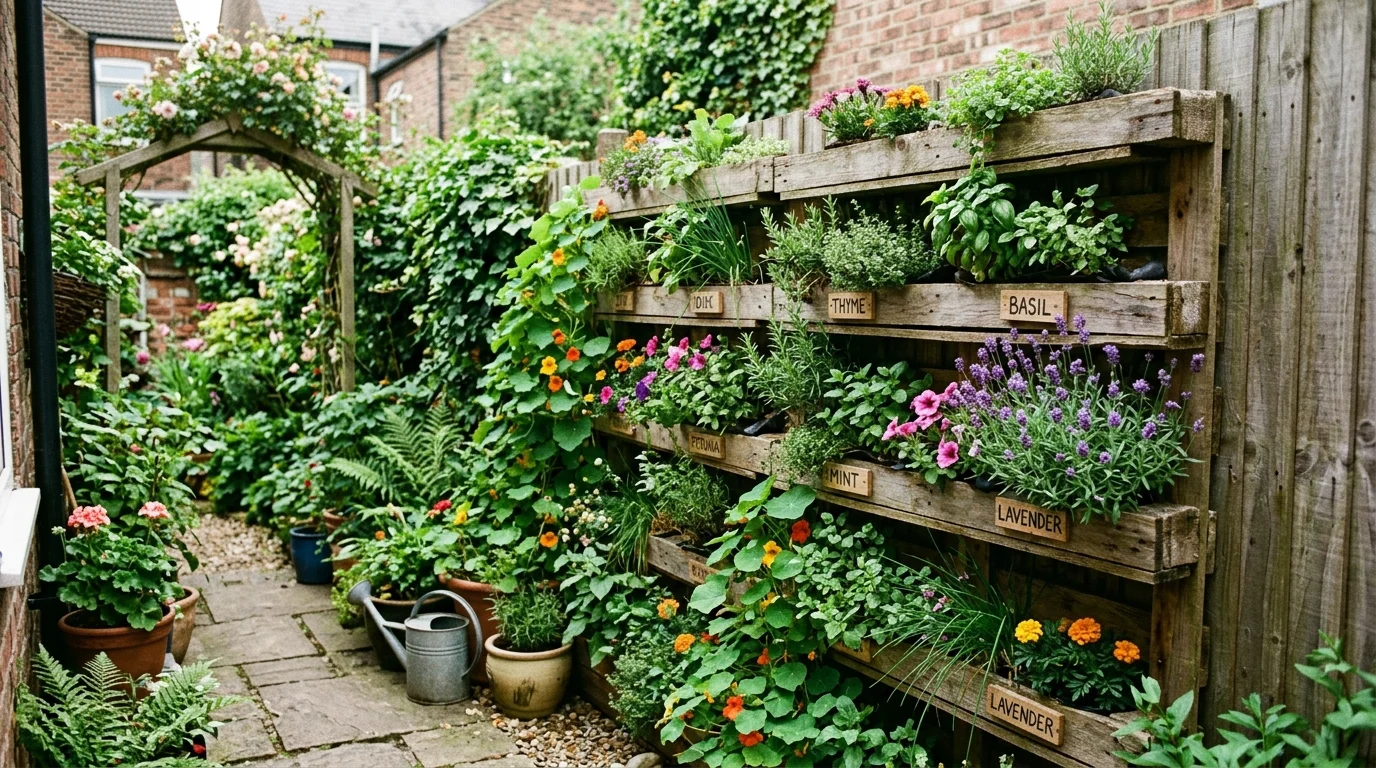
Let the Space Breathe because the best narrow gardens do not try to fill every edge and corner with detail. Open moments, quiet surfaces, and a little restraint can make the whole layout feel more expensive, more comfortable, and much easier to enjoy. Space itself is part of the design.
Rooted in creativity and guided by style, The Garden Blueprint is your go-to destination for turning houses into warm, welcoming homes one thoughtful detail at a time. When a narrow garden is given room to breathe, every planted and built element looks more intentional. That sense of ease is what makes a compact space truly memorable.
Keep Exploring