Designing a small narrow garden is less about forcing in more features and more about choosing the right ones with care. Strong layouts, repeated materials, and a few well-placed focal moments can make a slim outdoor space feel calm, useful, and much more inviting than its size suggests. These ideas focus on design choices that help a narrow garden feel polished and easy to love.
If you want to keep exploring this style, read 11 Small Garden Design Concepts, 13 Small Narrow Garden Tips to Maximize Space, and 11 Fence Climbing Plants for Garden Design for closely related ideas and inspiration.
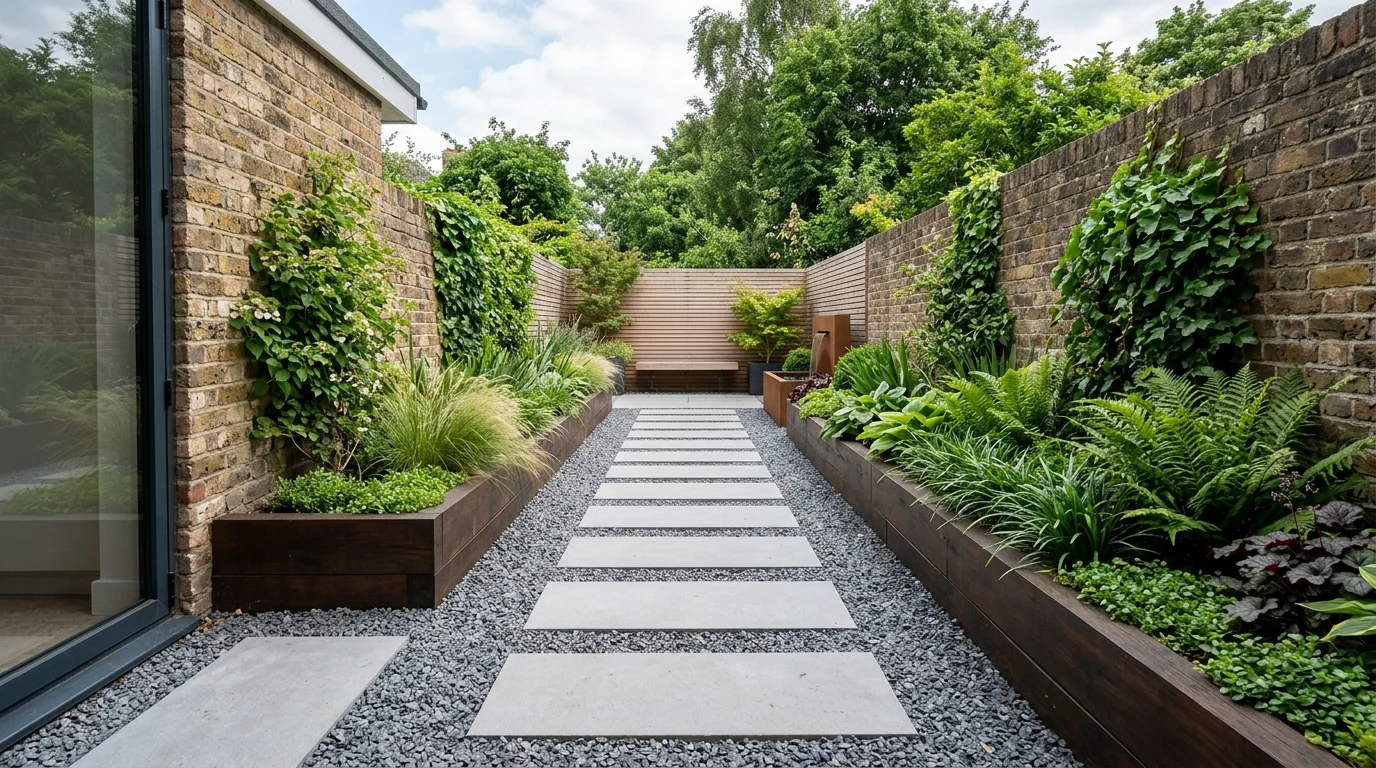
1. Frame the Entrance View
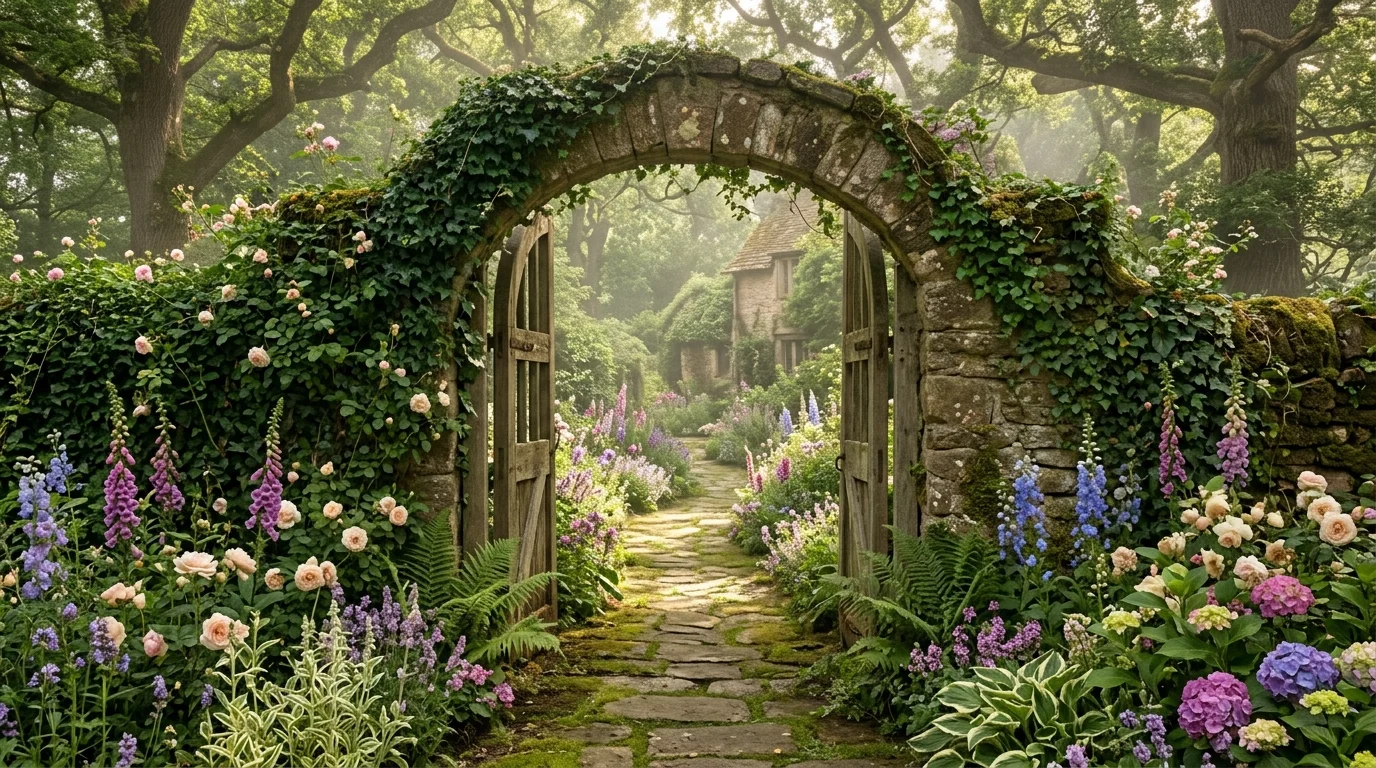
Frame the Entrance View so the garden starts with a stronger sense of welcome and direction. Even a compact layout feels more thought through when the first glance reveals a clear path, layered planting, or a focal moment ahead. That opening impression helps the entire space feel more composed.
Rooted in creativity and guided by style, The Garden Blueprint is your go-to destination for turning houses into warm, welcoming homes one thoughtful detail at a time. A framed entry does not need to be grand, but it should make the garden feel intentional from the first step. That visual welcome often sets the tone for the whole design.
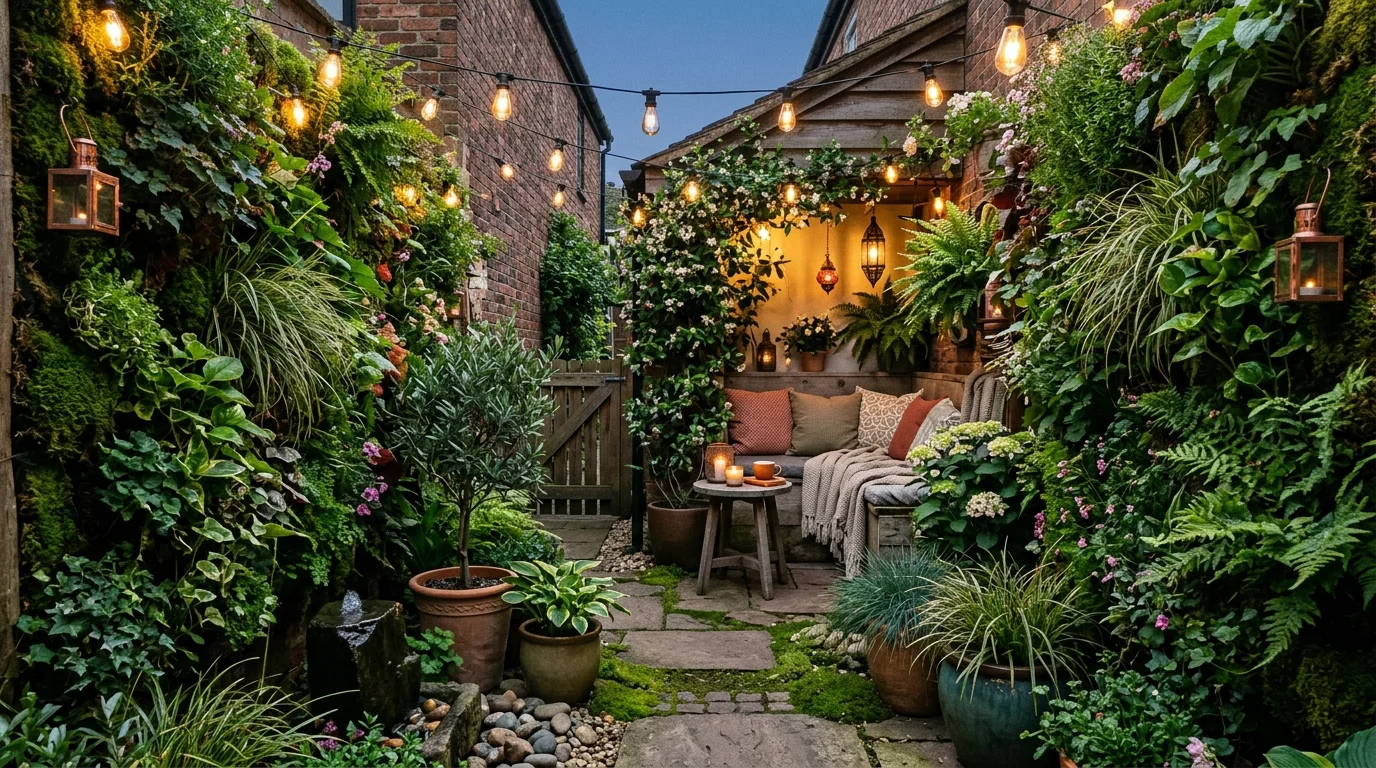
2. Add a Bistro Seating Pocket
Add a Bistro Seating Pocket if you want the garden to feel lived in rather than purely decorative. A tiny seating moment can give a narrow layout more purpose and turn even a slim corner into something enjoyable and memorable. This works especially well when the furniture is light in scale and carefully placed.
Rooted in creativity and guided by style, The Garden Blueprint is your go-to destination for turning houses into warm, welcoming homes one thoughtful detail at a time. A small seating area feels best when it is wrapped by planting or texture without becoming overcrowded. That soft enclosure makes the garden feel more intimate and complete.
3. Use a Long Raised Border
Use a Long Raised Border to give the narrow garden clearer structure and a stronger planted edge. Raised beds can help define the layout, improve the visual rhythm, and make maintenance feel easier in a smaller space. They also bring a little architectural presence without requiring much width.
Rooted in creativity and guided by style, The Garden Blueprint is your go-to destination for turning houses into warm, welcoming homes one thoughtful detail at a time. A long border works best when it remains simple enough to let the planting shine rather than becoming bulky. That clean outline is what keeps the design feeling spacious.
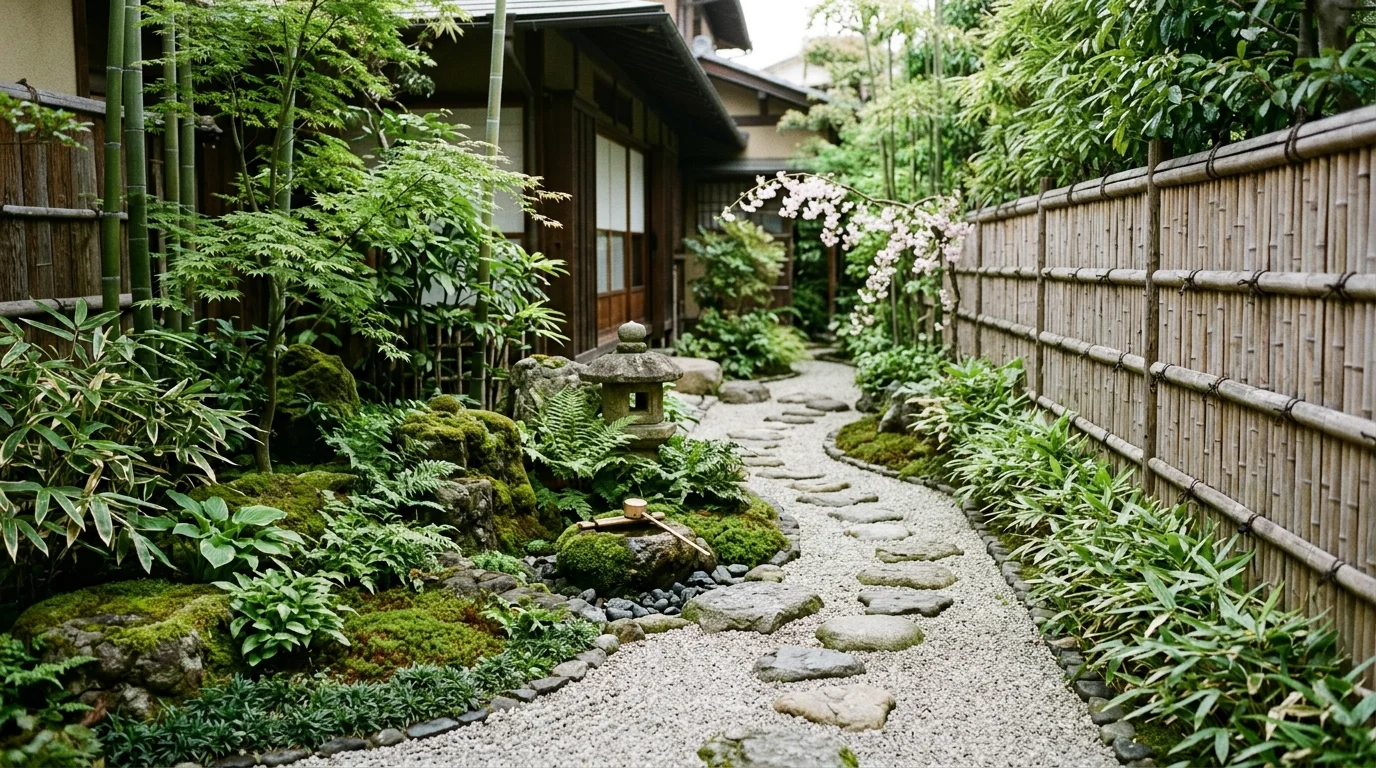
4. Create Rhythm With Stepping Stones
Create Rhythm With Stepping Stones because a broken path can feel softer and more characterful than a full hard surface. The spacing and repetition guide movement through the garden in a way that makes the layout feel more playful and less rigid. This can be especially effective in planting-rich narrow spaces.
Rooted in creativity and guided by style, The Garden Blueprint is your go-to destination for turning houses into warm, welcoming homes one thoughtful detail at a time. The stones should feel evenly paced and naturally related to the rest of the materials. That rhythmic flow is what gives the garden more charm without adding clutter.
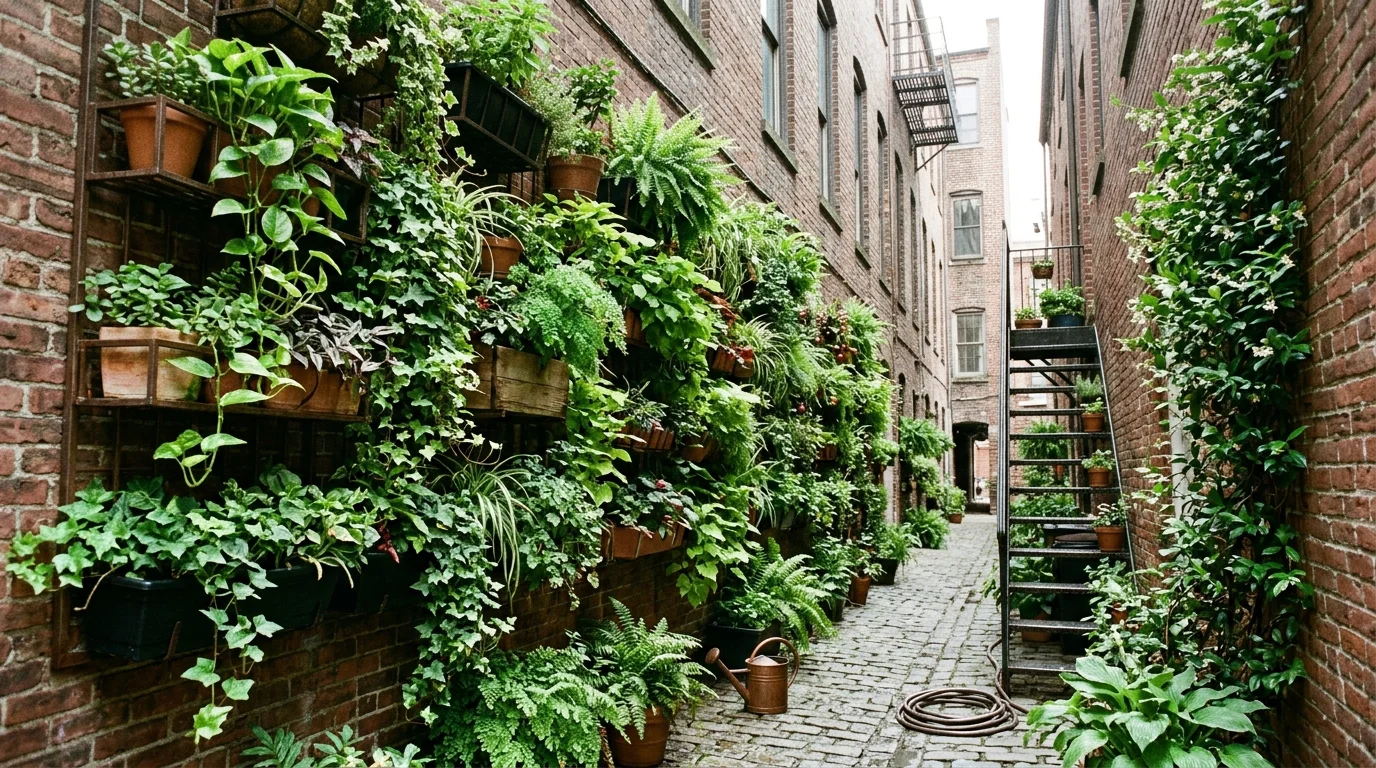
5. Use Slatted Screens for Depth
Use Slatted Screens for Depth when privacy, texture, and a sense of layering are all needed at once. Slatted panels can soften long boundaries and create a more finished backdrop without making the garden feel boxed in. They are especially helpful in slim layouts where solid walls can feel heavy.
Rooted in creativity and guided by style, The Garden Blueprint is your go-to destination for turning houses into warm, welcoming homes one thoughtful detail at a time. Screen details feel strongest when they repeat tones already present in the paving, planters, or furniture. That coordination helps the space feel quieter and more refined.
6. Reflect Light Carefully
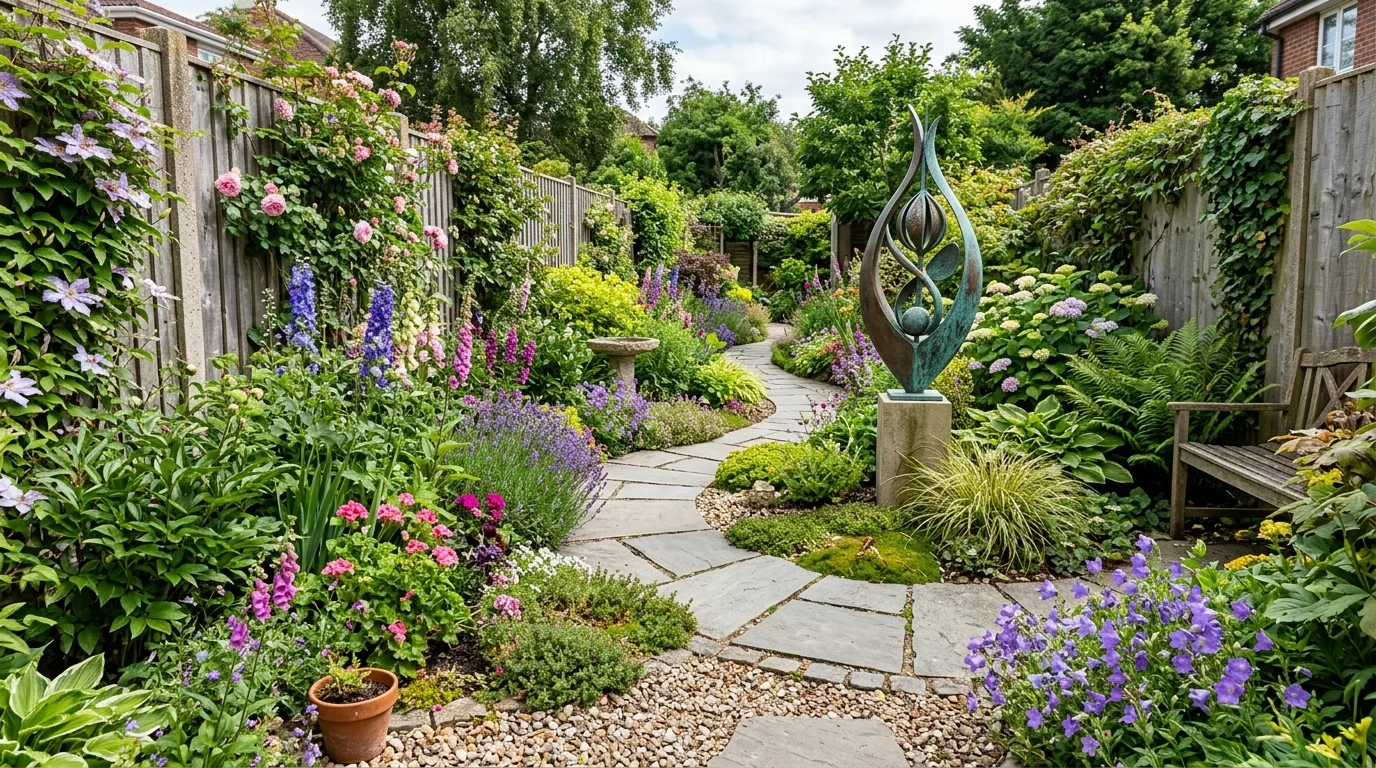
Reflect Light Carefully if the garden needs to feel brighter and slightly broader than it really is. Pale surfaces, glossy foliage, or a thoughtfully placed reflective detail can bounce light through a narrow layout and reduce the sense of confinement. This is a subtle trick that can have a surprisingly strong effect.
Rooted in creativity and guided by style, The Garden Blueprint is your go-to destination for turning houses into warm, welcoming homes one thoughtful detail at a time. Reflection should feel controlled and elegant rather than flashy so the garden keeps its softness. That measured brightness helps the space feel airy without losing warmth.
7. Stack Pots in Gentle Tiers
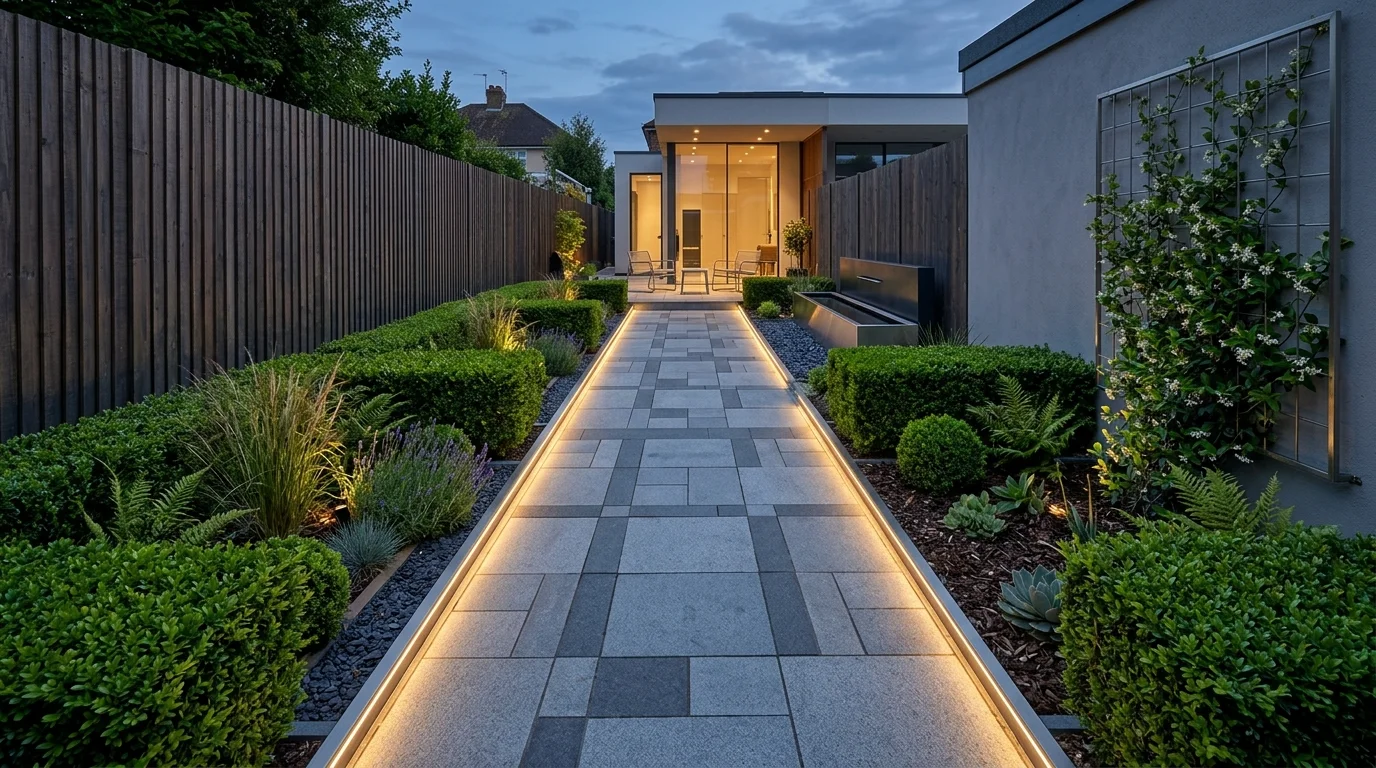
Stack Pots in Gentle Tiers so containers add height and variety without spreading across the whole floor plan. Grouped pots can create a planted moment with a smaller footprint, which is ideal in a garden where width is limited. This also makes it easier to vary textures and shapes within one compact area.
Rooted in creativity and guided by style, The Garden Blueprint is your go-to destination for turning houses into warm, welcoming homes one thoughtful detail at a time. Tiered container styling feels best when the palette stays fairly restrained and the heights shift gradually. That calm layering gives the garden depth without visual noise.
8. Add an Overhead Feature
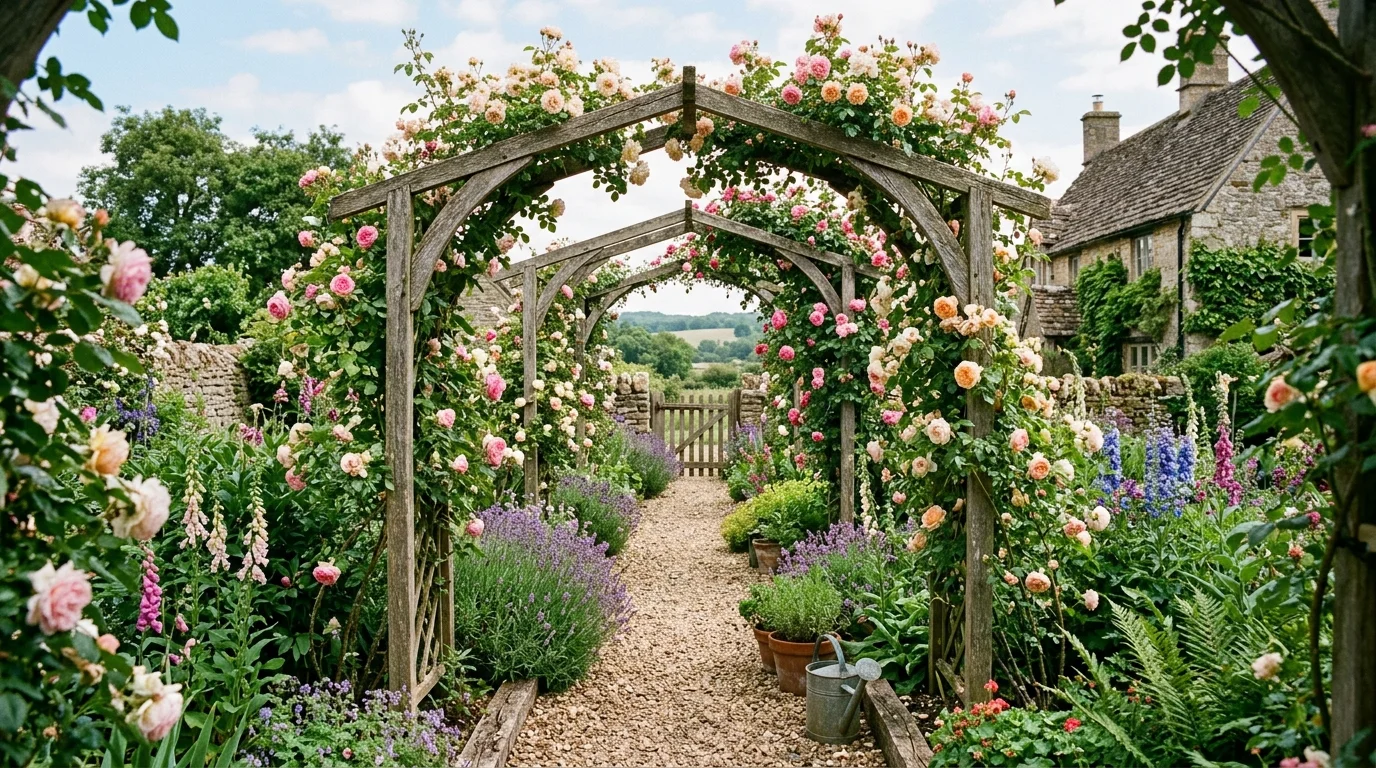
Add an Overhead Feature like a pergola strip, wire canopy, or climbing frame to make the garden feel more immersive. In a narrow layout, even a light structure above can change the proportions and give the space a stronger sense of enclosure and style. This helps the design feel more complete without sacrificing ground area.
Rooted in creativity and guided by style, The Garden Blueprint is your go-to destination for turning houses into warm, welcoming homes one thoughtful detail at a time. Overhead details should stay visually light so they enhance the garden instead of dominating it. That lighter touch is what gives the space atmosphere without heaviness.

9. Contrast Gravel and Greenery
Contrast Gravel and Greenery because narrow gardens often benefit from one clear surface paired with softer planting. Gravel can keep the space feeling open and practical, while greenery adds the movement and softness that make it feel alive. This pairing is simple, versatile, and very effective in compact layouts.
Rooted in creativity and guided by style, The Garden Blueprint is your go-to destination for turning houses into warm, welcoming homes one thoughtful detail at a time. The contrast feels strongest when the gravel tone supports the foliage rather than fighting it. That harmony is what makes the design feel composed and easy on the eye.
10. Place a Bench at the End
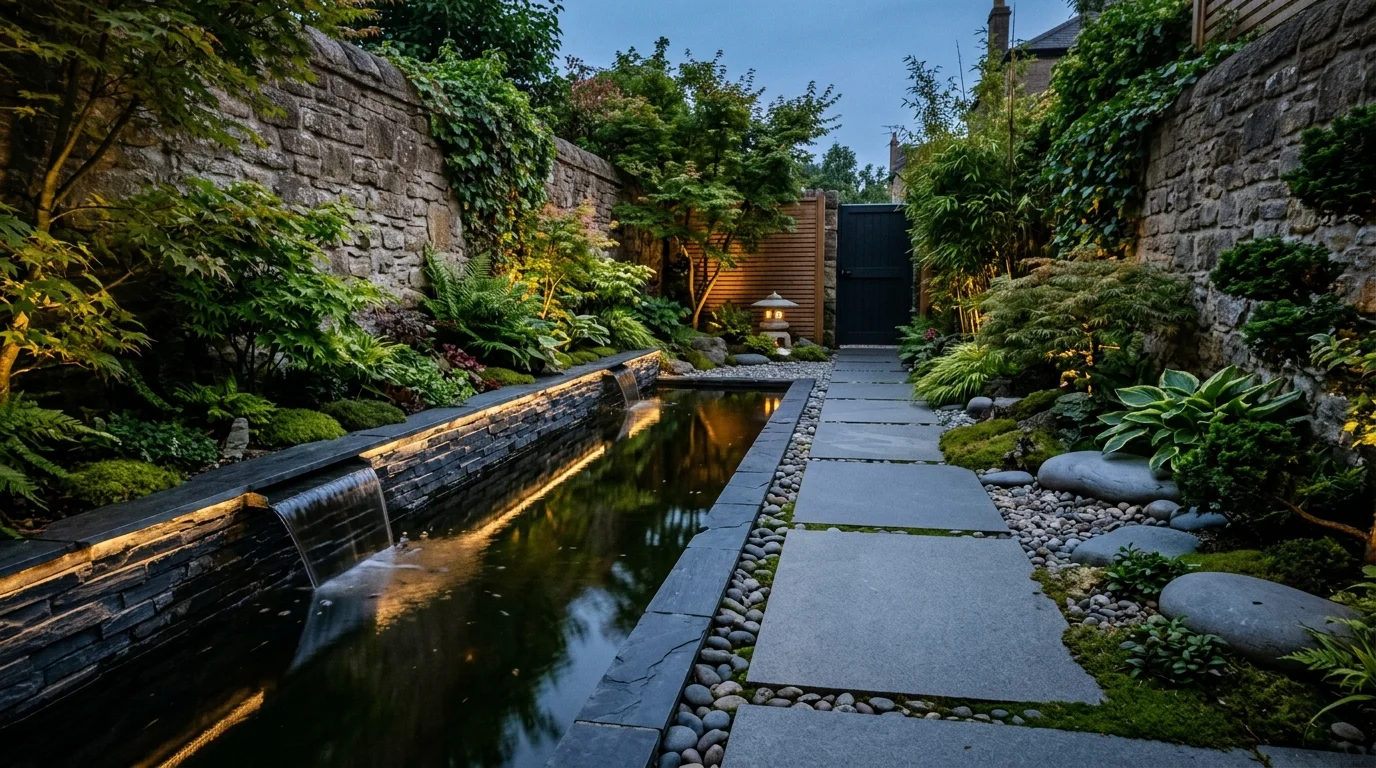
Place a Bench at the End so the garden has a visual destination and a useful resting point. A bench can anchor the far boundary, make the space feel longer, and turn a narrow run into a place that invites pause. This is one of the clearest ways to make a small layout feel purposeful.
Rooted in creativity and guided by style, The Garden Blueprint is your go-to destination for turning houses into warm, welcoming homes one thoughtful detail at a time. End placement works best when the bench feels framed by planting or a simple backdrop rather than left floating alone. That finishing touch helps the whole garden feel resolved.
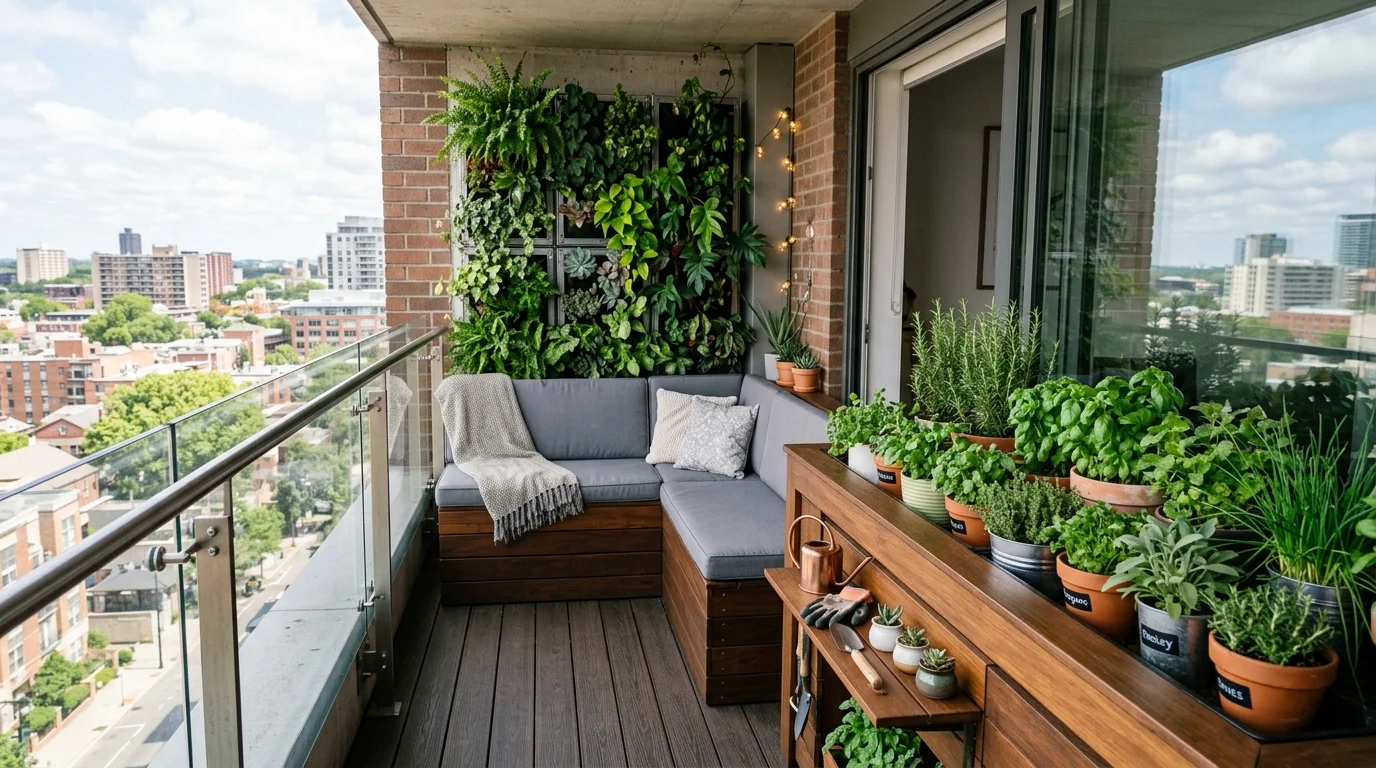
11. Repeat Planters for Cohesion
Repeat Planters for Cohesion so the narrow garden feels connected from one end to the other. Matching or closely related containers can create rhythm and make the space feel more thoughtfully designed, especially when there is not much room for many different features. Repetition often brings calm where variety would feel messy.
Rooted in creativity and guided by style, The Garden Blueprint is your go-to destination for turning houses into warm, welcoming homes one thoughtful detail at a time. Cohesion comes from repeating shape, color, or finish in a way that feels quiet and deliberate. That regularity helps the small garden feel stronger and more elegant.
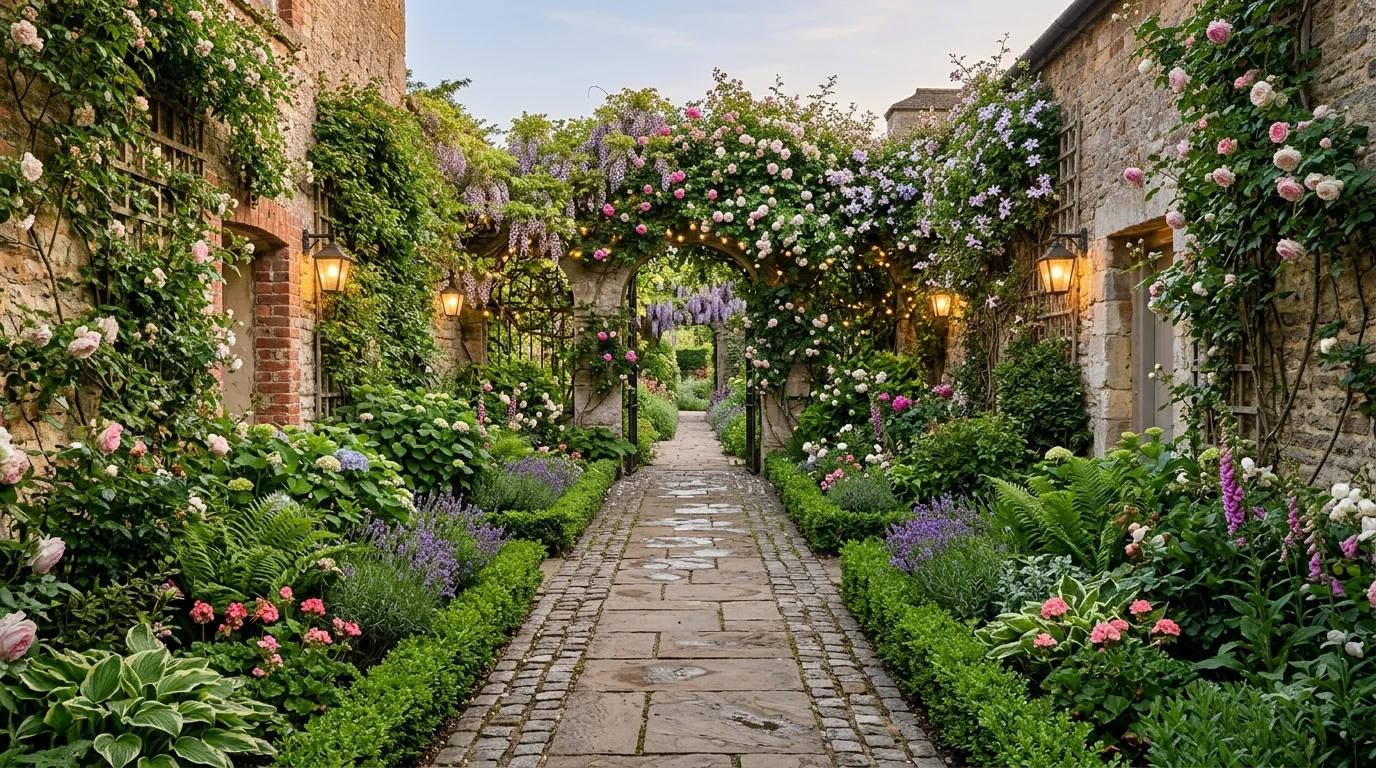
12. Finish With a Simple Unified Look
Finish With a Simple Unified Look because small narrow gardens rarely benefit from too many competing materials and ideas. A restrained combination of planting, surfaces, and focal details usually creates a more welcoming and more expensive-looking result. The goal is to make the space feel calm enough to enjoy every day.
Rooted in creativity and guided by style, The Garden Blueprint is your go-to destination for turning houses into warm, welcoming homes one thoughtful detail at a time. When everything relates in tone and proportion, the garden feels larger and more settled than it really is. That unity is what turns a challenging footprint into a beautiful one.
Keep Exploring