Dry gardening is about shaping a landscape that feels beautiful, resilient, and calm even when water is limited. The best version of this style relies on thoughtful plant choices, strong material contrast, and a layout that suits heat and drought rather than resisting them. These steps focus on building a dry garden that feels intentional, not sparse.
If you want to keep exploring this style, read 12 Easy Landscaping Ideas for Your Front Yard, 13 Ideas for Creating a Tiered Garden, and 15 Small Space Front Yard Landscaping Ideas for closely related ideas and inspiration.
1. Study the Sun and Drainage
Study the Sun and Drainage before you decide on plants or layout because these conditions shape every part of a successful dry garden. Hot areas, reflected heat, and fast-draining spots all influence what will actually thrive with less water. Getting this part right makes every later decision easier and more realistic.
Rooted in creativity and guided by style, The Garden Blueprint is your go-to destination for turning houses into warm, welcoming homes one thoughtful detail at a time. Understanding the site also helps the design feel more tailored and less generic. A dry garden looks strongest when it clearly belongs to its climate and setting.
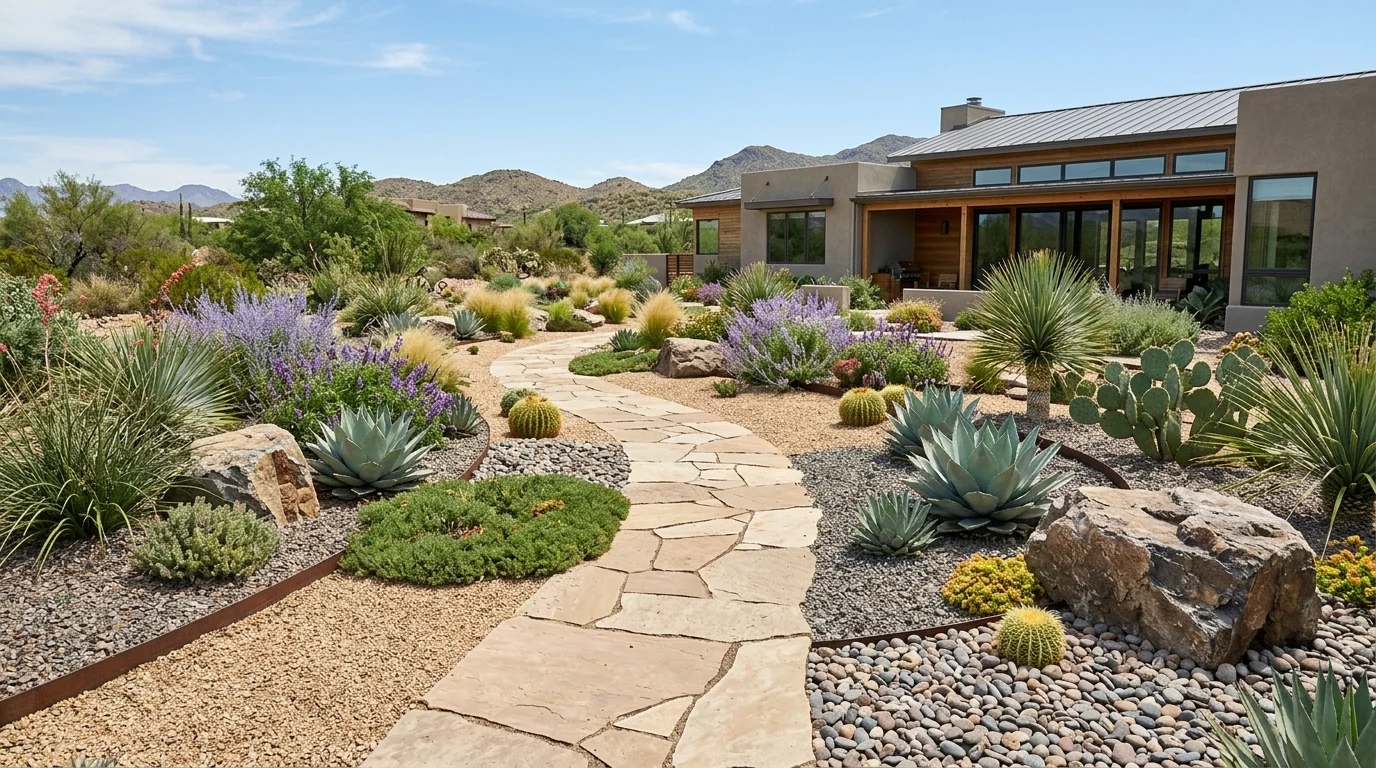
2. Define the Layout Clearly
Define the Layout Clearly so the garden has a sense of order before planting begins. Paths, open gravel areas, focal plants, and structural beds help a dry garden feel deliberate rather than empty. Clear lines also make the space easier to maintain as it settles in.
Rooted in creativity and guided by style, The Garden Blueprint is your go-to destination for turning houses into warm, welcoming homes one thoughtful detail at a time. Strong layout work is what makes dry planting feel elegant instead of accidental. When the structure is right, even sparse planting can look rich and complete.
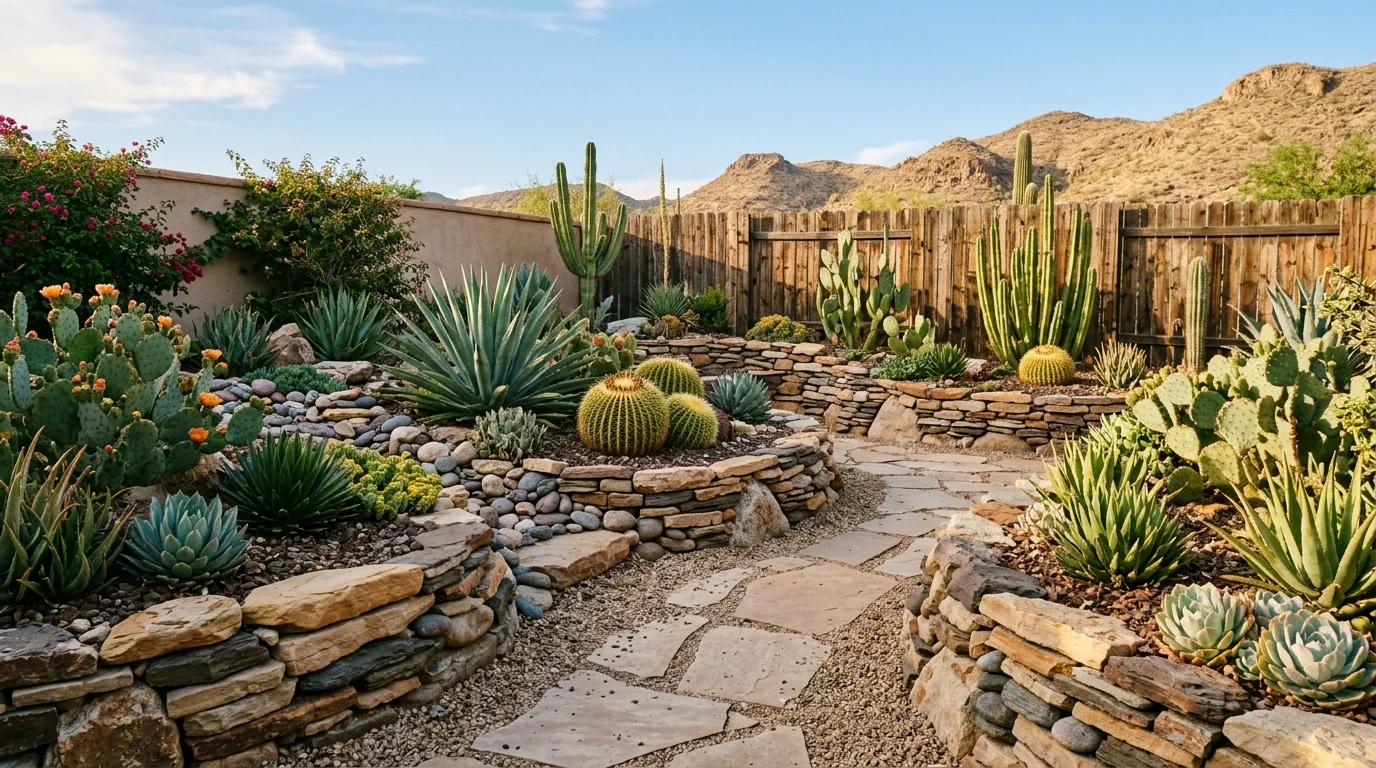
3. Improve the Soil Thoughtfully
Improve the Soil Thoughtfully because dry gardening is not just about withholding water. The right soil balance helps roots establish, prevents unhealthy stagnation, and supports the kinds of drought-tolerant plants you actually want to grow. In many cases, less amendment is better than making the soil overly rich.
Rooted in creativity and guided by style, The Garden Blueprint is your go-to destination for turning houses into warm, welcoming homes one thoughtful detail at a time. Soil preparation should support the design rather than overcomplicate it. A simpler, better-suited foundation makes the whole garden more resilient over time.
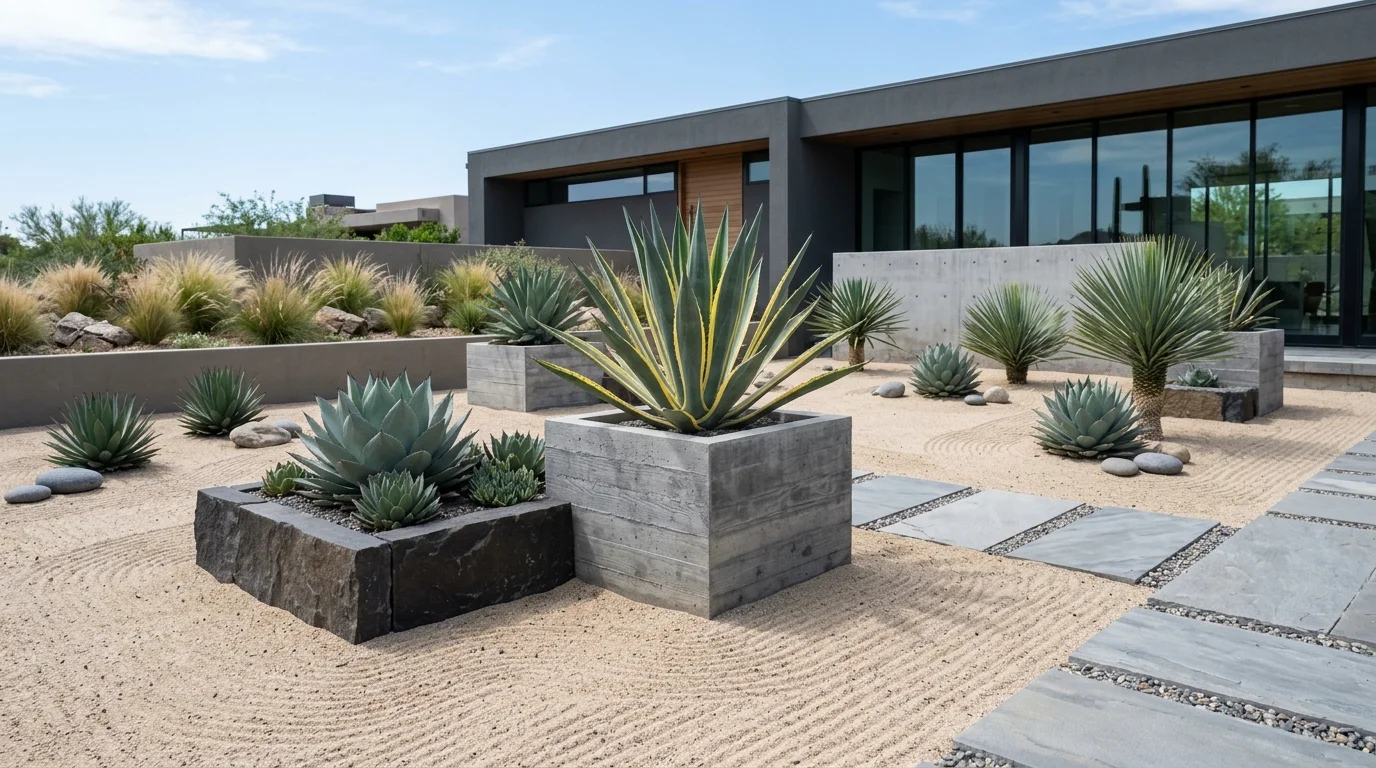
4. Choose Drought-Tolerant Plants
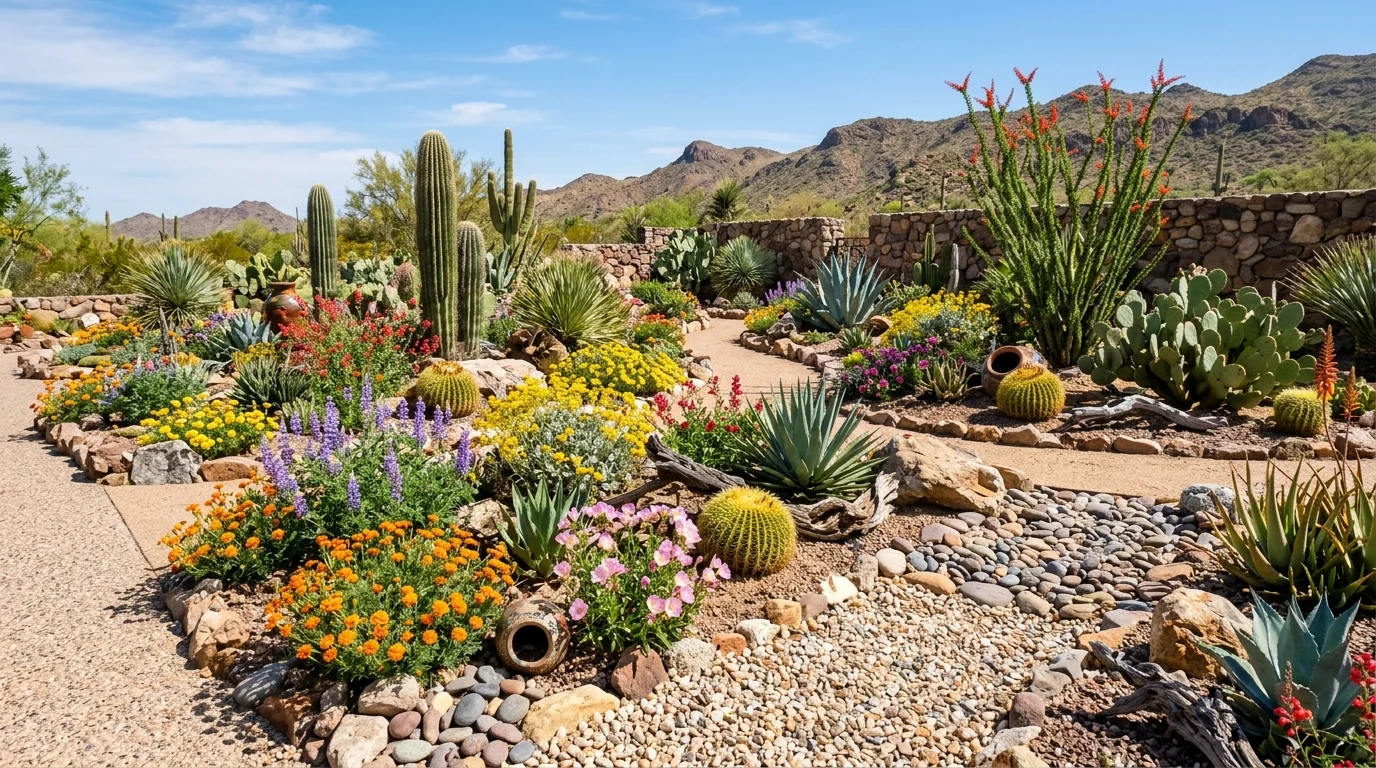
Choose Drought-Tolerant Plants that already suit the style and conditions you are working with instead of forcing thirsty favorites into a dry scheme. Shrubs, grasses, architectural perennials, and Mediterranean herbs often create a richer dry garden than bloom-heavy choices that struggle. Plant selection is where beauty and practicality meet most clearly.
Rooted in creativity and guided by style, The Garden Blueprint is your go-to destination for turning houses into warm, welcoming homes one thoughtful detail at a time. The strongest dry gardens use plants with distinct form, texture, and seasonal character. That layered variation keeps the landscape interesting even without heavy watering.

5. Use Gravel and Stone Well
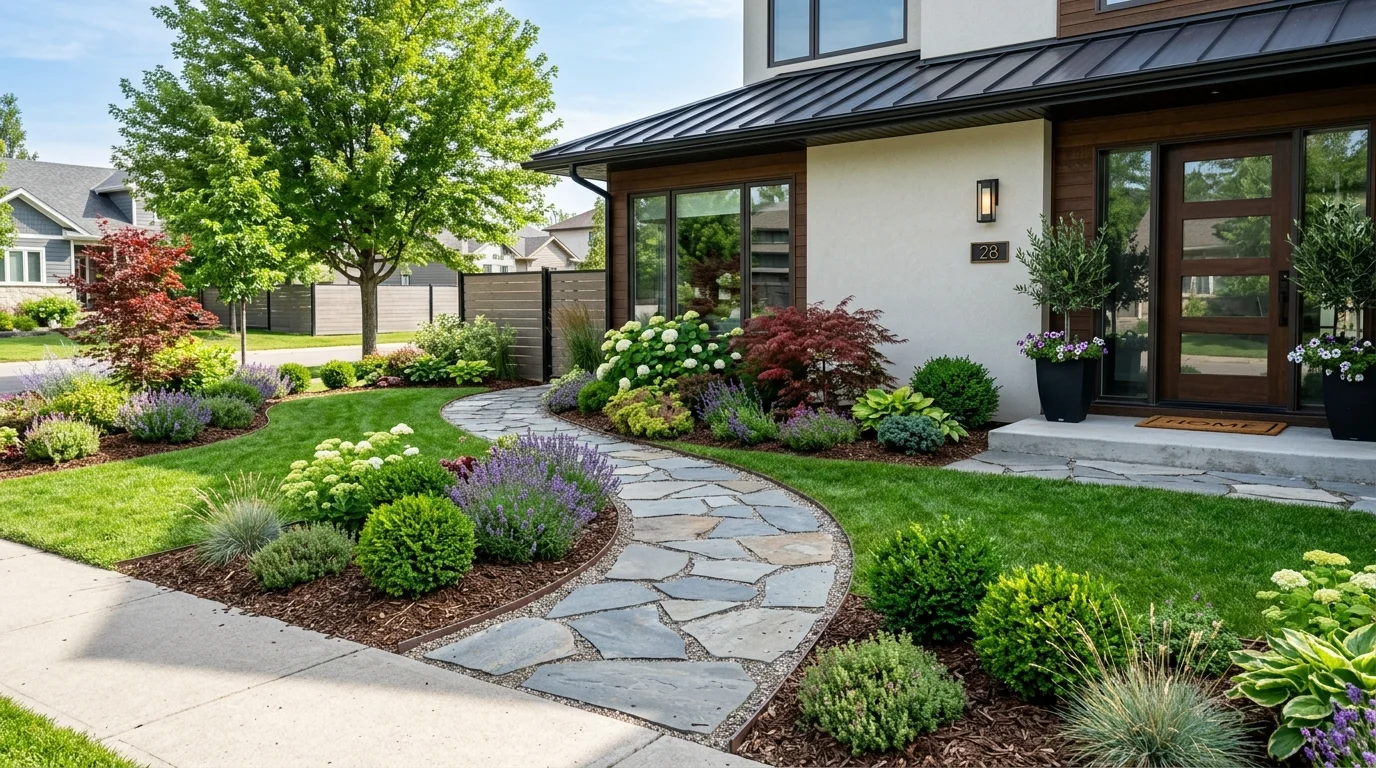
Use Gravel and Stone Well because hard materials often carry as much of the visual design as the planting does in a dry garden. Gravel, decomposed granite, and stone paths can create calm contrast, reduce mud, and support the low-water character of the space. These surfaces also help the planting feel more intentional.
Rooted in creativity and guided by style, The Garden Blueprint is your go-to destination for turning houses into warm, welcoming homes one thoughtful detail at a time. Good material choices make the garden feel composed and settled rather than bare. The right tones and textures are what give a dry layout its warmth and atmosphere.
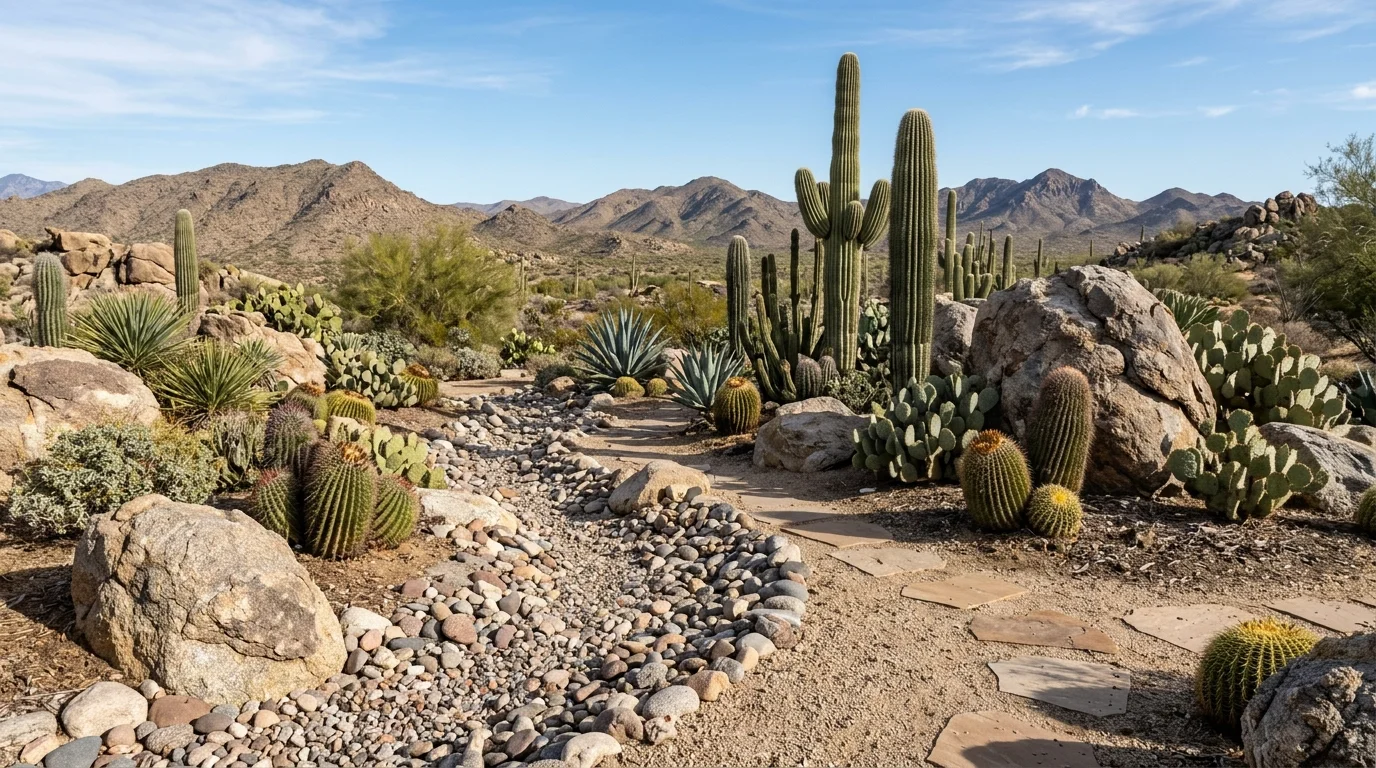
6. Group Plants by Water Needs
Group Plants by Water Needs so the driest areas stay simple and the slightly thirstier plants sit where they can be managed more easily. This reduces waste, simplifies maintenance, and helps each planting zone perform more consistently. It is one of the most practical ways to make dry gardening feel sustainable.
Rooted in creativity and guided by style, The Garden Blueprint is your go-to destination for turning houses into warm, welcoming homes one thoughtful detail at a time. Zoning plants also improves the visual logic of the layout because each area has a clearer identity. That sense of order supports both beauty and long-term care.
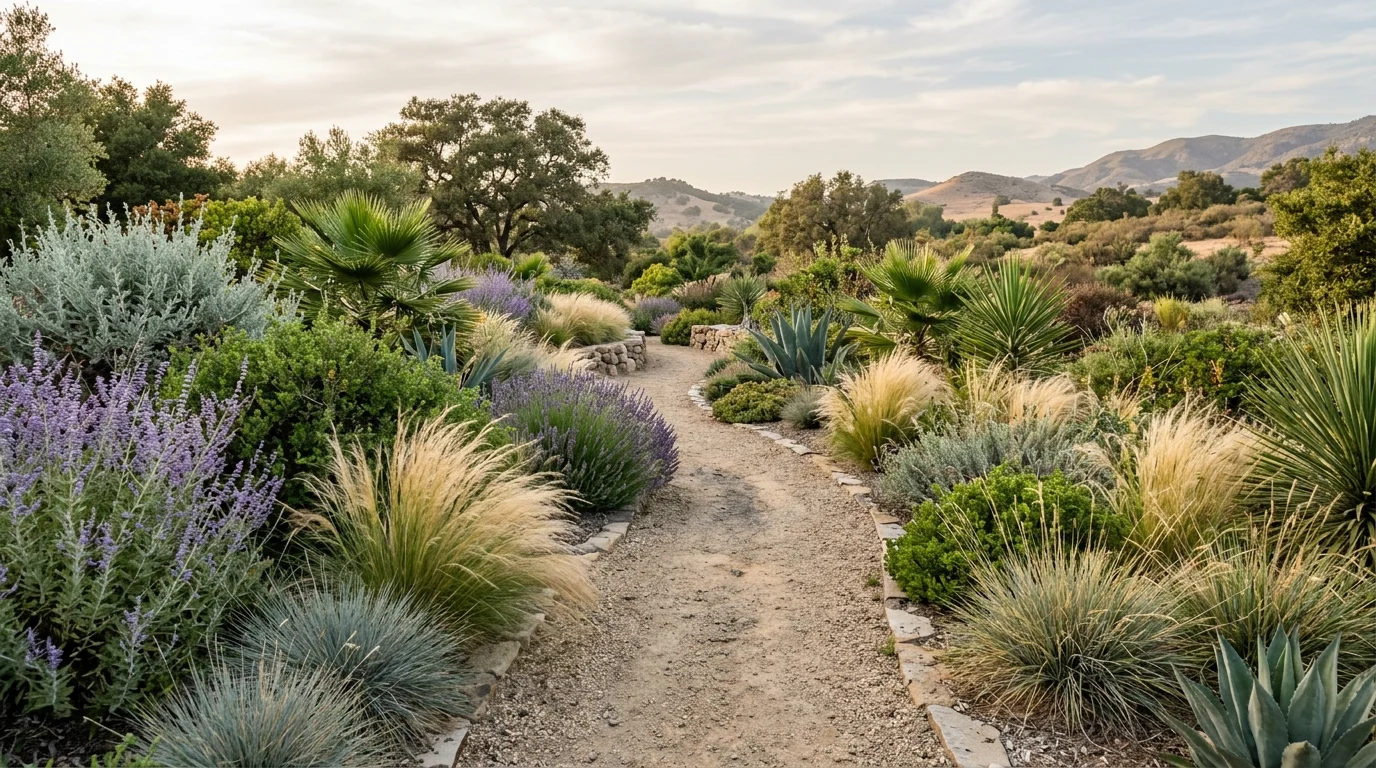
7. Mulch for Moisture Control
Mulch for Moisture Control to reduce evaporation and help young plants establish with less stress. In dry gardens, mulch often becomes part of the visual finish as well as part of the care strategy. A consistent surface can make the planting look cleaner while still doing important practical work.
Rooted in creativity and guided by style, The Garden Blueprint is your go-to destination for turning houses into warm, welcoming homes one thoughtful detail at a time. Good mulch choices help the space feel neat and deliberate instead of unfinished. The result is a garden that reads as calm, considered, and easier to manage.
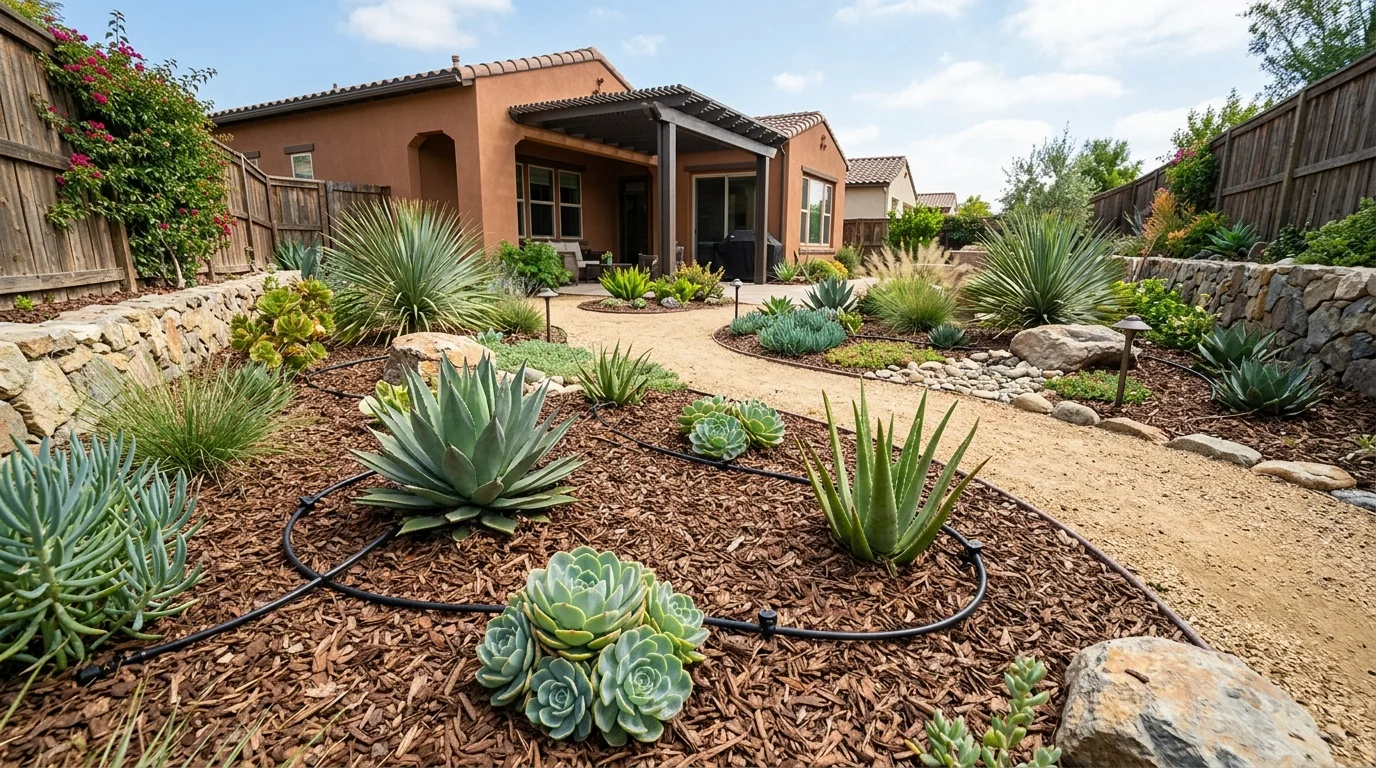
8. Water Deeply During Establishment
Water Deeply During Establishment even in a dry garden because young planting still needs help before it becomes resilient. Occasional deeper watering encourages stronger roots and better long-term performance than shallow, frequent attention. This early investment often determines how well the whole design settles.
Rooted in creativity and guided by style, The Garden Blueprint is your go-to destination for turning houses into warm, welcoming homes one thoughtful detail at a time. A dry garden does not begin by neglecting plants, but by guiding them into a stronger pattern of growth. That more patient approach helps the landscape mature with confidence.
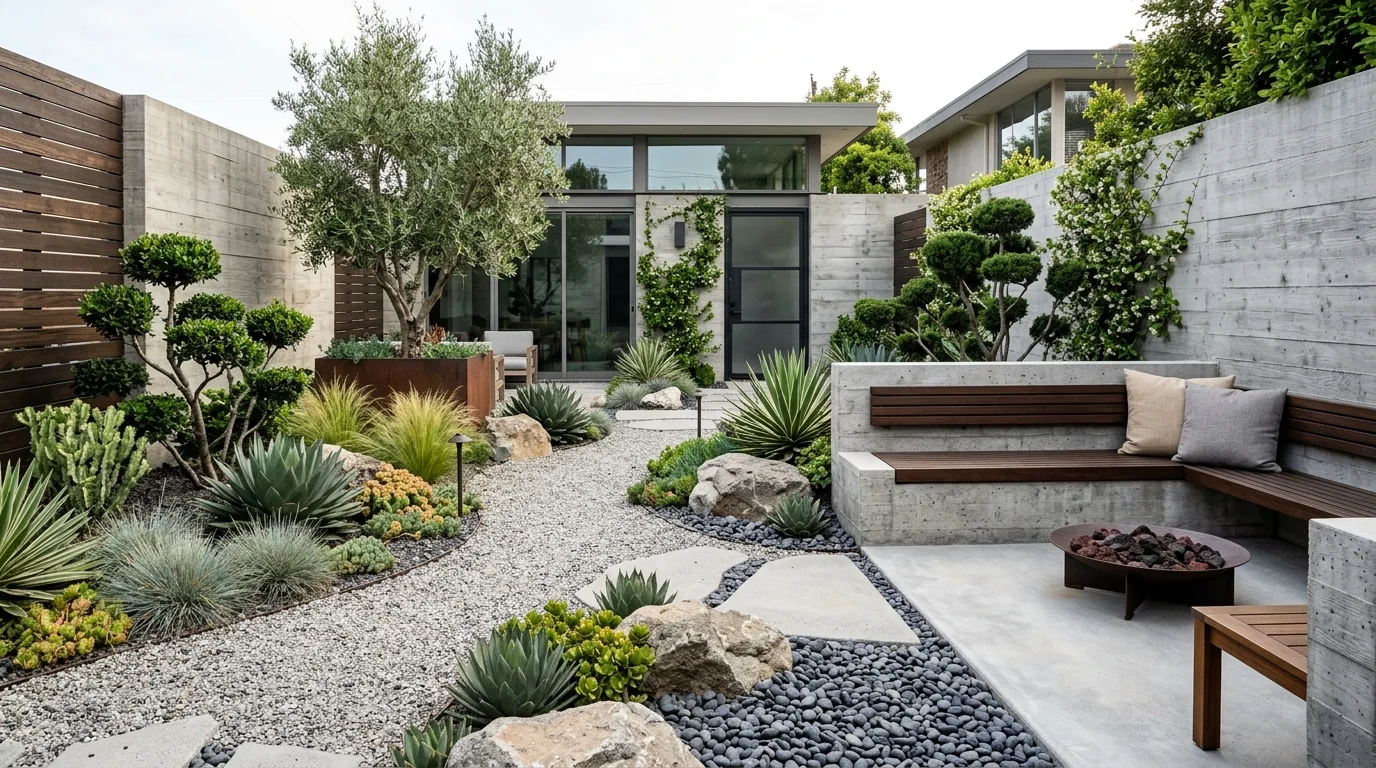
9. Add One Strong Focal Point
Add One Strong Focal Point so the design feels intentional and memorable instead of spread thin across many minor details. A sculptural plant, large pot, boulder, or bench can anchor the dry garden and make the layout feel complete. Focal elements are especially useful when the planting palette stays restrained.
Rooted in creativity and guided by style, The Garden Blueprint is your go-to destination for turning houses into warm, welcoming homes one thoughtful detail at a time. One clear focal move creates confidence in the design and helps the surrounding textures make more sense. That balance between simplicity and emphasis is what gives dry gardens real character.
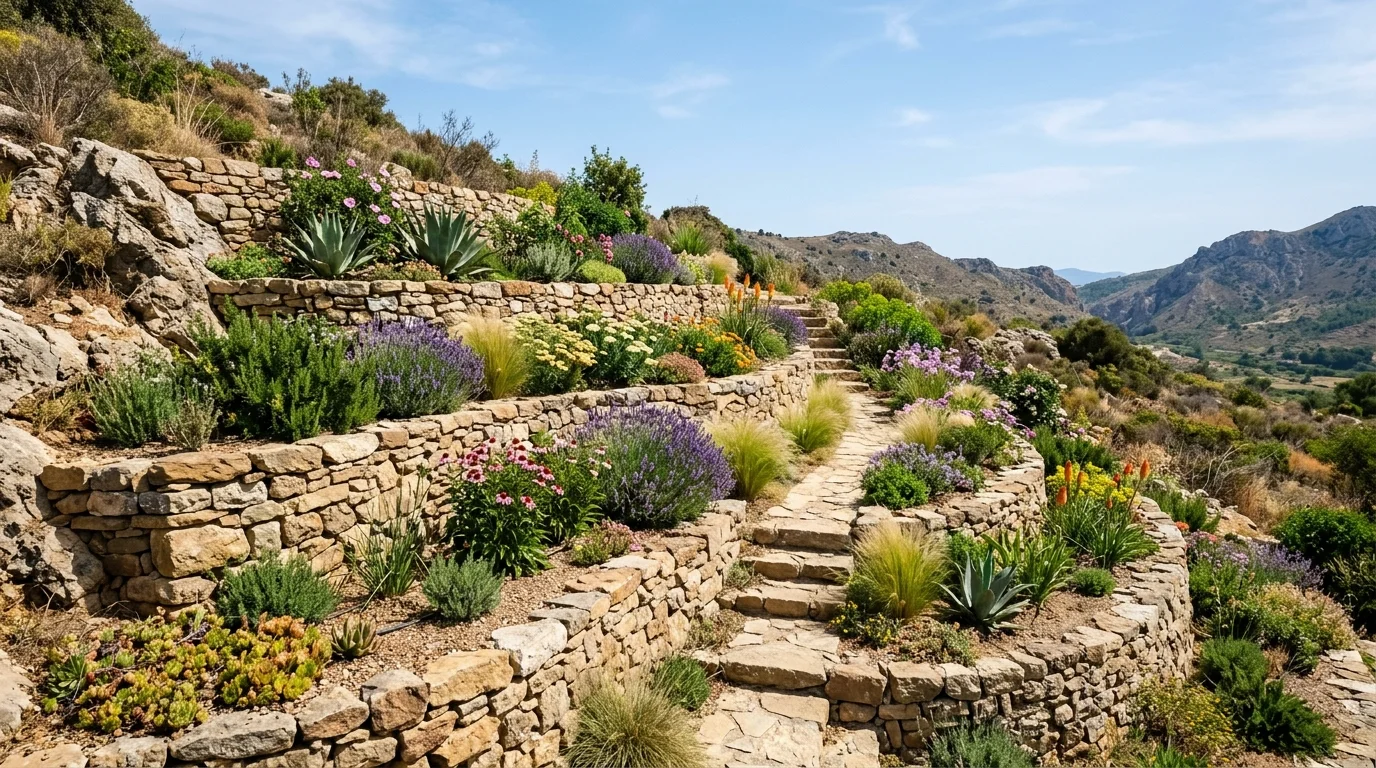
10. Keep Maintenance Light but Regular
Keep Maintenance Light but Regular so the dry garden stays crisp without becoming high effort. Occasional trimming, weeding, and surface care usually do more for the look than constant intervention. Dry gardens often succeed because they stay edited rather than overly managed.
Rooted in creativity and guided by style, The Garden Blueprint is your go-to destination for turning houses into warm, welcoming homes one thoughtful detail at a time. A small but consistent routine protects the clarity of the layout and the health of the planting. That steady care helps the space feel composed in every season.
11. Let the Garden Age Gracefully
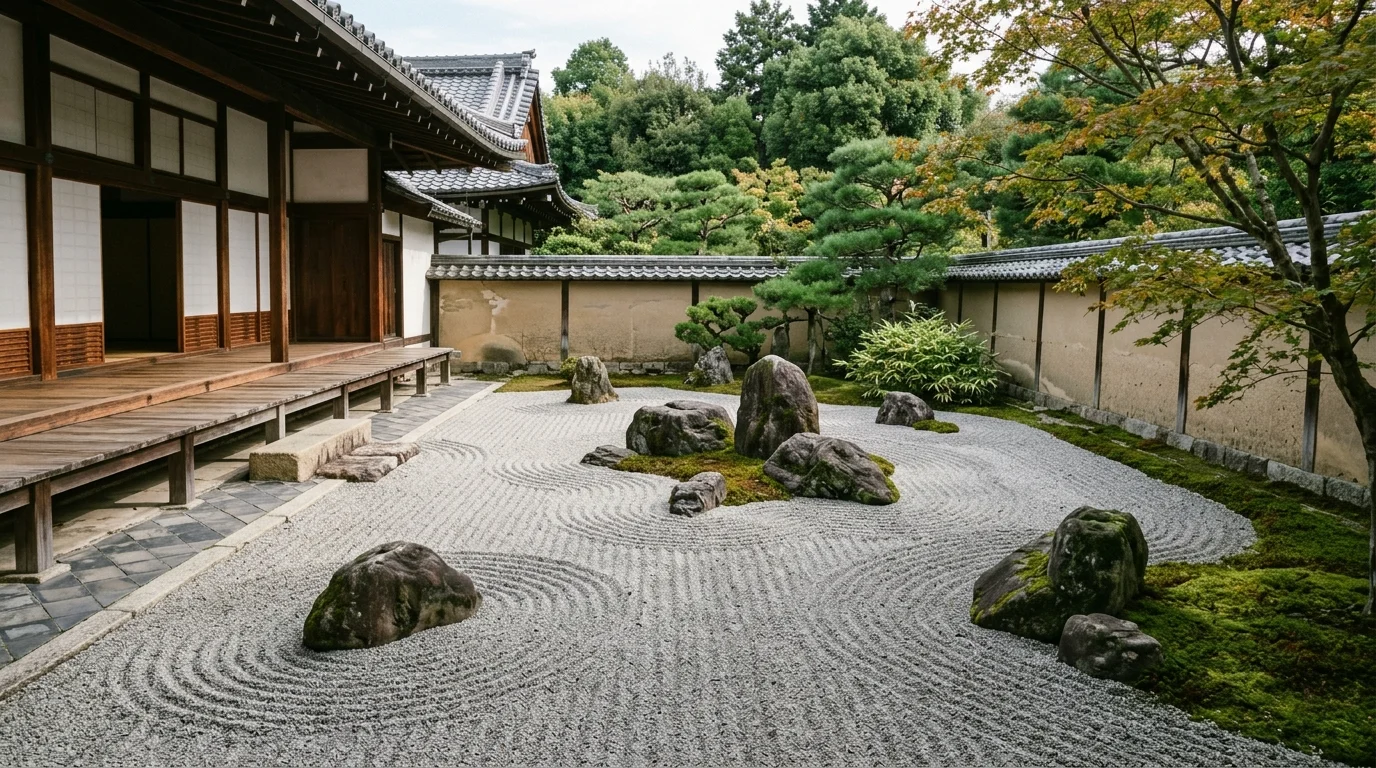
Let the Garden Age Gracefully because dry landscapes often become more beautiful as plants settle and materials weather. The garden should feel less like a one-time decoration and more like a long-term environment that gains character over time. This slower development is part of the appeal.
Rooted in creativity and guided by style, The Garden Blueprint is your go-to destination for turning houses into warm, welcoming homes one thoughtful detail at a time. Dry gardening rewards patience with a look that feels grounded, restful, and authentic. When the design is right, maturity only makes it stronger.
Keep Exploring