A sustainable garden is not just about using fewer resources. It is about designing an outdoor space that feels beautiful, works more intelligently, and gives something back to the environment around it. The most successful sustainable gardens are not bare or overly worthy. They feel alive, useful, layered, and thoughtfully made.
What makes these ideas so appealing is that sustainability often improves the look and function of a garden at the same time. Better watering systems, richer soil, recycled materials, wildlife-friendly planting, and edible zones can all make a space more practical while also making it feel more intentional. These ideas show how eco-conscious choices can transform the entire mood of an outdoor area.
What makes a sustainable garden feel truly well designed
- Resources like water, soil, and materials are used more thoughtfully
- Planting supports wildlife as well as the look of the space
- Garden features are built to last rather than replaced constantly
- The layout balances beauty, function, and low-waste choices
1. Collect rainwater and make watering more efficient
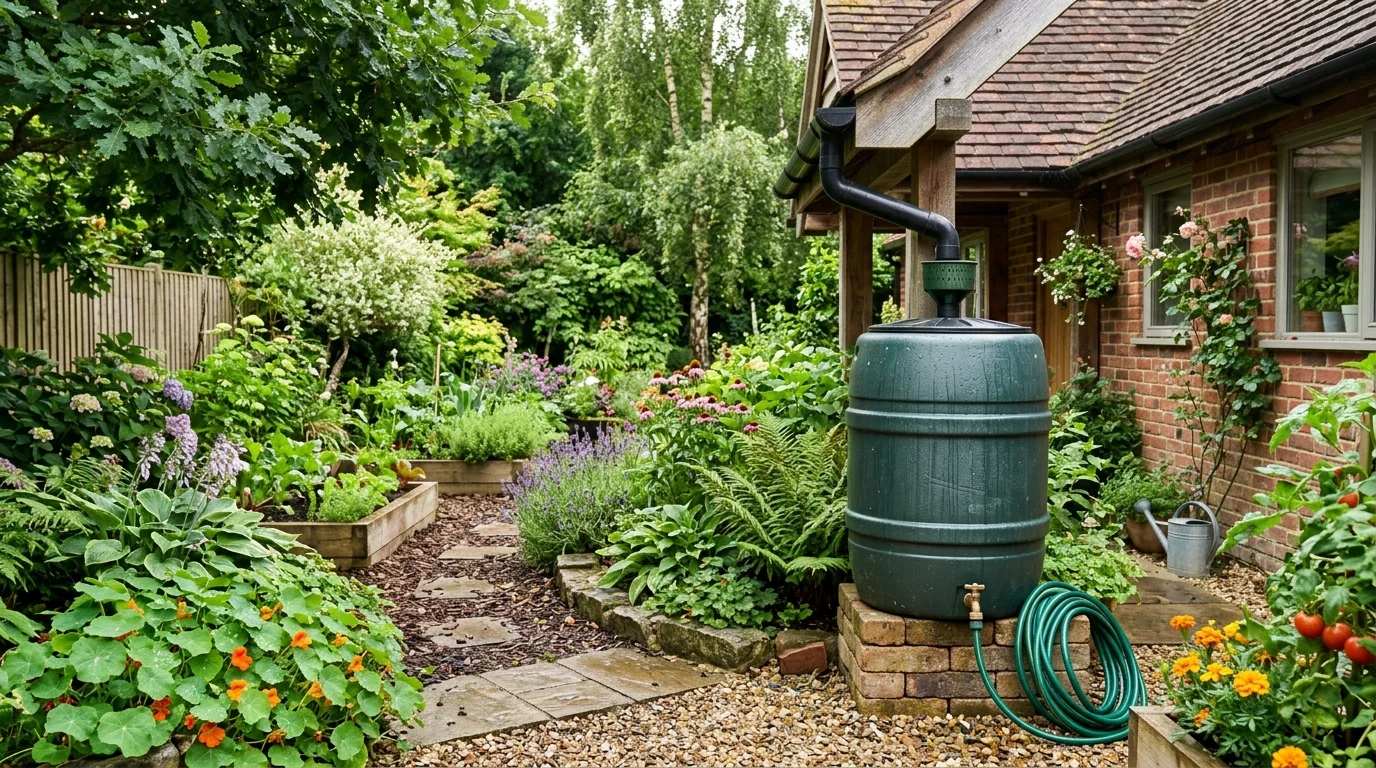
Rainwater harvesting is one of the easiest sustainable changes to make because it is both practical and immediately useful. Instead of relying entirely on mains water, you can collect rainfall and use it for pots, borders, raised beds, and general maintenance around the garden. It is a simple idea that reduces waste and makes the space feel more self-sufficient.
It also pairs well with almost any garden style. Whether the overall look is rustic, modern, or cottage-inspired, a discreet water collection setup can become part of a smarter outdoor routine without disrupting the design.
2. Create a composting corner that supports healthier soil
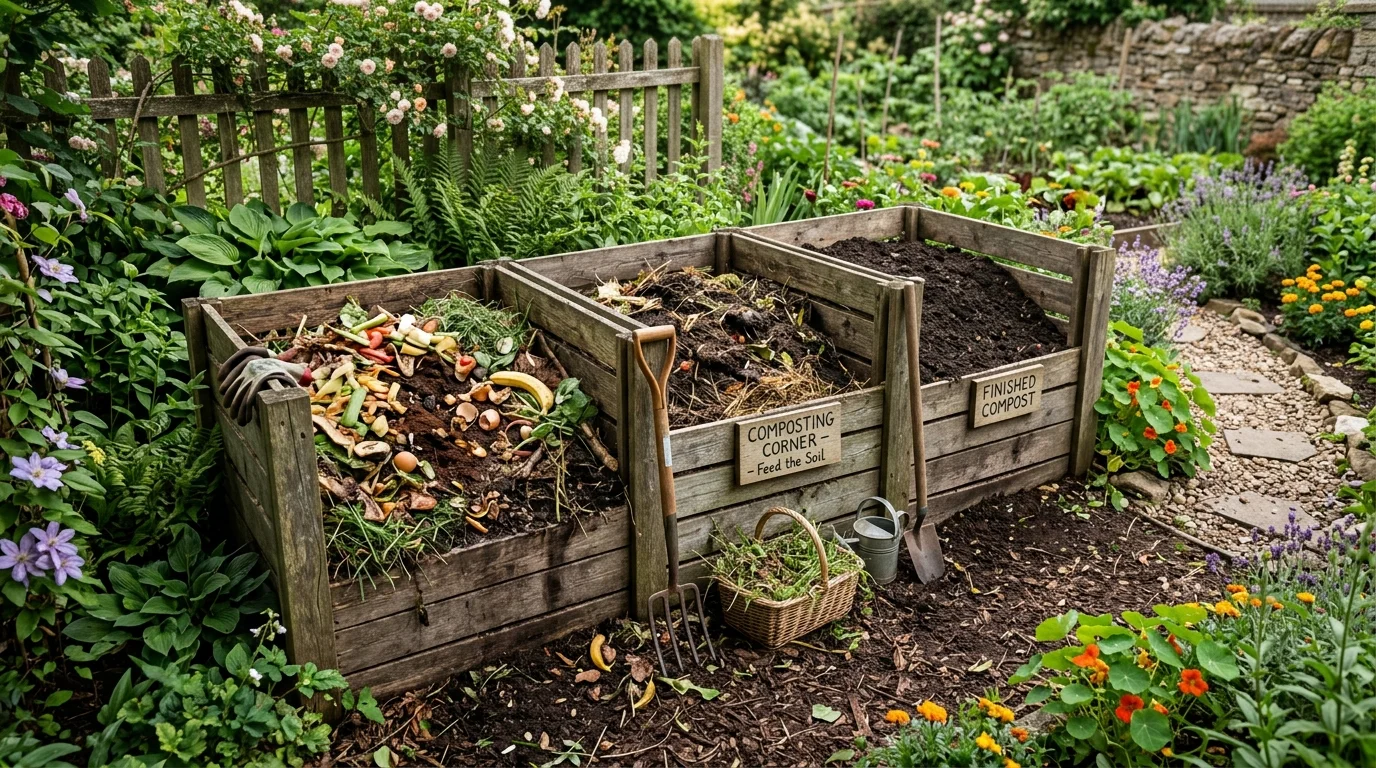
Composting turns garden and kitchen waste into one of the most valuable resources you can use outdoors. A dedicated composting area helps keep waste out of the bin while steadily producing nutrient-rich material that improves soil texture, moisture retention, and overall plant health.
The key is to make the compost zone feel intentional rather than hidden and neglected. When it is placed thoughtfully, even a practical garden corner can still feel tidy and well integrated into the overall layout.
3. Use native plants for beauty with less effort
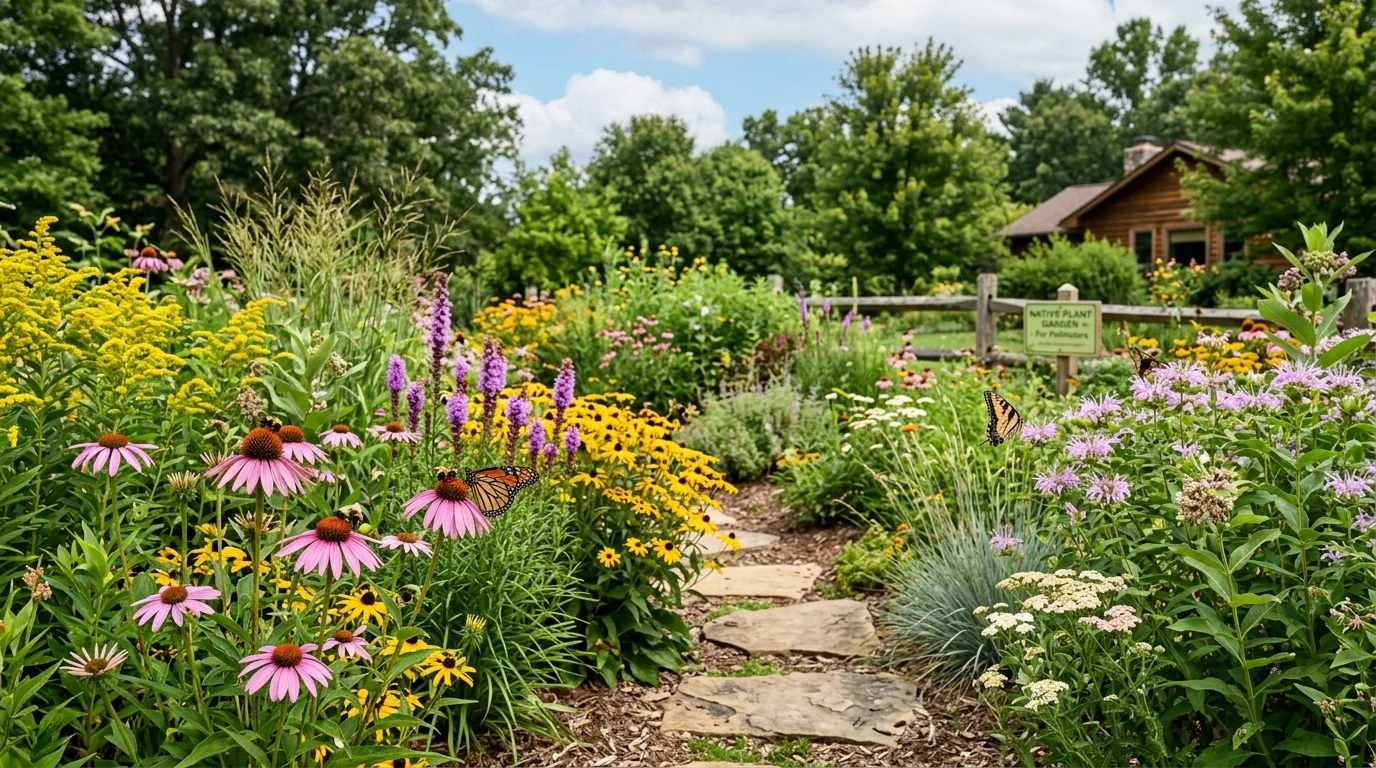
Native plants are often one of the smartest choices in a sustainable garden because they are already suited to local conditions. That usually means less watering, fewer interventions, and stronger resilience through seasonal changes. Just as importantly, they help support birds, bees, and beneficial insects that already belong in the surrounding ecosystem.
Design-wise, native planting does not have to feel wild or messy. It can be structured, elegant, and beautifully layered when repeated thoughtfully.
4. Mulch garden beds to lock in moisture and reduce waste
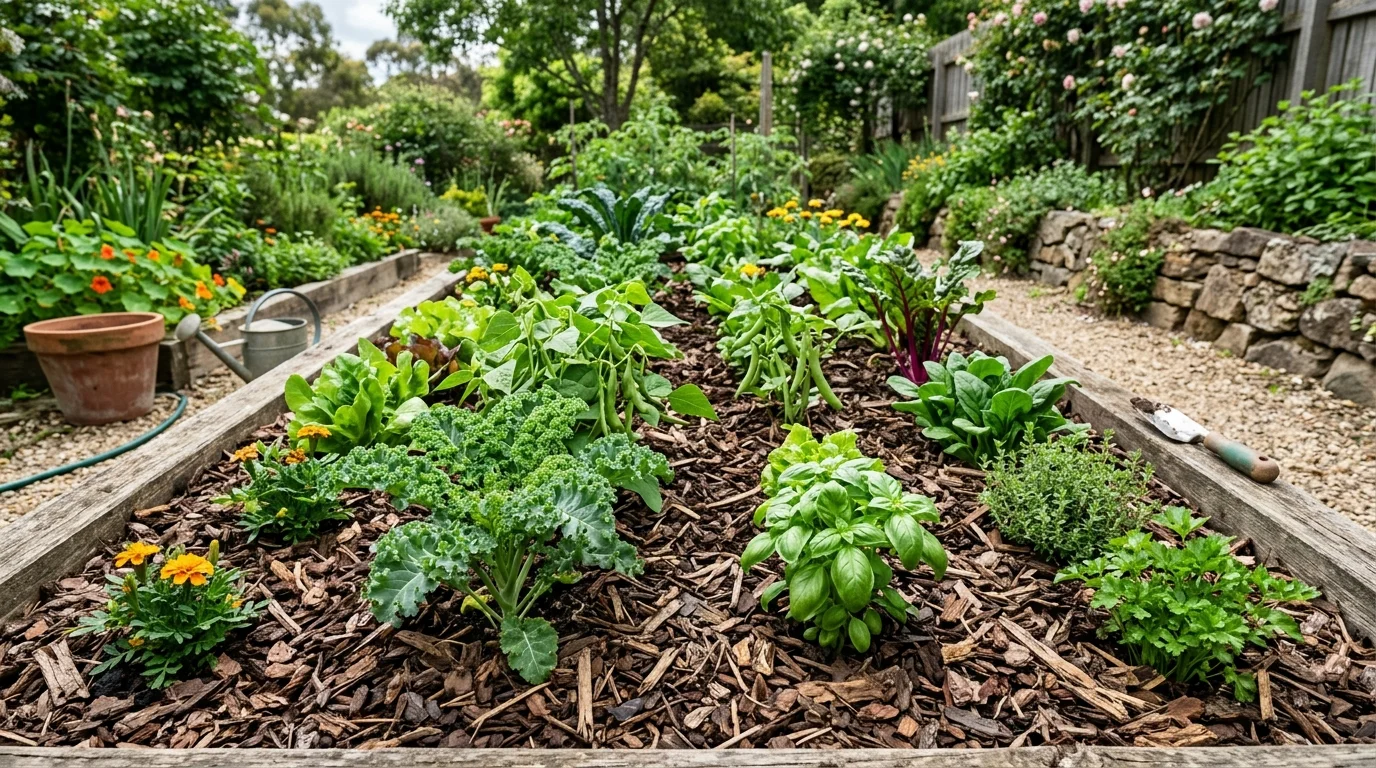
Mulch does quiet but powerful work in the garden. It helps suppress weeds, slows evaporation, protects the soil surface, and gradually improves the ground as it breaks down. In practical terms, that means less watering, less weeding, and healthier planting beds over time.
It also improves how the garden looks. Freshly mulched beds instantly feel tidier and more finished, which is why this sustainable step is also such a strong visual upgrade.
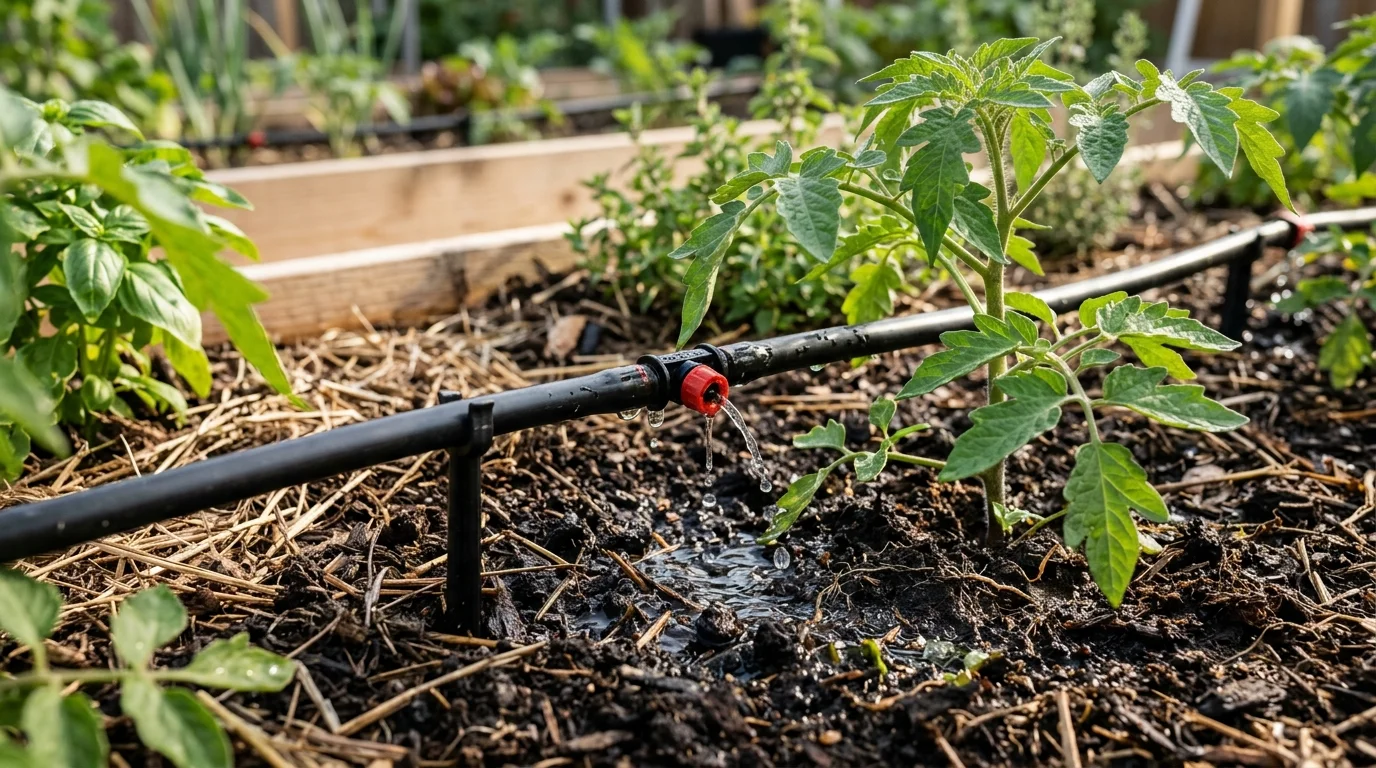
5. Install drip irrigation to water smarter
Drip irrigation is one of the most effective ways to reduce wasted water in the garden. Instead of spraying large areas broadly, it delivers moisture closer to the roots where plants actually need it. That makes it especially useful for borders, vegetable gardens, and spaces where efficient watering matters.
It is also a smart long-term choice for busy gardeners. Once installed properly, it helps the garden stay more consistent with far less effort.
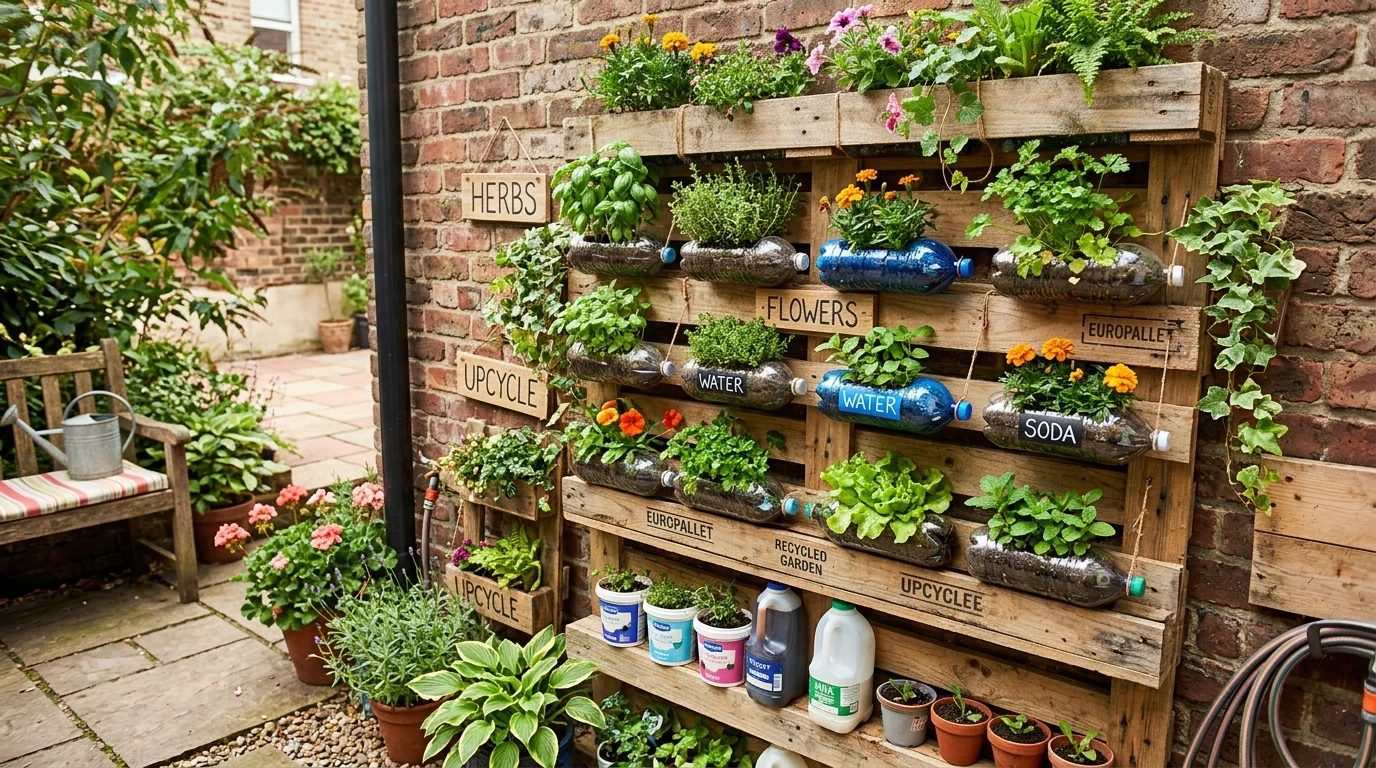
6. Build vertical gardens from reused materials
Reused timber, old crates, salvaged containers, and other repurposed materials can become surprisingly attractive vertical garden features. This approach reduces waste while also making better use of walls, fences, and compact areas where floor space is limited.
The result can feel creative rather than improvised when the materials are arranged with care. A recycled vertical garden often adds texture, character, and a clear sense of personality to the space.
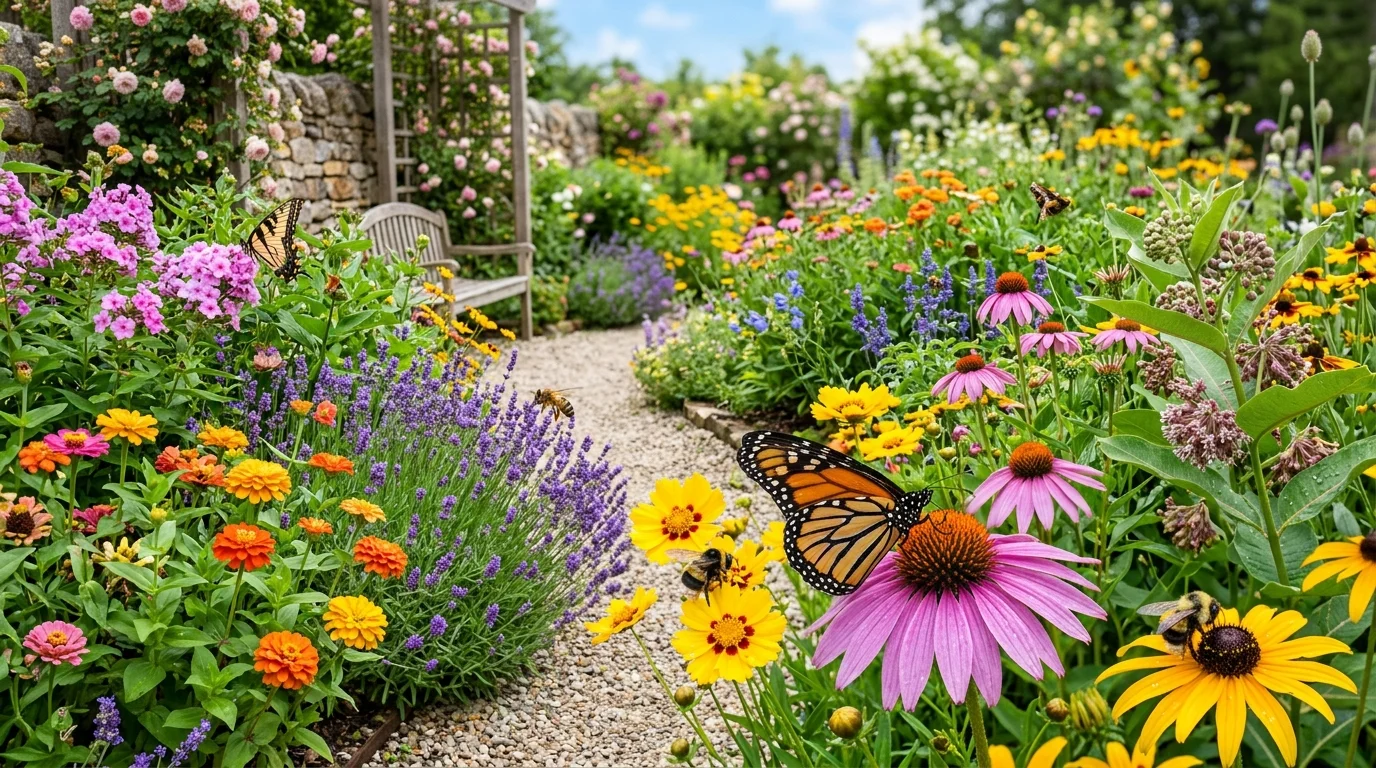
7. Design with pollinators in mind
A pollinator-friendly garden is one of the easiest ways to make an outdoor space more environmentally supportive. Flowers that provide nectar, repeated bloom periods, and a mix of plant forms all help create a garden that attracts bees, butterflies, and other useful insects.
The best part is that pollinator planting is usually beautiful as well. It often leads to richer seasonal color, softer movement, and a more lively atmosphere throughout the garden.
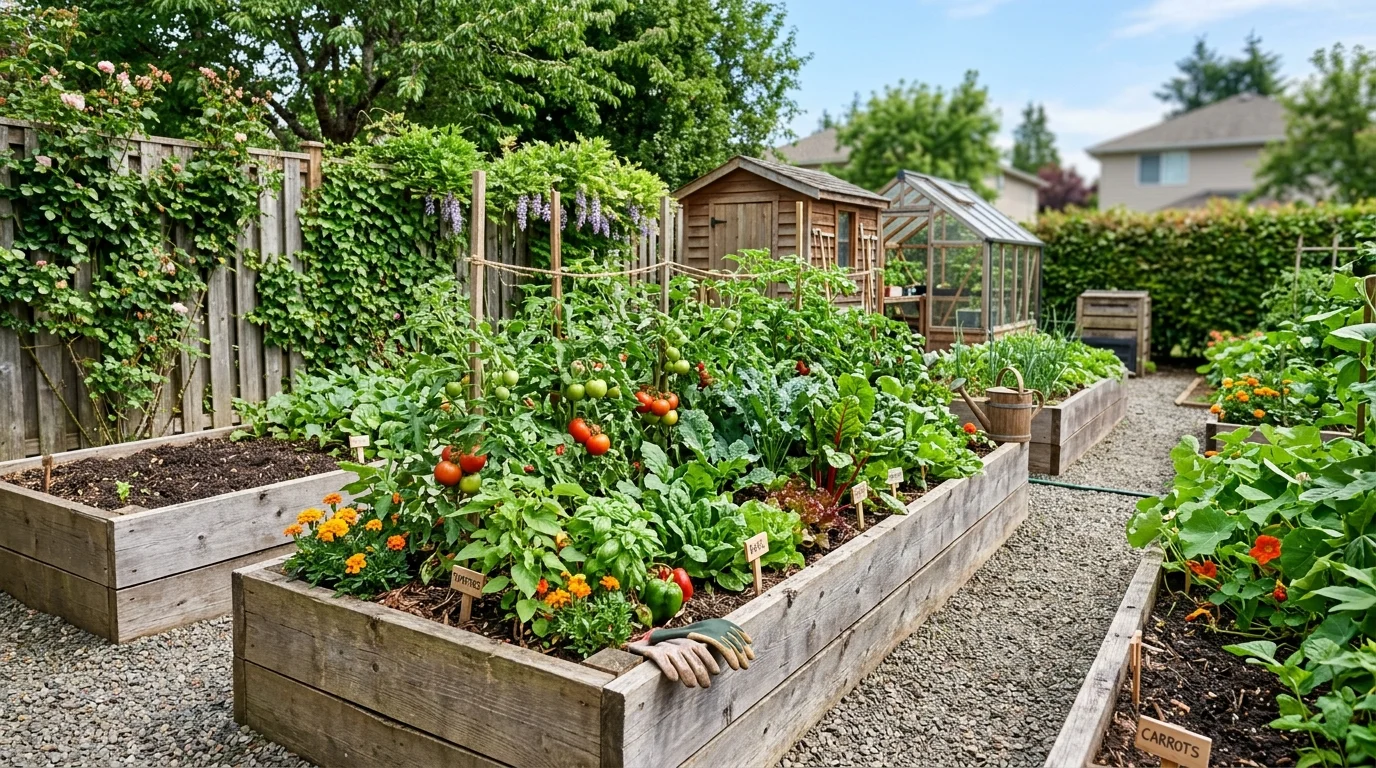
8. Grow in raised beds with rich organic soil
Raised beds can be a strong sustainable choice when they are filled with high-quality organic soil and managed thoughtfully. They make growing easier to organize, reduce compaction, and allow you to build fertility more intentionally over time. They are especially useful for kitchen gardens and mixed productive spaces.
They also give a garden structure. When arranged well, raised beds help the whole layout feel organized, calm, and highly usable.
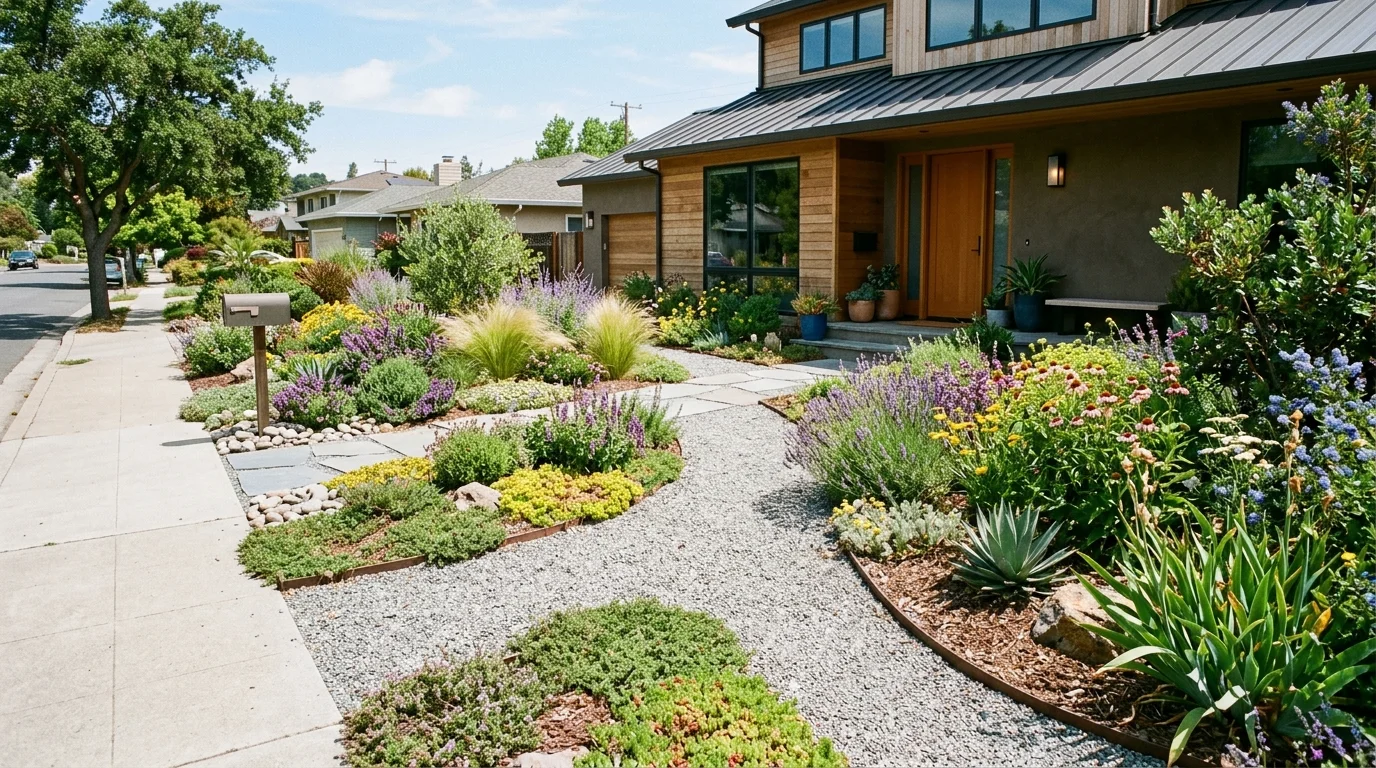
9. Replace high-maintenance lawn with a smarter layout
A no-lawn or reduced-lawn design can make a garden feel far more intentional while also lowering water use and maintenance demands. Gravel, groundcovers, planting beds, permeable paths, and outdoor living zones often create a richer and more dynamic space than a large plain stretch of grass.
This kind of change can completely transform how the garden is used. It shifts the focus from constant upkeep to design, planting, and enjoyment.
10. Blend edible planting into the overall design
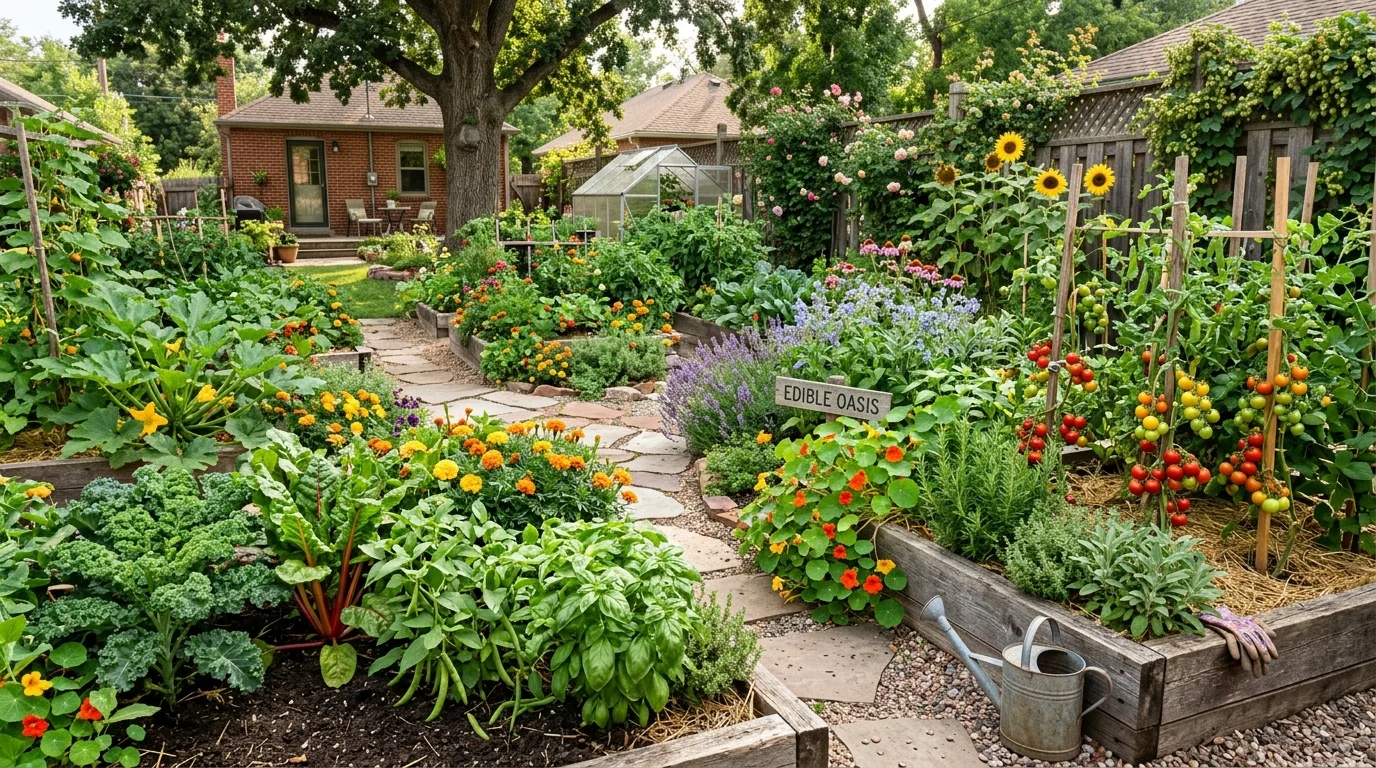
An edible garden does not have to feel separate from the decorative garden. Herbs, fruiting plants, leafy greens, and productive raised beds can all be integrated into the wider layout in a way that feels attractive as well as useful. This makes the space work harder without losing style.
When edible planting is designed into the garden rather than tacked on, it adds texture, variety, and a stronger everyday purpose to the whole outdoor area.
11. Use permaculture ideas for a more connected layout
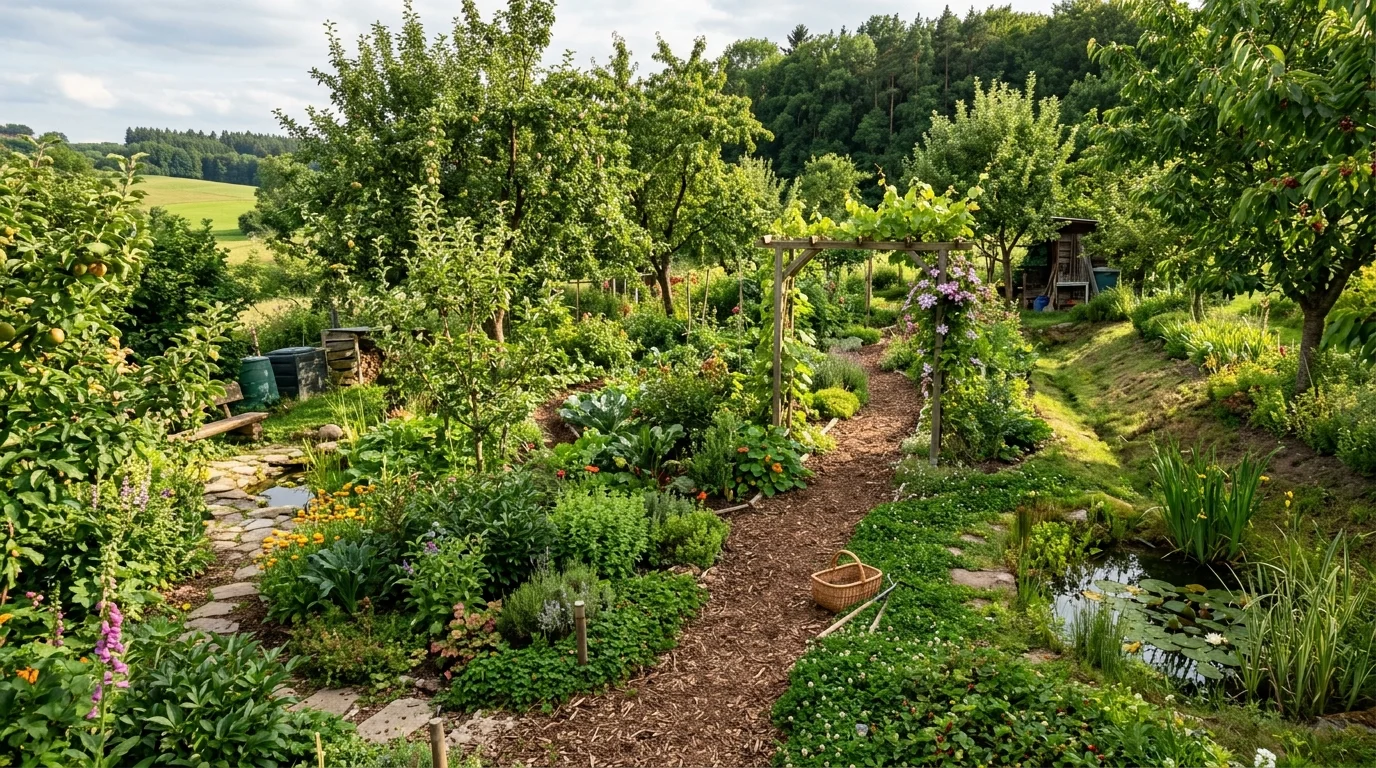
Permaculture-inspired design encourages the garden to work like a system rather than a set of separate features. Water, soil, planting, shade, compost, wildlife, and edible areas can all support each other when the layout is planned holistically. That does not mean the garden has to look highly technical. It simply means each element is doing more than one job.
This approach often creates gardens that feel deeply thought through, resilient, and easier to manage over time.
12. Reuse pots and containers instead of buying new
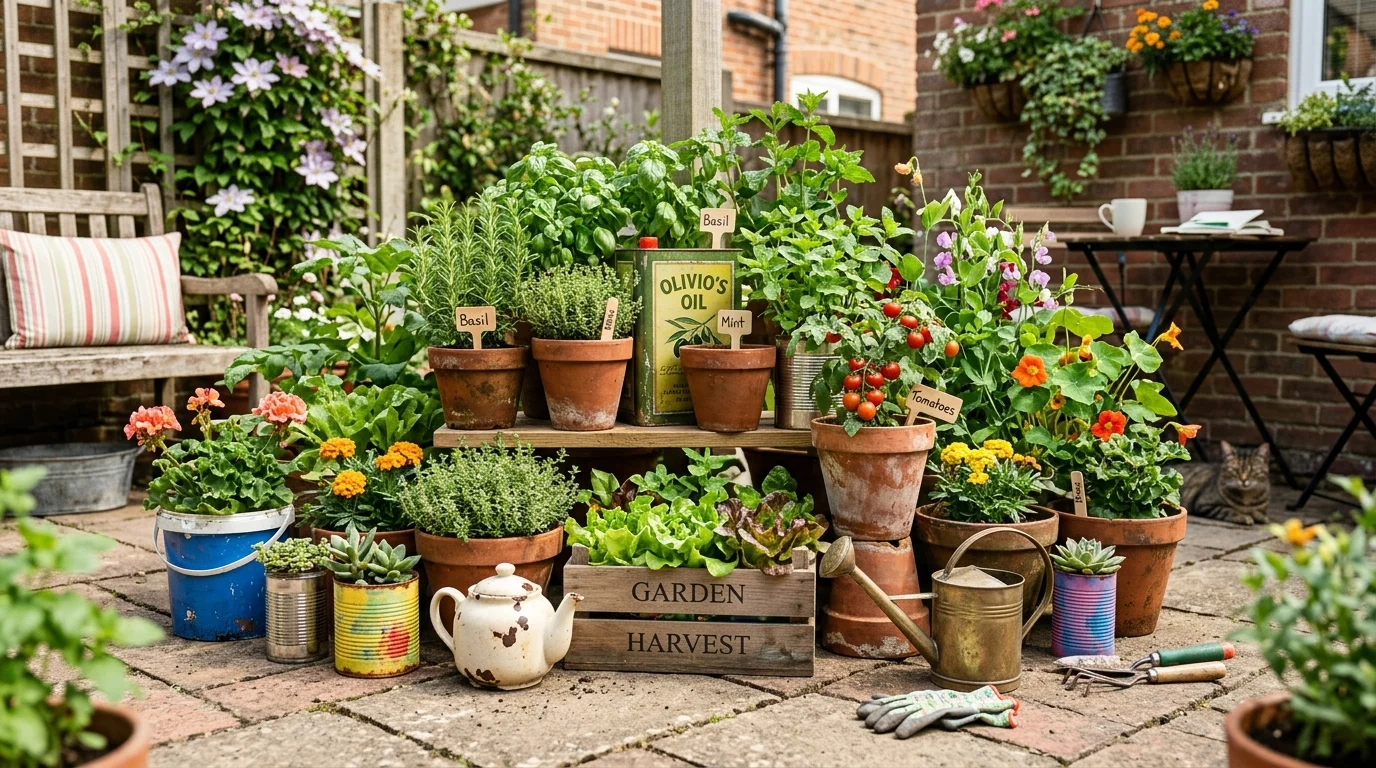
Container gardening becomes much more sustainable when existing pots, buckets, troughs, or salvaged planters are reused creatively. This reduces waste, gives older materials a second life, and often adds more character than buying everything new and matching.
With a little editing, reused containers can still look cohesive. Similar tones, repeated planting, or grouped arrangements help the setup feel styled rather than accidental.
13. Plant shade trees to cool the space naturally
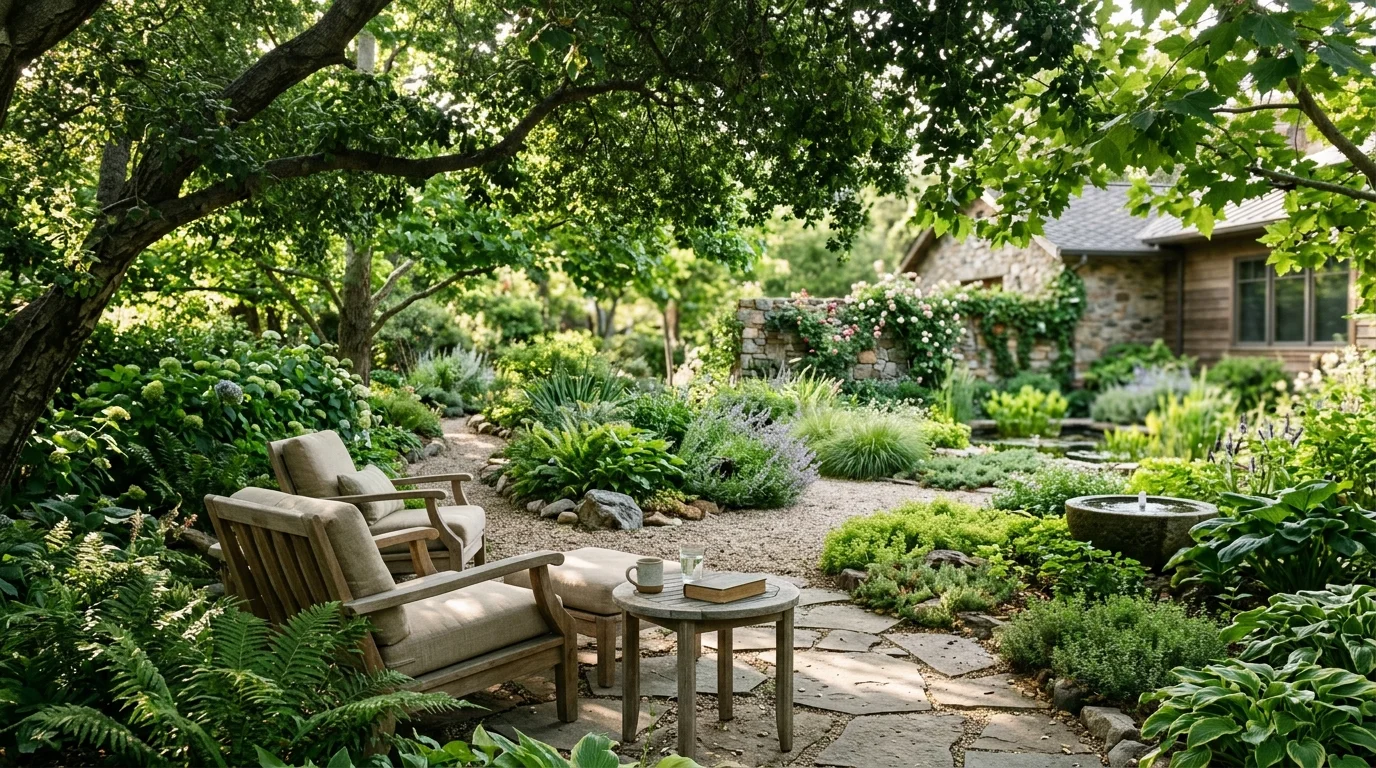
Shade trees are one of the most powerful long-term sustainable features you can add to a garden. They cool outdoor areas, create shelter, support wildlife, and make the space more comfortable during hot weather. Over time, they shape the character of the garden more than almost any other single planting choice.
They also improve how the garden is experienced. A cooler, more shaded outdoor space is often one that gets used more often and feels more generous overall.
14. Use solar lighting for lower-impact evening atmosphere
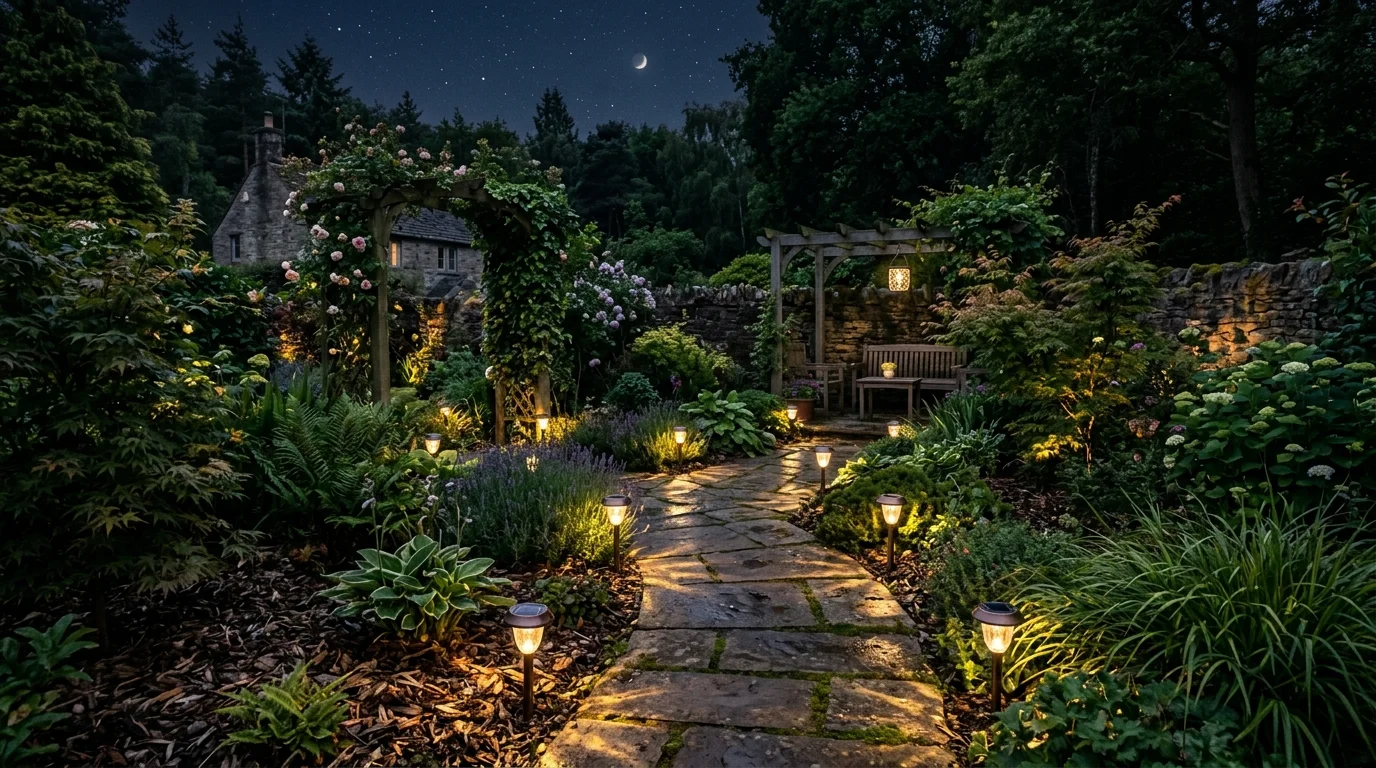
Solar lighting is a simple way to extend the use of the garden without increasing energy demand in the same way as traditional outdoor lighting setups. When used thoughtfully, it can highlight paths, seating zones, and planting with a soft glow that feels warm rather than harsh.
This is one of those sustainable touches that also makes the space feel more complete. A garden that looks good after dark often feels more intentionally designed during the day as well.
Final thoughts on sustainable garden ideas that actually transform a space
The most effective sustainable garden ideas are the ones that improve both how the garden works and how it feels. Water-saving systems, healthier soil, wildlife-friendly planting, reused materials, and edible integration are not just eco-conscious choices. They also create richer, more purposeful outdoor spaces.
You do not need to do everything at once. Even one or two thoughtful changes can make the garden more resilient, more attractive, and more rewarding to spend time in. Over time, those decisions add up to a space that feels beautifully designed and genuinely sustainable.