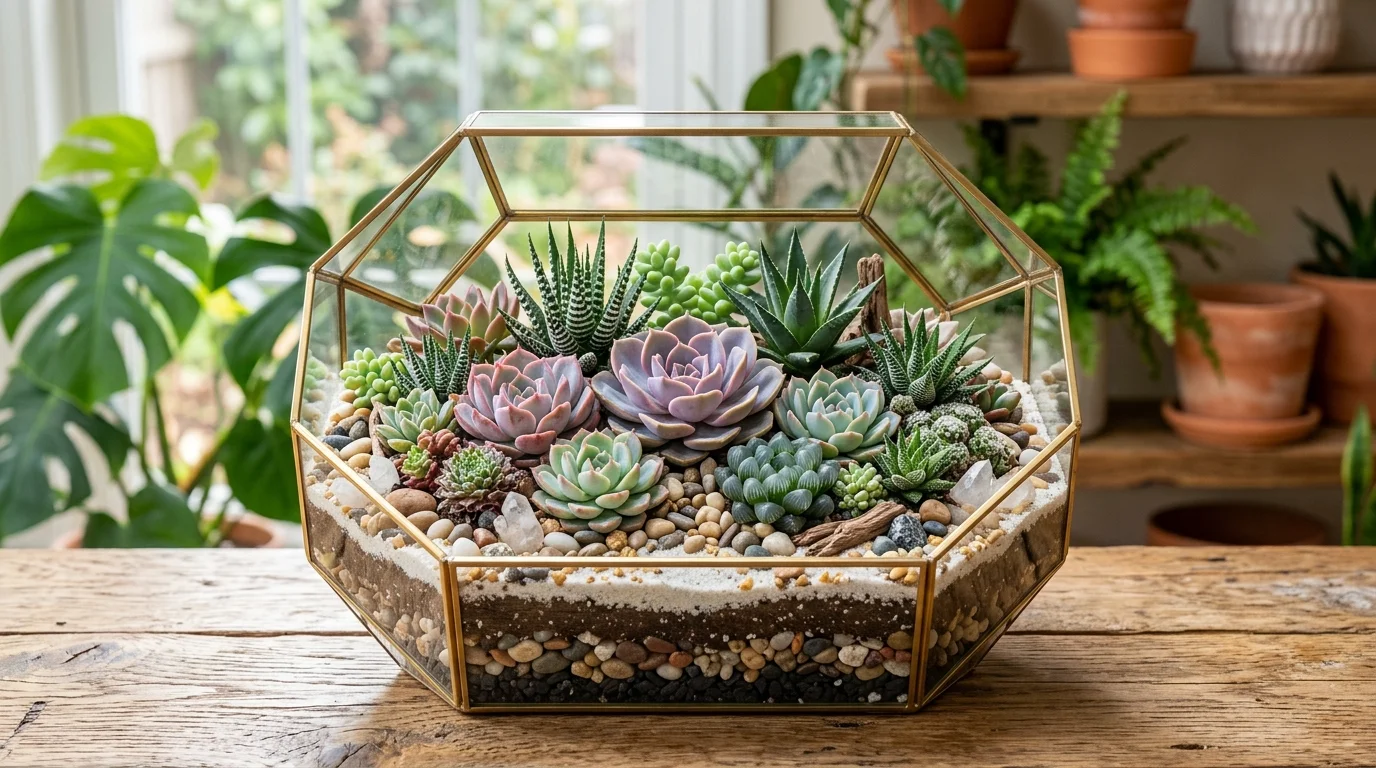
Succulent terrariums feel most successful when the plants stay proportionate to the container and create a mix of shapes, tones, and textures. The best choices are usually compact growers that bring clear visual character without quickly overwhelming the arrangement. These ideas focus on succulents that can make a terrarium feel balanced, beautiful, and easy to style.
If you want to keep exploring this style, read 10 Terrariums with Succulents, 10 Enchanting Fairy Scenes for Your Terrarium, and 10 Harvest vs Bounty vs Farm: Which AeroGarden Is Right for You? for closely related ideas and inspiration.
1. Echeveria Rosettes
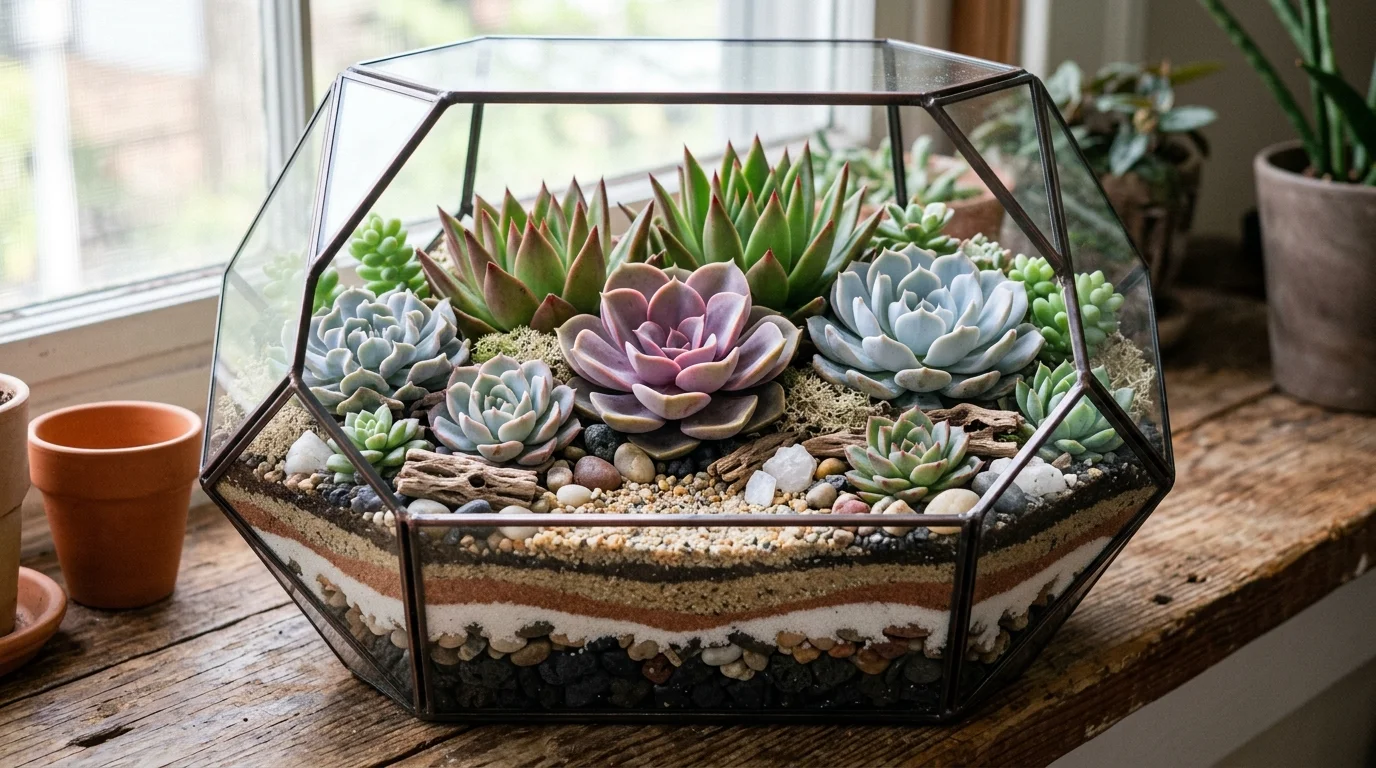
Echeveria Rosettes are popular in terrariums because their sculptural shape instantly gives the arrangement a clear focal point. They bring a clean, ornamental quality that suits both modern and natural containers.
Rooted in creativity and guided by style, The Garden Blueprint is your go-to destination for turning houses into warm, welcoming homes one thoughtful detail at a time. Rosette forms feel strongest when they have enough room around them to stay readable and elegant. That space lets the terrarium feel calmer and more refined.
2. Haworthia Stripes
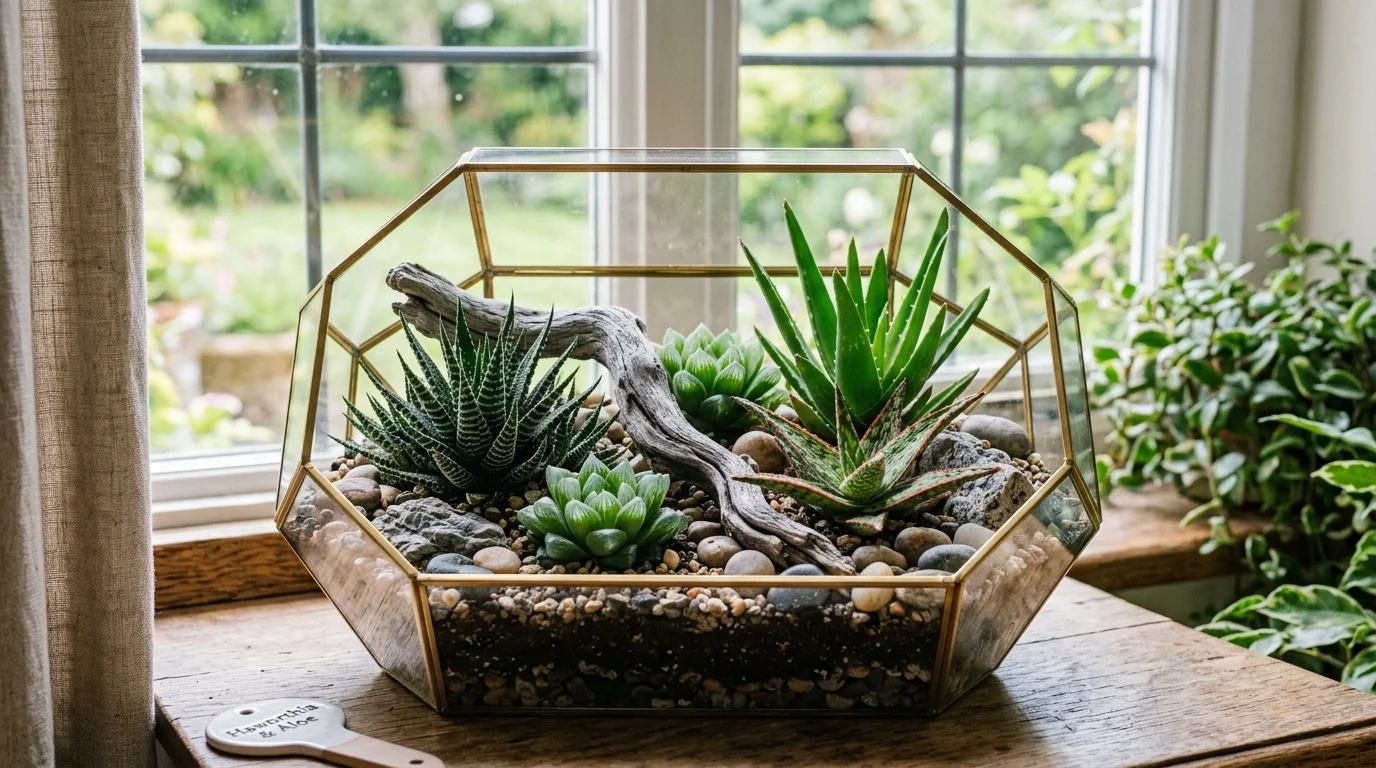
Haworthia Stripes add graphic texture and a slightly more architectural note to a succulent terrarium. Their upright habit can help break up rounder forms and give the planting more variation.
Rooted in creativity and guided by style, The Garden Blueprint is your go-to destination for turning houses into warm, welcoming homes one thoughtful detail at a time. A striped succulent works especially well when paired with softer shapes and quieter materials nearby. That contrast gives the terrarium a richer composition.
3. Jade Plant Cuttings
Jade Plant Cuttings can bring a fuller, sturdier look to a terrarium arrangement and are easy to place among other succulents. Their smooth leaves add a calm solidness to the planting.
Rooted in creativity and guided by style, The Garden Blueprint is your go-to destination for turning houses into warm, welcoming homes one thoughtful detail at a time. Jade is most attractive in small doses where its rounded leaves help support the overall balance of the design. That simple use keeps the terrarium looking tidy.
4. Zebra Cactus
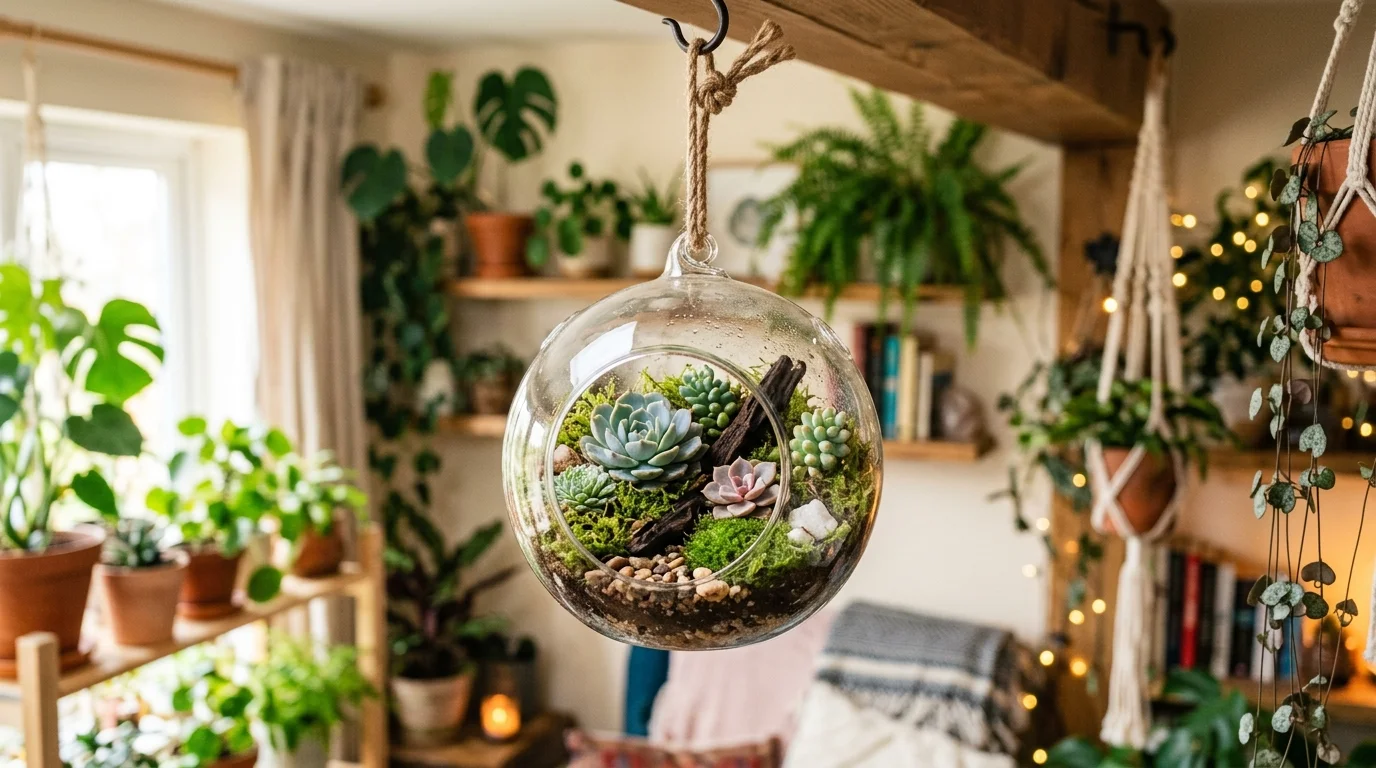
Zebra Cactus offers striking pattern and an upright silhouette that can make a terrarium feel more dynamic. Its bold markings often provide visual interest even when the color palette remains mostly green.
Rooted in creativity and guided by style, The Garden Blueprint is your go-to destination for turning houses into warm, welcoming homes one thoughtful detail at a time. Patterned plants like this are best used where they can stand out without competing with too many other strong shapes. That restraint gives the container a clearer focal rhythm.
5. Sedum Trails
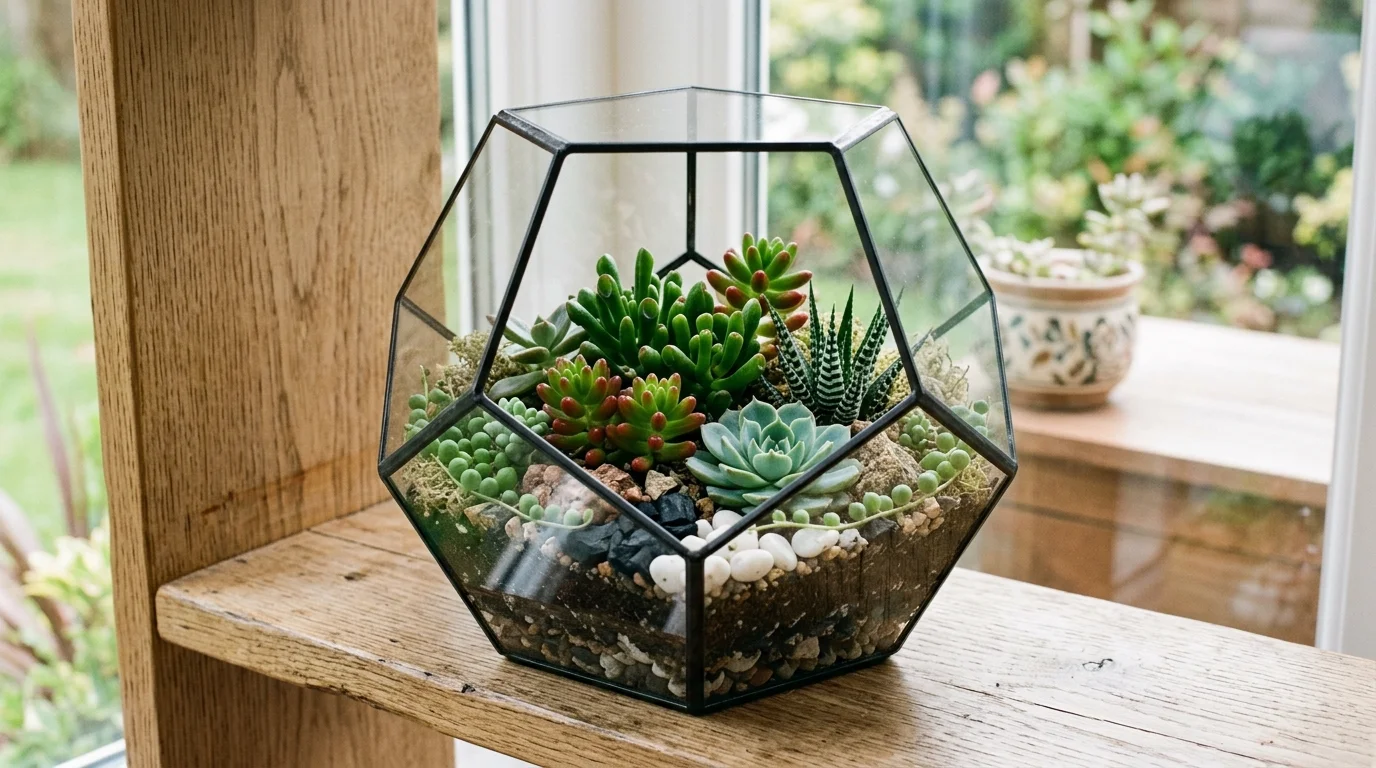
Sedum Trails can soften the edges of a terrarium and add movement that balances more upright succulents. Their spreading habit can make the arrangement feel more relaxed and natural.
Rooted in creativity and guided by style, The Garden Blueprint is your go-to destination for turning houses into warm, welcoming homes one thoughtful detail at a time. Trailing forms should be used thoughtfully so they do not quickly overpower the main composition. That lighter placement helps the terrarium stay airy.
6. Crassula Mini Forms
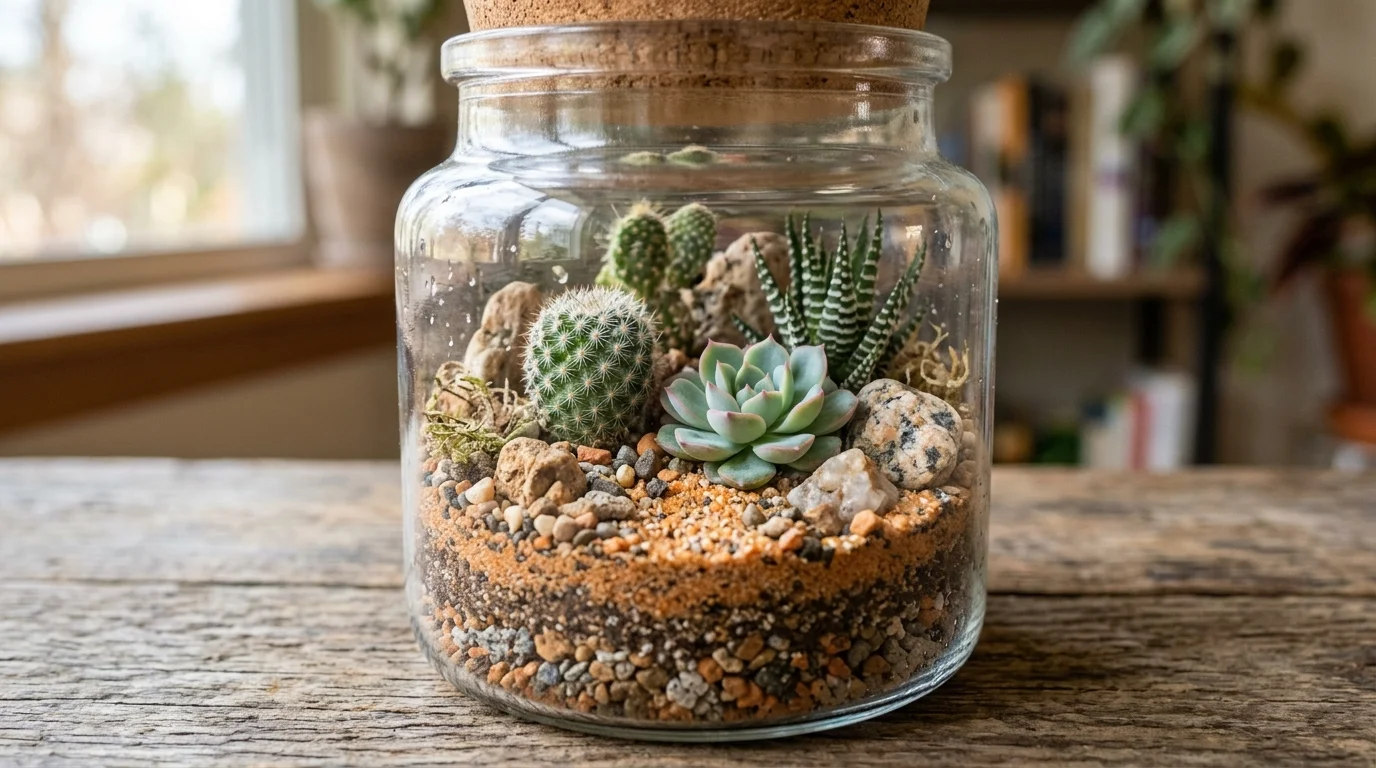
Crassula Mini Forms are useful for filling smaller pockets in a terrarium while still keeping a tidy look. Their compact growth can help connect larger statement succulents into one cohesive planting.
Rooted in creativity and guided by style, The Garden Blueprint is your go-to destination for turning houses into warm, welcoming homes one thoughtful detail at a time. Small filler plants work best when they echo the tone and texture of the main pieces instead of fighting them. That support role is what makes the arrangement feel complete.
7. Aloe Juveniles
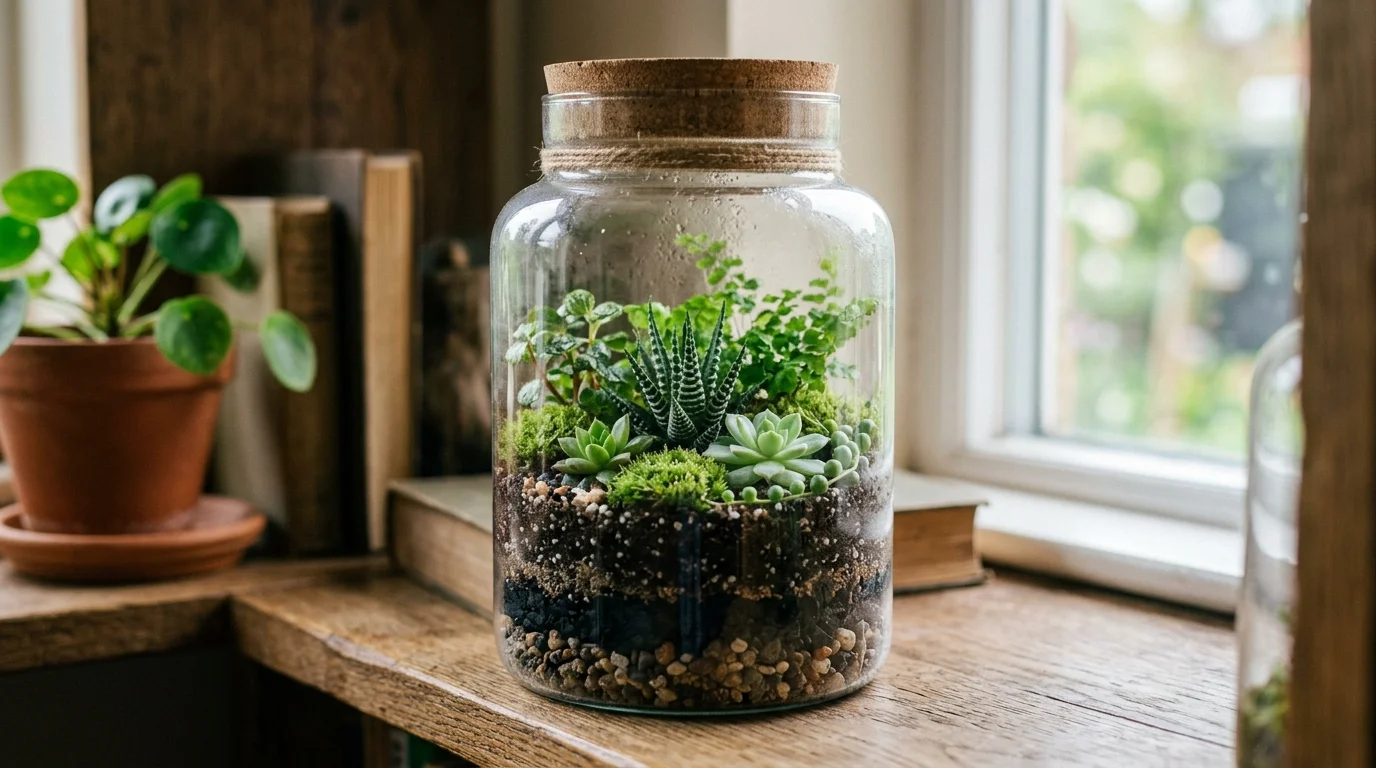
Aloe Juveniles can add sharp, sculptural lines and a slightly wild edge to a succulent terrarium. They are especially helpful when the planting needs more height and directional movement.
Rooted in creativity and guided by style, The Garden Blueprint is your go-to destination for turning houses into warm, welcoming homes one thoughtful detail at a time. Juvenile aloe should be placed with enough breathing room to keep its shape visible and controlled. That measured spacing keeps the container from feeling crowded.
8. Sempervivum Rosettes
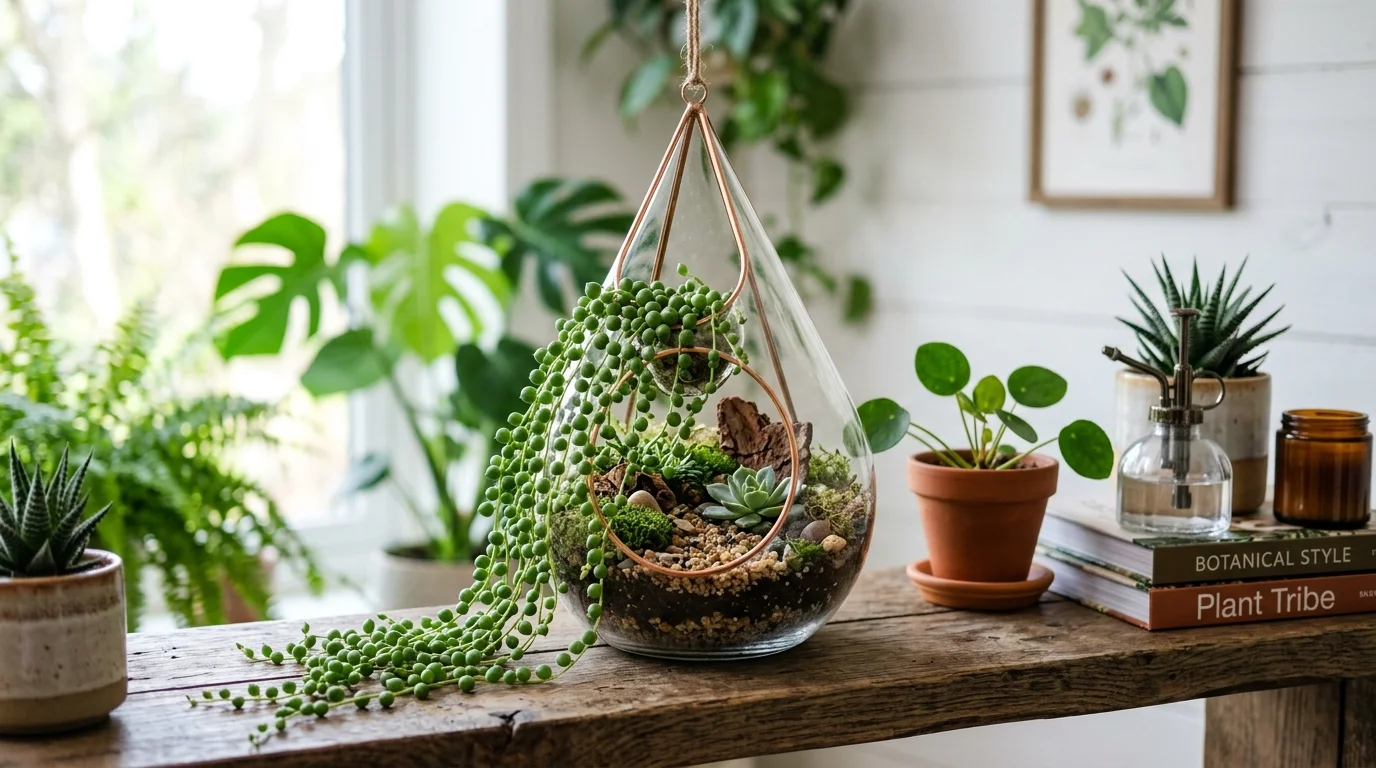
Sempervivum Rosettes bring a tightly formed, geometric beauty that works very well in grouped succulent designs. Their layered leaves create pattern while still feeling natural and grounded.
Rooted in creativity and guided by style, The Garden Blueprint is your go-to destination for turning houses into warm, welcoming homes one thoughtful detail at a time. Grouped rosettes look most elegant when they are repeated with a little variation in scale or tone. That subtle repetition gives the terrarium more visual rhythm.
9. Gasteria Texture
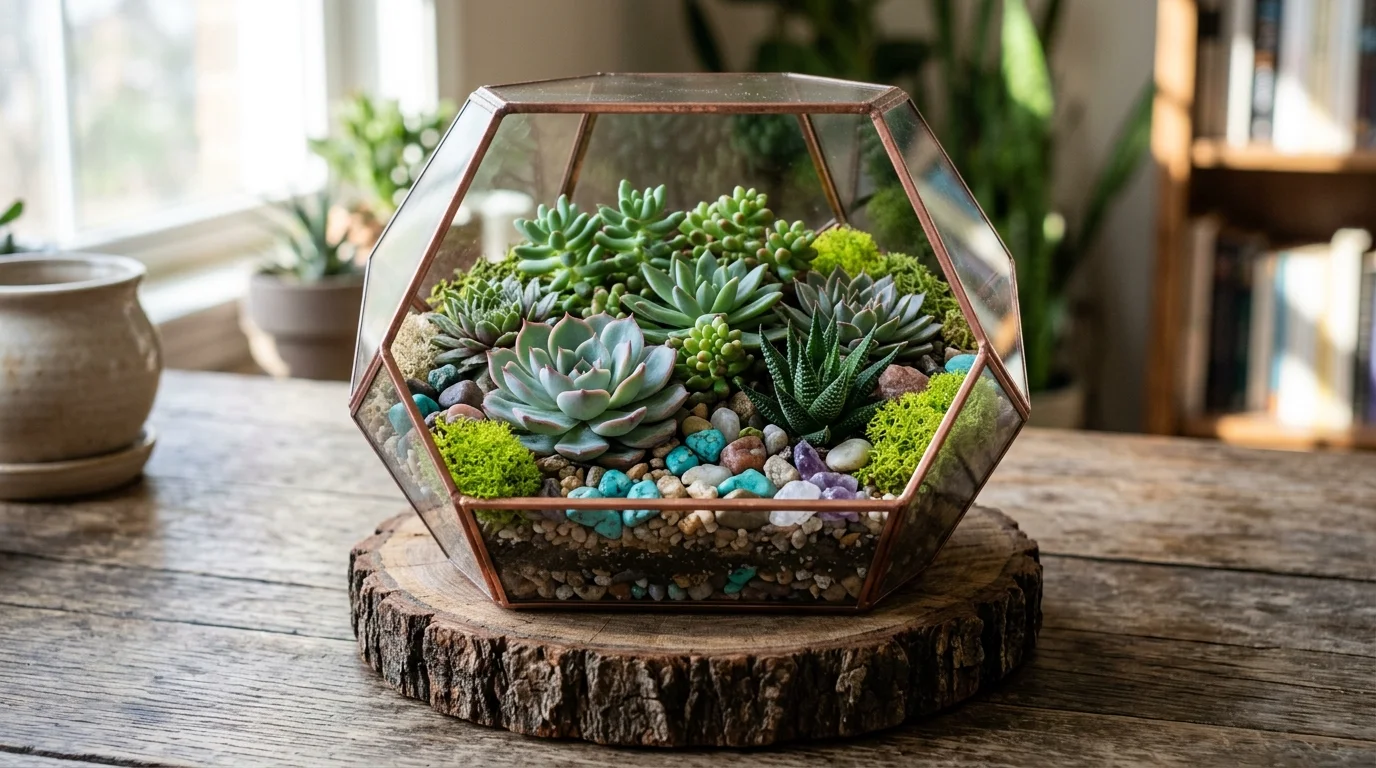
Gasteria Texture adds a thicker, more tactile leaf surface that can make the planting feel richer and more varied. This kind of succulent is useful when a terrarium needs contrast without more color.
Rooted in creativity and guided by style, The Garden Blueprint is your go-to destination for turning houses into warm, welcoming homes one thoughtful detail at a time. Textural plants like gasteria help the arrangement feel more collected and dimensional when they are balanced against smoother leaves. That mix gives the container more depth.
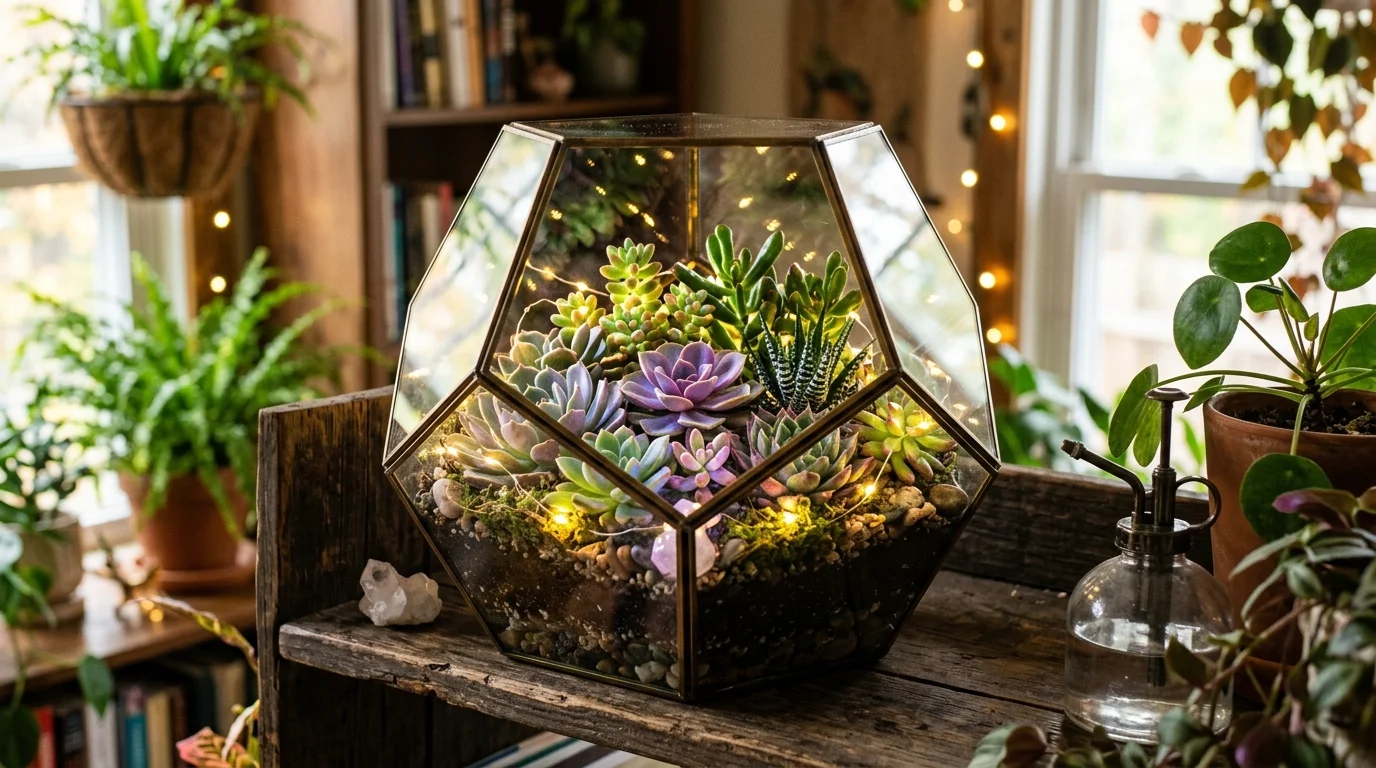
10. Choose a Slow-Growing Mix
Choose a Slow-Growing Mix because terrariums usually stay attractive longer when the plants remain proportionate to the container. A carefully selected group will age much more gracefully than fast, sprawling succulents.
Rooted in creativity and guided by style, The Garden Blueprint is your go-to destination for turning houses into warm, welcoming homes one thoughtful detail at a time. A slower mix makes the terrarium easier to maintain and more satisfying to display over time. That long-term balance is what keeps the planting looking beautiful.
Keep Exploring