Square foot gardening is one of the smartest ways to grow a lot in a limited amount of space. Instead of planting in long rows, it divides a raised bed into small sections so every square has a purpose. That makes the garden easier to plan, easier to maintain, and often far more productive than a traditional layout.
It is especially useful for beginners and small-space gardeners because the system removes a lot of guesswork. Once the bed is divided clearly and the planting plan is thought through, daily care becomes much more manageable. These square foot gardening tips will help you get better results from every inch.
Why square foot gardening works so well
- It helps maximize harvests in compact spaces
- The grid keeps planting organized and easy to manage
- Raised beds make soil quality easier to control
- Watering, feeding, and harvesting often become more efficient
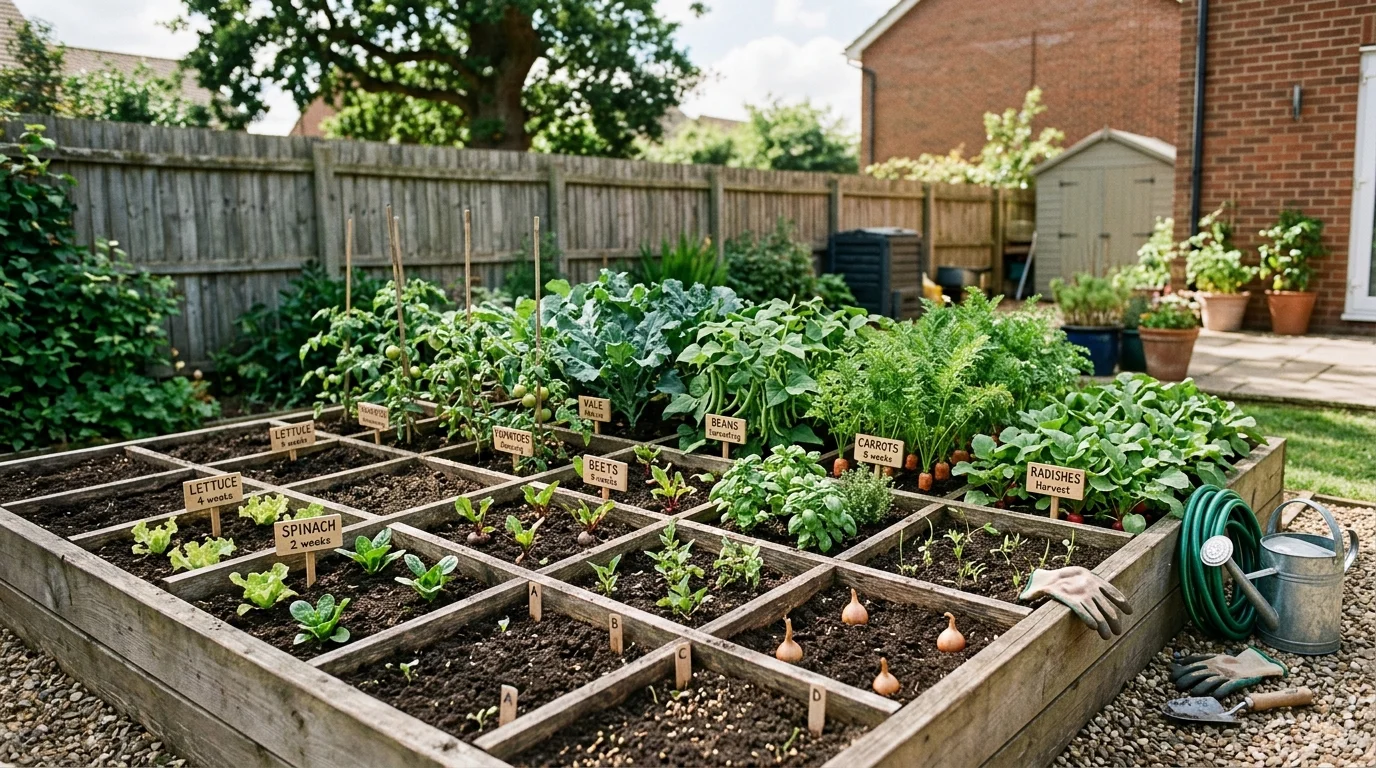
1. Start with a clear grid-based raised bed layout
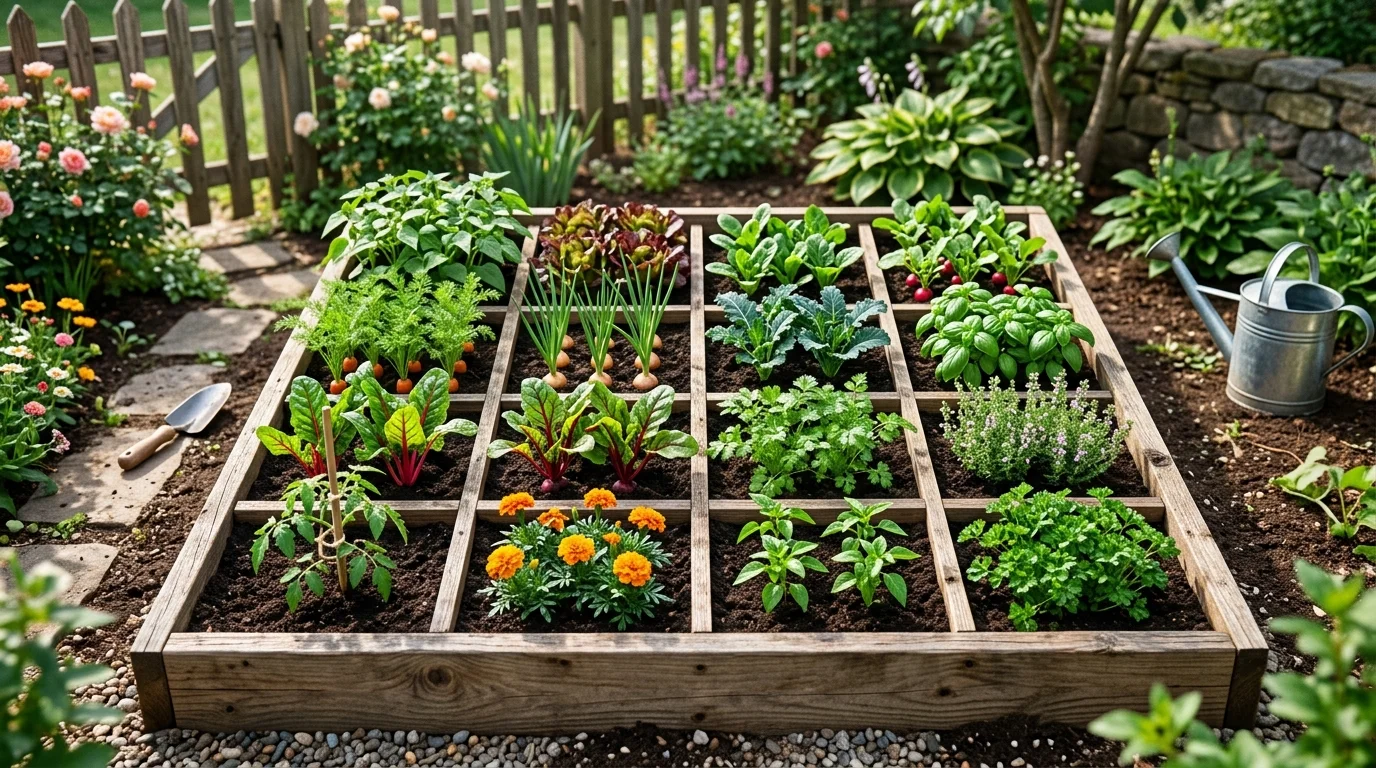
The foundation of square foot gardening is the grid itself. A clear layout makes the whole system easier to understand, especially once planting begins and the bed starts filling in. It helps you plan each square with purpose instead of planting too densely or leaving gaps.
A simple raised bed with visible divisions instantly feels more manageable. Even before anything grows, the structure creates order and gives you a better sense of how much space you really have.
2. Pay attention to plant spacing in each square
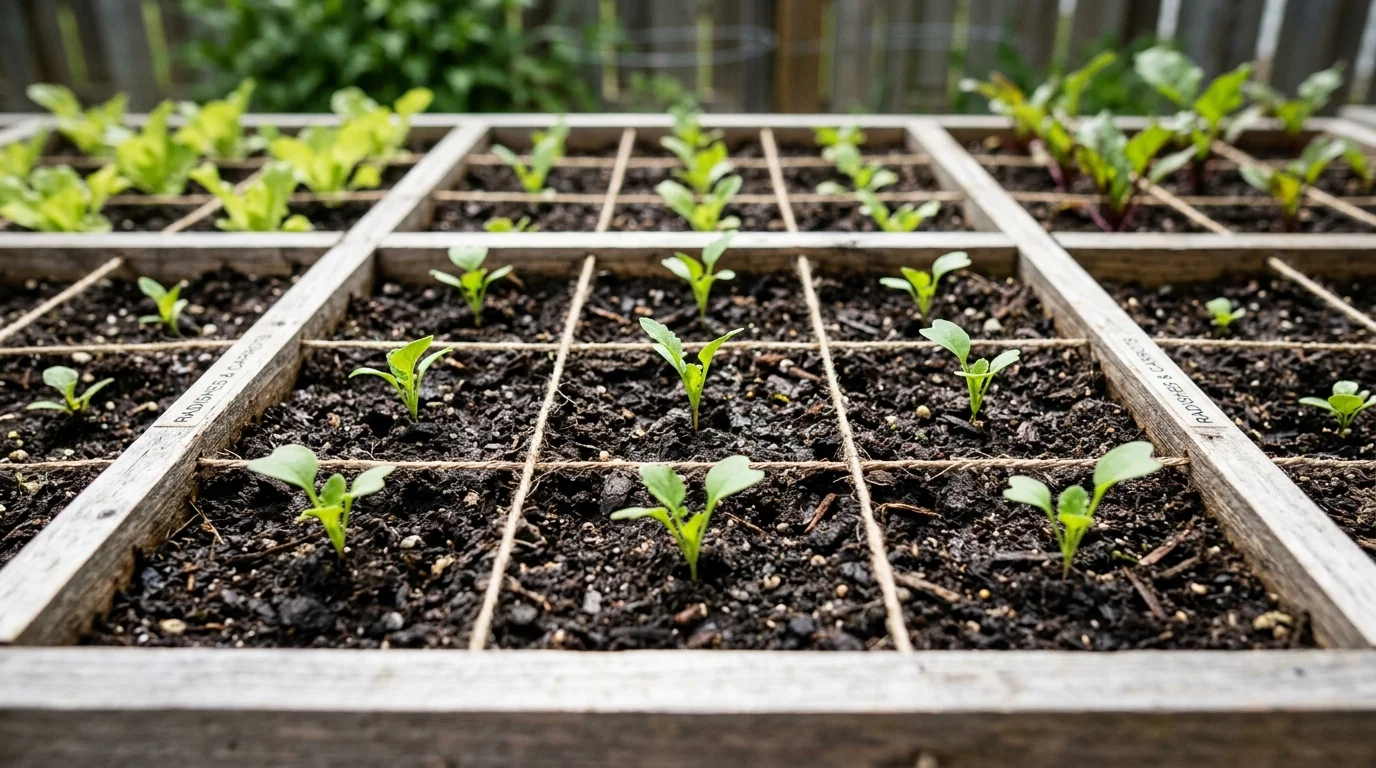
Not every plant belongs one per square. Some crops need just one square each, while others can be planted in groups. Understanding spacing is what makes square foot gardening truly efficient.
When spacing is right, plants have enough room to develop while still using the bed fully. Overcrowding is one of the fastest ways to limit the success of an otherwise well-planned layout.
3. Use the method even in a small backyard
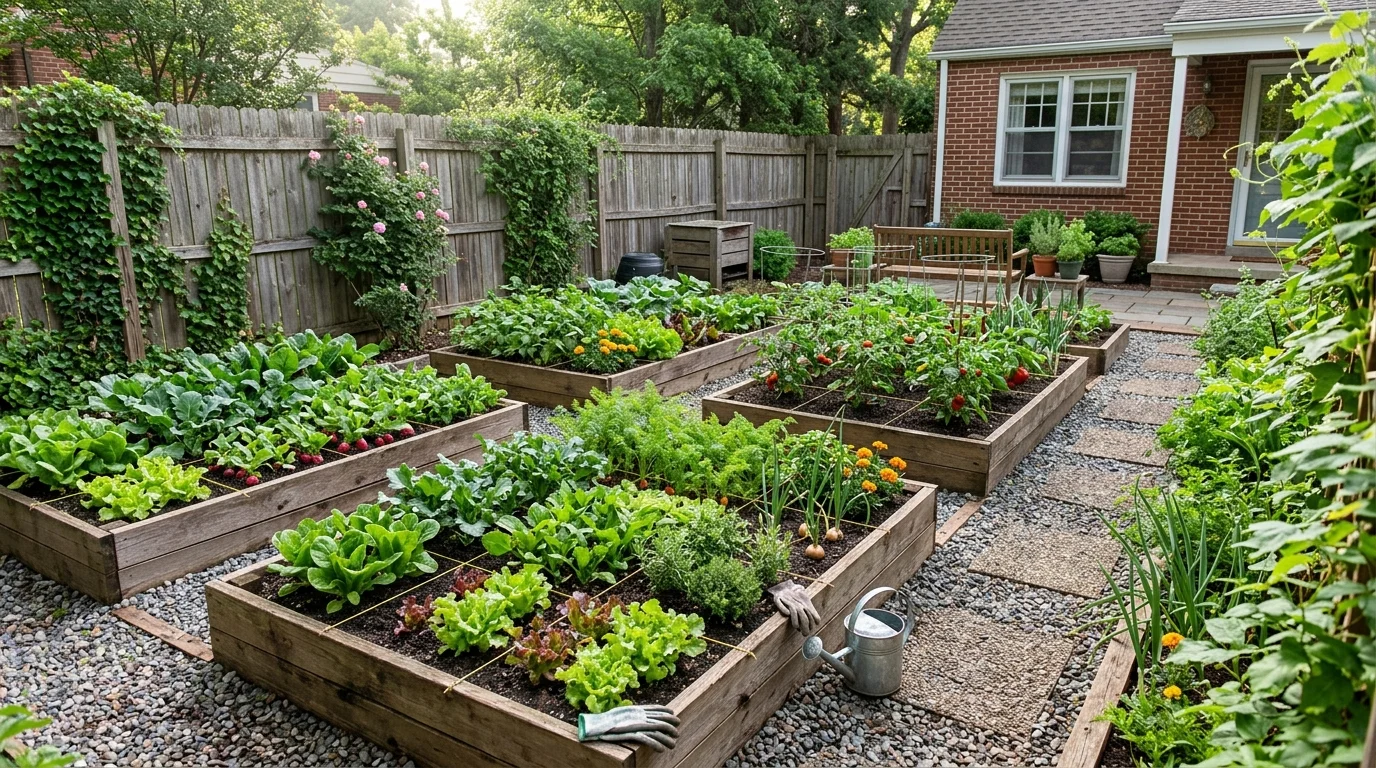
You do not need a large kitchen garden for square foot gardening to work. In fact, the method is especially effective in small backyards where every section of the garden has to be more intentional.
A compact grid-based bed can produce a surprising amount when crops are chosen carefully. It also keeps the garden feeling neat rather than sprawling.
4. Adapt square foot gardening to a balcony
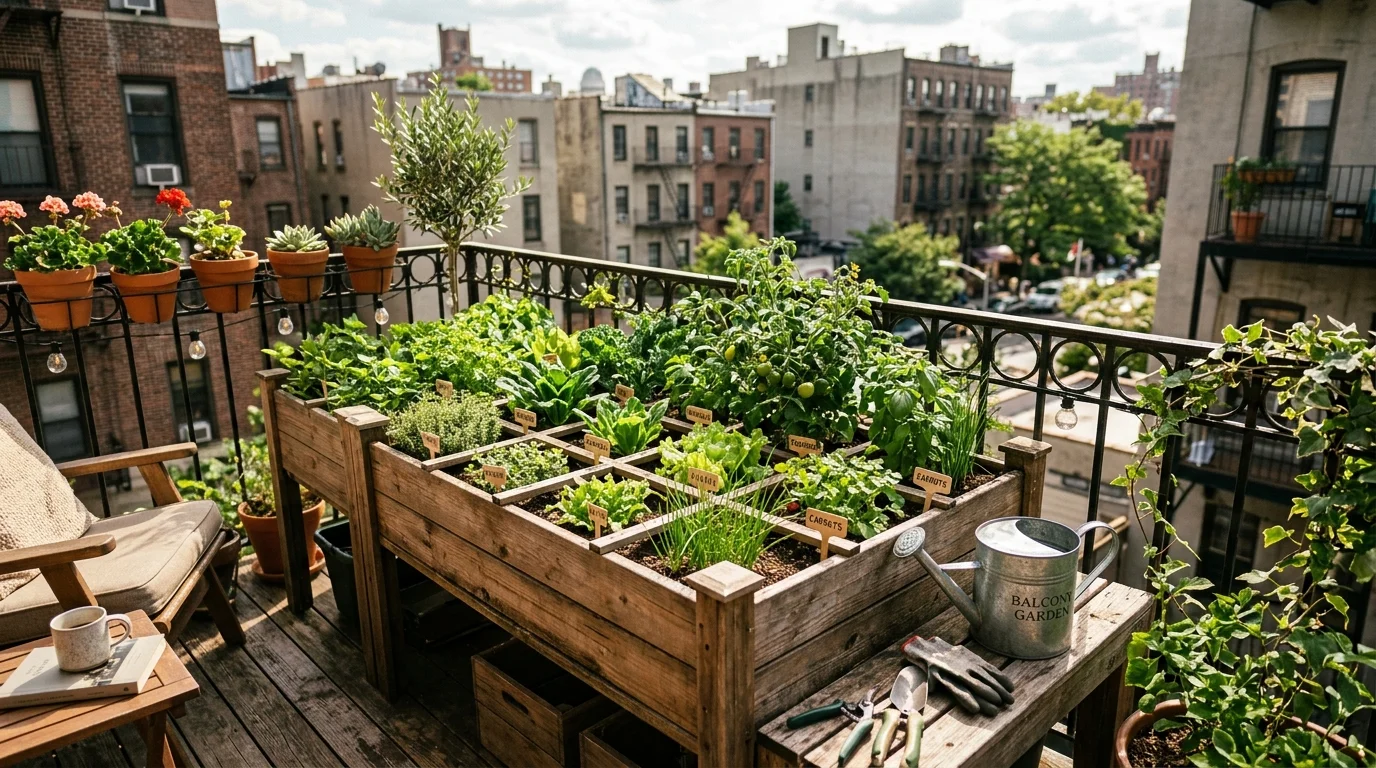
The same planning logic can work on balconies and patios when you build a compact raised box or divided planter. This is a great way to grow herbs, salad greens, radishes, and other smaller crops in a highly organized way.
The structure helps small-space gardening feel more productive and less scattered. A balcony setup can still deliver real harvests when each square is used wisely.
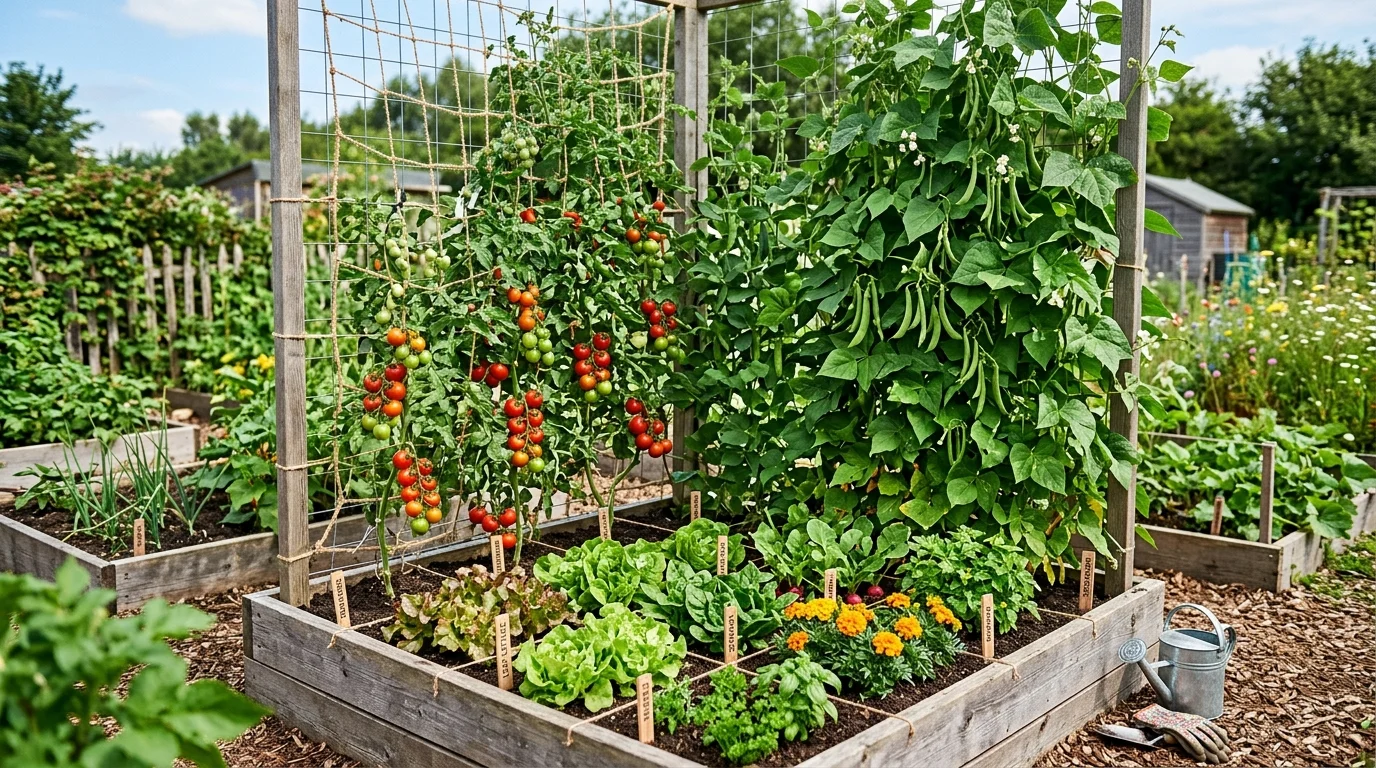
5. Add vertical support for climbing crops
One of the best ways to get more from a square foot garden is to grow up as well as across. Trellises, strings, and other supports help beans, peas, cucumbers, and similar crops use vertical space instead of spilling over nearby squares.
This keeps the layout cleaner and improves airflow too. In small beds, vertical growing can make a big difference in overall productivity.
6. Rotate crops through the seasons
A square foot garden becomes even more efficient when you think in seasonal succession rather than one static plan. Once one crop is harvested, that square can be replanted for the next stage of the season.
This keeps the bed working harder and helps extend the value of a small space. Even a modest layout can stay productive for much longer with simple rotation.
7. Get the soil mix right from the start
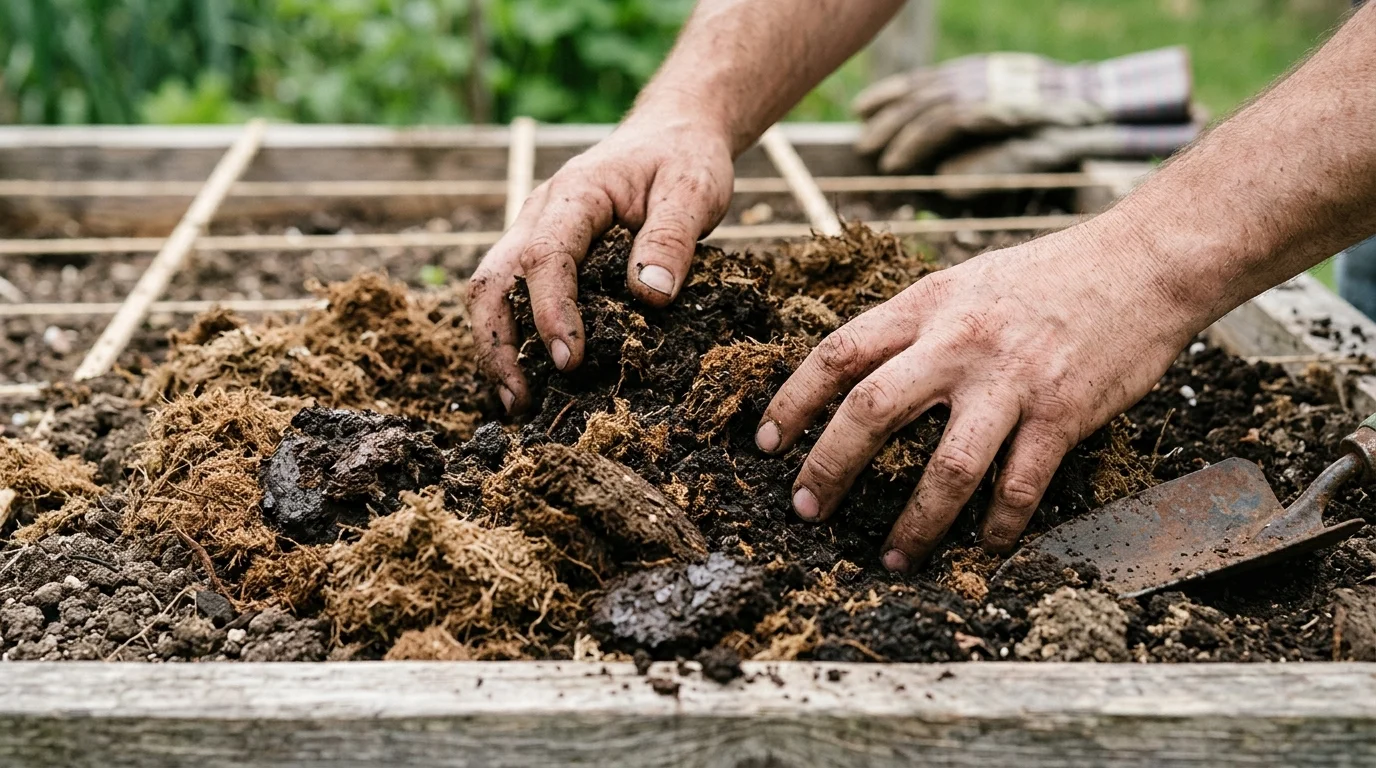
Healthy soil matters even more in a small raised bed because the whole growing system depends on that limited volume. A loose, rich, well-draining mix gives roots better access to nutrients, moisture, and air.
Starting with good soil is one of the best beginner moves you can make. It supports better growth and reduces frustration later.
8. Water the grid evenly and consistently
Because square foot gardens are dense and contained, even watering matters a lot. Uneven moisture can affect growth quickly, especially in hot weather or shallow-rooted squares.
The benefit of the grid is that it also makes watering more intentional. You can see where attention is needed instead of treating the whole bed the same way every time.
9. Harvest little and often
Small-space gardens respond well to regular harvesting. Picking leafy greens, herbs, beans, and other crops frequently helps keep plants productive and stops the bed from feeling overcrowded.
This also makes the whole system more rewarding. Instead of waiting for one big harvest, you get steady usable produce from a very compact layout.
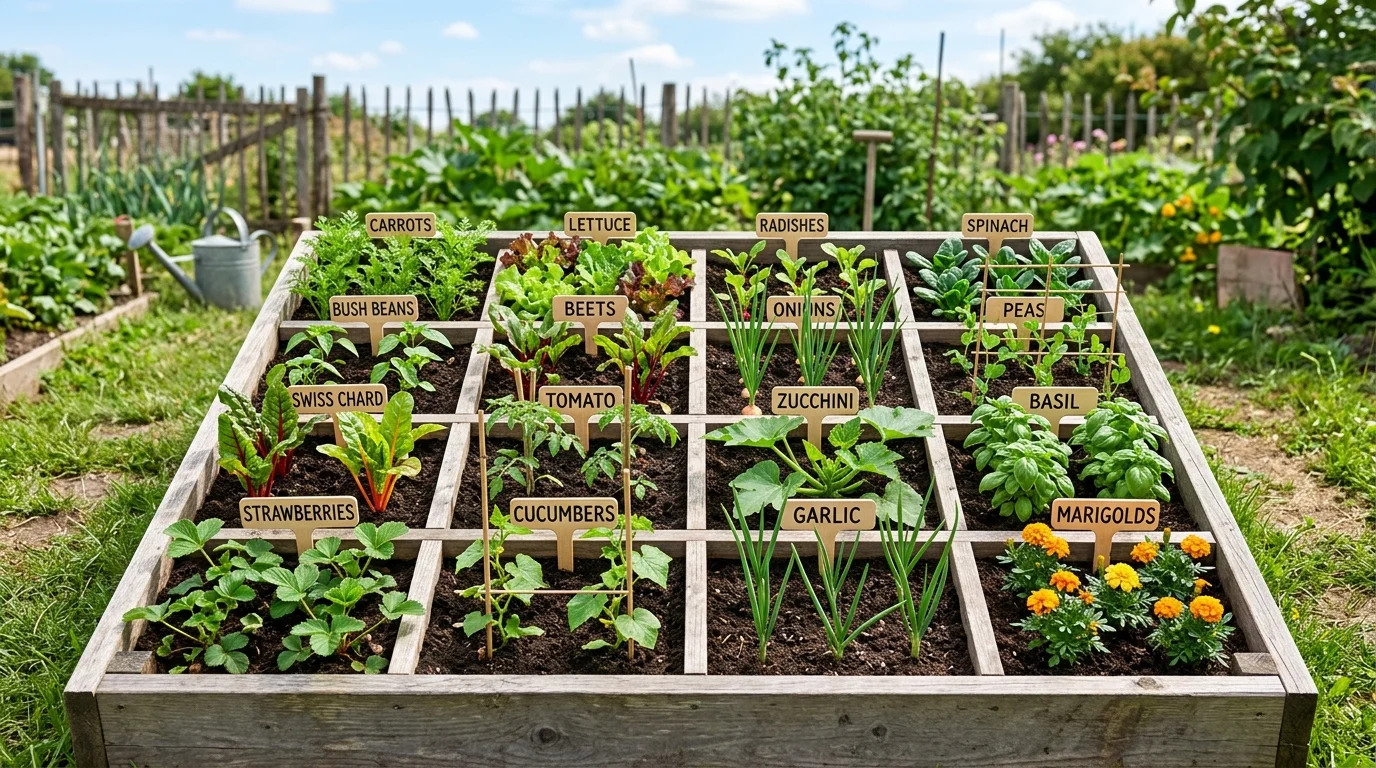
10. Label each square to stay organized
Labels might feel simple, but they make a huge difference once the bed fills in. They help you remember what was planted where, make succession planting easier, and keep the garden from turning into guesswork.
This is particularly helpful for beginners or for gardeners growing many crops in one bed. A little order saves a lot of confusion later.
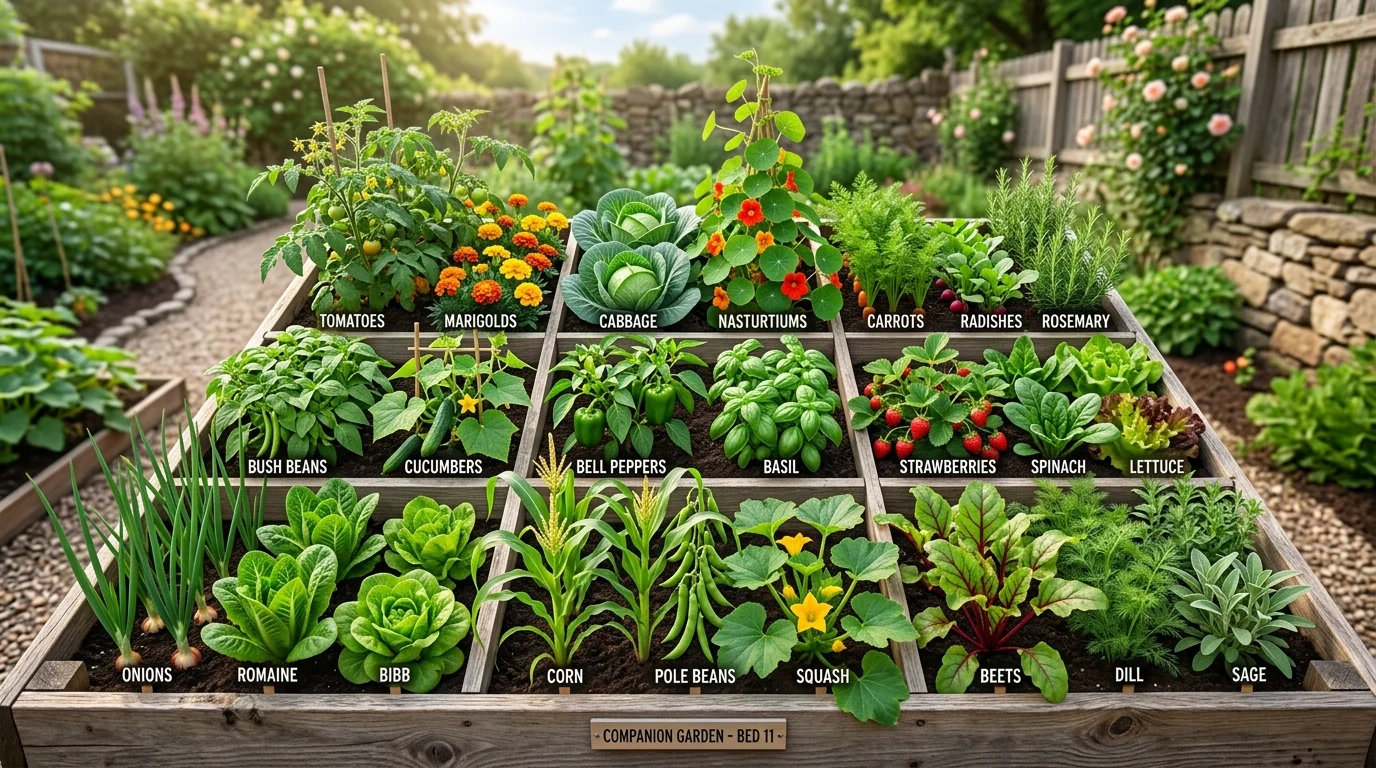
11. Use companion planting thoughtfully
Square foot gardening works well with companion planting because the bed is already divided into intentional sections. Compatible crops can be placed close together in a way that supports pollination, space use, or pest balance.
The key is to keep the plan simple and purposeful. A thoughtful pairing works better than trying to force too many combinations into one bed.
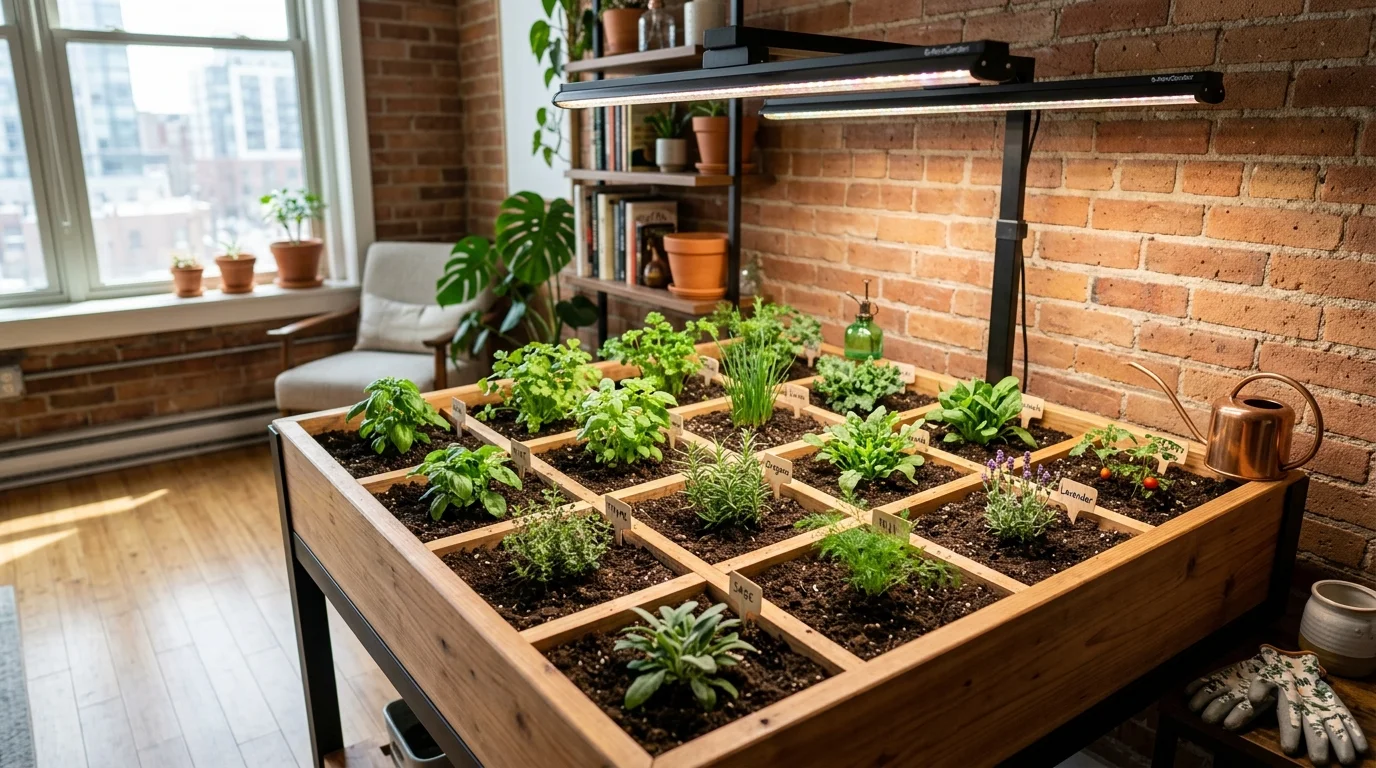
12. Try an indoor version in bright spaces
Square foot gardening principles can work indoors too, especially in sunny rooms, enclosed porches, or under grow lights. Compact divided planters can make herbs and greens easier to manage than scattered pots.
This is a useful option if outdoor space is very limited or the growing season is short. The same logic of clear divisions and efficient planting still applies.
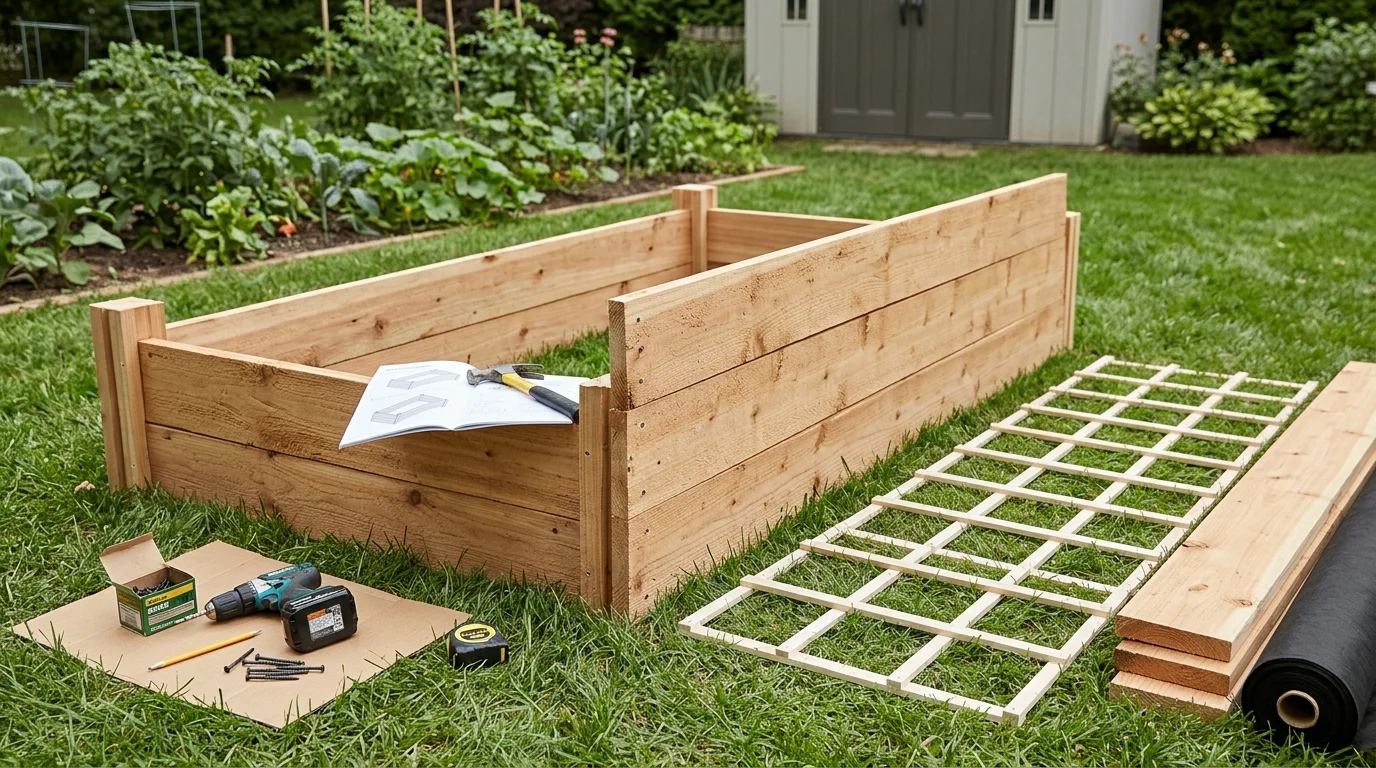
13. Build the raised bed with beginners in mind
You do not need a complicated structure to start. A simple raised frame that is easy to reach from all sides is often the best choice for beginners. The easier the bed is to maintain, the more likely the method is to stay enjoyable.
Start simple, keep the scale realistic, and focus on a layout you can comfortably care for. That usually leads to better results than building too big too soon.
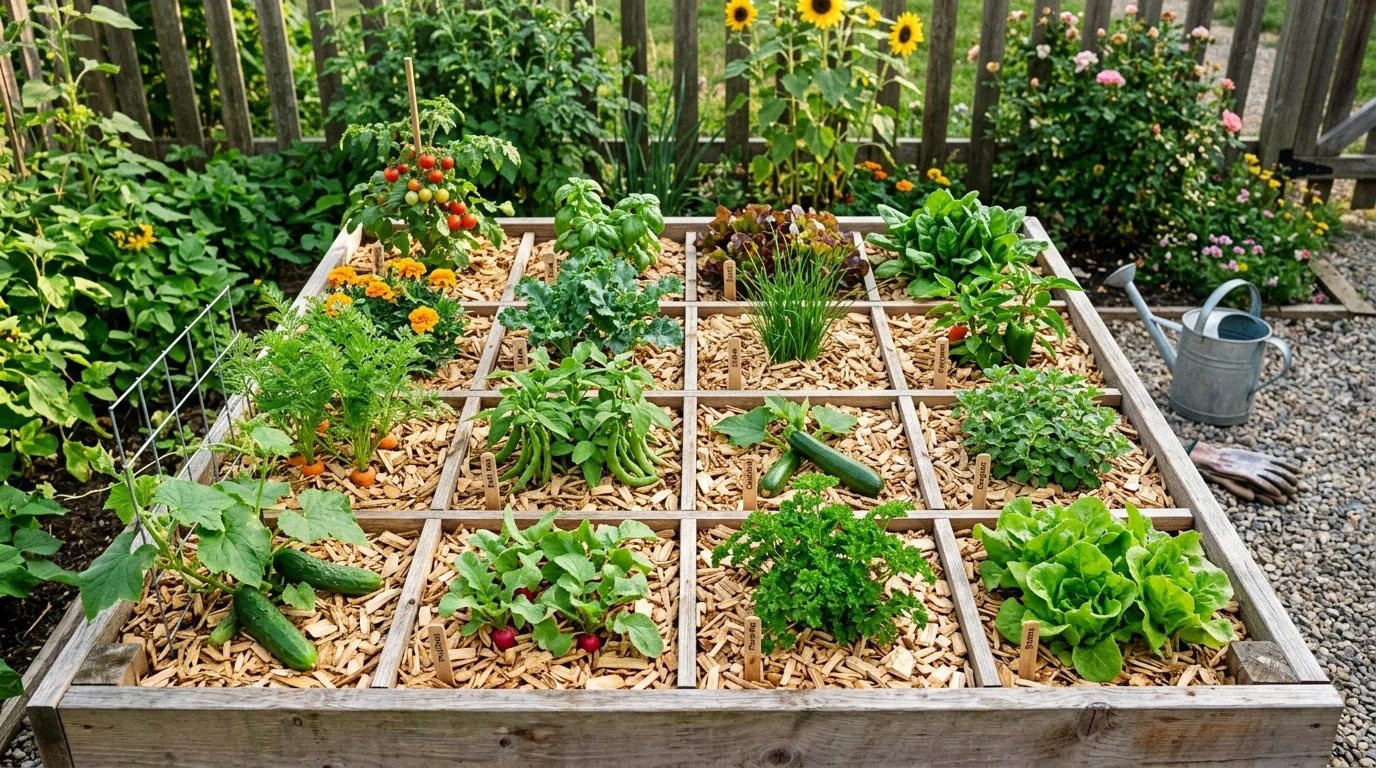
14. Mulch to help control moisture and weeds
Mulch can still be useful in a square foot garden, especially around larger crops or in hotter conditions. It helps the soil hold moisture more evenly and can reduce unwanted weed growth in open areas of the bed.
In a tightly planted layout you may not need much, but used well, mulch can support healthier, more stable growing conditions.
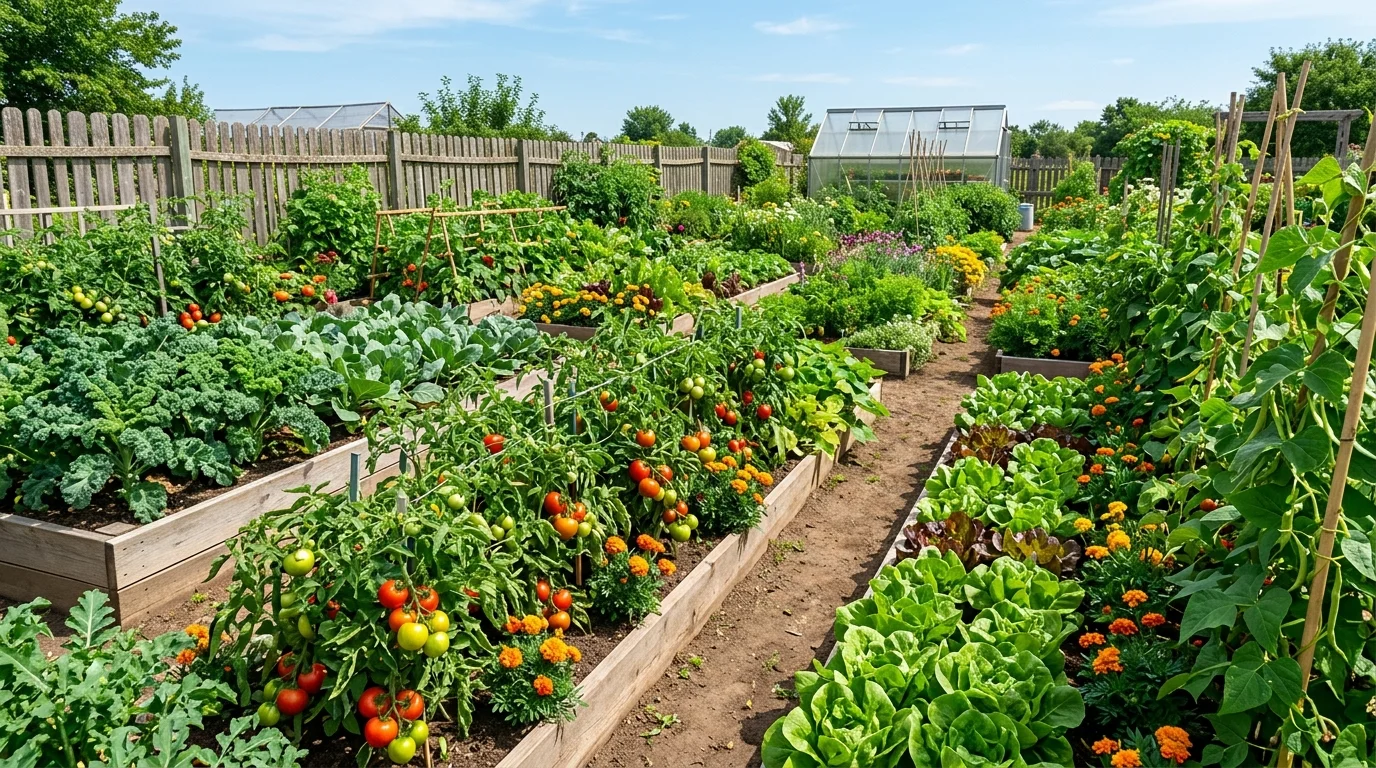
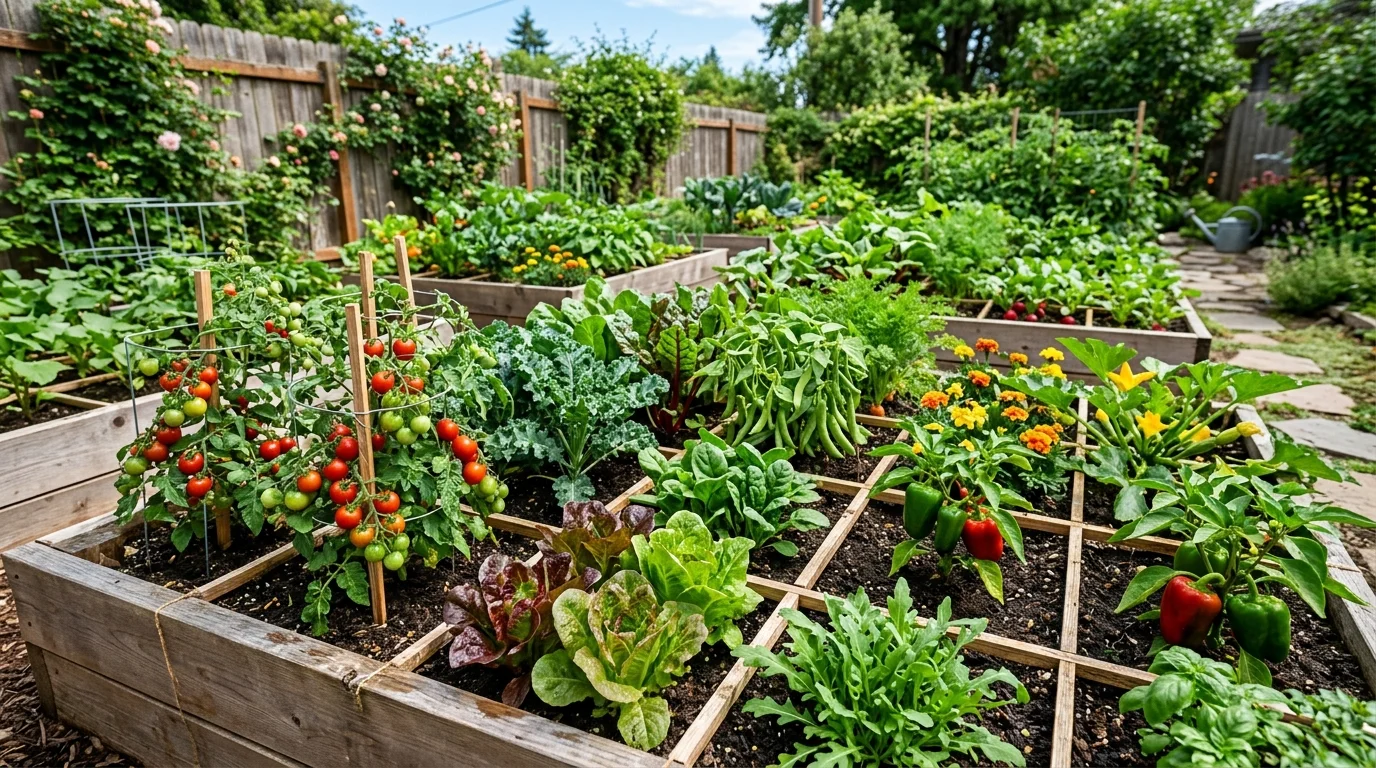
15. Learn from a fully grown square foot garden
One of the best ways to improve your own garden is to study a mature square foot bed. You can see how the spacing works in practice, how plants fill out over time, and where extra support or future adjustments might help.
At full growth, the method really shows its strength. A relatively small bed can feel abundant, organized, and highly productive all at once.
Final thoughts on square foot gardening tips
Square foot gardening succeeds because it combines structure with flexibility. The grid keeps everything organized, but the system still leaves room for seasonal changes, crop rotation, and personal planting choices.
If you are gardening in a small space, this method is one of the easiest ways to stay productive without feeling overwhelmed. Start with one well-planned bed, choose crops you will actually use, and let the grid help you make the most of every inch.