Small vegetable gardens work best when the layout does the heavy lifting. Instead of spreading plants wherever they fit, these designs focus on structure, access, and the way the sun moves across your space. That planning is what turns a tiny plot into a reliable harvest.
The ideas below are built for real-life yards, balconies, and side spaces. Each layout keeps maintenance easy and harvesting comfortable, while still giving you a garden that looks tidy and intentional.
What makes a small vegetable layout successful
- Clear paths that keep you from stepping on soil
- Plant groupings based on light and watering needs
- Vertical or layered zones to maximize square footage
- A layout that is easy to reach from every side
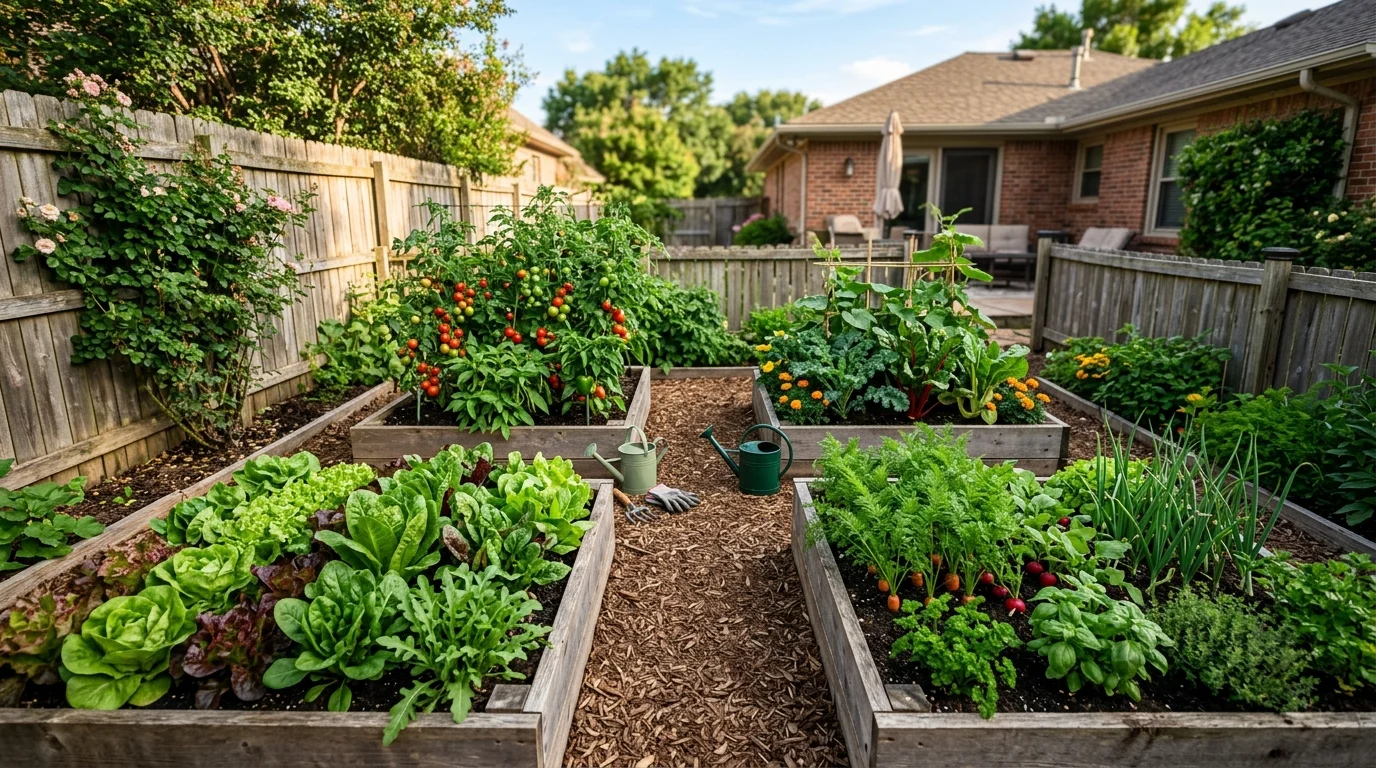
1. Raised bed grid layout
A raised bed grid keeps everything organized and accessible. You can divide the bed into sections for rotation and companion planting, which makes the harvest more consistent.
This layout is ideal for beginners because it removes guesswork. Each square becomes a clear mini plot with a purpose.
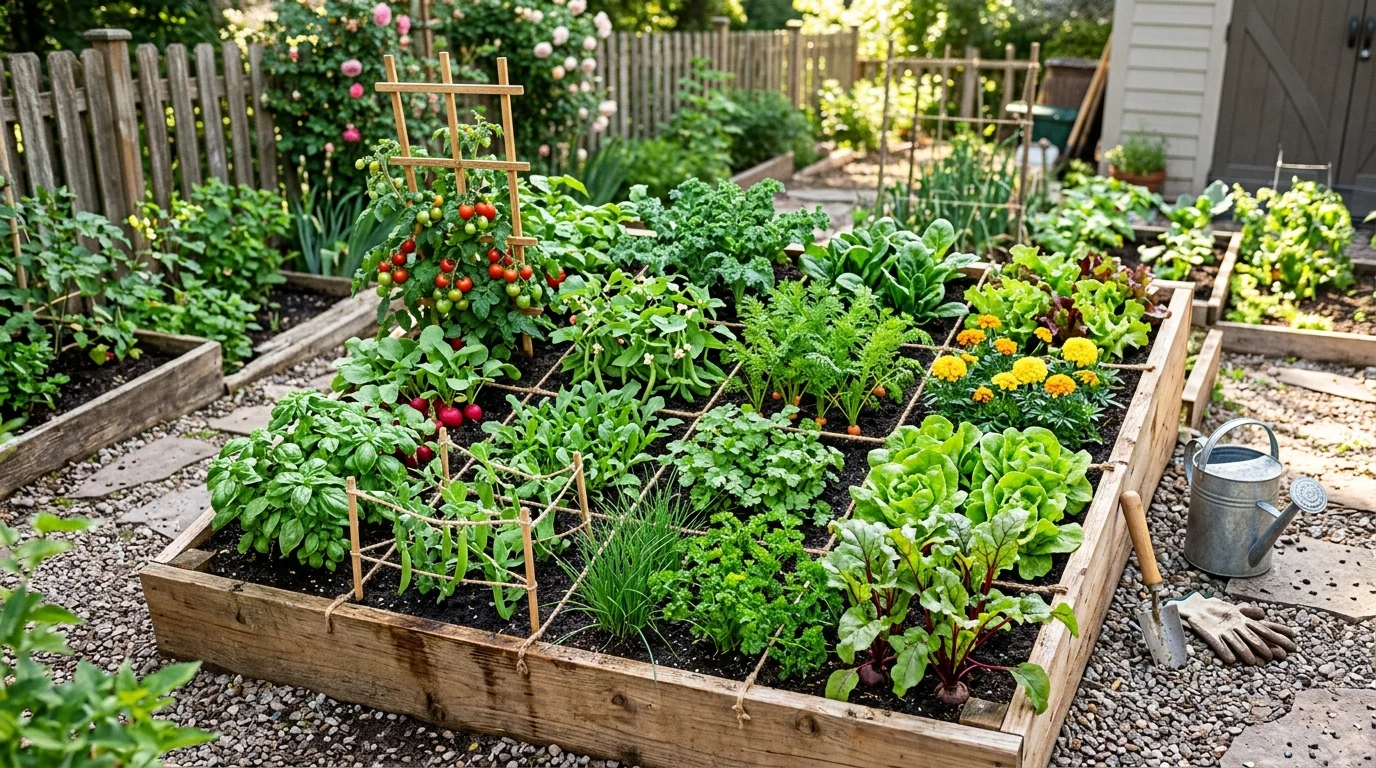
2. Square foot garden design
Square foot gardening is one of the most efficient ways to grow in a small space. It uses a grid system to maximize yield without crowding plants.
Because each square has a specific crop, it is easy to track what is growing and when to replant.
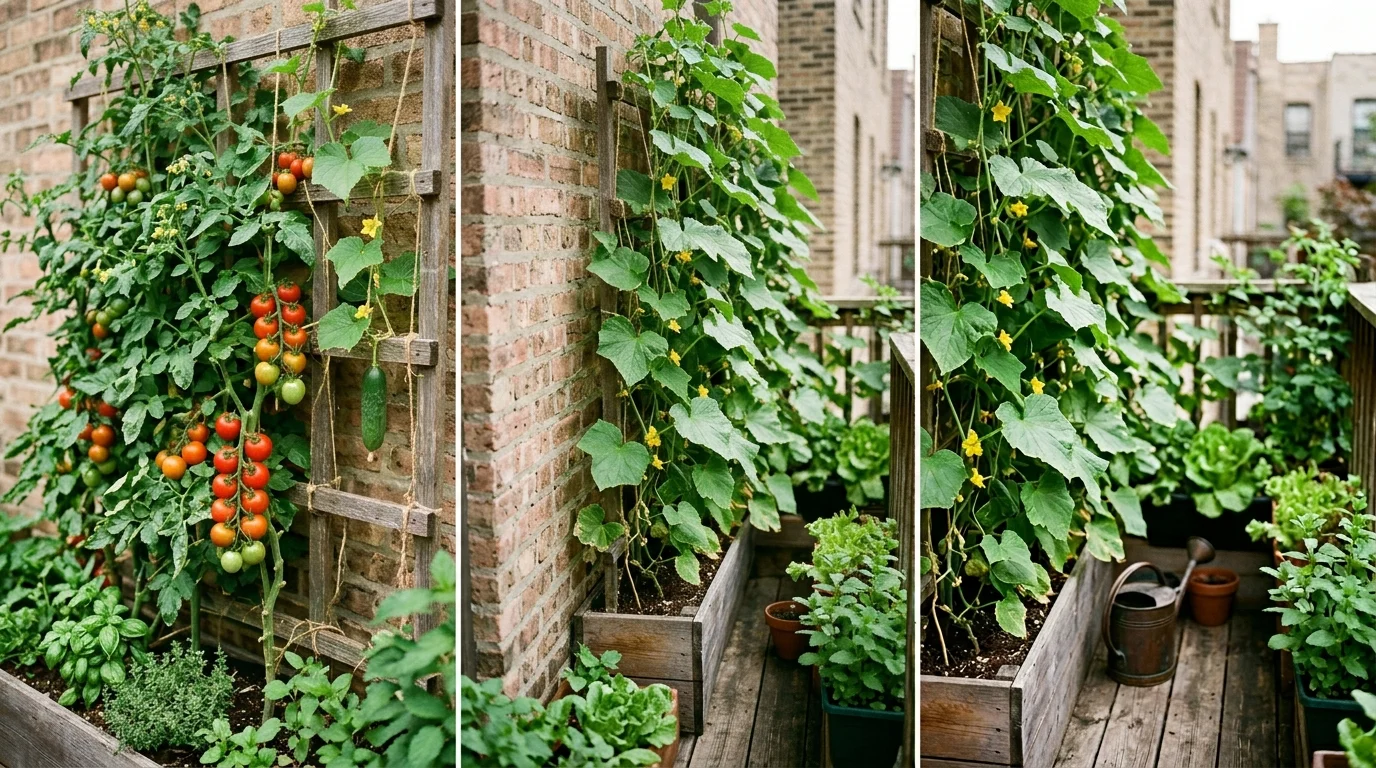
3. Vertical vegetable garden
Vertical layouts add height without taking up extra ground. Use trellises, wall planters, or towers to grow climbing vegetables like beans, cucumbers, and peas.
This also improves airflow and makes harvesting easier, especially in narrow yards or balconies.
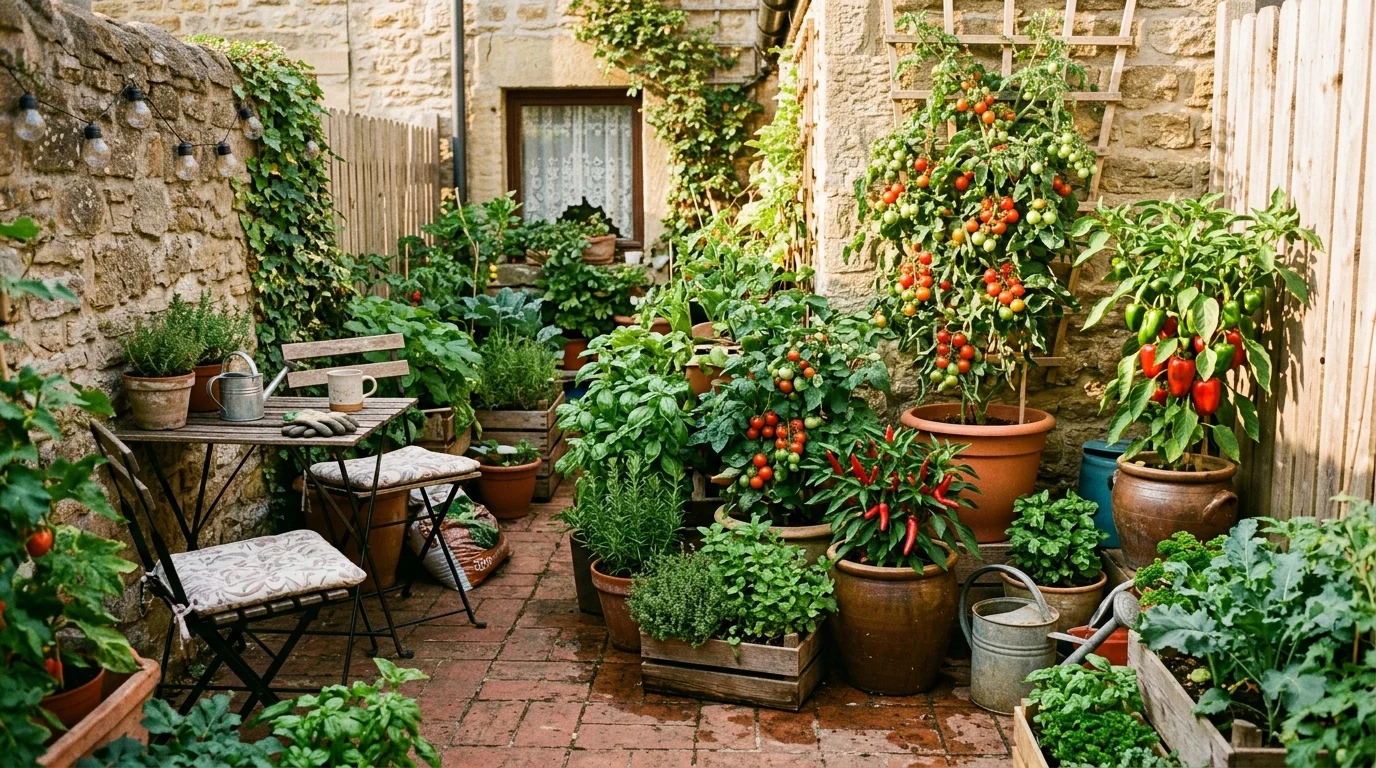
4. Container vegetable garden
Containers make it easy to control soil quality and move plants for better light. Group similar crops together so watering stays simple.
This layout is perfect for patios or renters who need a flexible setup.
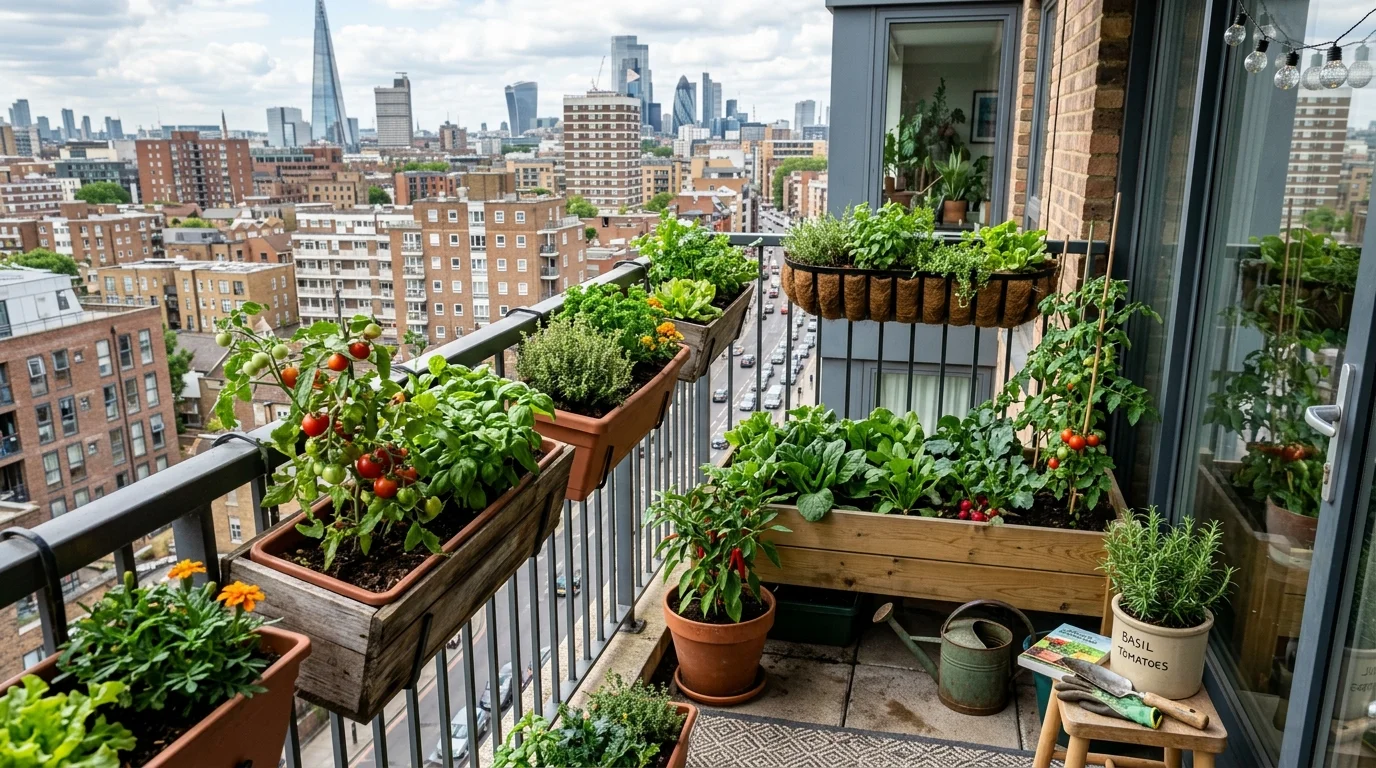
5. Balcony vegetable garden
Balconies can produce a surprising amount of food when the layout is vertical and layered. Use railing planters, shelves, and hanging pots to keep the floor clear.
Choose compact varieties like cherry tomatoes, leafy greens, and herbs for the best results.
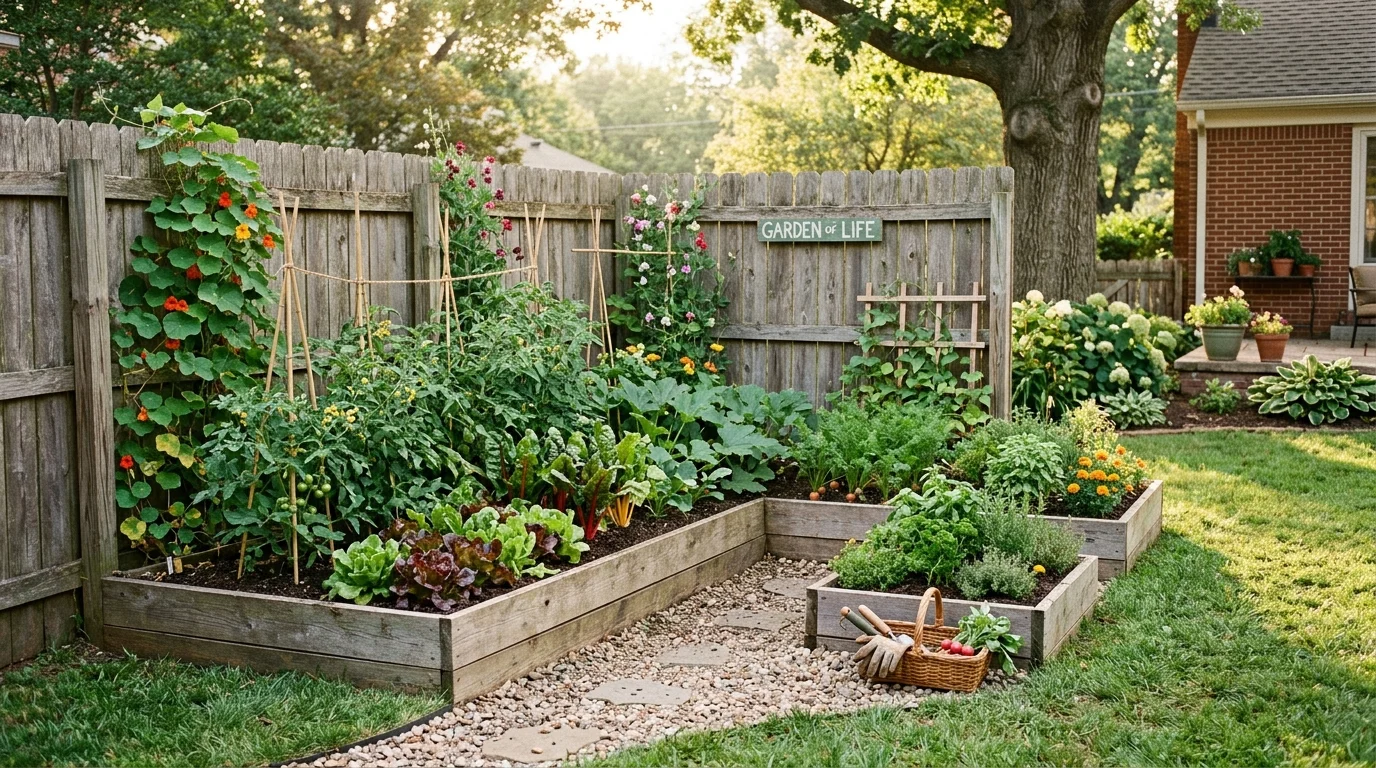
6. L-shaped garden layout
An L-shaped layout hugs a corner and leaves the center open. It is a smart option for patios or small yards where you still want space for seating.
Use taller plants on the back wall and shorter crops toward the edges to keep light even.
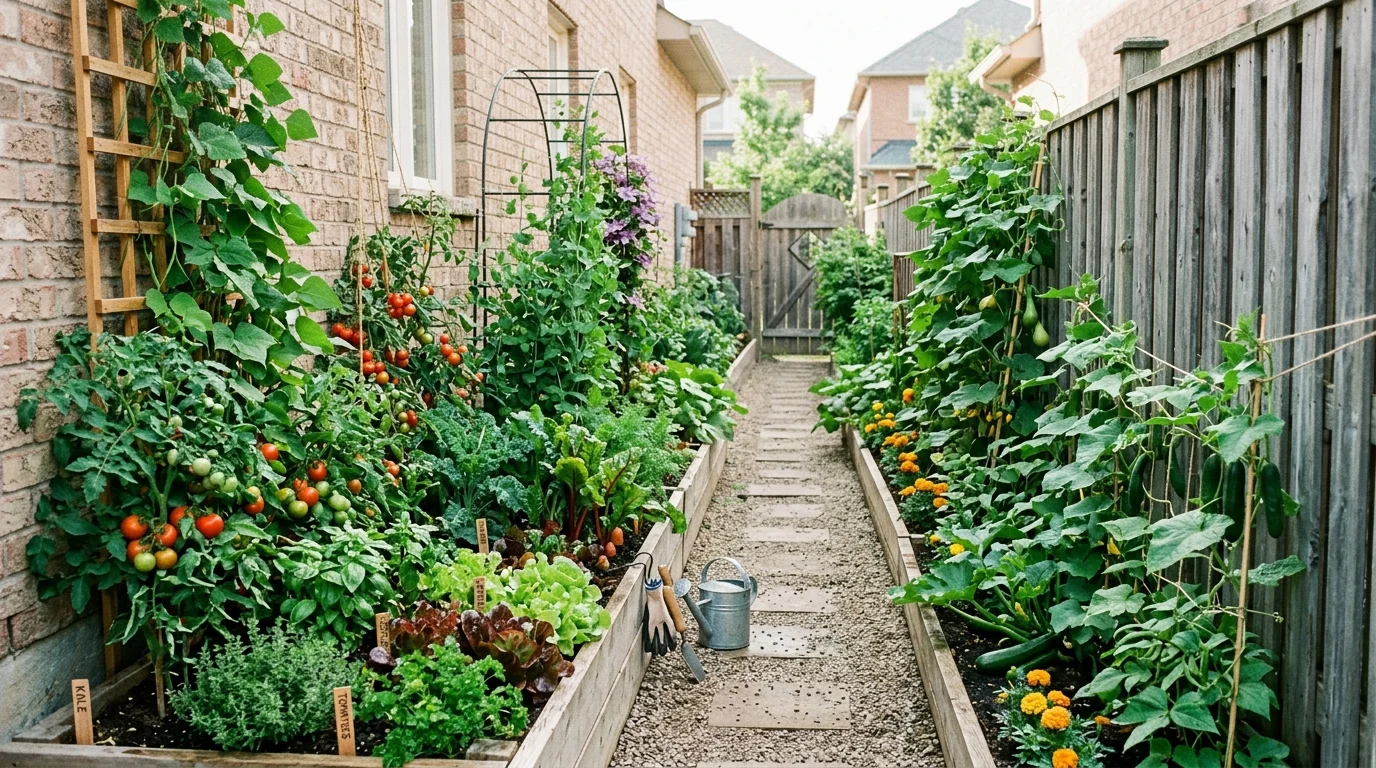
7. Narrow side yard garden
Side yards are often overlooked, but they can be productive with the right layout. A narrow path down the center keeps the space accessible without wasting area.
This works best with vertical crops and tidy rows that follow the length of the yard.
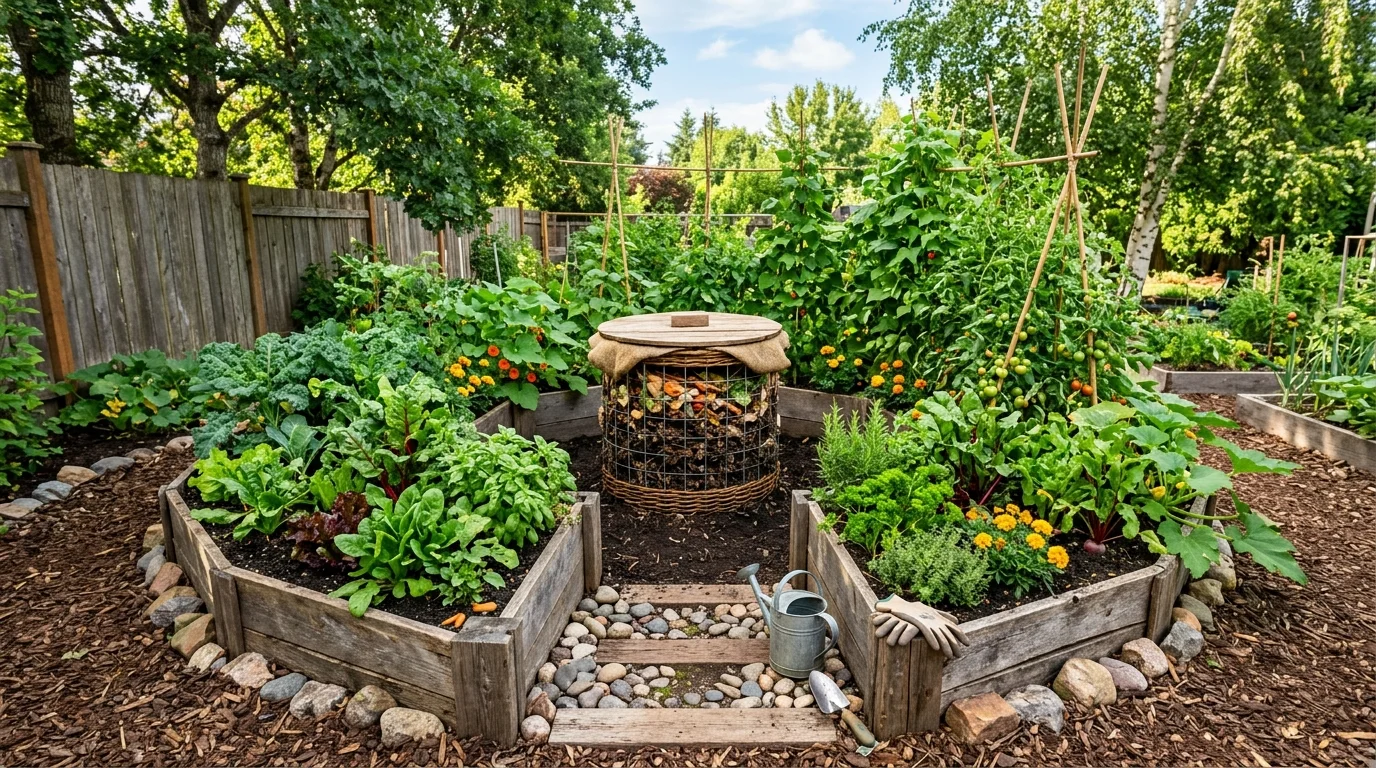
8. Keyhole garden design
Keyhole gardens combine a circular bed with a small access path that lets you reach the center. This design is space efficient and visually interesting.
It also improves soil health because the central compost area feeds the surrounding beds.
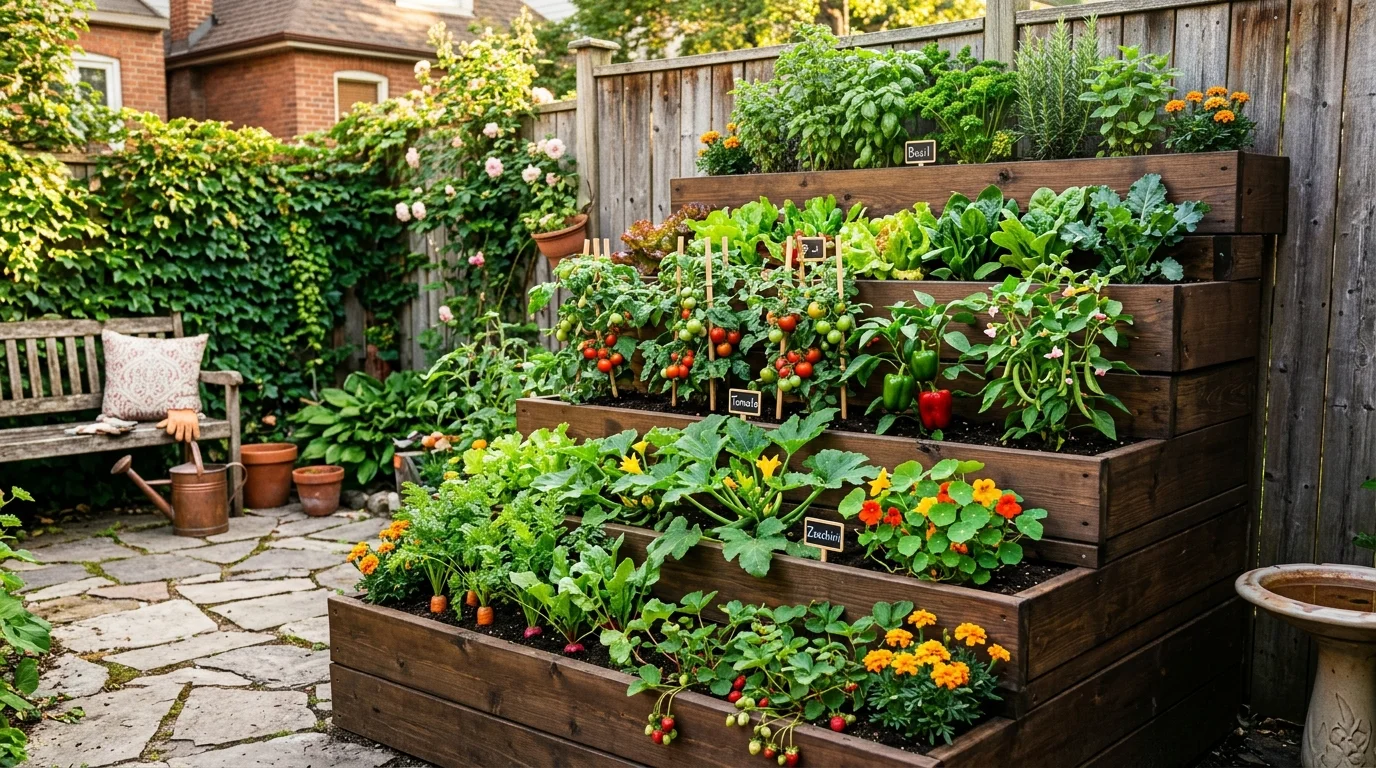
9. Tiered vegetable garden
Tiered beds create multiple planting levels in a small footprint. This is great for sloped yards or spaces where you want to add depth.
The raised levels also make harvesting easier and keep soil from compacting.
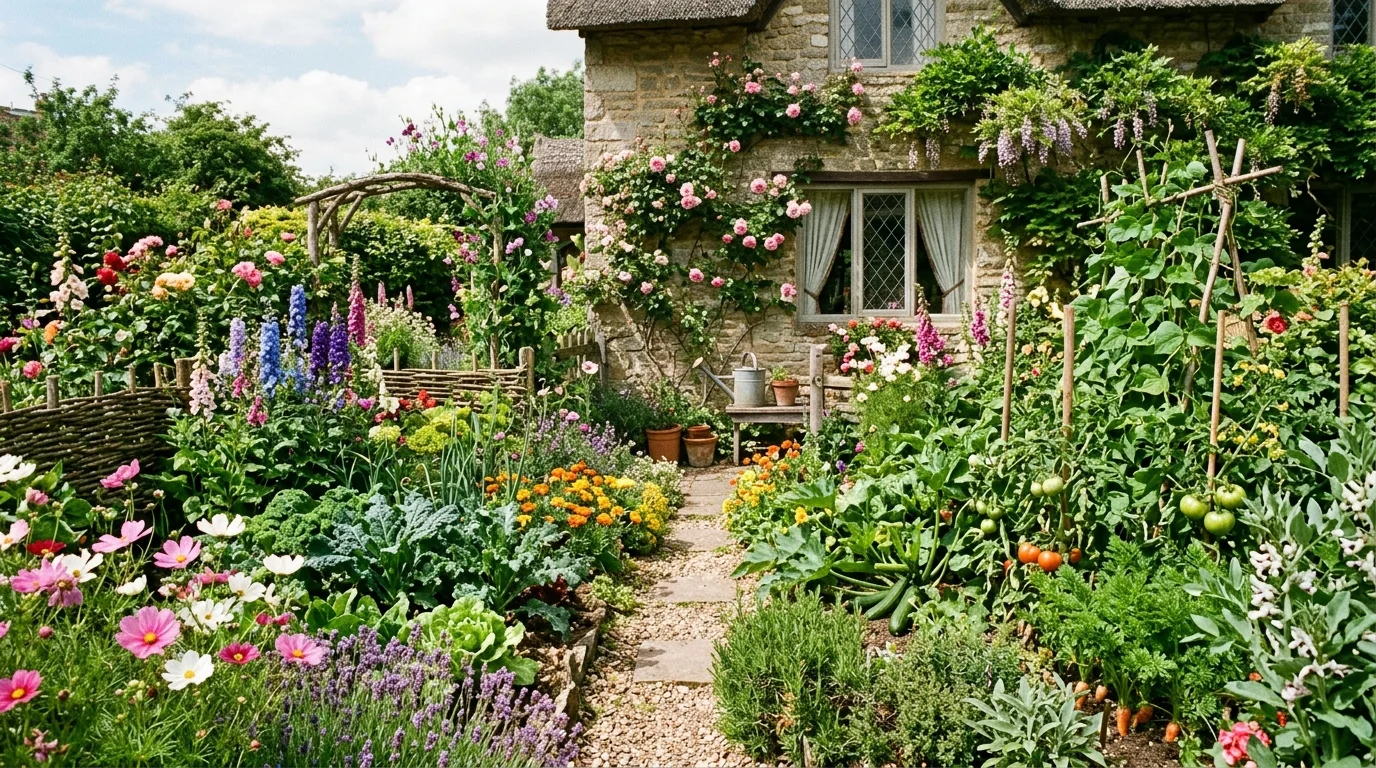
10. Mixed flower and vegetable garden
Mixing flowers with vegetables adds beauty while supporting pollinators. A blended layout can also reduce pests and make the garden feel less utilitarian.
Stick to a simple color palette so the mix feels intentional instead of messy.
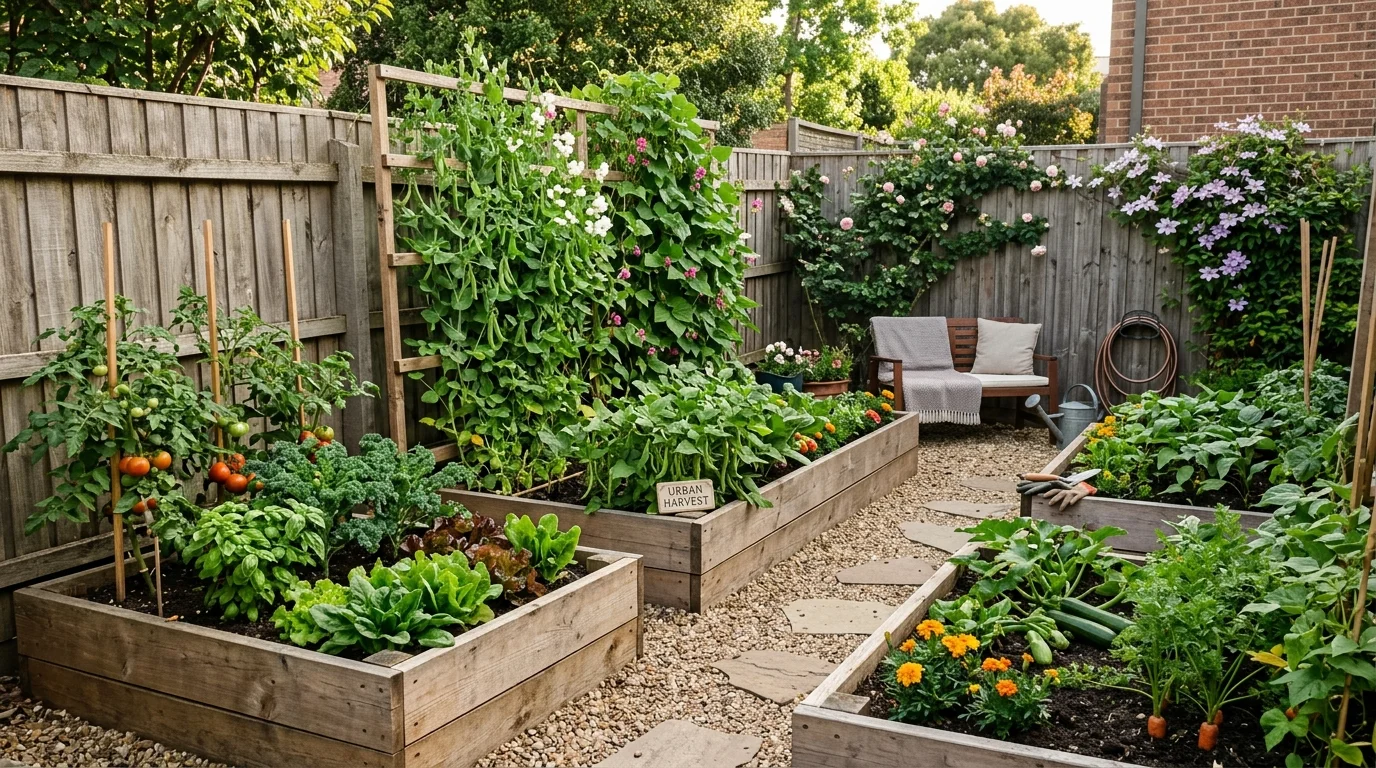
11. Backyard corner garden
Corner gardens are natural zones for compact planting. Use two sides for trellises and keep the center open for lower crops.
This layout makes a small yard feel larger because the garden is tucked into one defined area.
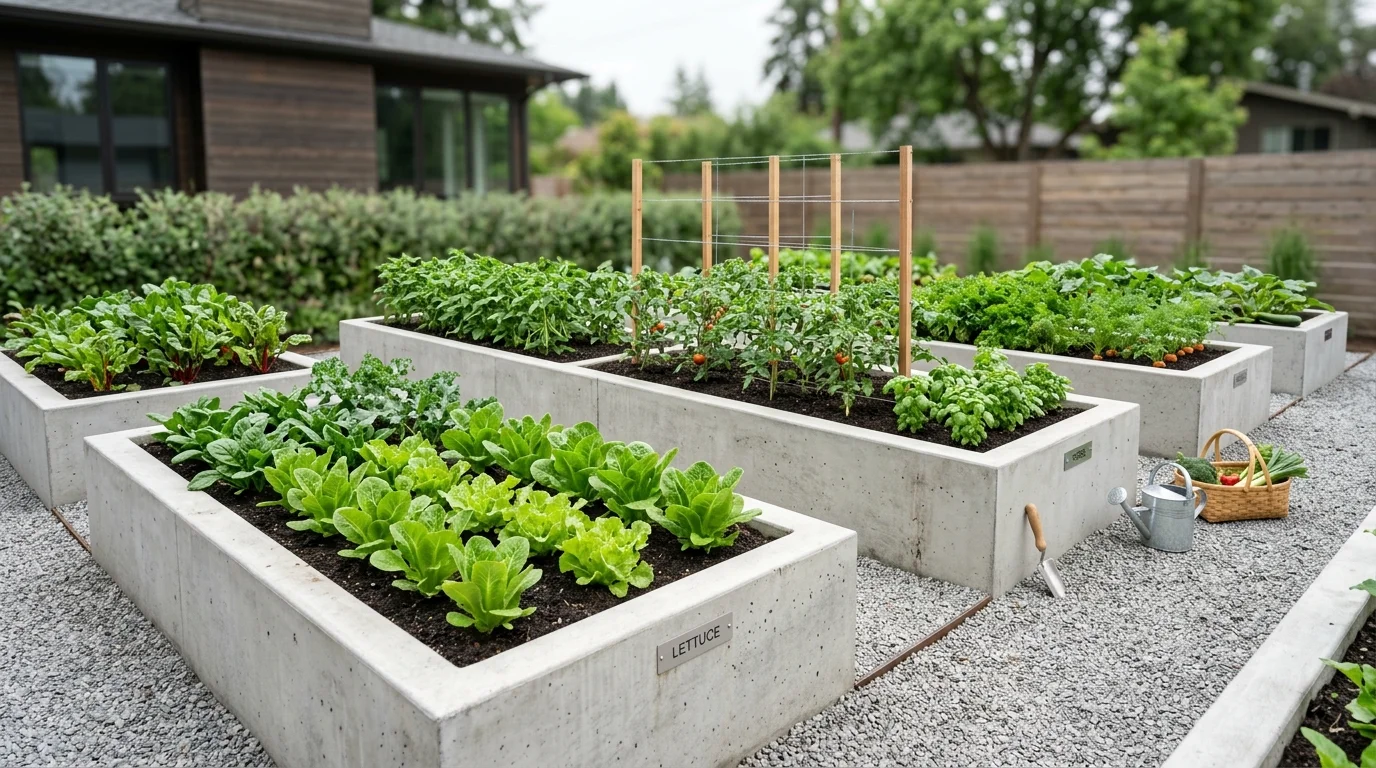
12. Modern minimal vegetable garden
Minimal layouts use clean lines, uniform beds, and simple materials. They look neat and make maintenance straightforward.
This style works especially well if you want the vegetable garden to blend with a modern patio or landscape design.
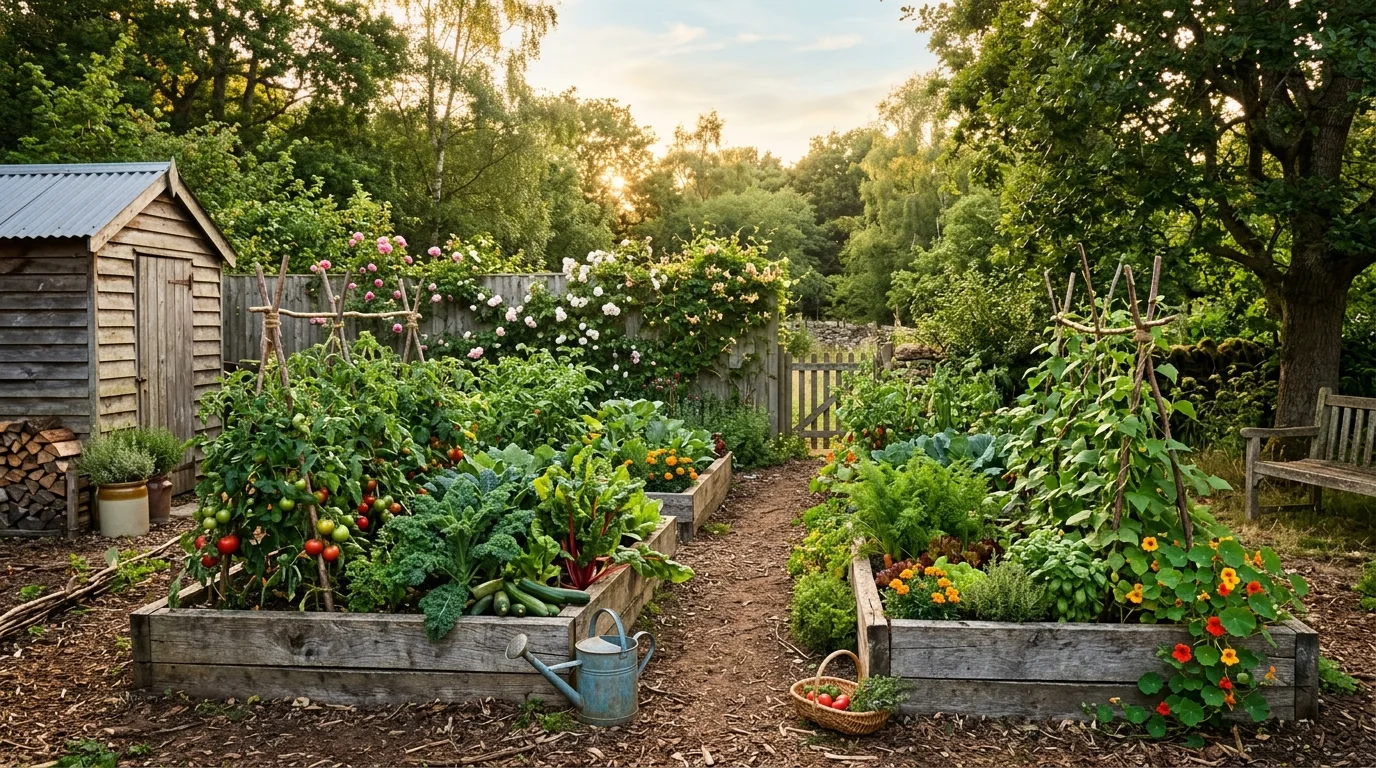
13. Rustic cottage garden layout
Rustic cottage layouts feel relaxed and abundant. They use curved edges, mixed plant heights, and soft pathways for a natural look.
This is ideal if you want a vegetable garden that feels decorative as well as productive.
14. Greenhouse mini garden
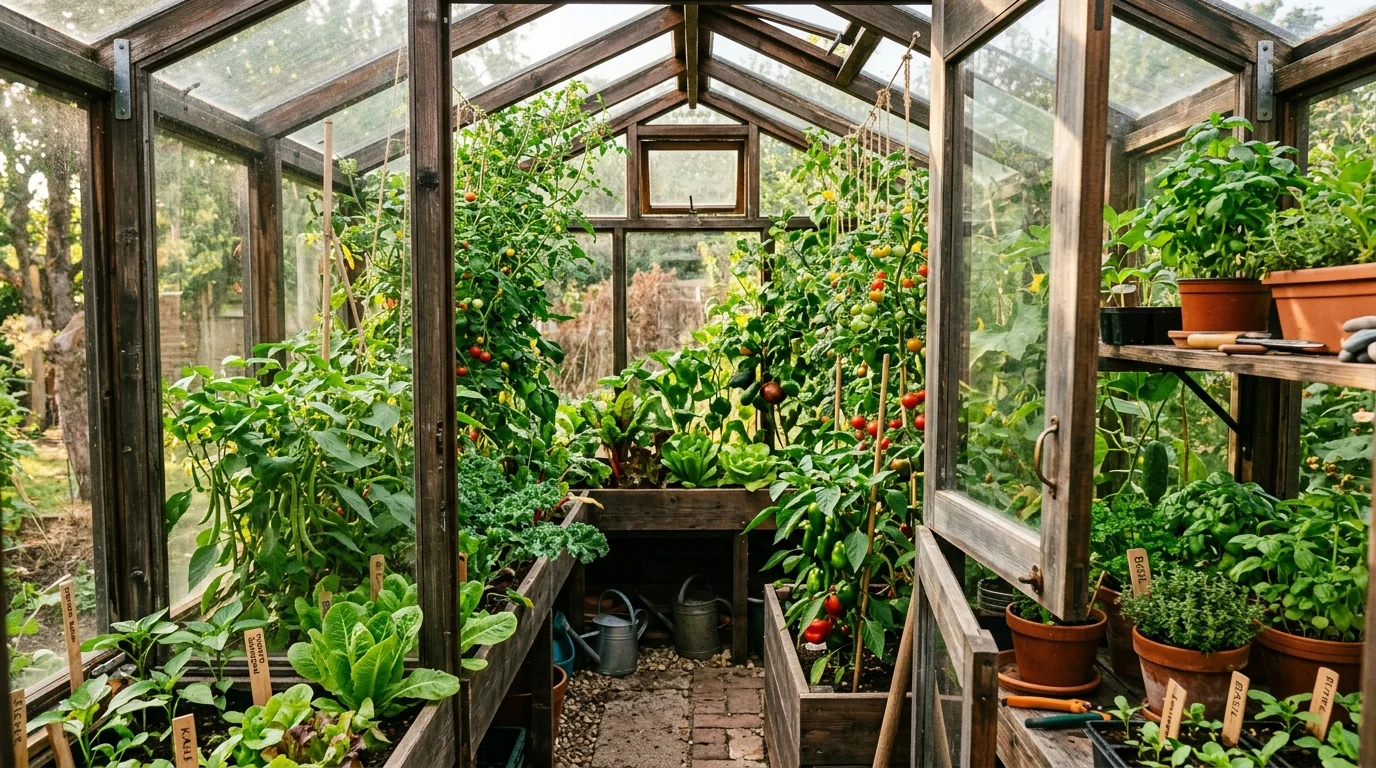
If you have even a tiny greenhouse, use it for high-value crops like herbs, seedlings, and greens. A small interior layout can extend the season dramatically.
Keep the pathways clear so the space feels open, even when plants are packed in.
15. Pathway-centered garden layout
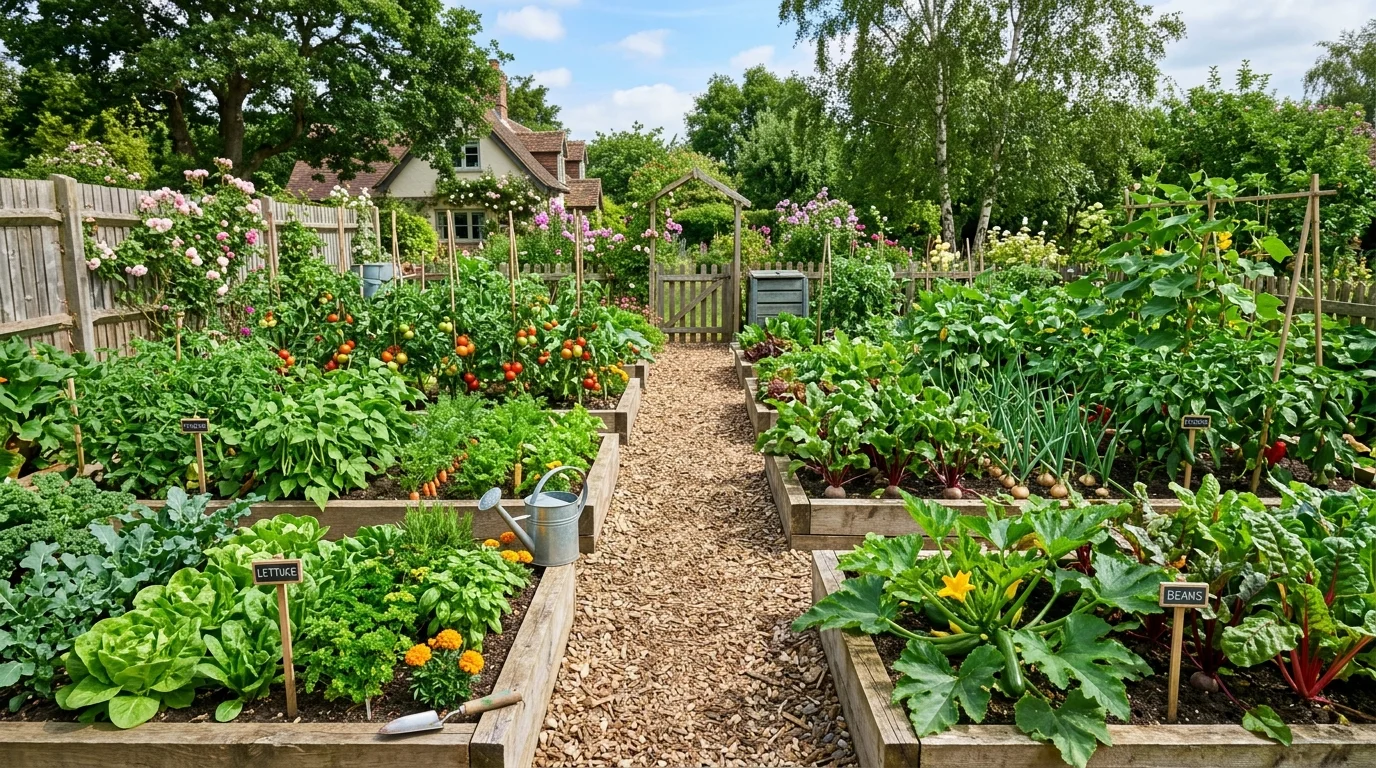
A centered path keeps the garden easy to access while still maximizing planting space on both sides. It works well in rectangular plots and small backyards.
Use stepping stones or gravel so you can reach every bed without compacting the soil.
Final thoughts on small vegetable garden layouts
Tiny plots can be incredibly productive when the layout is intentional. Start by choosing a structure that fits your space, then scale the planting to match your time and goals.
With a smart plan, even a small garden can deliver a steady harvest and a beautiful outdoor spot to enjoy.