Small space gardening is all about strategy. When every inch matters, the right layout and container choices can transform a tiny yard into a productive, beautiful garden. The goal is to grow more without making the space feel crowded.
These tips focus on vertical solutions, smart layout tricks, and flexible setups that fit patios, balconies, and compact backyards.
What makes a small space garden work
- Clear paths so maintenance stays easy
- Vertical and layered planting to increase capacity
- Containers that are scaled to the space
- A layout that keeps light reaching every plant
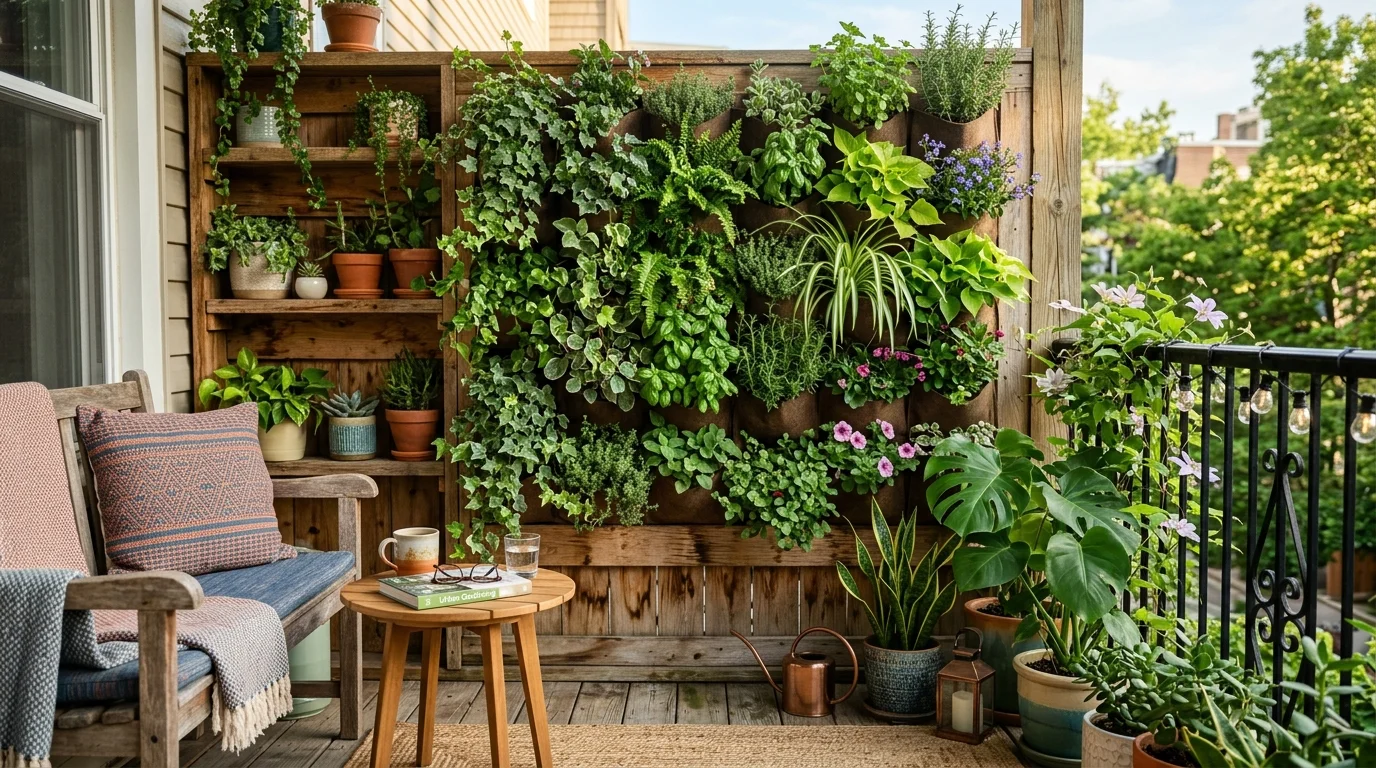
1. Build a vertical gardening wall
Vertical walls use height instead of floor space. They are perfect for herbs, greens, and trailing plants.
Keep the wall close to a water source so watering stays simple and you avoid runoff issues.
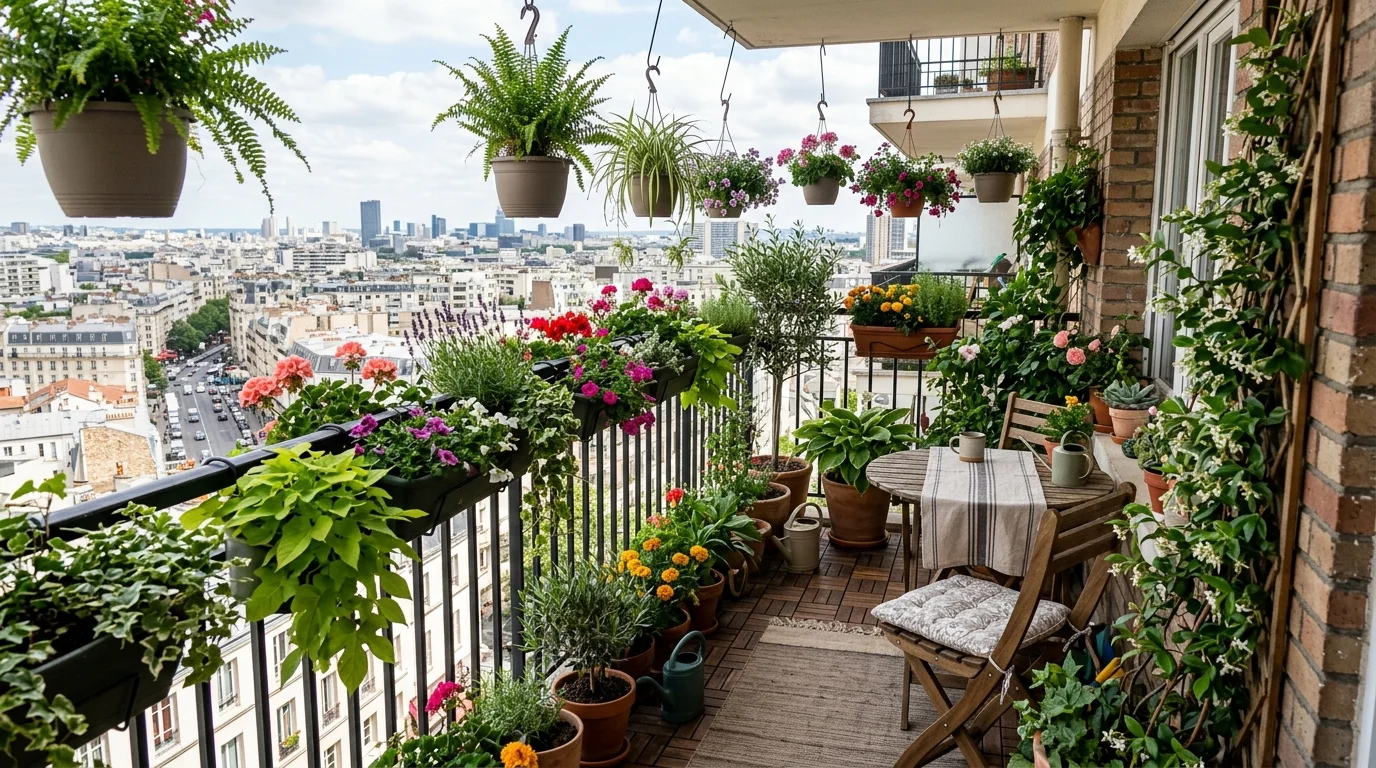
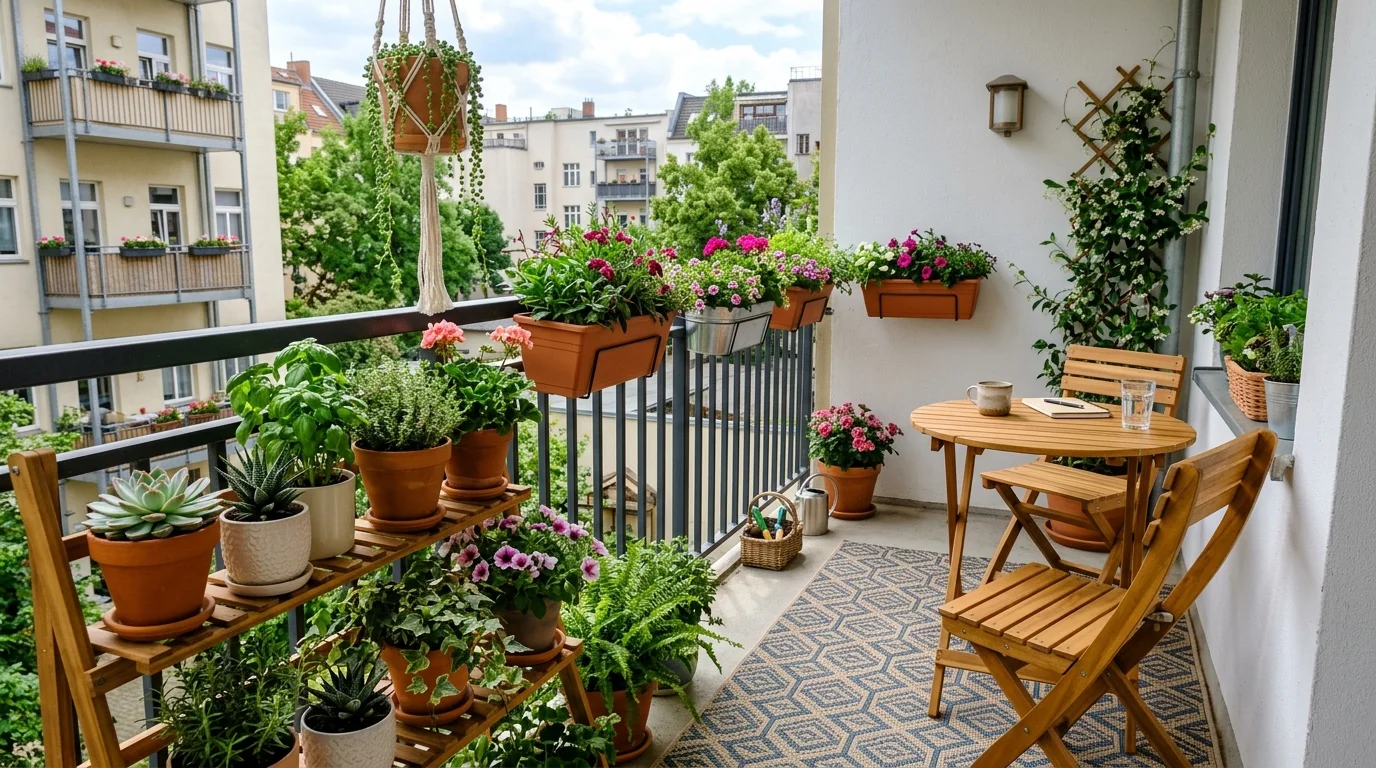
2. Optimize your balcony layout
Balconies need clear walking space, so keep planters along the edges. Use rail planters and narrow shelves to keep the center open.
This makes the balcony feel larger while still giving you plenty of growing room.
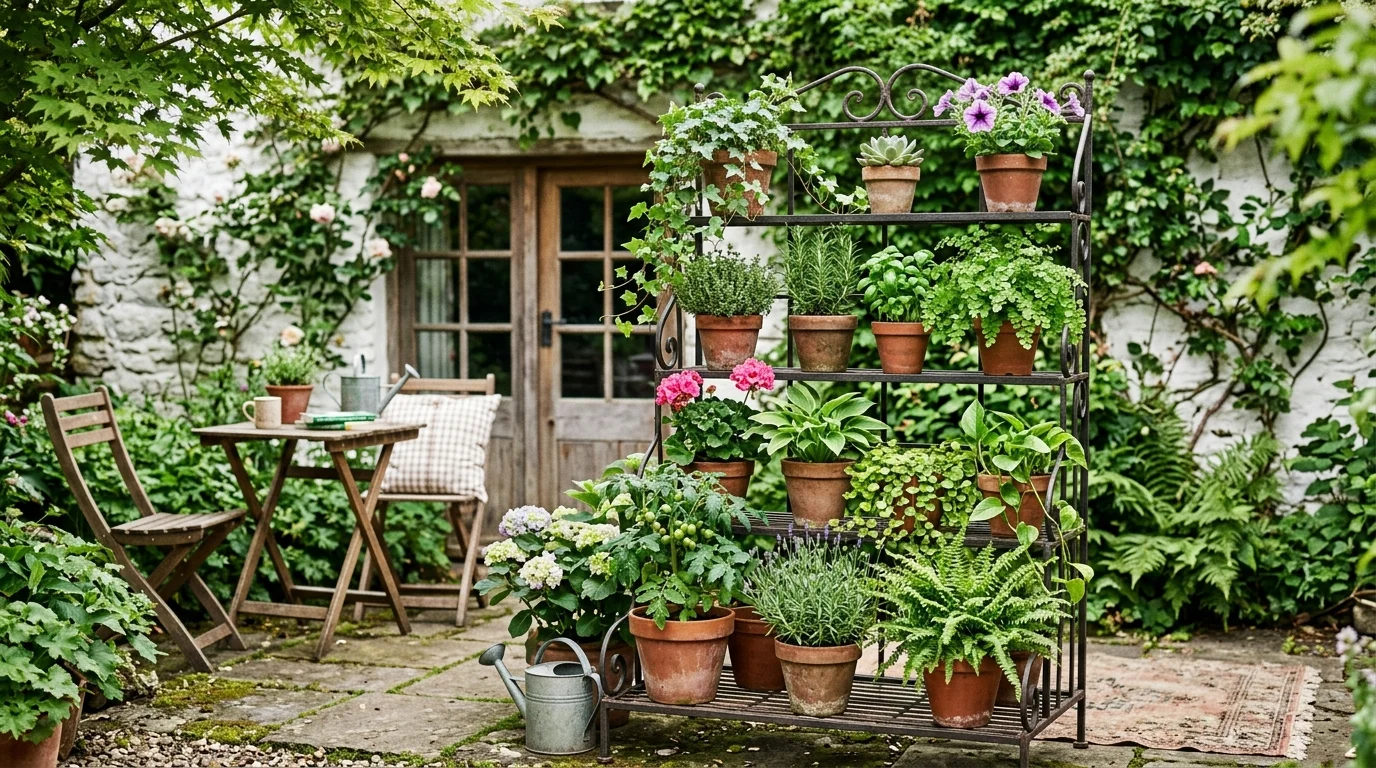
3. Use a multi-tier plant stand
Tiered stands add layers without taking extra width. They are ideal for mixed plantings and make harvesting easier.
Rotate the stand occasionally so each level gets balanced light.
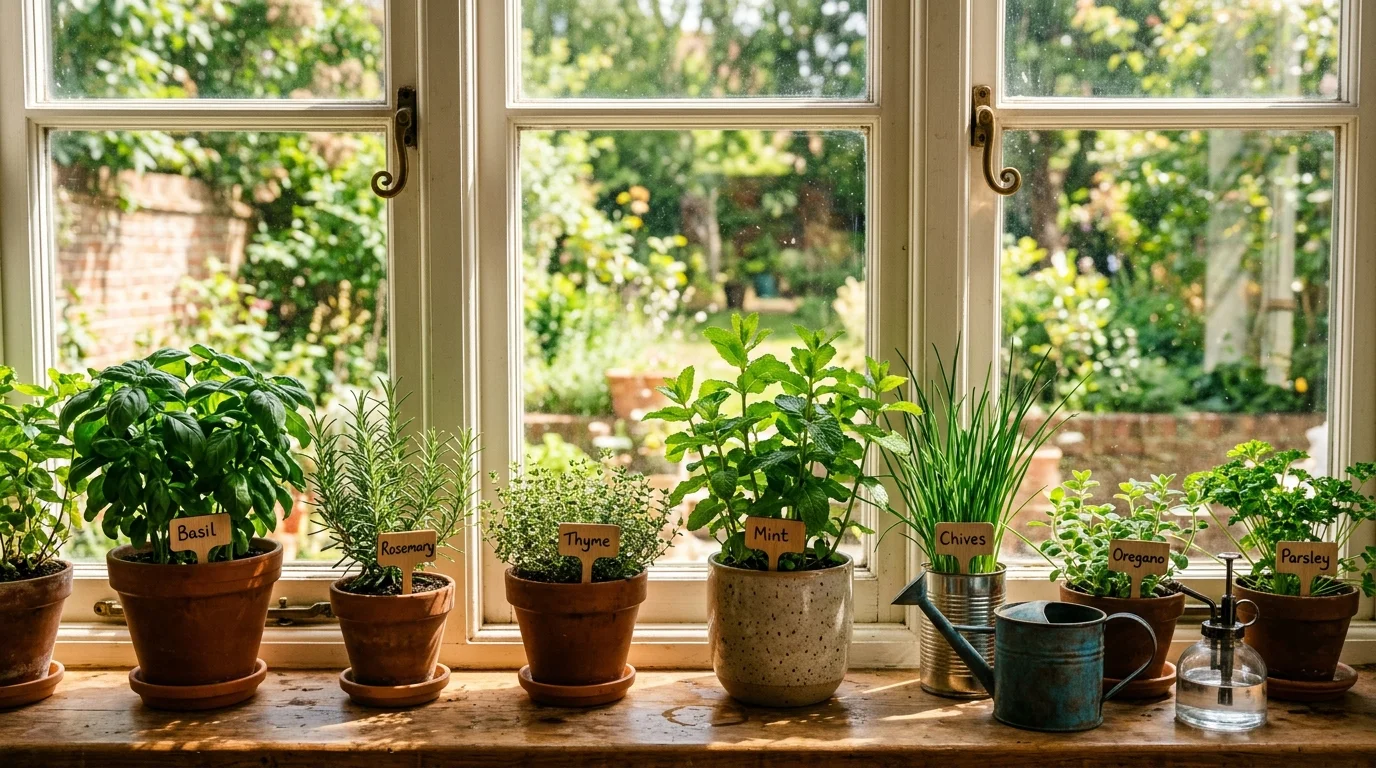
4. Grow on a window sill
Window sills are underrated growing spots. They are perfect for herbs, microgreens, and small flowering plants.
Choose shallow containers so you do not block light or create clutter indoors.
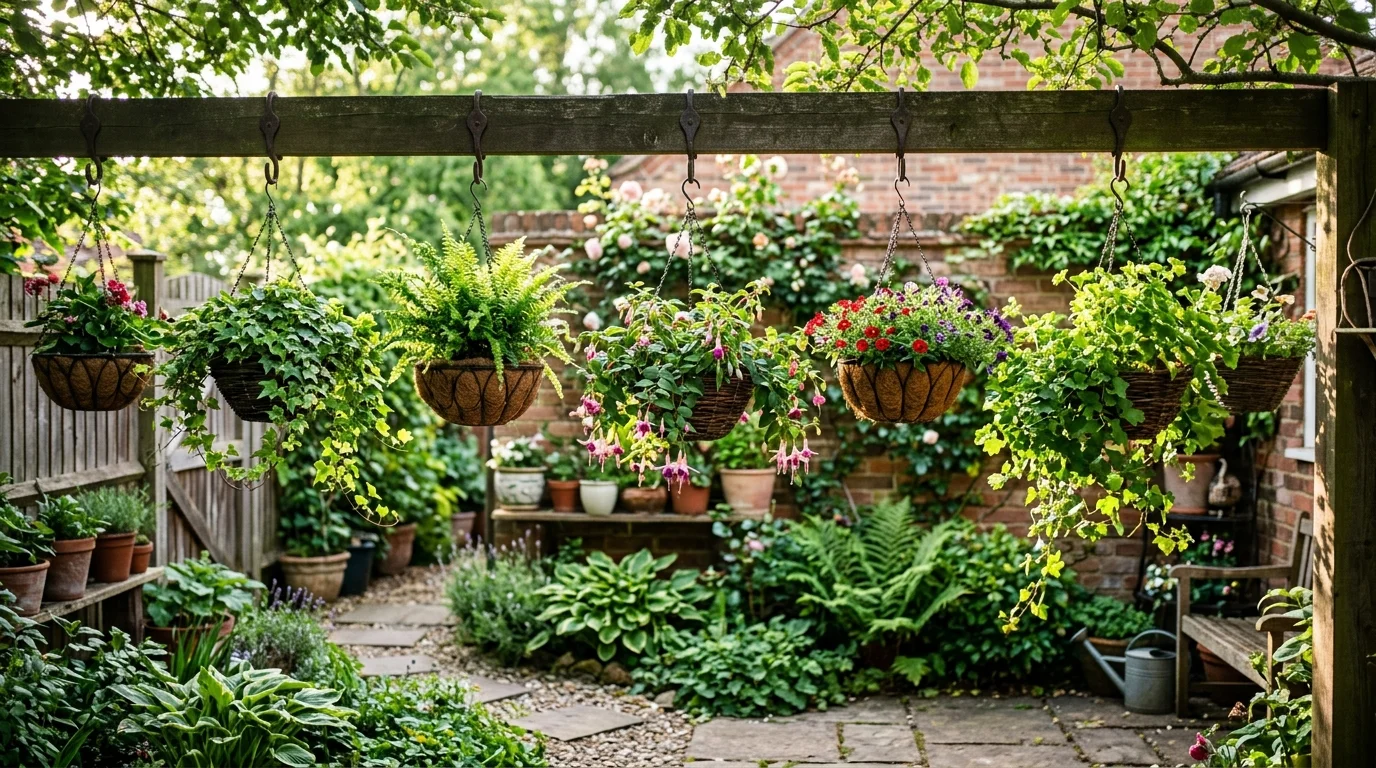
5. Add a hanging basket garden
Hanging baskets are a simple way to add greenery without using floor space. They also create a lush, layered look.
Place them where they can be watered easily, and choose trailing plants for a softer feel.
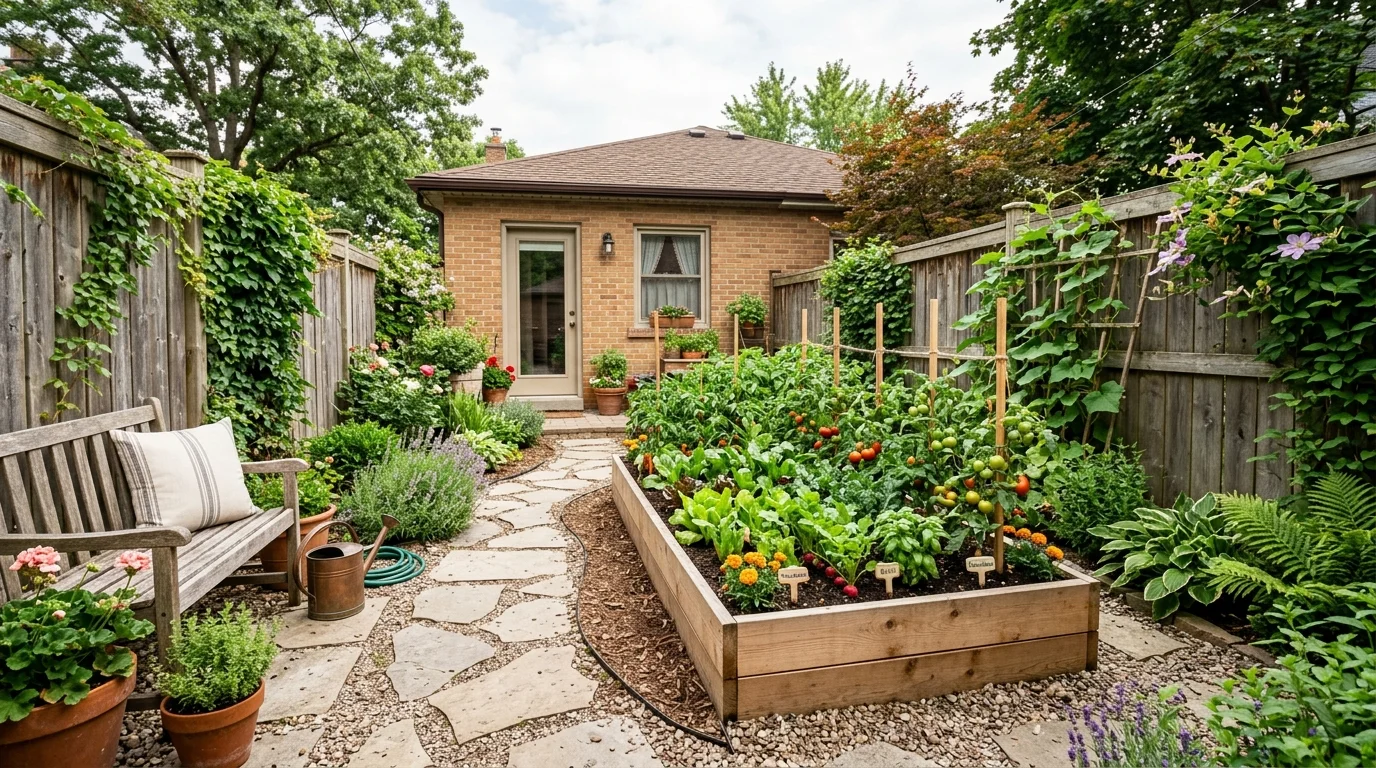
6. Install a raised bed in a tiny yard
Even a single raised bed can make a big difference. It defines the garden zone and improves soil quality.
Keep the bed narrow enough to reach from both sides without stepping into the soil.
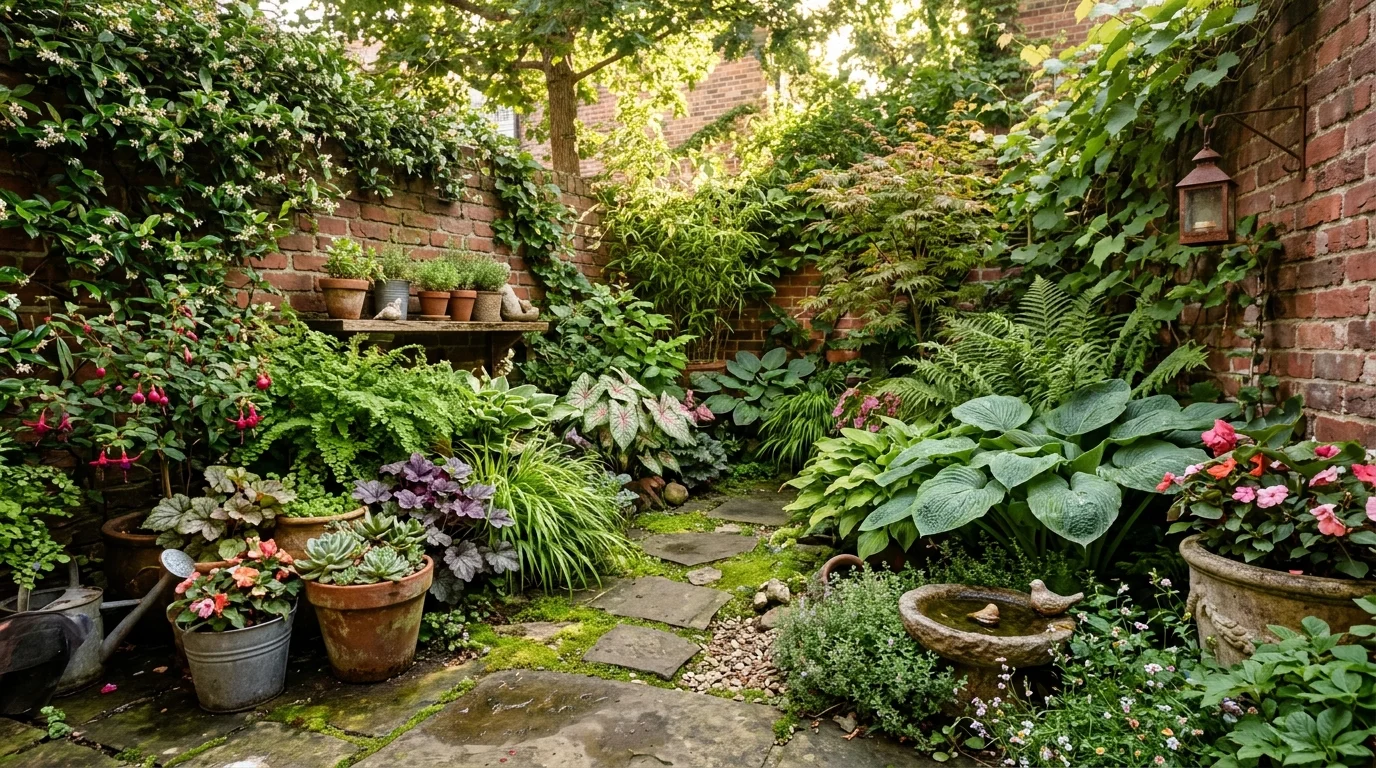
7. Use corner spaces wisely
Corners are often wasted space. A compact corner garden can hold tall plants, a trellis, or a stacked planter.
This keeps the center of the yard open while still adding growth.
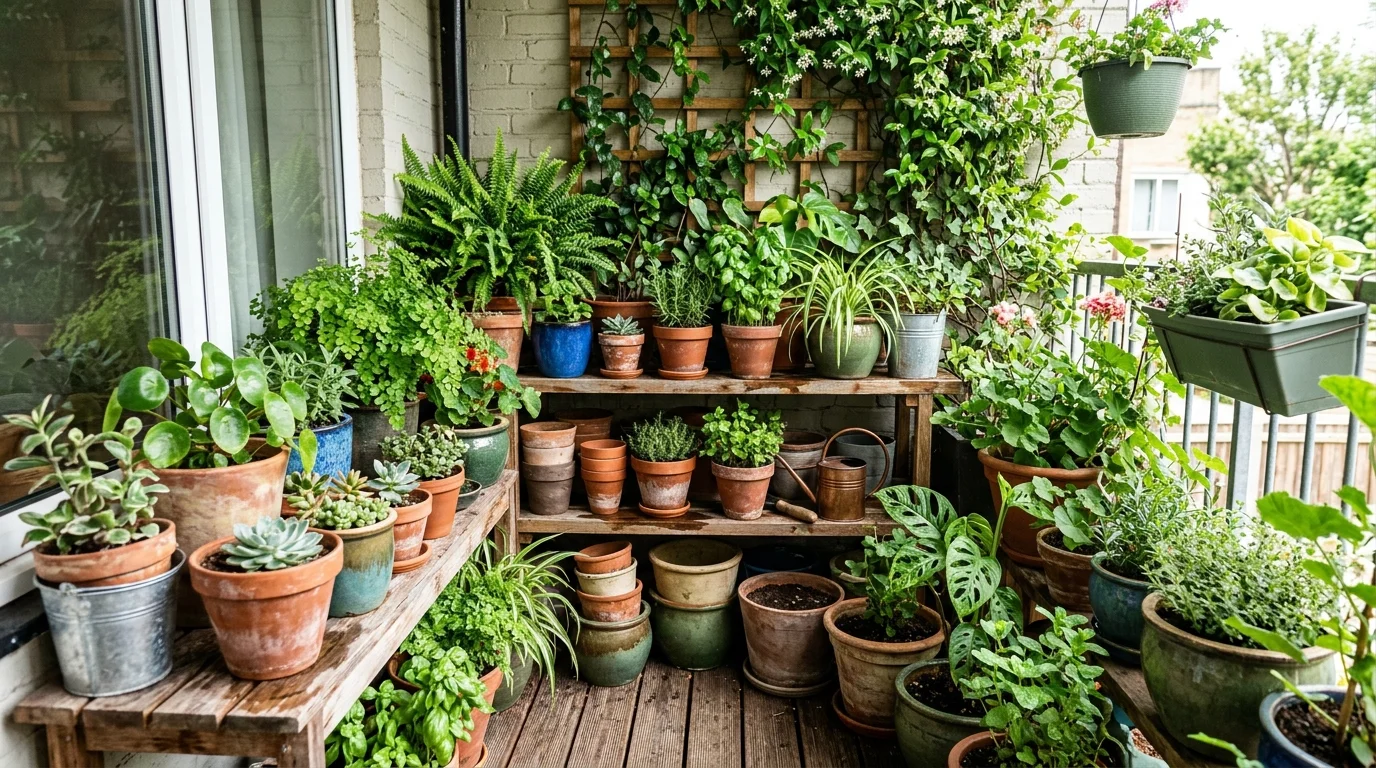
8. Create a compact container garden
Container gardens are flexible and easy to rearrange. Use a mix of sizes so taller plants sit in larger pots and smaller plants fill gaps.
Grouping containers by sunlight needs makes daily care much simpler.
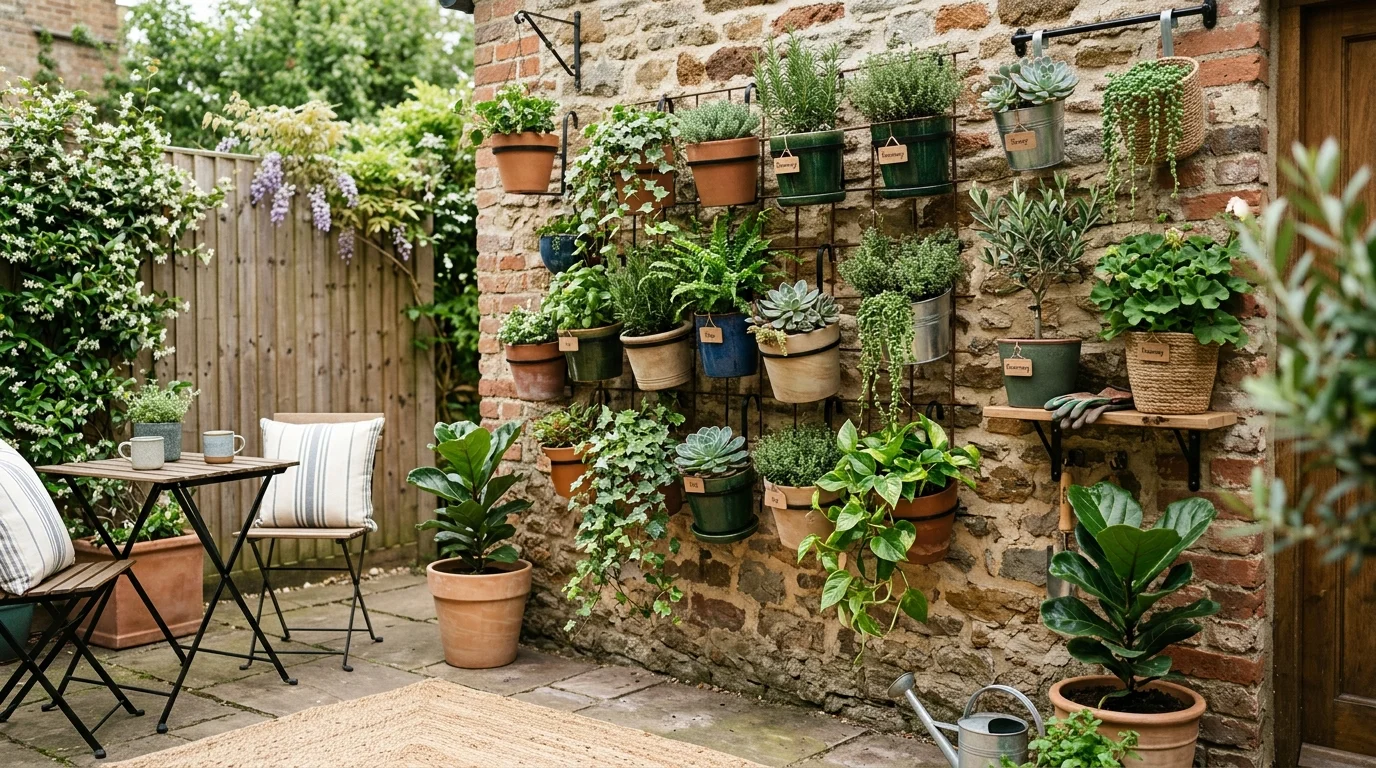
9. Mount planters on walls
Wall-mounted planters free up the ground while still adding lushness. They work well for herbs, succulents, or compact flowers.
Make sure the wall can handle moisture and add a drip tray if needed.
10. Try a foldable garden setup
Foldable or movable planters are perfect for small spaces that need flexibility. You can shift them for sun, gatherings, or seasonal changes.
This is ideal for balconies that double as dining or lounge areas.
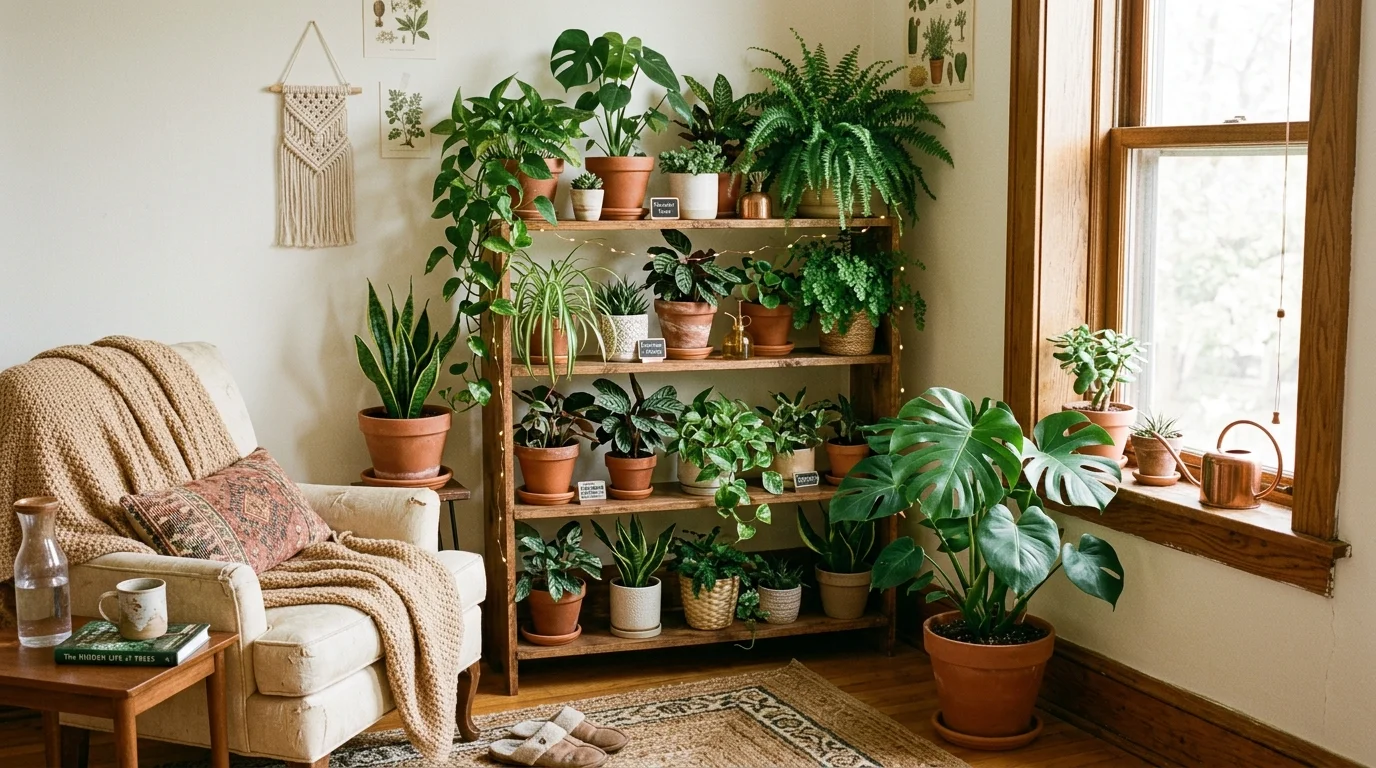
11. Grow indoors when outdoor space is limited
Indoor gardening keeps herbs and greens within reach year-round. Use shelves, grow lights, or a sunny corner to maximize space.
This is a great backup when weather or limited outdoor space makes growing difficult.
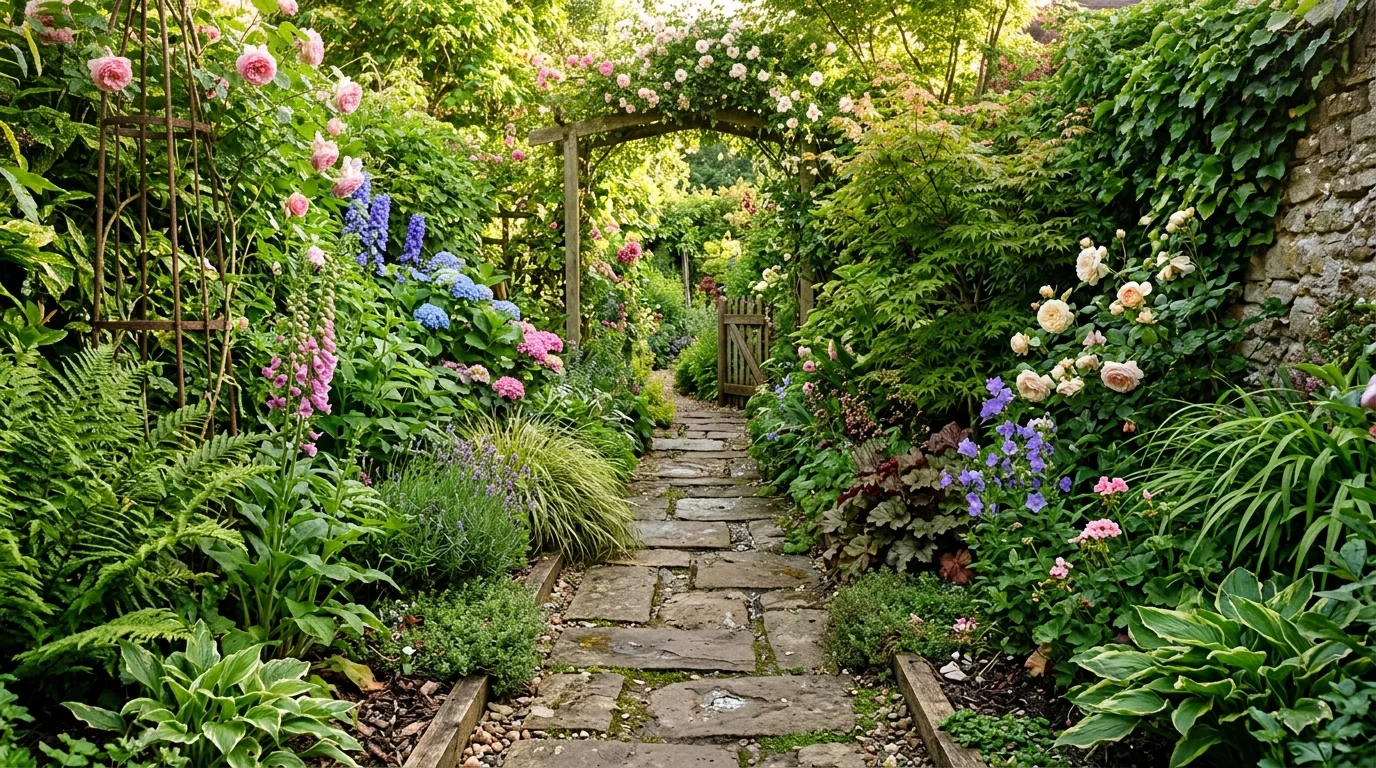
12. Use pathways to define small layouts
Even tiny gardens benefit from a clear pathway. A narrow path keeps the layout tidy and makes maintenance easier.
Use stepping stones or gravel to create structure without wasting much space.
Final thoughts on small space gardening
Small gardens thrive when the layout is intentional. Focus on vertical space, clear access, and containers that fit your lifestyle.
With the right setup, even a tiny balcony or side yard can become a productive, beautiful garden.