Planting a cut flower garden is one of the most satisfying ways to connect outdoor growing with indoor beauty. The best gardens for cutting are planned with clear structure, repeat bloom, and practical harvesting in mind so they stay useful and attractive all season. These ideas focus on setting up a cut flower garden that feels generous, orderly, and easy to enjoy.
If you want to keep exploring this style, read 13 Best Cut Flower Garden Ideas for Planting, 10 Blue Hibiscus Flower Garden Ideas, and 10 Cozy Garden Design Ideas That Actually Work for closely related ideas and inspiration.
1. Pick the Right Growing Space
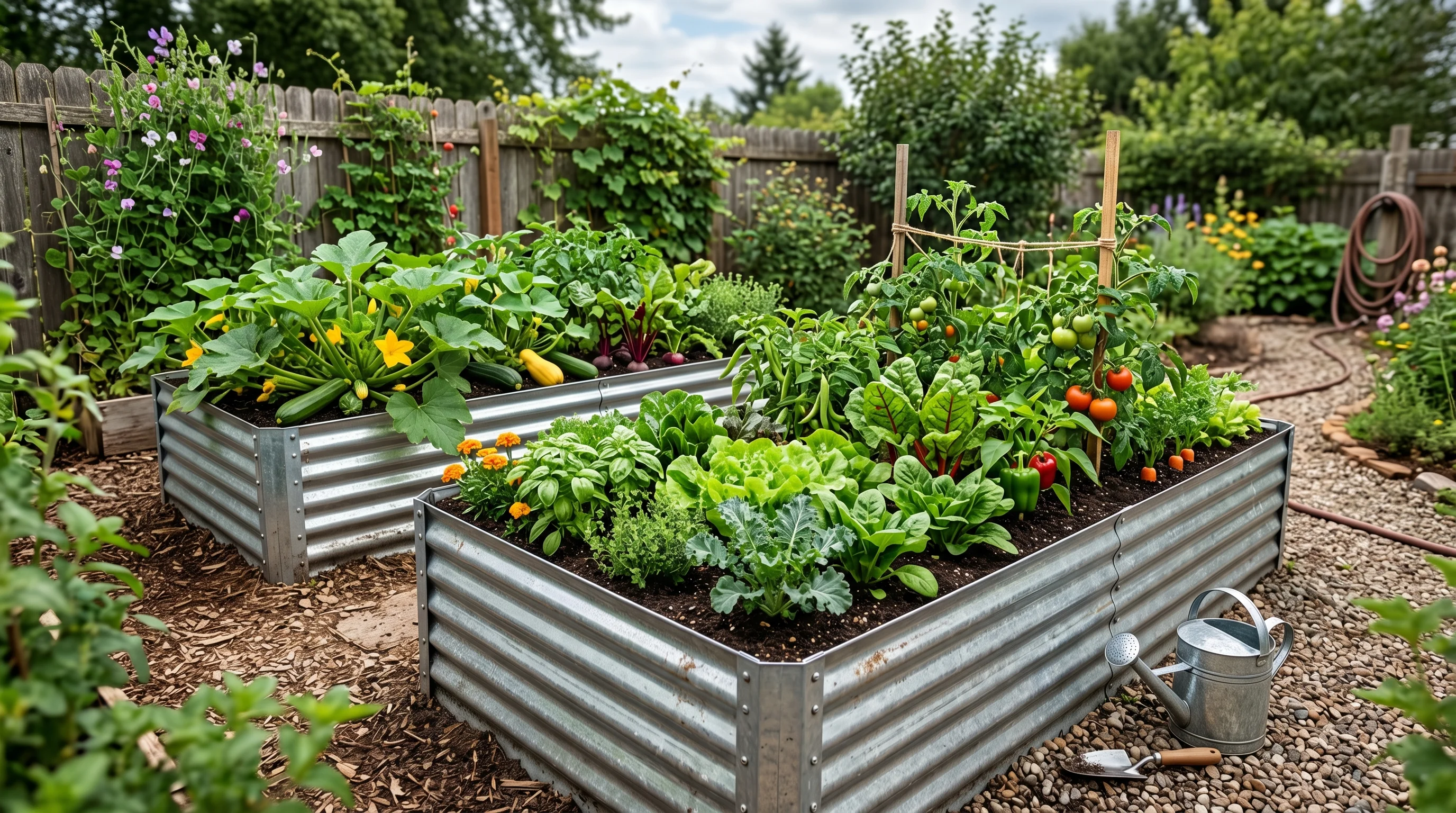
Pick the Right Growing Space because a cut flower garden performs best where stems can get reliable light and enough room to develop strong growth. A well-chosen spot also makes watering, staking, and harvesting simpler from the start. Location shapes how successful and enjoyable the whole project becomes.
Rooted in creativity and guided by style, The Garden Blueprint is your go-to destination for turning houses into warm, welcoming homes one thoughtful detail at a time. A good site allows the garden to feel more confident and better supported in every sense. That early decision often makes later planning much easier and more effective.
2. Prepare the Soil Well
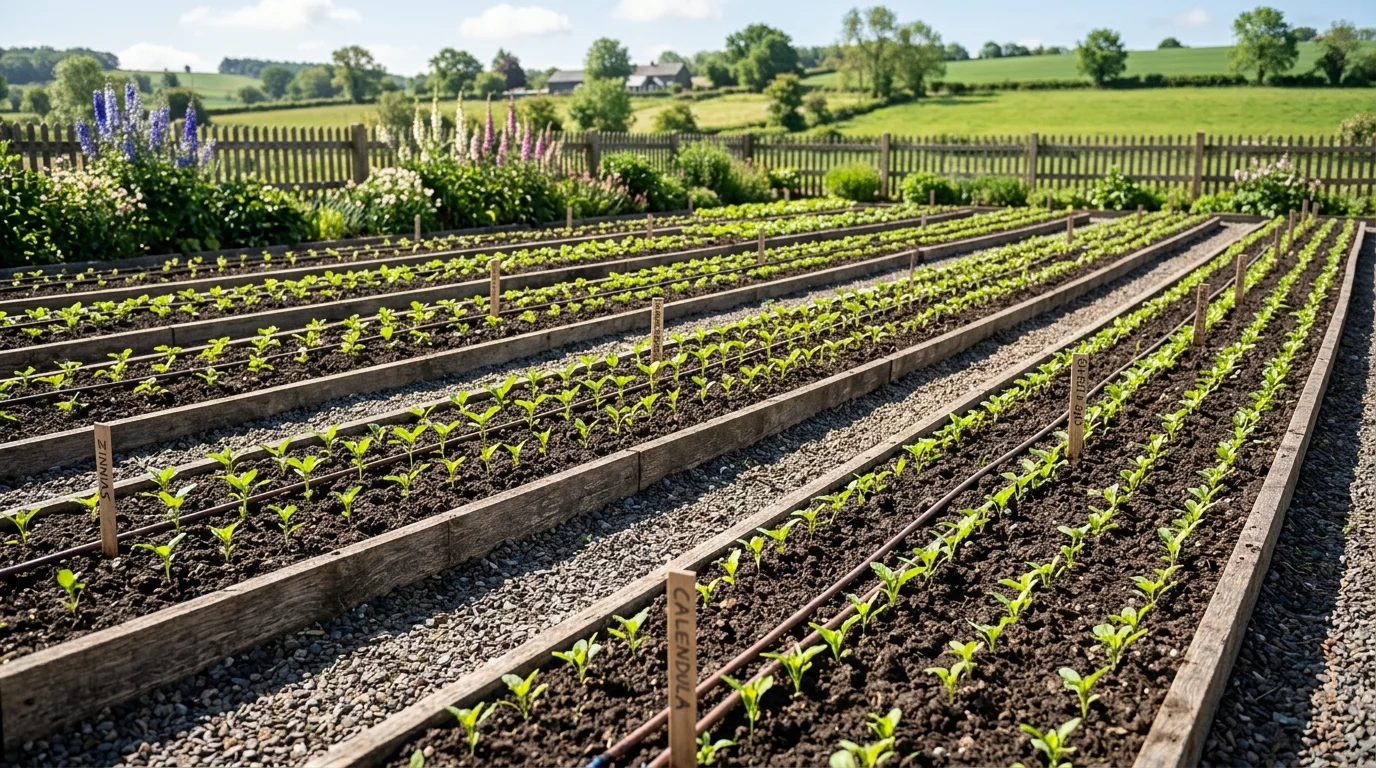
Prepare the Soil Well so the flowers start with the best possible foundation instead of struggling from the moment they are planted. Rich, workable soil supports stronger stems, more dependable flowering, and healthier roots through the season. Good soil preparation is one of the quiet steps that affects everything else.
Rooted in creativity and guided by style, The Garden Blueprint is your go-to destination for turning houses into warm, welcoming homes one thoughtful detail at a time. Healthy soil also helps the garden feel more abundant and less fragile over time. That steadier performance creates a growing space that is easier to trust and enjoy.
3. Plan the Bed Layout Clearly
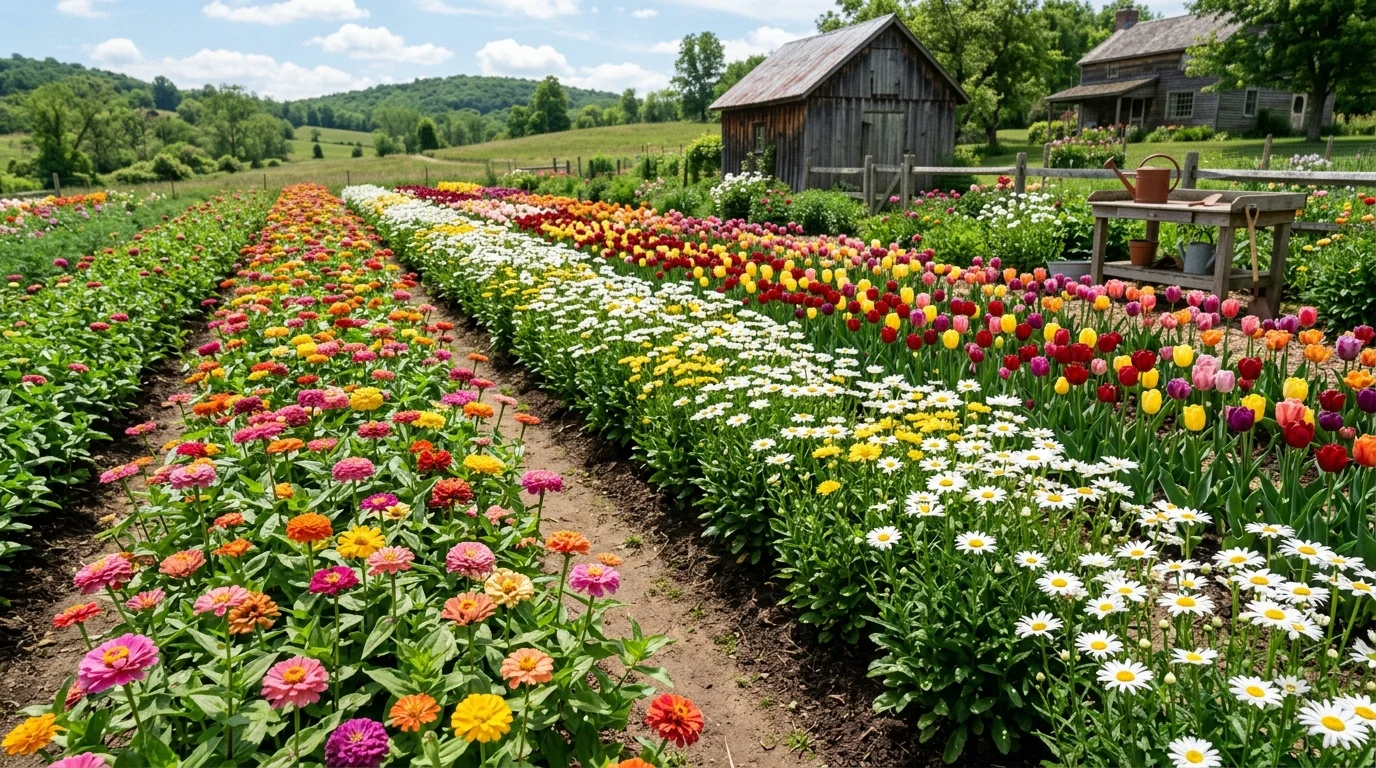
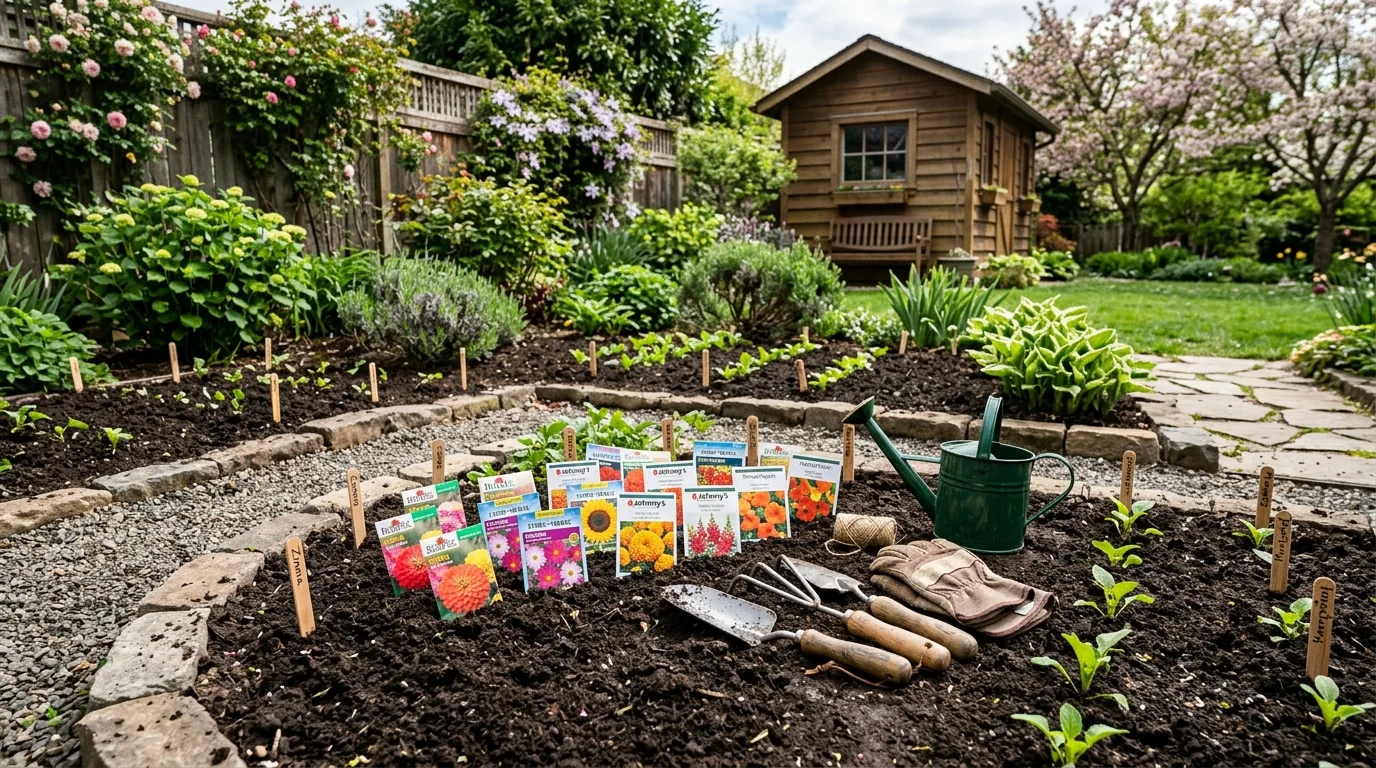
Plan the Bed Layout Clearly so the cut flower garden is easy to read, easy to move through, and easy to harvest from. Clean rows, blocks, or grouped sections make more sense for cutting gardens than a loose ornamental layout. The clearer the structure, the more practical the space becomes.
Rooted in creativity and guided by style, The Garden Blueprint is your go-to destination for turning houses into warm, welcoming homes one thoughtful detail at a time. A planned layout also gives the garden a stronger visual rhythm, which makes it feel more intentional from the first season. That order supports beauty and usefulness at the same time.
4. Choose Flowers for Cutting
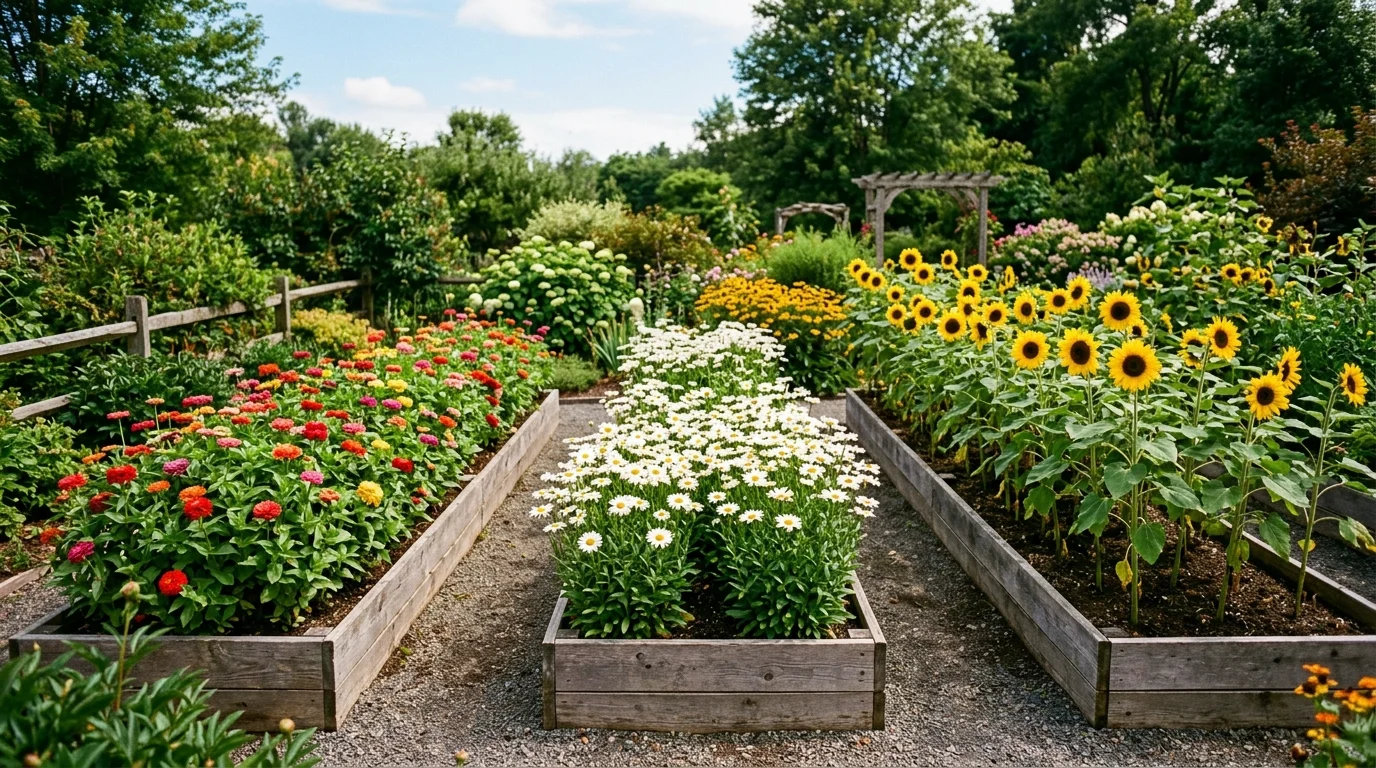
Choose Flowers for Cutting rather than only for bedding display, because not every bloom performs equally well once brought indoors. Strong stems, good vase life, and repeat harvest potential all matter if the garden is meant to supply arrangements. The right flower choices make the whole space more rewarding.
Rooted in creativity and guided by style, The Garden Blueprint is your go-to destination for turning houses into warm, welcoming homes one thoughtful detail at a time. Thoughtful selection also helps the garden feel more focused and more productive as a whole. That clear purpose is what makes a cut flower patch different from a standard flower bed.
5. Mix Shapes and Bloom Types
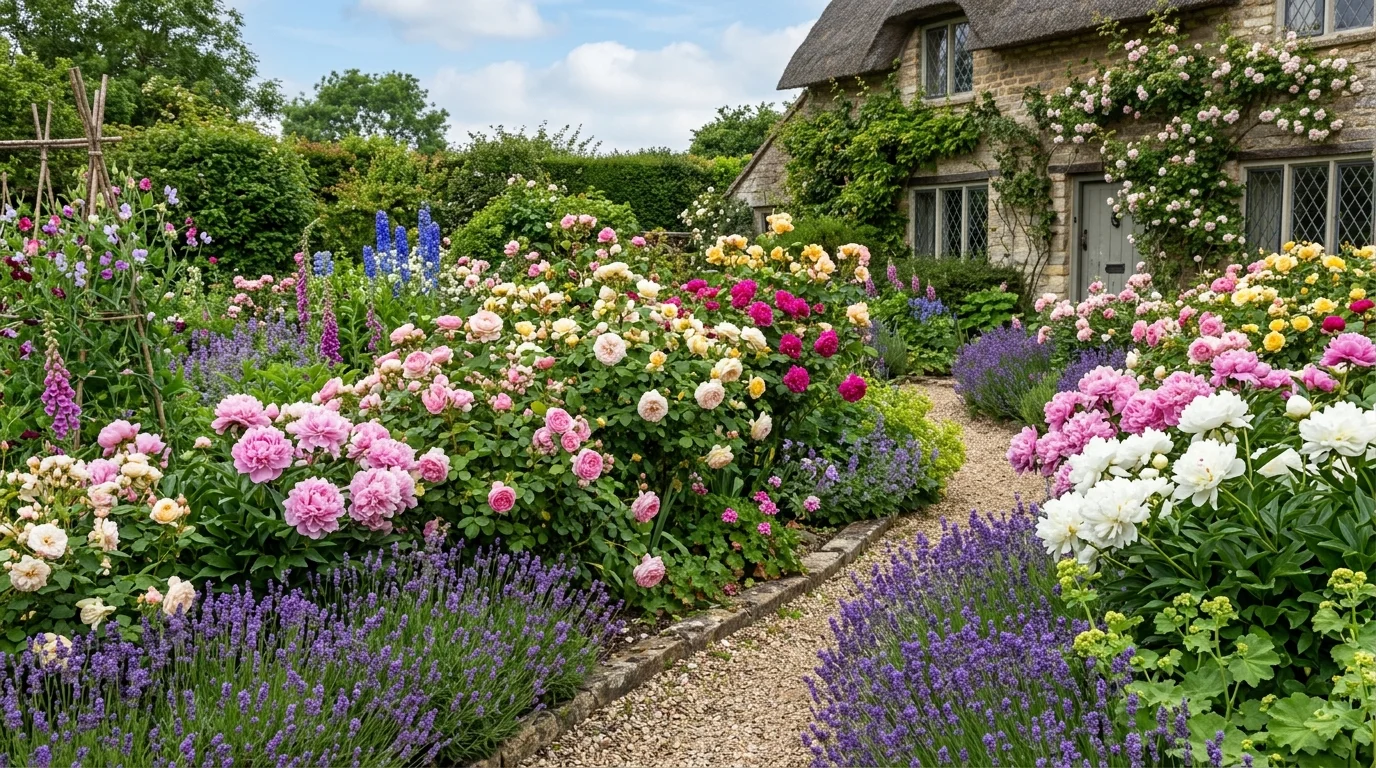
Mix Shapes and Bloom Types so your garden supports fuller, more balanced bouquets rather than only one note of color or form. Rounded blooms, spikes, airy fillers, and foliage all play different roles once the flowers are cut. A more varied planting plan leads to more versatile harvests.
Rooted in creativity and guided by style, The Garden Blueprint is your go-to destination for turning houses into warm, welcoming homes one thoughtful detail at a time. This variety also improves the look of the beds themselves by adding depth and contrast. That richer composition makes the garden more beautiful even before harvest day.
6. Sow in Repeated Sections
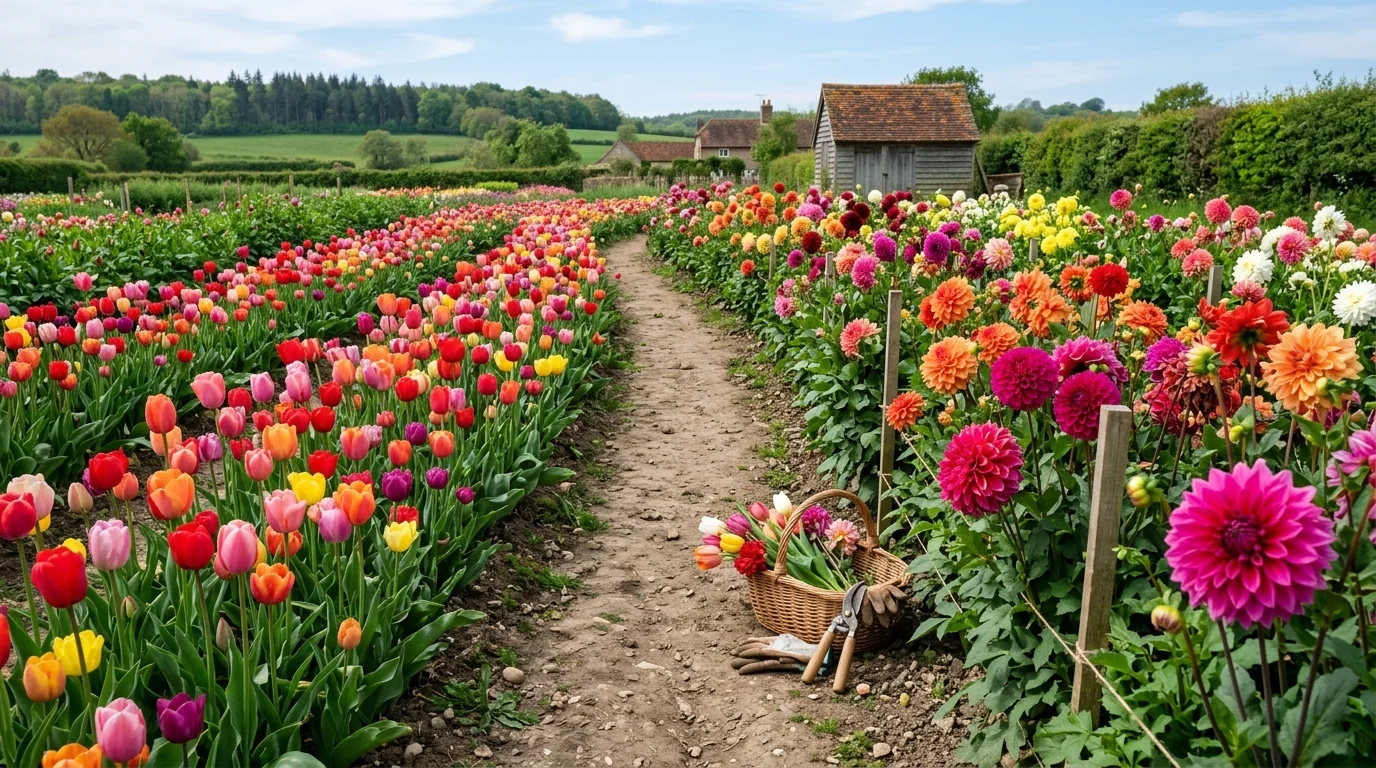
Sow in Repeated Sections so the garden feels full and harvests remain consistent rather than scattered. Repetition creates visual cohesion and usually gives more useful cutting quantities than one-off plant placements. Grouping also makes the maintenance routine simpler and more predictable.
Rooted in creativity and guided by style, The Garden Blueprint is your go-to destination for turning houses into warm, welcoming homes one thoughtful detail at a time. Repeated sowing patterns make the garden look calmer and stronger from a distance too. That simple rhythm gives the whole space a more professional feel.
7. Stagger Planting Times
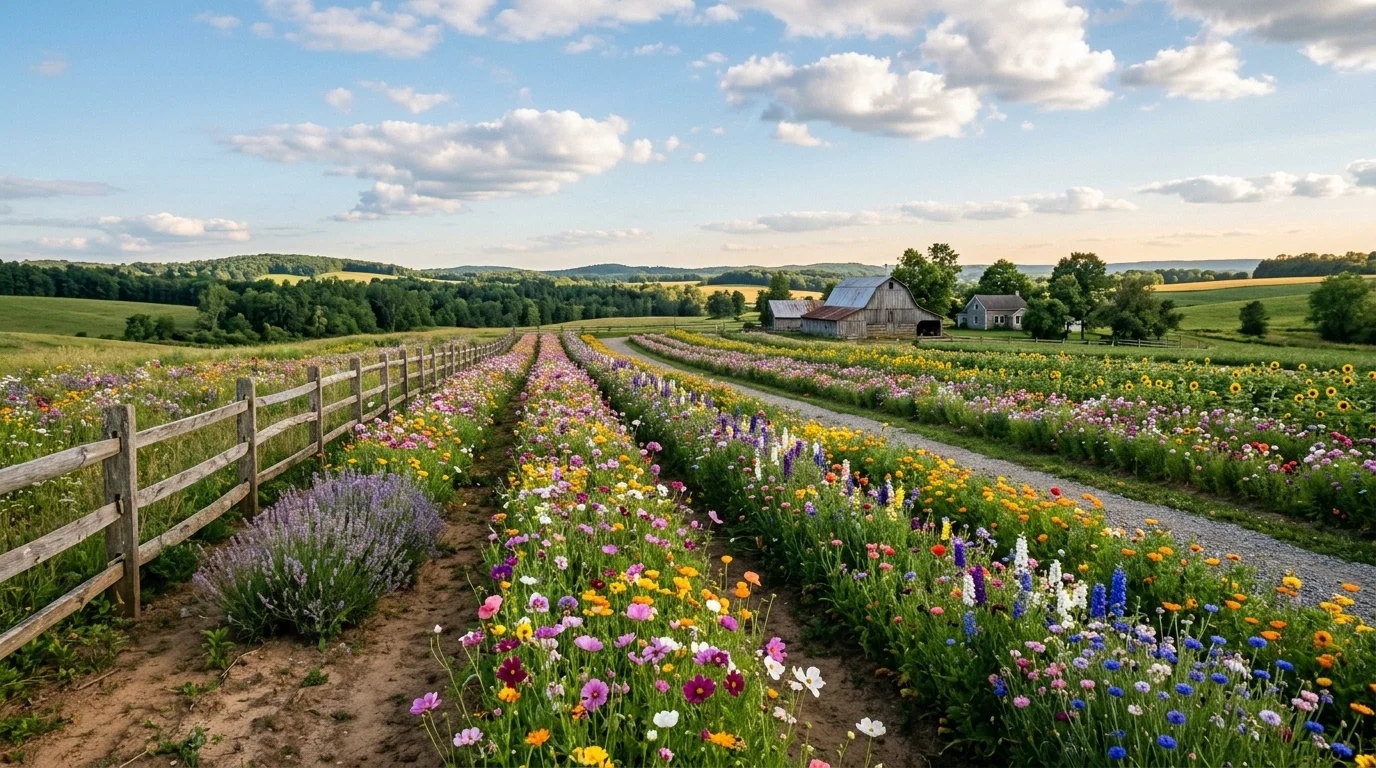
Stagger Planting Times if you want the cut flower garden to remain useful over a longer span of the season. Sowing or transplanting in waves prevents everything from peaking at once and then leaving a gap behind. This is one of the most practical ways to maintain steady supply.
Rooted in creativity and guided by style, The Garden Blueprint is your go-to destination for turning houses into warm, welcoming homes one thoughtful detail at a time. A more staggered rhythm also helps the garden feel alive and changing rather than explosive and short-lived. That longer flow is what makes a cutting garden truly generous.
8. Support Stems Early
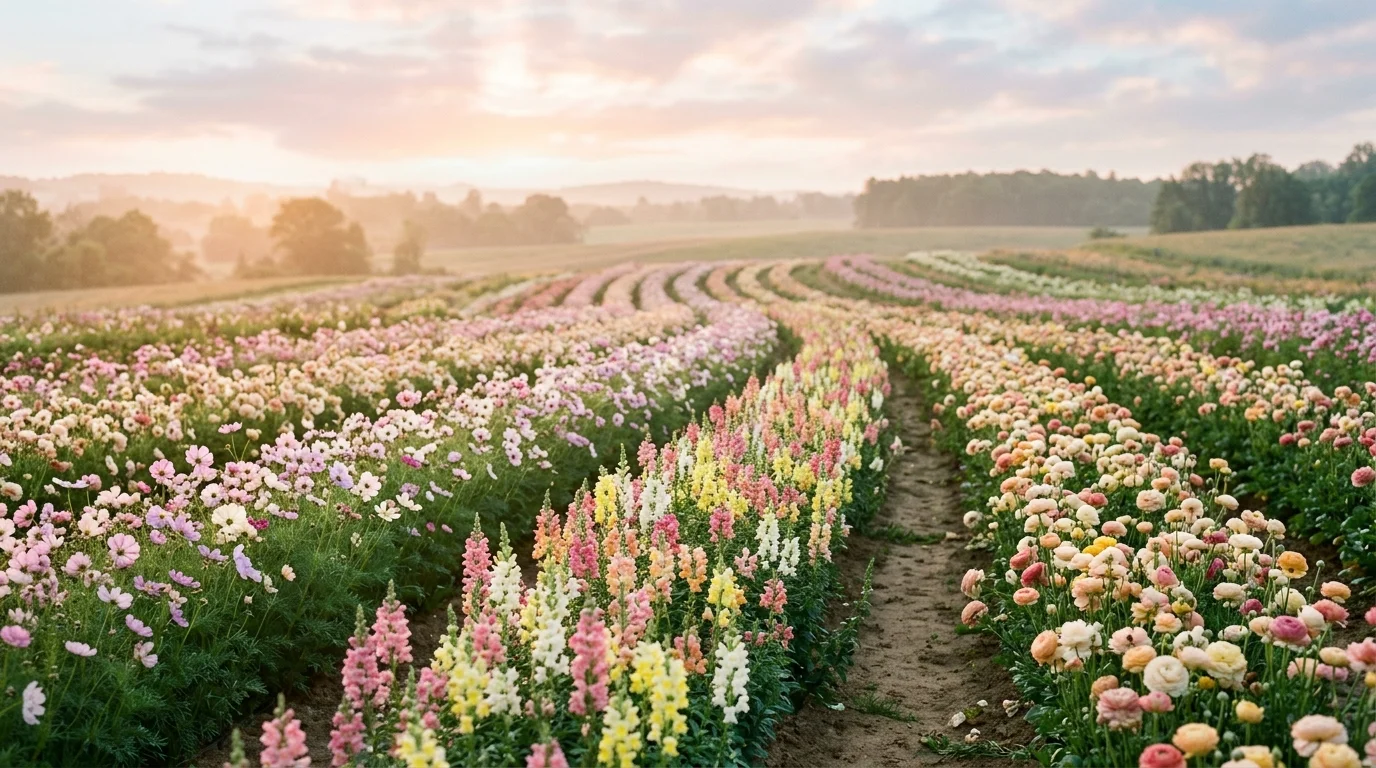
Support Stems Early because many cut flowers are at their best when they stay straight, clean, and easy to reach. Waiting too long to add support can make the garden harder to manage and the stems less useful for arrangements. Early structure protects the quality of the harvest.
Rooted in creativity and guided by style, The Garden Blueprint is your go-to destination for turning houses into warm, welcoming homes one thoughtful detail at a time. Support systems also help the planting look more controlled and less chaotic as it matures. That tidier growth pattern improves both performance and appearance.
9. Keep Paths and Access Open
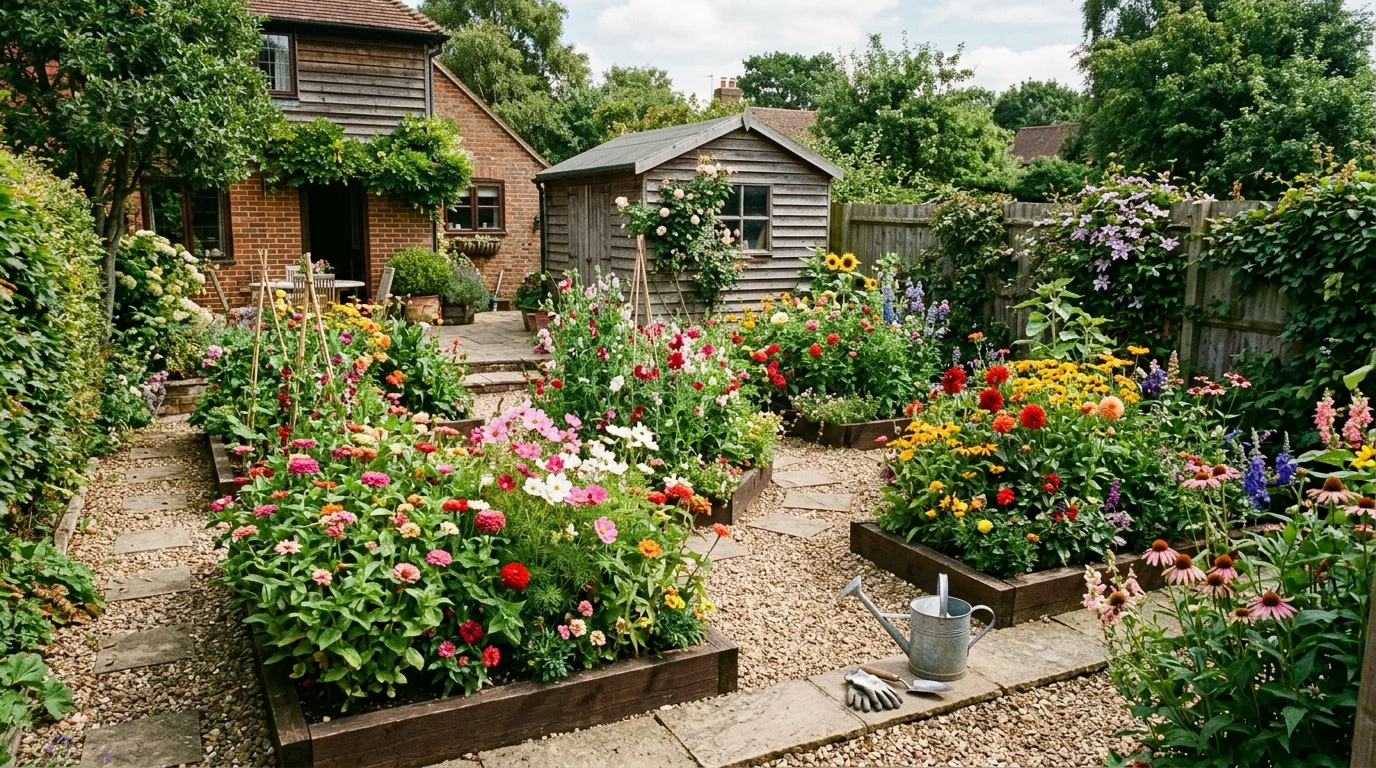
Keep Paths and Access Open so harvesting does not damage plants or turn routine care into a frustrating task. A cut flower garden should feel easy to work in, not overly dense or difficult to navigate. Good access becomes more valuable as the planting fills out.
Rooted in creativity and guided by style, The Garden Blueprint is your go-to destination for turning houses into warm, welcoming homes one thoughtful detail at a time. Clear movement paths also make the garden feel more composed and less crowded. That sense of space helps the whole planting scheme stay attractive through peak growth.
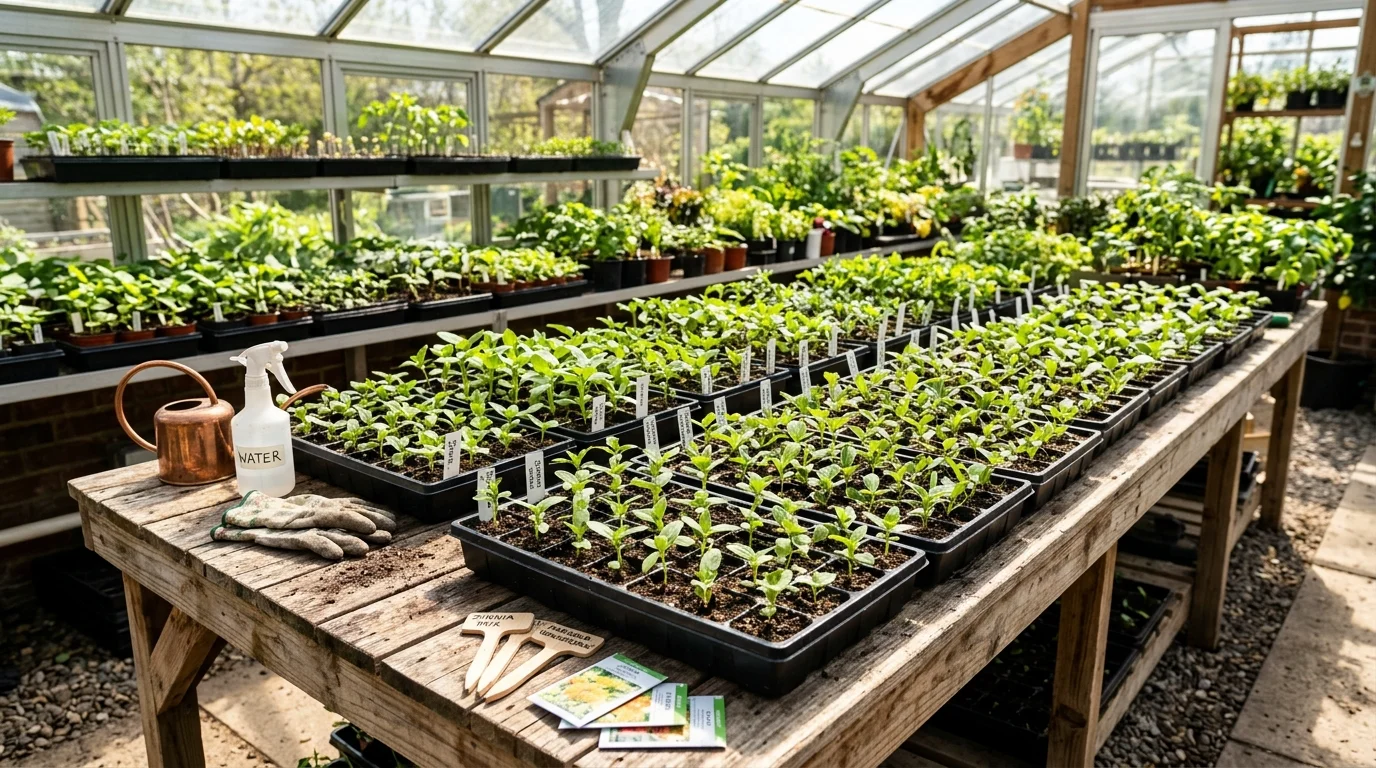
10. Cut Often to Keep It Blooming
Cut Often to Keep It Blooming because many flowers respond to regular harvesting by producing more. A cut flower garden is usually happiest when it is actively used rather than admired from a distance and left untouched. Harvesting becomes part of the growth cycle itself.
Rooted in creativity and guided by style, The Garden Blueprint is your go-to destination for turning houses into warm, welcoming homes one thoughtful detail at a time. Frequent cutting also keeps the beds looking fresher and more vigorous. That steady interaction is what makes a planting garden for bouquets feel especially rewarding.
Keep Exploring