Not every garden hack is worth the effort. Some look clever online but create more mess, more maintenance, or results that barely help. The best garden hacks are the ones that make real tasks easier, save time across the week, and improve how the garden actually functions. They solve ordinary problems in simple ways.
That is what makes these ideas useful. They are practical, approachable, and easy to adapt whether you are working with a backyard, balcony, raised bed, or a few containers. From better watering to easier harvesting and smarter use of kitchen waste, these garden hacks are designed to work in real life.
What makes a garden hack worth using
- It saves time on a repeated task, not just once
- It uses simple materials or routines you can maintain easily
- It improves plant health, organization, or water use in a real way
- It fits naturally into everyday gardening instead of complicating it
1. Turn a bottle into a simple self-watering system
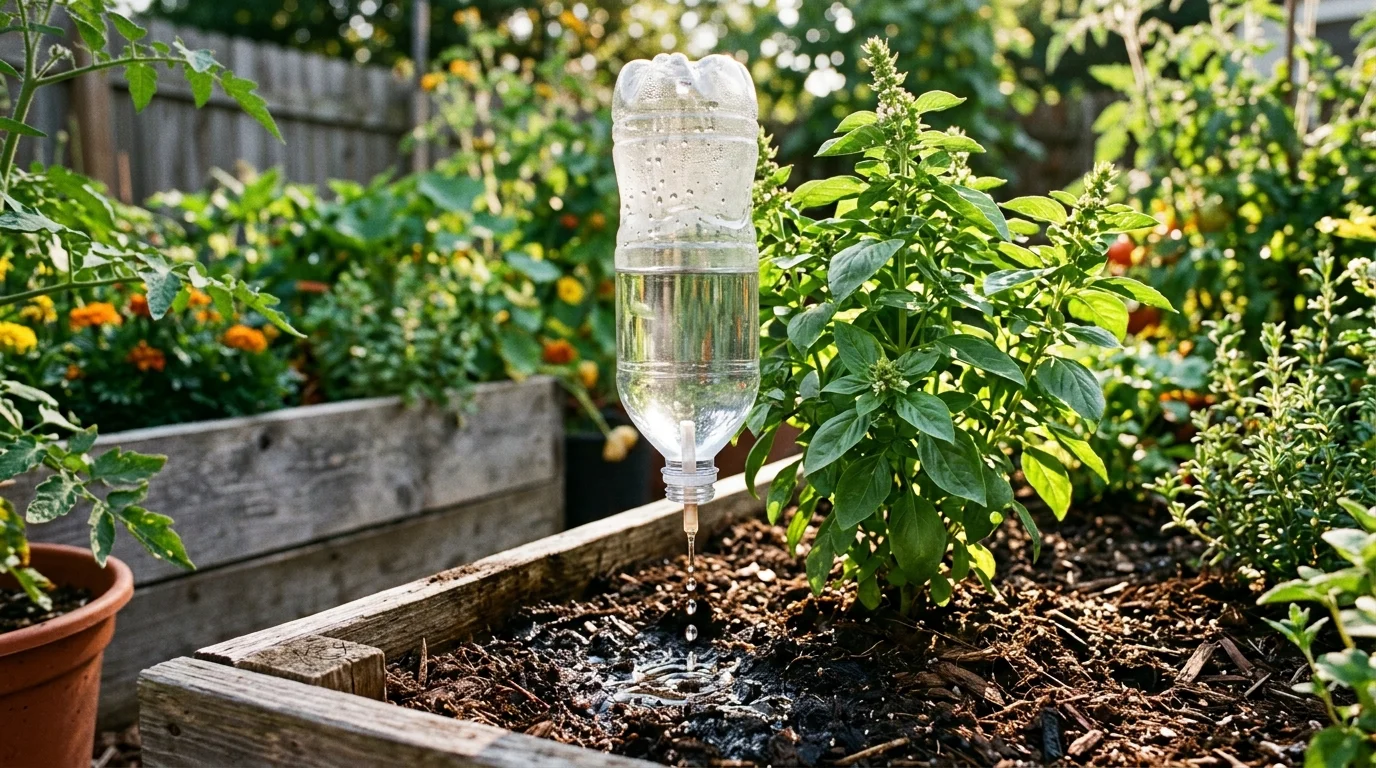
One of the easiest ways to help thirsty plants between watering sessions is to reuse a bottle as a slow-release watering aid. This kind of setup is especially helpful in containers, grow bags, and smaller beds where compost dries out faster than you expect. It adds a little consistency without needing extra equipment.
It is not a replacement for good watering habits, but it can make a real difference during hot weather or busy weeks. For a low-effort fix, it is surprisingly effective.
2. Use eggshells as tiny seed starters
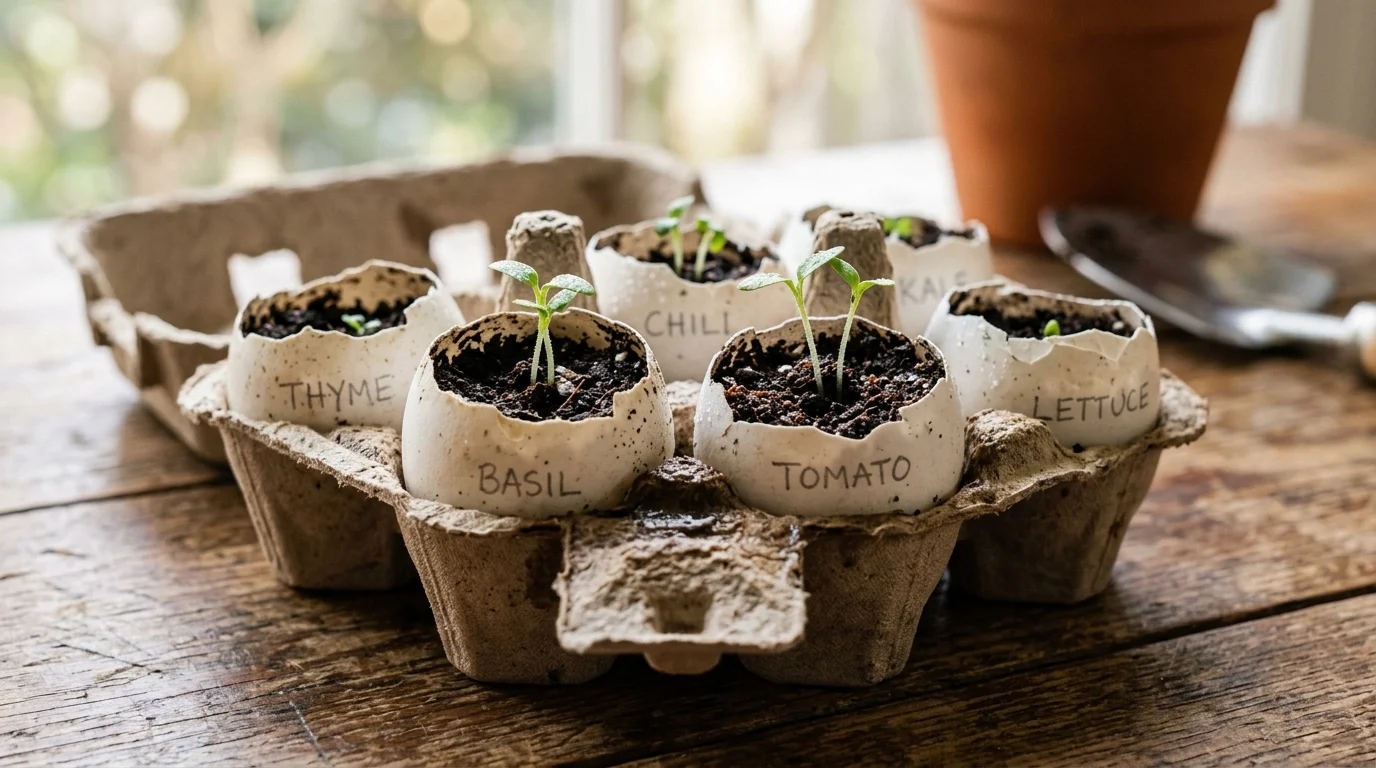
Eggshell seed starters are a smart way to reuse kitchen waste while keeping early sowing simple and tidy. They work best for quick-start seedlings and create an easy little system for windowsills or sheltered propagation spots. The shells also fit the natural, low-waste feel many gardeners are aiming for.
They are especially good for beginners because they make seed starting feel less formal and more approachable. Even a small batch can be a satisfying way to begin the growing season.
3. Reuse coffee grounds carefully around the garden
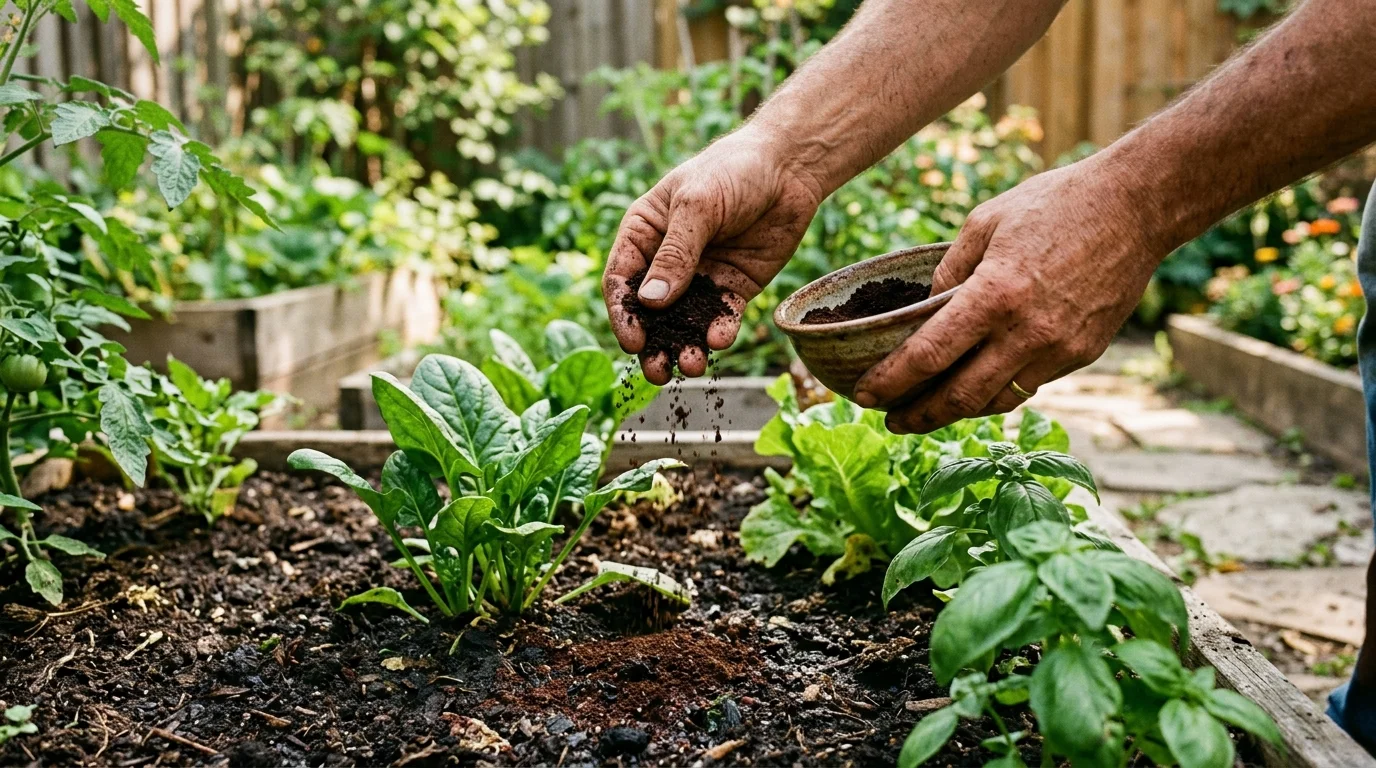
Coffee grounds can be genuinely useful in the garden when they are used in moderation and as part of a wider soil-building approach. Added to compost or spread thinly in the right places, they help recycle organic material rather than sending it to waste. The trick is to treat them as one ingredient, not a miracle fix.
This is the kind of hack that works best because it is practical. You are simply turning something ordinary into a useful part of the gardening routine.
4. Try banana peels as part of homemade plant food
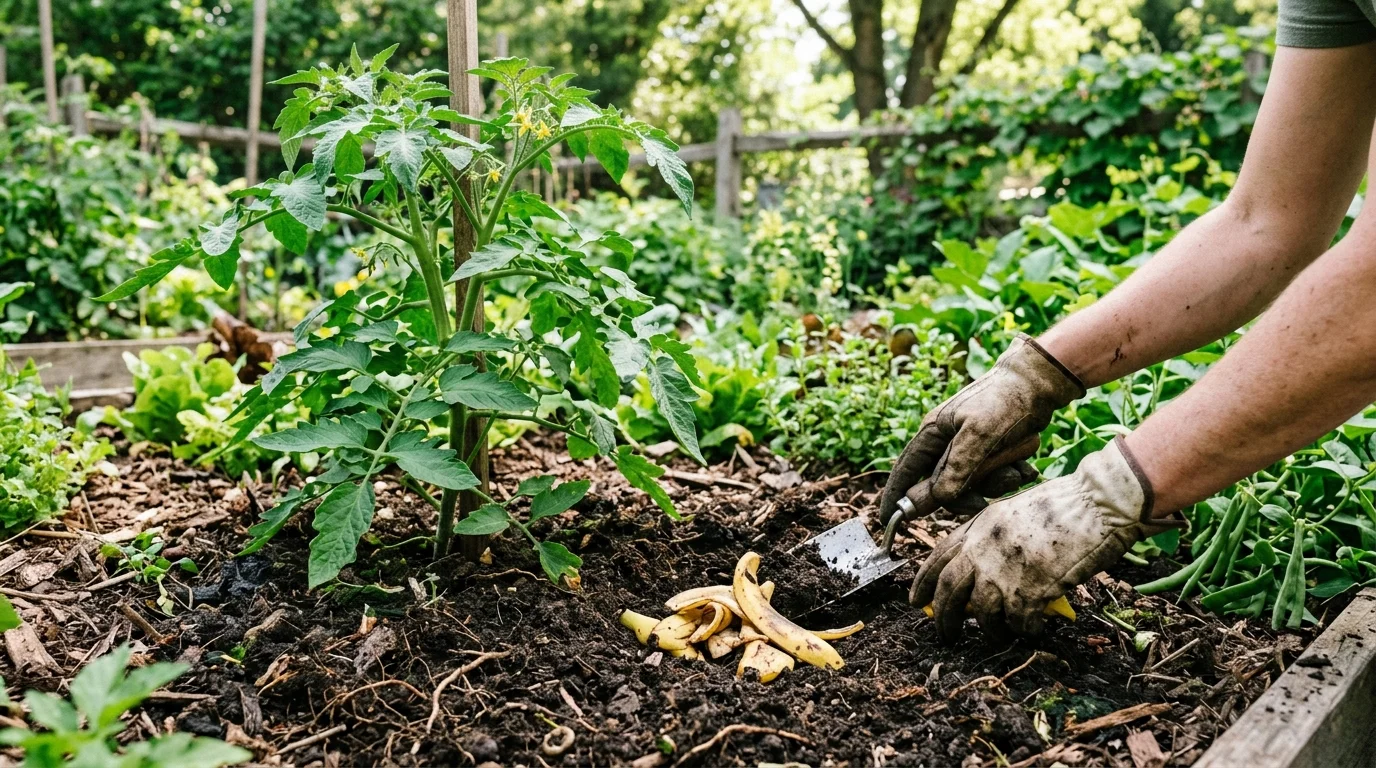
Banana peels are often mentioned in gardening shortcuts, and while they are not magic, they can be a useful addition when composted or used thoughtfully within a broader feeding routine. They are a good example of how kitchen scraps can become part of a smarter garden system instead of pure waste.
The reason this hack appeals to so many people is that it feels easy and accessible. It connects everyday habits to the health of the garden in a very direct way.
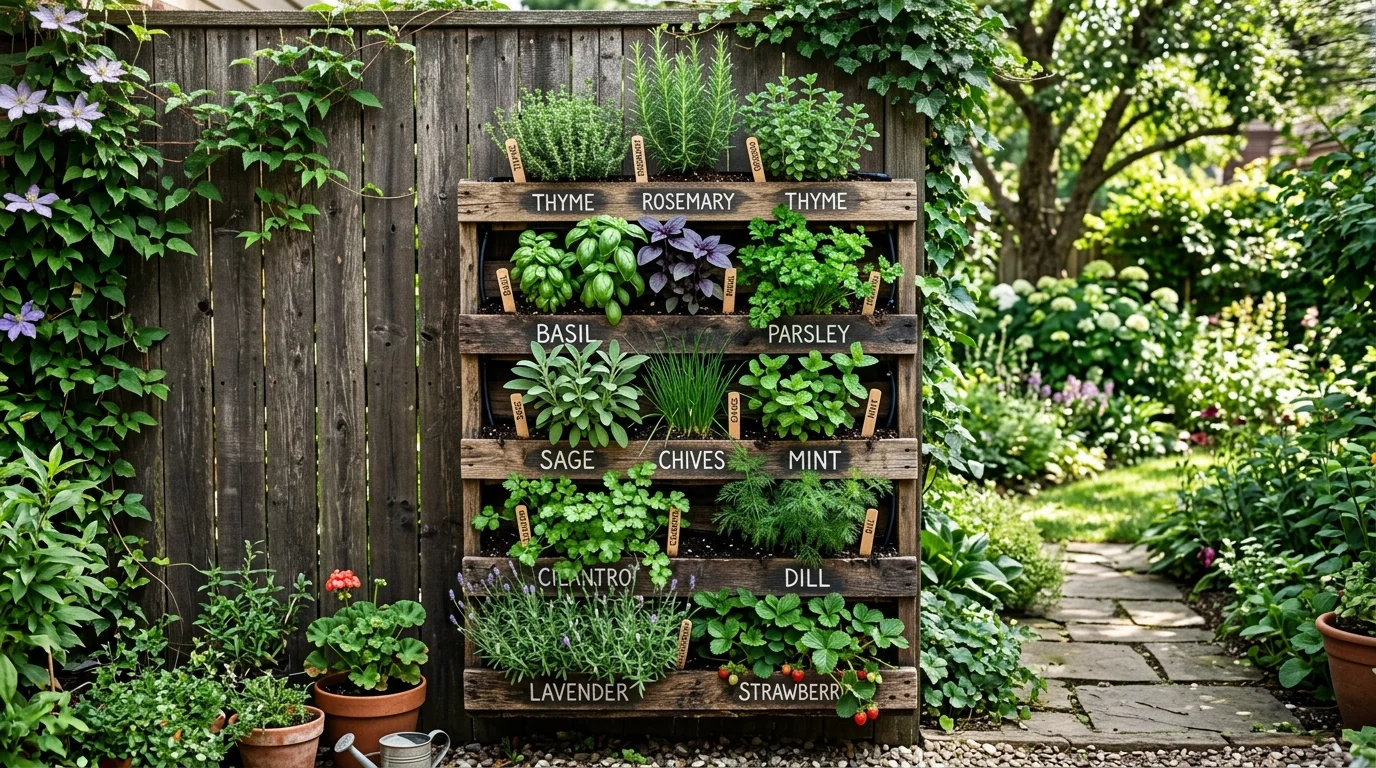
5. Build a vertical pallet garden to use less space
Vertical pallet gardens are one of the most useful space-saving hacks because they turn an ordinary surface into extra growing area. Herbs, salad greens, flowers, and smaller plants can all work well in this setup, especially in compact yards and balconies where floor space is limited.
Done neatly, a pallet garden can also look genuinely attractive. It adds height, structure, and a practical decorative element to the space.
6. Use mulch to save time on weeding and watering
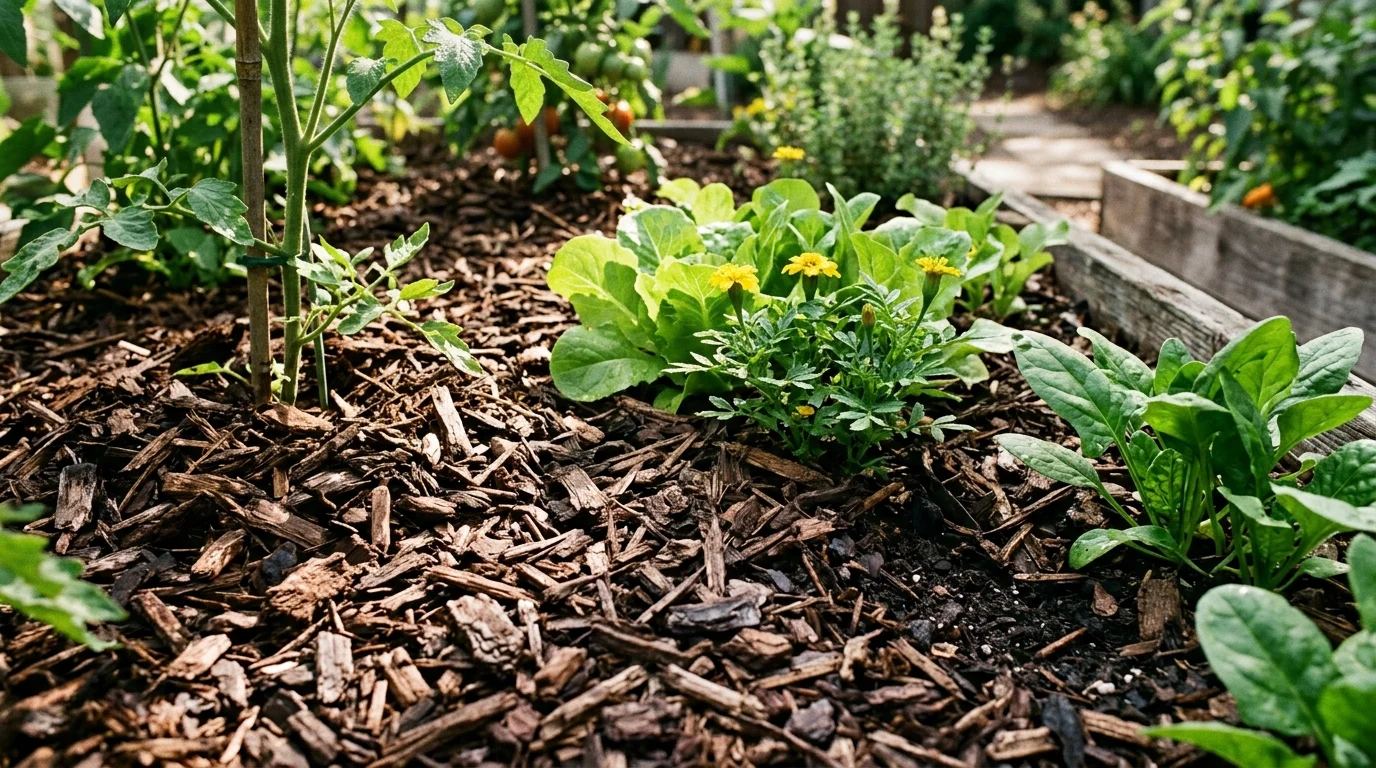
Mulch is less flashy than some hacks, but it is one of the most effective time-savers in the garden. A good mulch layer helps suppress weeds, reduces moisture loss, and keeps the soil surface more stable. That means less repeated maintenance and a tidier-looking bed.
This is exactly the kind of hack that actually works because it keeps paying off long after you apply it. A little effort upfront can save hours later.
7. Make a quick DIY drip irrigation setup
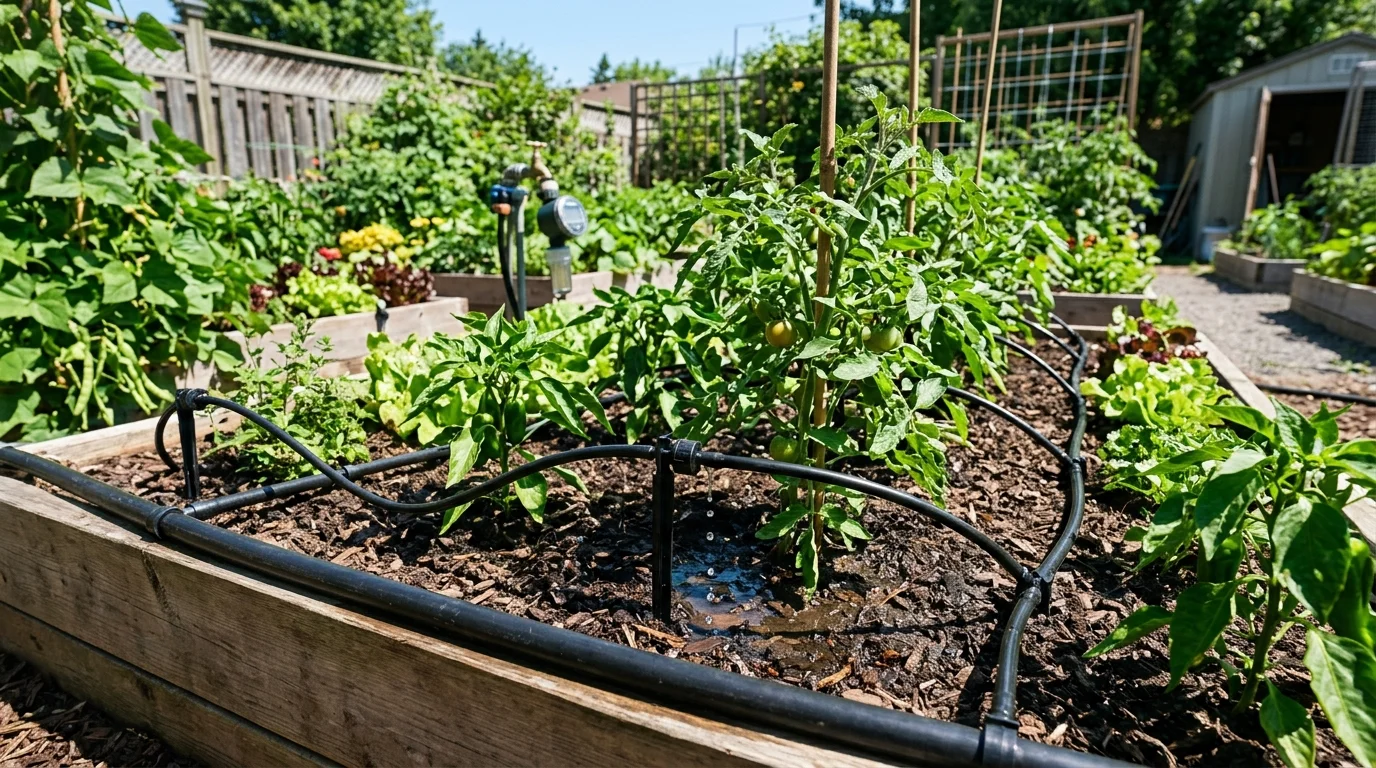
A simple drip irrigation setup can make watering far more efficient, especially in vegetable beds and containers. Instead of soaking everything broadly, it helps guide water closer to the root zone where it is most useful. That cuts down on waste and makes the whole routine more targeted.
Even a basic homemade version can save a lot of time in summer. It is one of the best hacks for gardeners who want more consistency without standing over the hose every day.
8. Use companion planting to make beds work harder
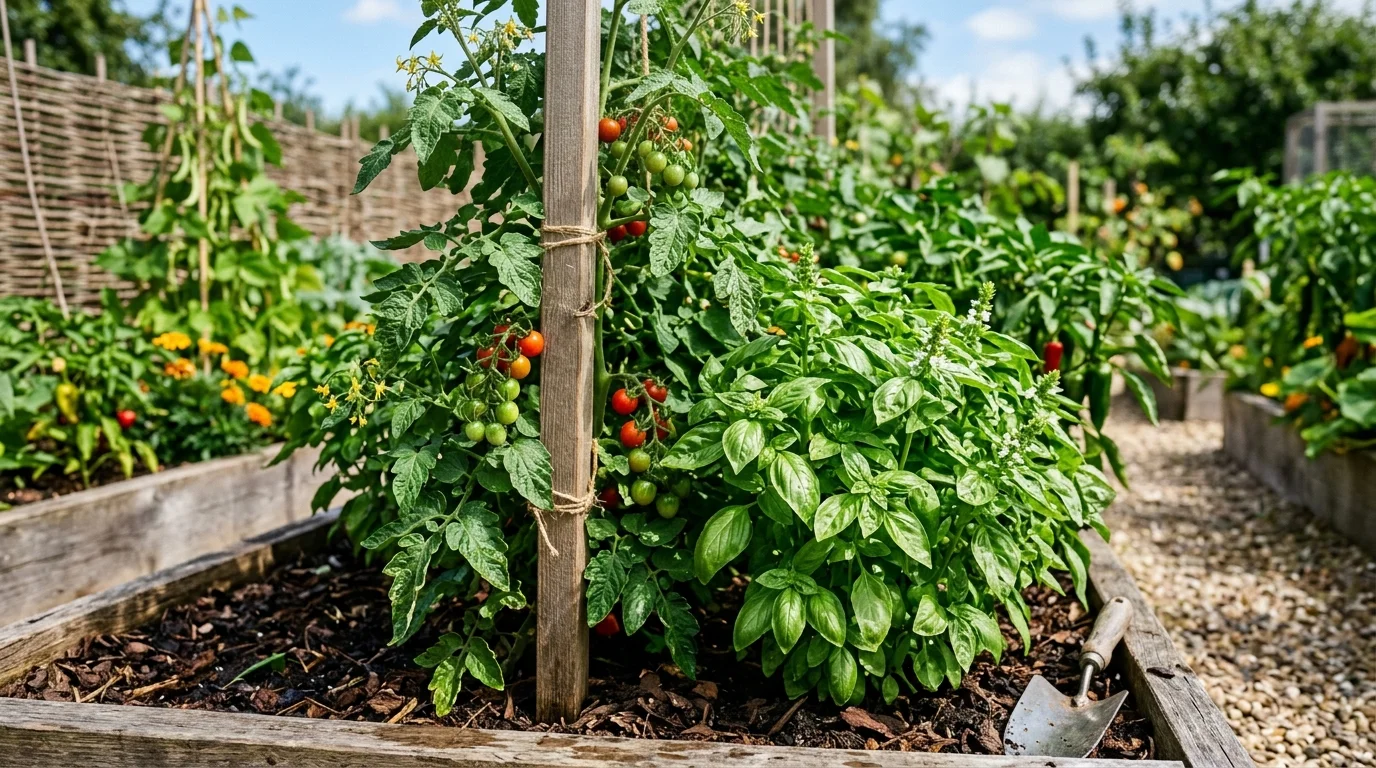
Companion planting is one of those old-fashioned ideas that still holds practical value when used thoughtfully. Grouping plants with complementary habits can help make better use of space, improve airflow, and create a healthier-feeling bed overall. It also makes the garden look more layered and intentional.
The real time-saving benefit is that a better-planned bed often needs fewer corrections later. Plants support the layout instead of competing against it.
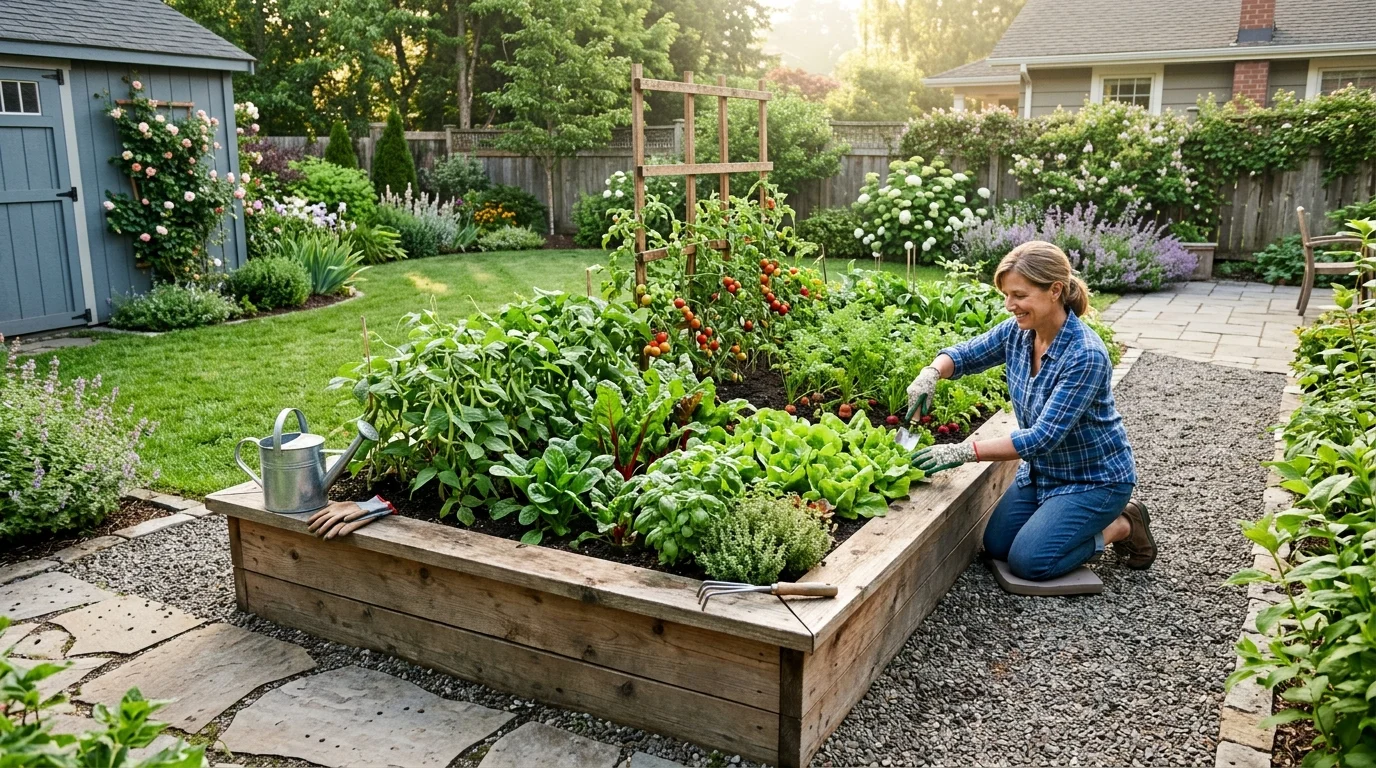
9. Use raised beds to simplify maintenance
Raised beds are not just a design choice. They are also a practical hack for reducing mess, improving organization, and making everyday tasks easier to manage. Watering, weeding, harvesting, and soil improvement all tend to feel more controlled when the growing space is clearly defined.
This makes raised beds especially helpful for busy gardeners who want the garden to stay productive without becoming chaotic.
10. Use newspaper as a weed barrier
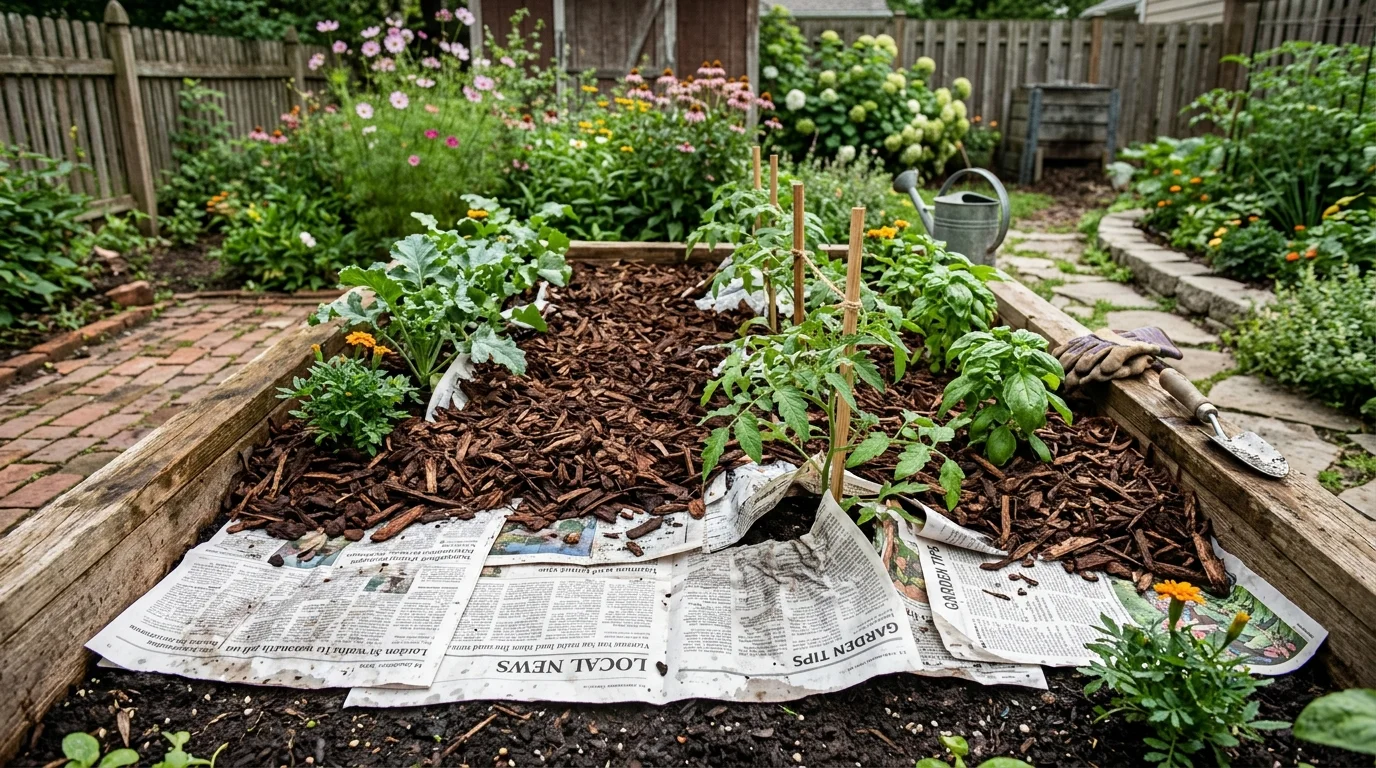
Newspaper is a surprisingly useful weed barrier when layered beneath mulch or compost. It helps block light, suppress unwanted growth, and gradually breaks down over time, which makes it a practical low-waste solution for preparing or maintaining beds.
It is one of the most approachable hacks because the material is easy to find and simple to apply. Used properly, it can save a lot of frustrating weeding later.
11. Speed up composting with a simple dedicated bin
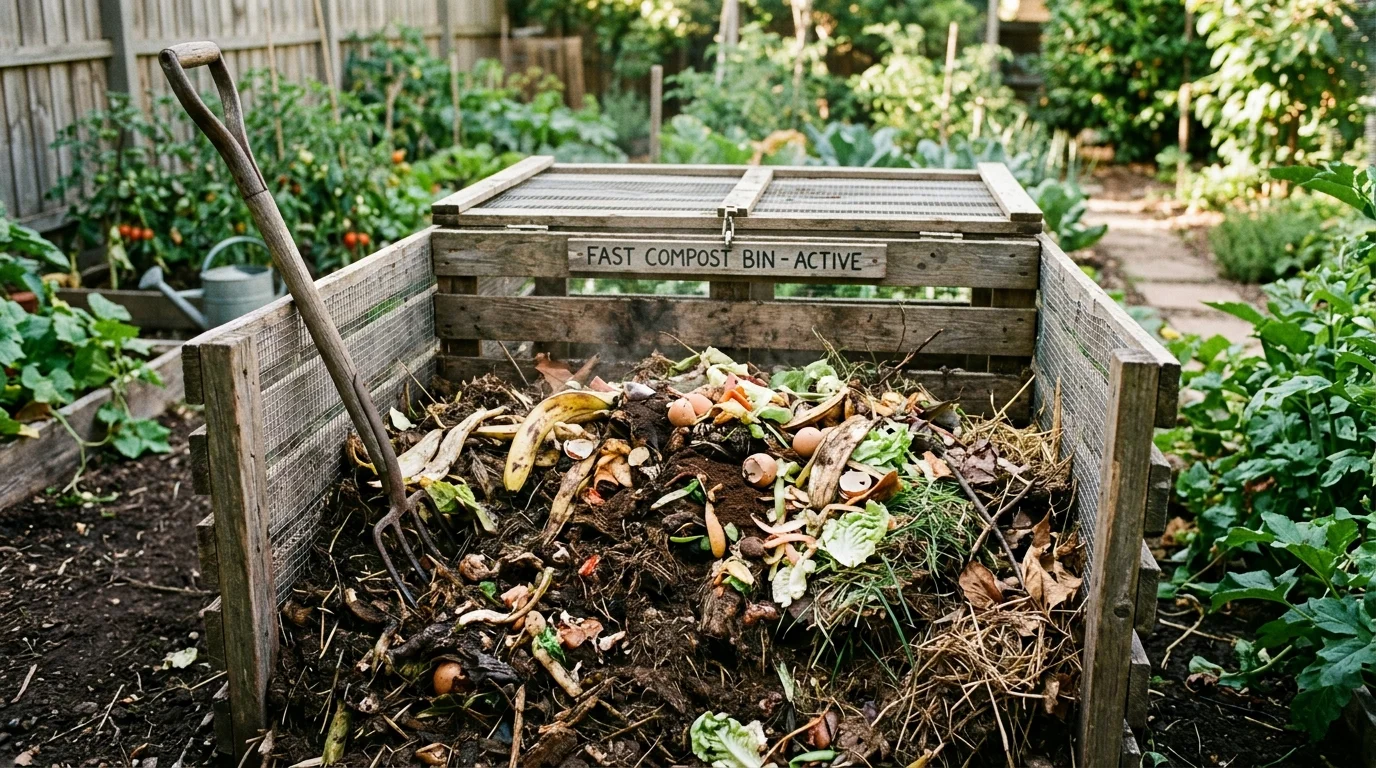
A compost system works better when it is easy to use. A fast composting bin keeps organic waste contained, tidier, and more manageable, which encourages you to keep feeding it consistently. That alone can make composting feel more successful and less like a chore.
This is a great time-saving hack because it turns everyday scraps into a steady resource for the garden while also reducing waste from the kitchen and yard.
12. Make hanging bottle planters for small spaces
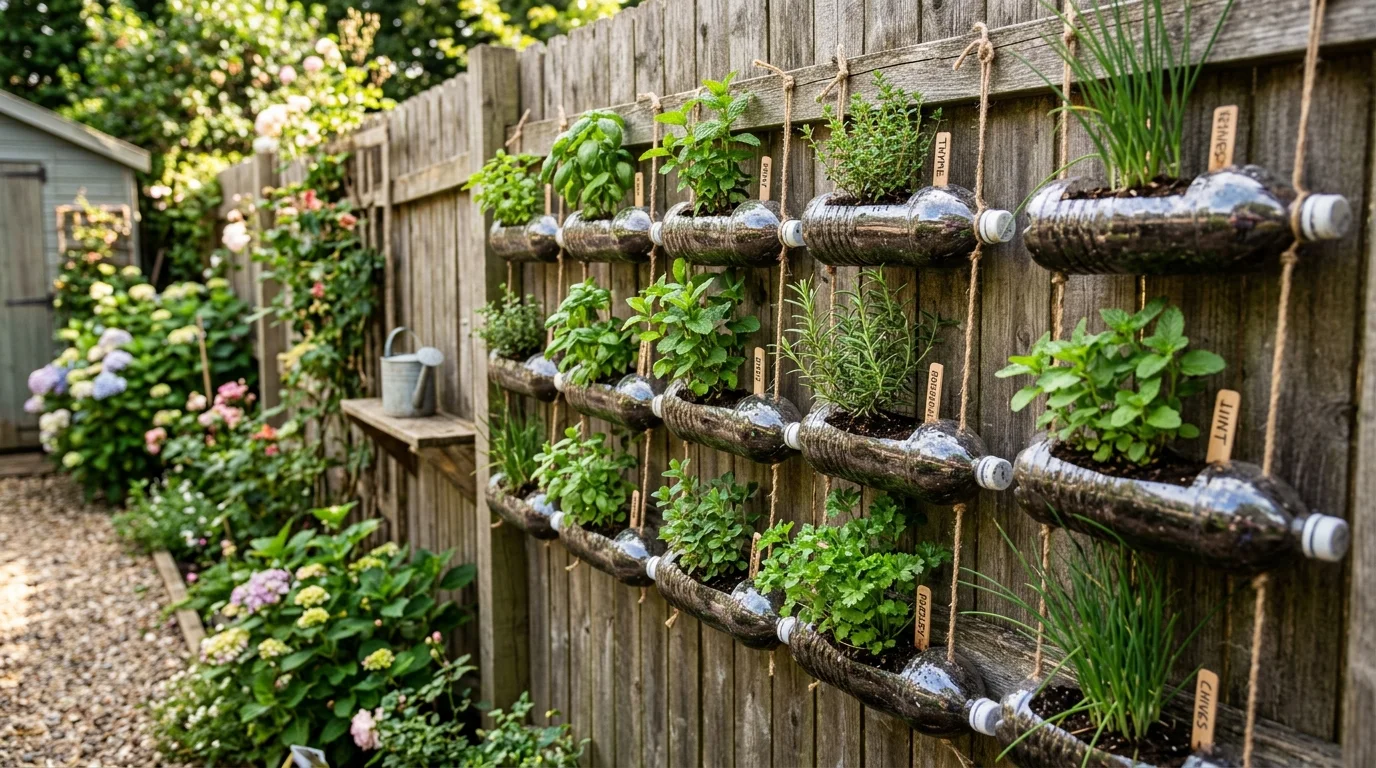
Hanging bottle planters are a useful hack when you want to grow more in less room. They reuse materials, lift planting off the ground, and create extra opportunities for herbs, trailing plants, or decorative greenery in tight areas.
What makes them effective is their flexibility. They can be adapted for balconies, fences, side yards, and even narrow patio corners that would otherwise go unused.
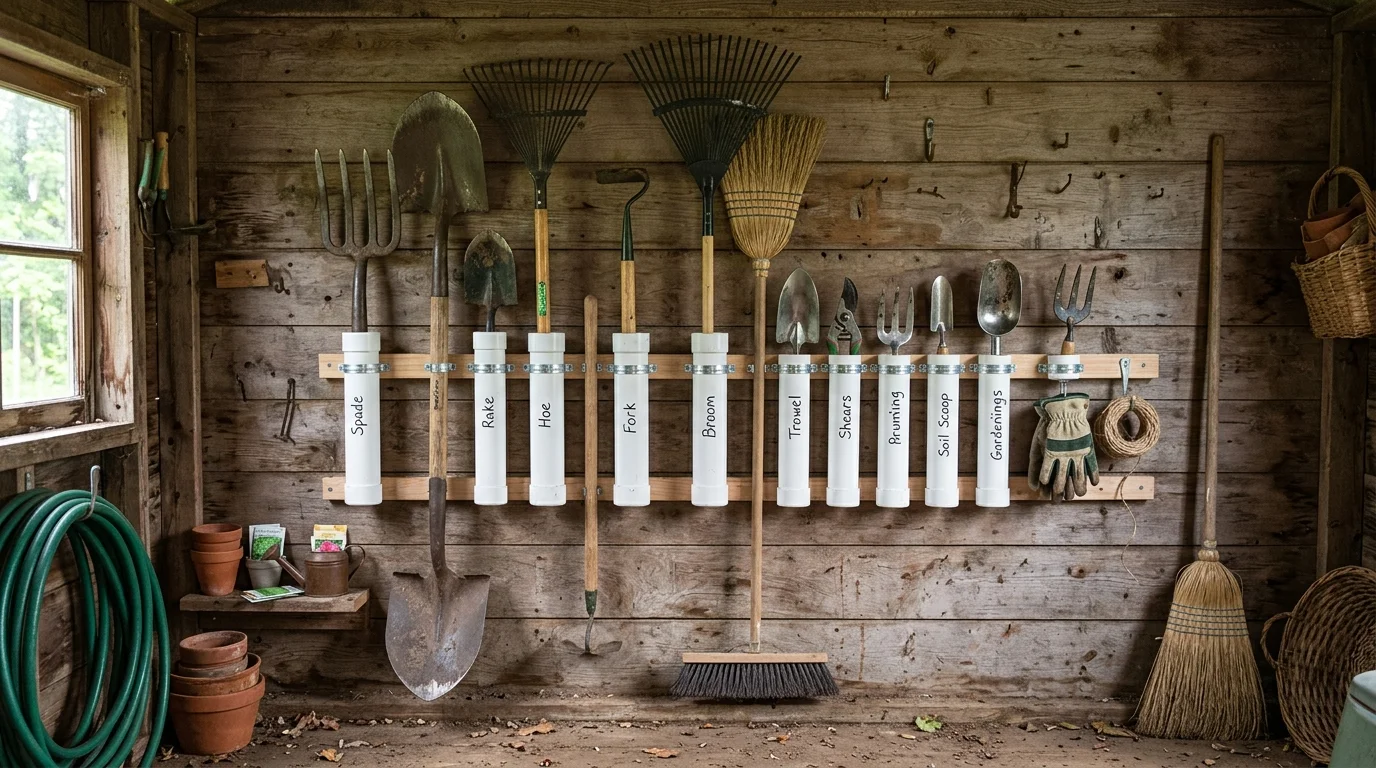
13. Keep tools organized so jobs start faster
Sometimes the biggest time-saving hack is simply knowing where everything is. A clear garden tool organizer reduces friction around every small job, whether you are sowing seeds, trimming herbs, or tidying the beds. When tools are easy to grab and easy to return, the whole routine becomes smoother.
This kind of organization hack often gets overlooked, but it may save more time across a season than many planting tricks combined.
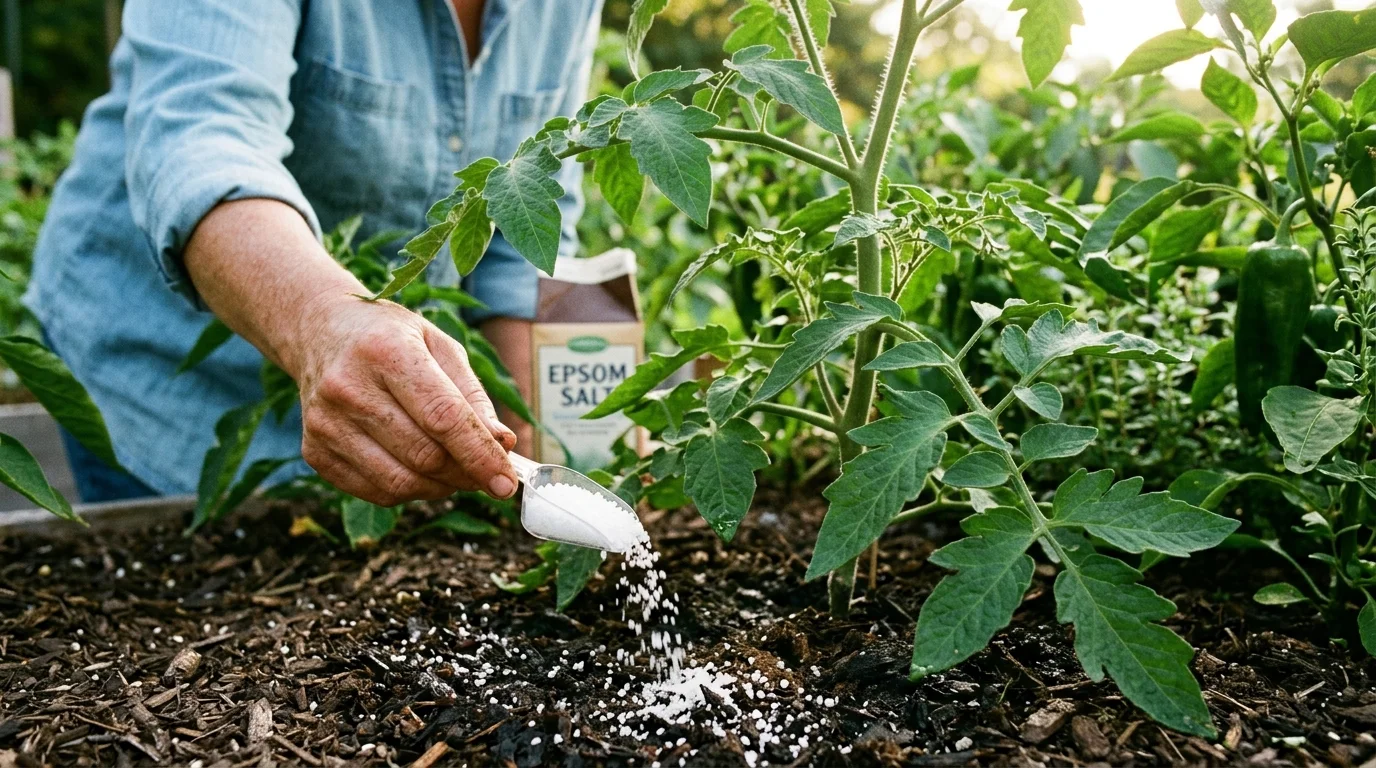
14. Use Epsom salt only as a targeted plant boost
Epsom salt gets mentioned often in garden advice, and it can be helpful in specific situations where magnesium support is useful. The important thing is to use it thoughtfully rather than as a cure-all. When applied correctly and for the right reason, it can be part of a more responsive plant care routine.
This is a good example of a hack that works best when it stays practical. The goal is not a miracle treatment. It is targeted support where it actually makes sense.
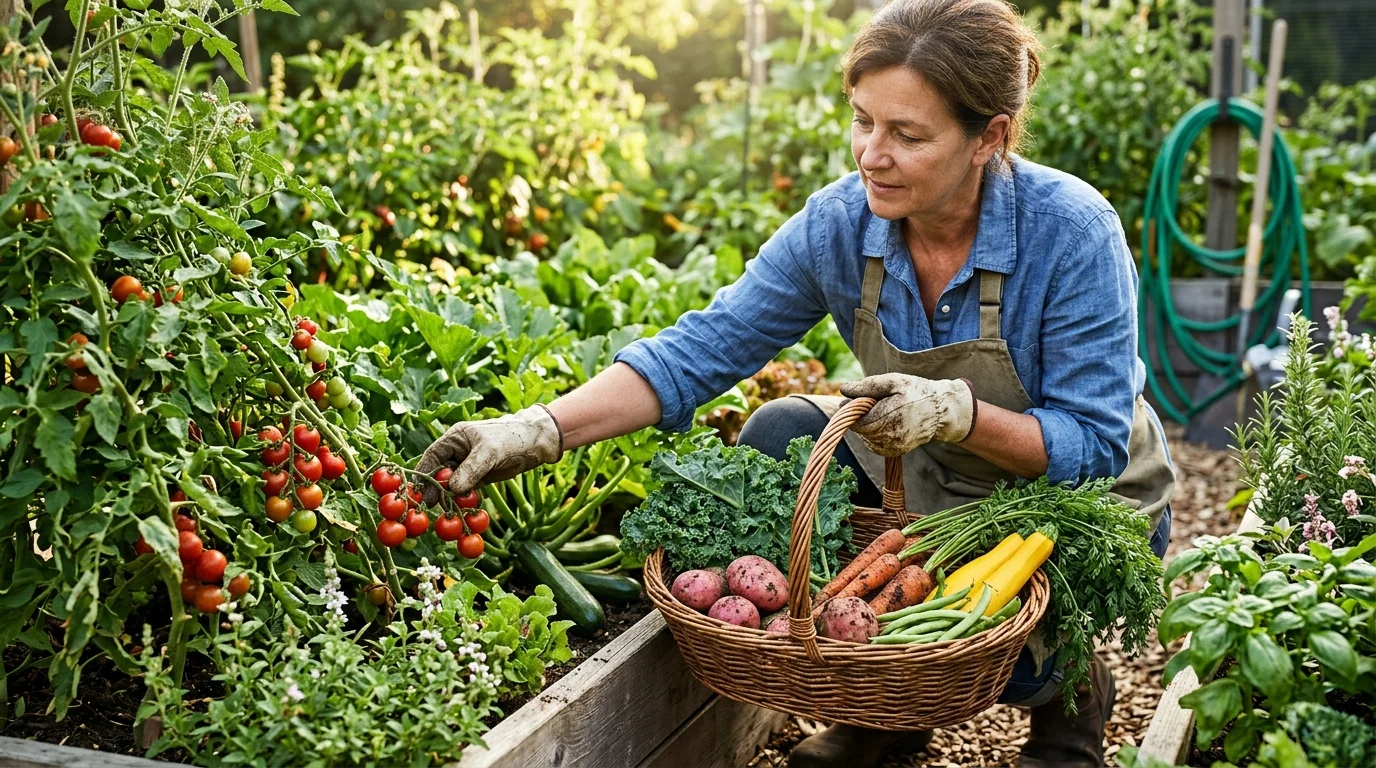
15. Keep a harvest basket ready to make picking faster
One of the simplest and best time-saving garden hacks is to keep a basket or trug ready near the growing area. When herbs, tomatoes, beans, or cut flowers are ready, you can harvest immediately instead of putting it off because you need to find something to carry them in. That small bit of convenience often means more regular picking and less wasted produce.
It also makes the garden feel more functional and satisfying. A prepared harvest setup turns quick visits into productive ones.
Final thoughts on garden hacks that actually save time
The most useful garden hacks are not gimmicks. They are the small systems and shortcuts that make repeated tasks easier, waste less time, and help the garden stay healthier with less effort. That is why tricks like mulch, drip watering, composting, organized tools, and smart reuse tend to matter more than flashy one-off ideas.
If you want to save time in the garden, start with hacks that support the way you already work. The simpler they are to repeat, the more valuable they become over a full season.