A garden path should do more than lead you from one place to another. It should set the tone, frame the planting around it, and make the whole space feel more intentional from the first step. When flowers are planted with the light in mind, even a simple walkway can become one of the most memorable features in the garden.
The best flower pathway designs are not only beautiful. They also suit the conditions they live in. Some paths shine in open sun with layers of color and bloom, while others feel more elegant when the planting is quieter, softer, and adapted to shade. These ideas are designed to help every kind of garden path feel rich, atmospheric, and well considered.
How to design a flower pathway that really works
- Match the planting style to the amount of sunlight the path receives
- Repeat key colors or flower shapes so the whole walkway feels cohesive
- Keep the path edge soft without letting it become overgrown
- Use flowers to create mood, not just color
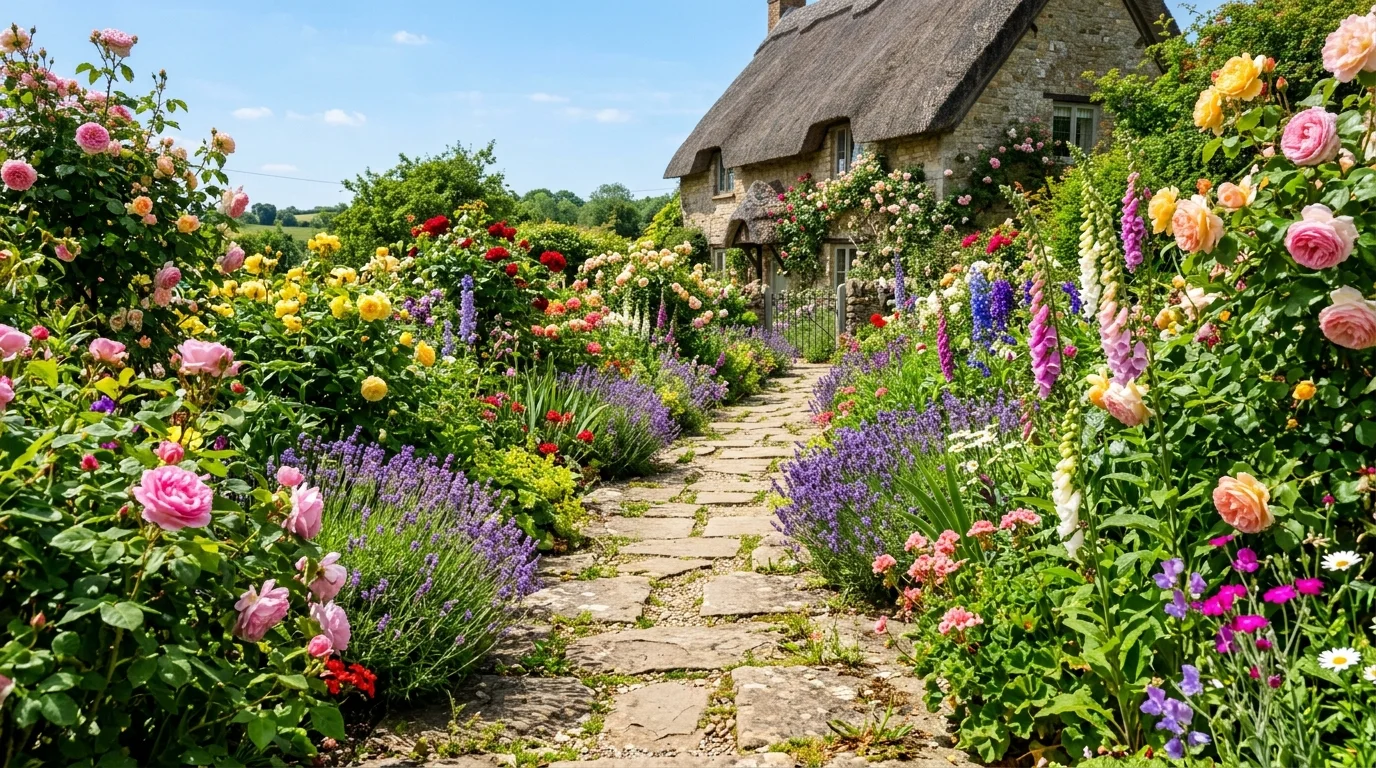
1. Full Sun Cottage Garden Path
A cottage garden path in full sun feels generous, romantic, and full of life. Flowers can spill gently onto the edges, creating that relaxed layered look that makes a garden feel established and deeply inviting. This style works especially well when the path is narrow enough to feel immersive but still clear enough to walk comfortably.
Choose repeat-blooming flowers and keep the palette warm and connected so the abundance feels intentional rather than chaotic. The result is a path that feels cheerful from spring into summer and full of personality.
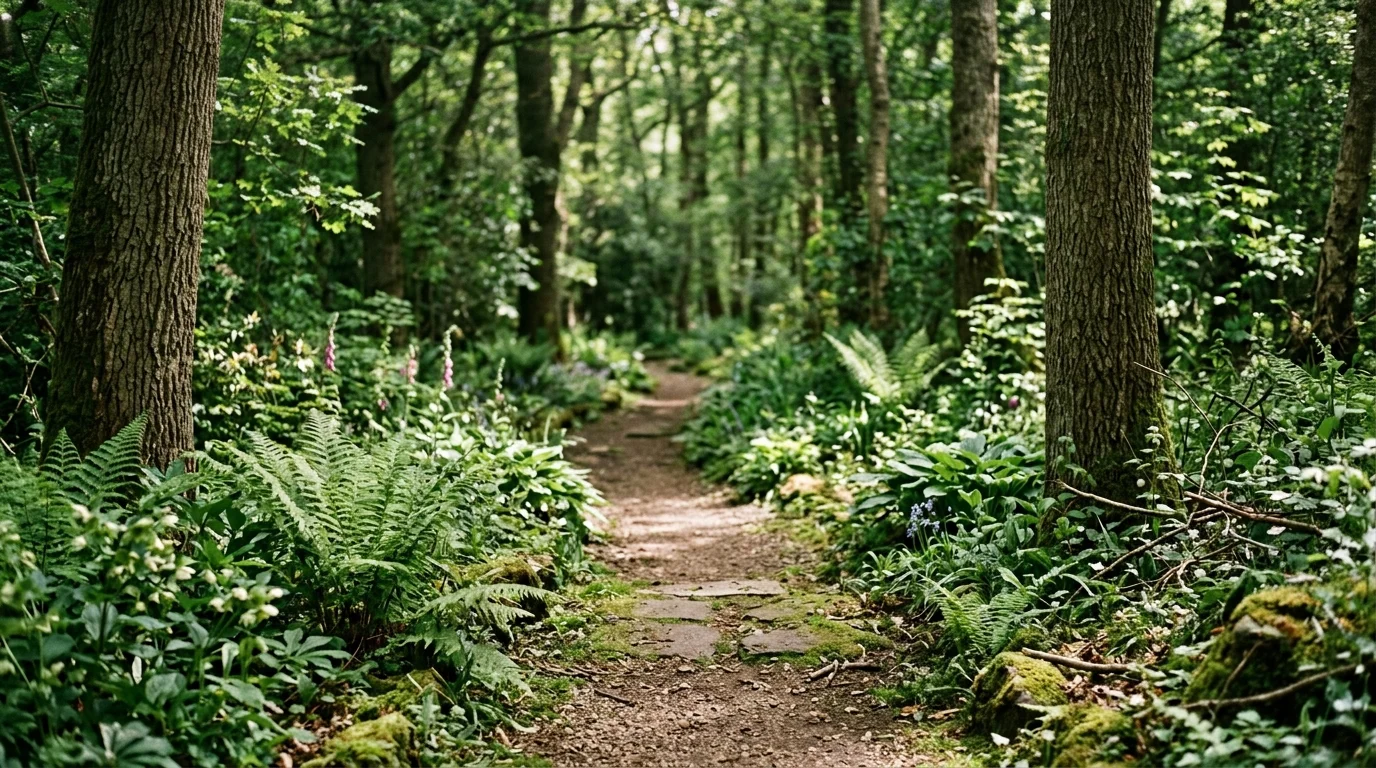
2. Partial Shade Woodland Path
A woodland-inspired path in partial shade brings a completely different mood. Instead of bright intensity, you get softness, depth, and a slower sense of discovery. Flowers here work best when paired with lush foliage and a path material that feels natural within the landscape.
This kind of pathway is perfect for gardens with trees, side borders, or sheltered back corners. The filtered light makes the whole scene feel calm and beautifully layered.
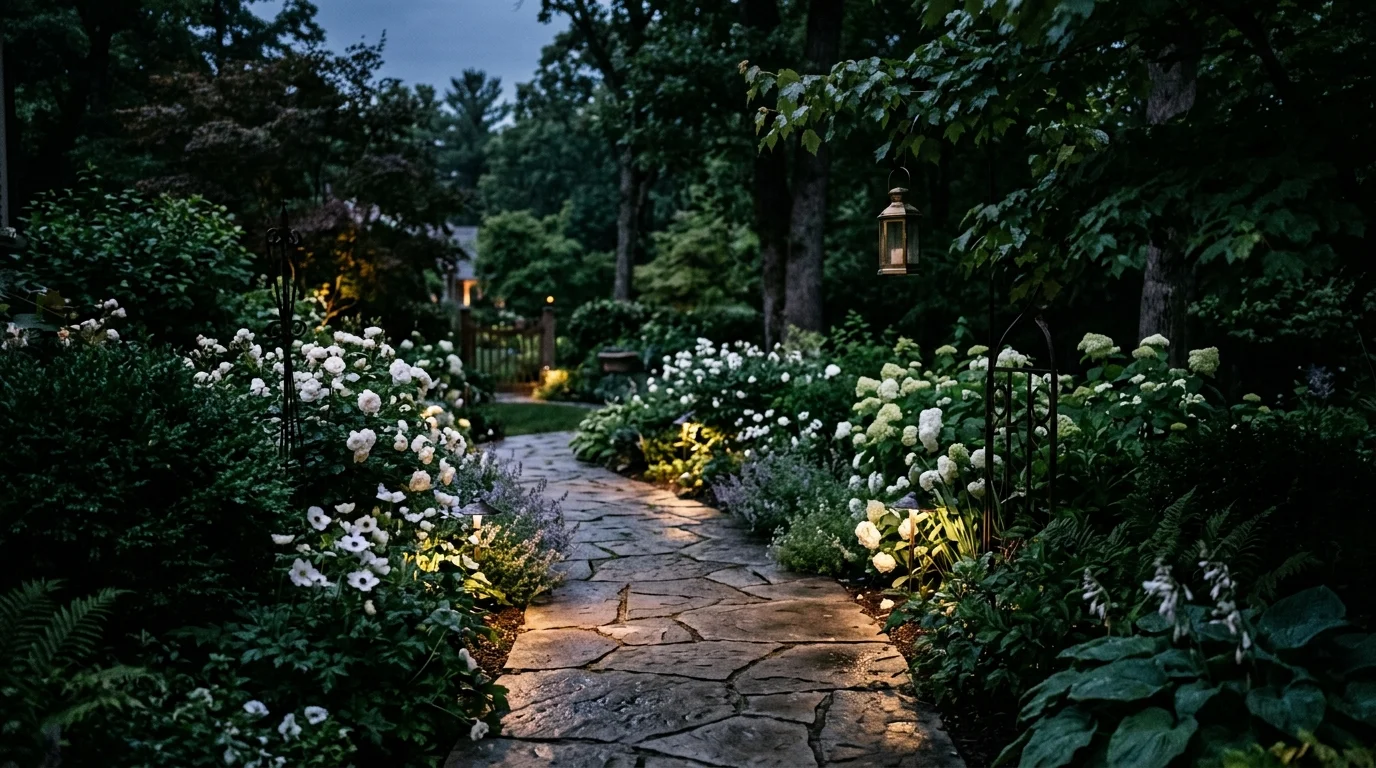
3. Low-Light Elegant Pathway
A low-light flower path can be surprisingly sophisticated when the planting is restrained. In dimmer spaces, elegance often comes from shape, texture, and a more edited use of blooms rather than large swathes of color. Pale flowers, glossy leaves, and clean lines help the path feel polished instead of lost in shade.
This is a strong choice for side yards, hidden passages, or mature gardens where the light stays limited through much of the day. A subtle, refined planting plan can make those spaces feel especially intentional.
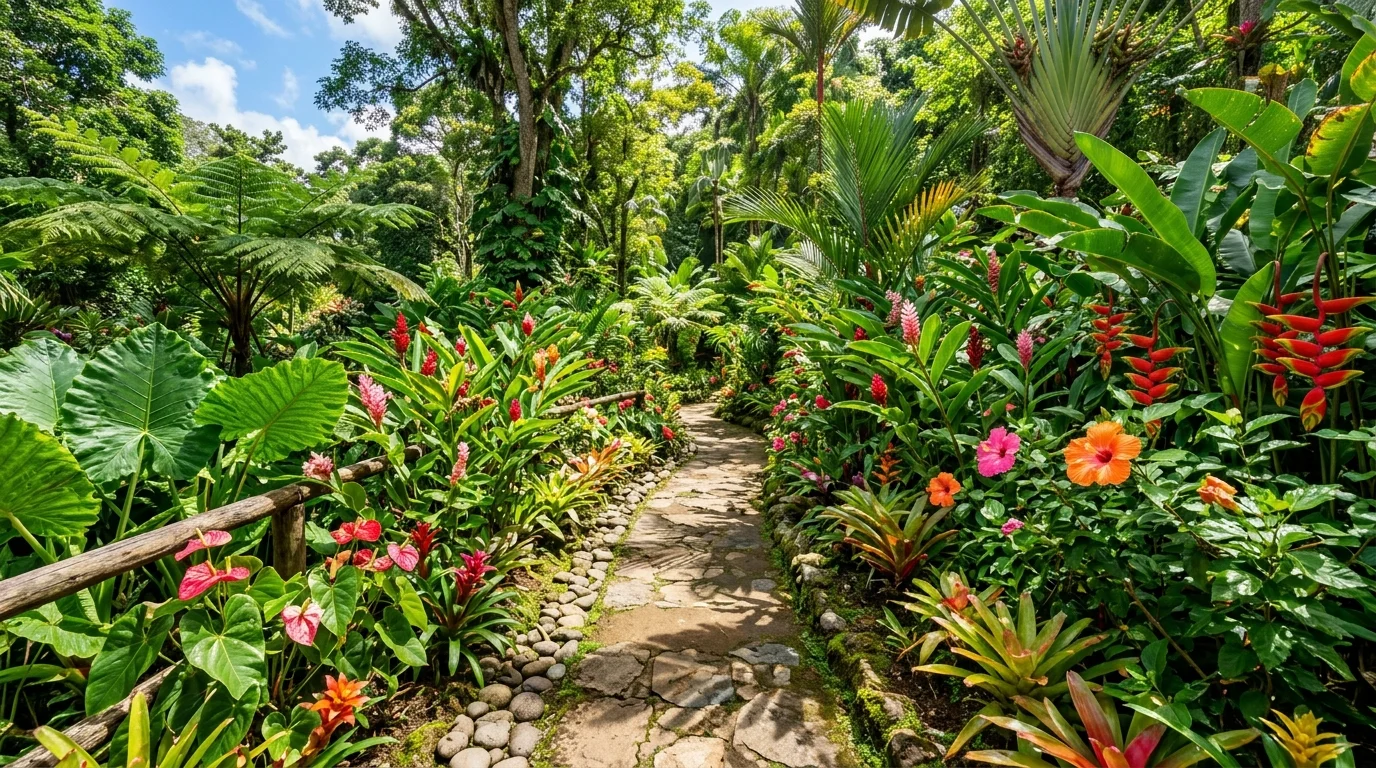
4. Tropical Bright Path
If you want a path with impact, a bright tropical-inspired design is full of energy. Larger leaves, saturated flower color, and a denser style of planting create a rich visual corridor that feels lush and dramatic. This approach suits warm, bright spaces where the planting can handle stronger light and bolder combinations.
The path itself becomes part of the experience, not just a route through the garden. It feels vibrant, immersive, and full of movement.
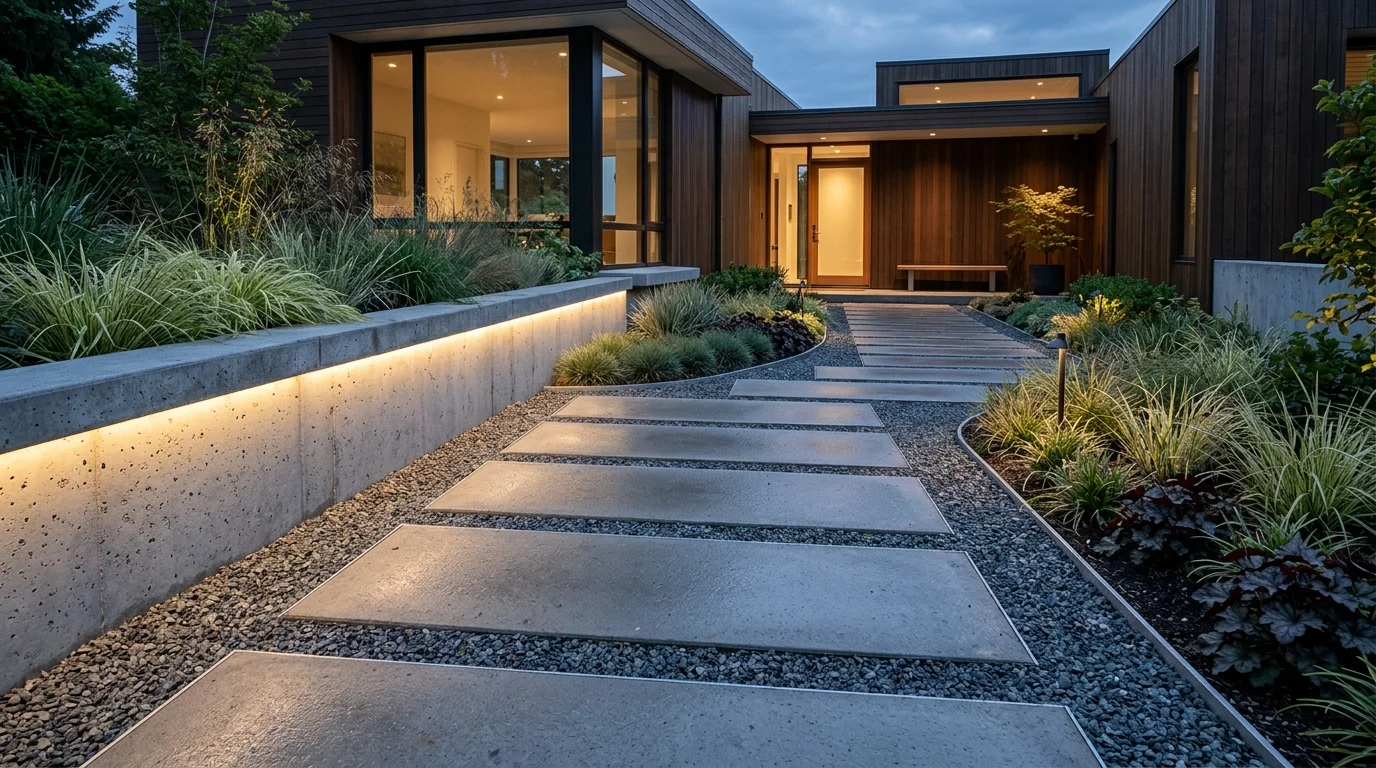
5. Minimalist Modern Path
A modern pathway works best when the flowers are used with restraint. Instead of crowding the walkway, the planting supports a cleaner visual rhythm with repeated shapes, thoughtful spacing, and a calm palette. In indirect light, this can feel especially refined because the softer atmosphere makes every design choice stand out more clearly.
This kind of flower path suits contemporary homes, smaller city gardens, and anyone who prefers a quieter style over a cottage look. It proves that floral design can still feel crisp and architectural.
6. Wildflower Meadow Path
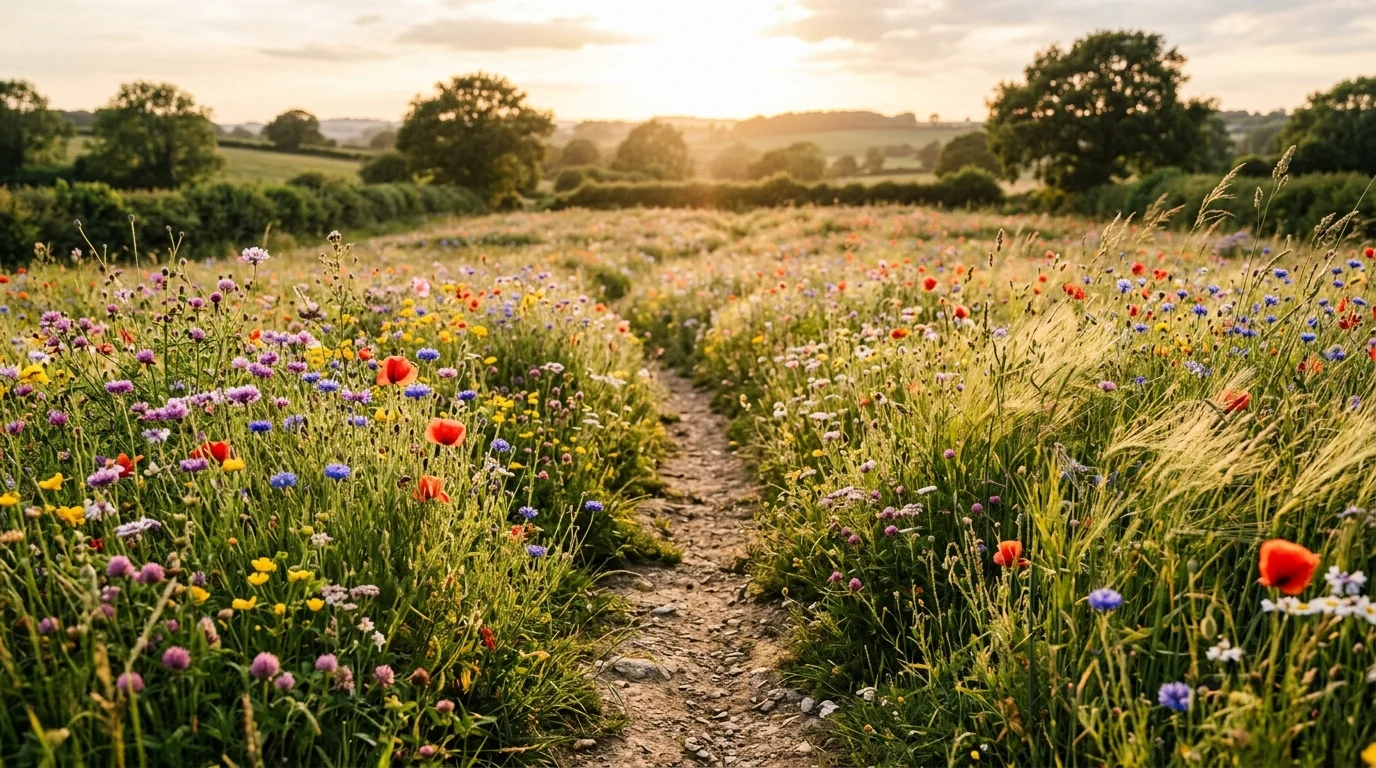
A wildflower-style path feels freer, more relaxed, and a little more naturalistic. Flowers drift along the edge of the walkway instead of lining it too perfectly, which helps the path feel woven into the landscape rather than imposed on top of it. This is especially effective in gardens that want to feel informal and alive.
The secret to making it look good is still control. Let the flowers move softly, but keep the path line itself clear so the design feels intentional instead of messy.
7. Formal Symmetrical Flower Walkway
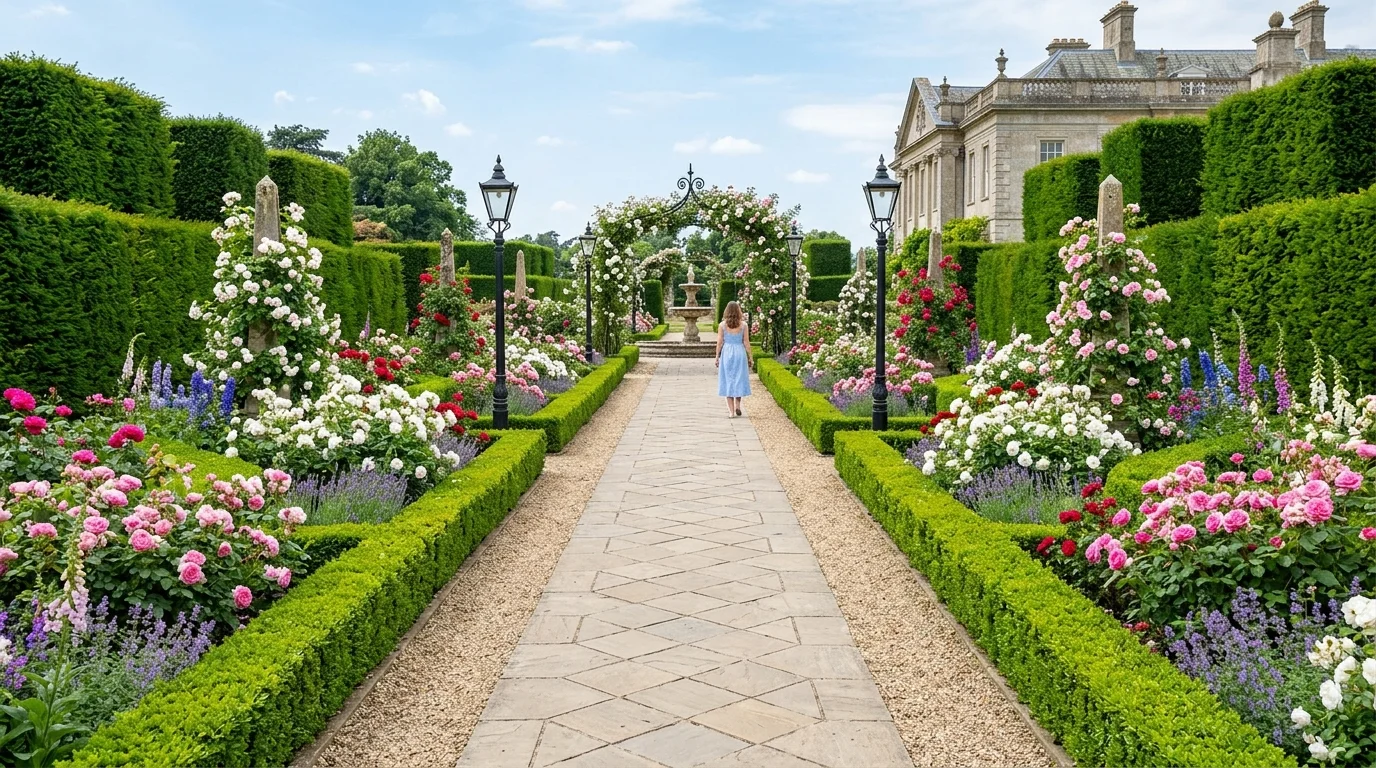
If you want a more structured and timeless look, a symmetrical flower walkway creates instant order. Matching planting on both sides makes the path feel balanced, polished, and almost architectural, especially when the flower beds are repeated with discipline.
This style works beautifully in front gardens, classic layouts, and spaces where you want the path to feel ceremonial as well as beautiful. It gives the garden a stronger sense of arrival.
8. Night Garden Path with Lighting
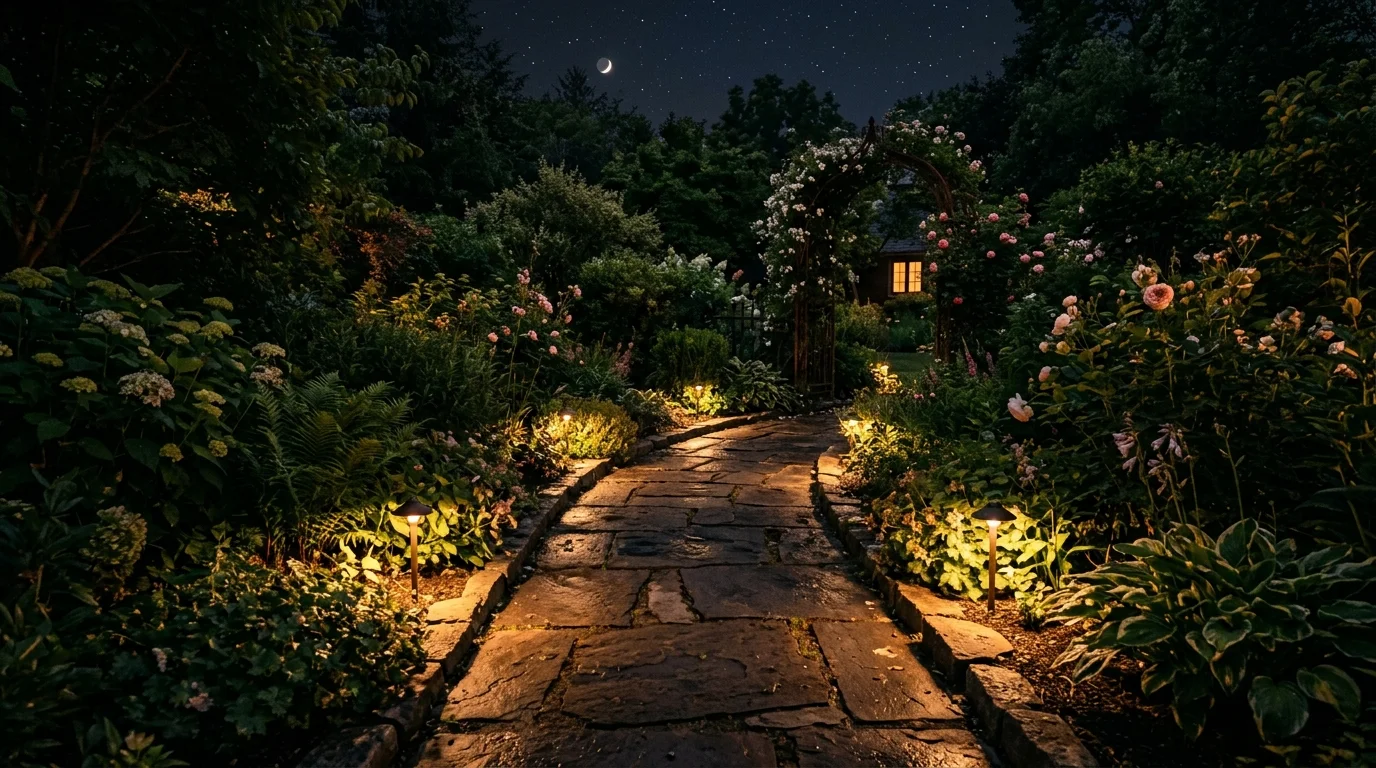
A flower path should still feel magical after sunset, and lighting can completely change how the planting reads at night. Soft illumination brings out texture, highlights blooms, and turns a simple walkway into one of the most atmospheric parts of the garden.
This works especially well near seating areas, porches, or entertaining spaces where the garden is enjoyed in the evening. The flowers do not have to be loud. With the right lighting, even gentle planting feels memorable.
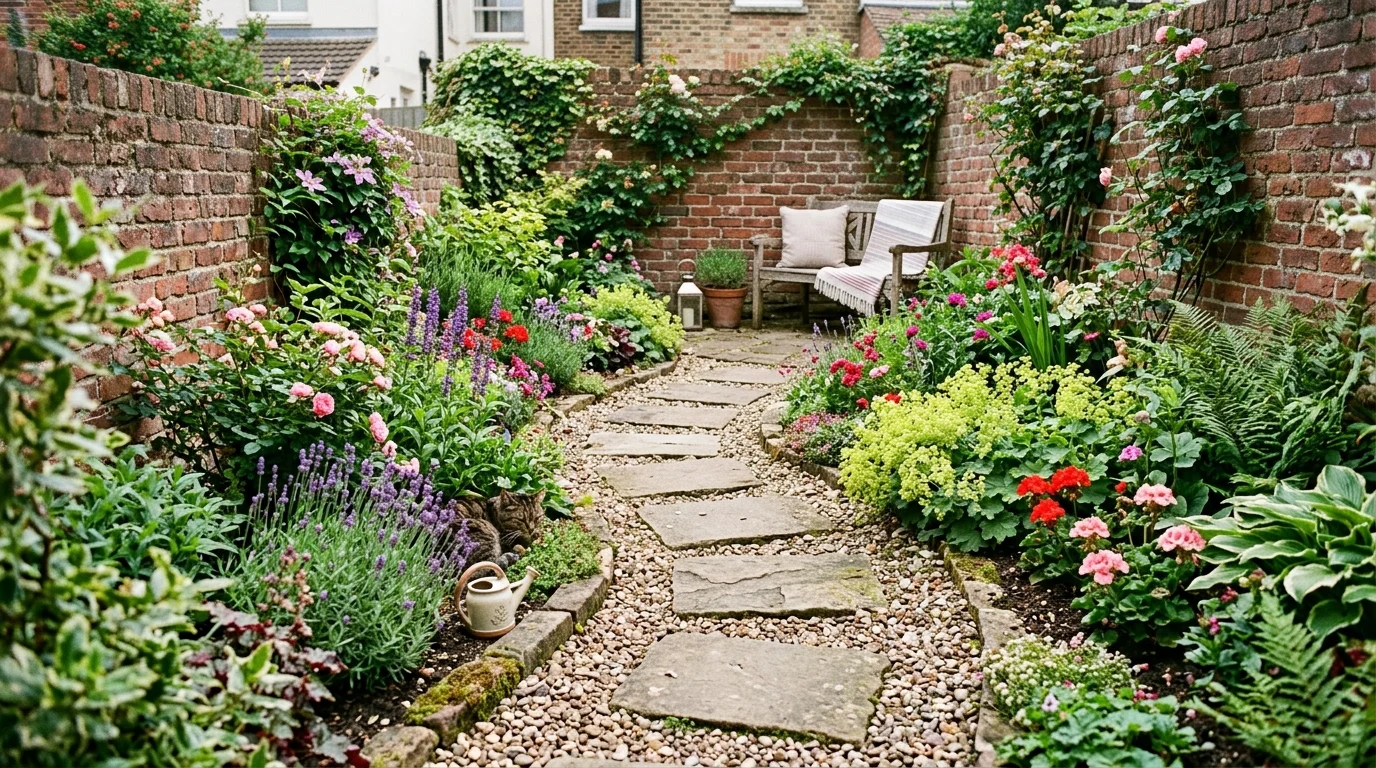
9. Small Space Flower Path
Even the smallest path can feel beautiful when it is treated with care. In a compact garden, flowers around a walkway help create depth, movement, and a stronger sense of design without needing a large planting area. The key is to keep the palette edited and the planting scaled to the width of the space.
This kind of path proves that small gardens do not need to feel limited. With the right flower choices, a short walkway can still feel immersive and special.
Final thoughts on choosing the right flower path
The most successful flower pathway is the one that fits both the light and the feeling you want the garden to have. A bright cottage walk, a woodland edge, a formal symmetrical route, or a small-space flower path can all be beautiful when they are matched to the space around them.
Start by noticing the light first, then choose a style that supports the mood of the garden as a whole. When the path feels intentional, the entire garden instantly looks more finished.