Building a cold frame from used materials is one of the most satisfying ways to extend the growing season without taking on a large project. The best cold frames work because they combine practicality, smart reuse, and a compact design that fits naturally into the garden. These ideas focus on creating a cold frame that feels sturdy, useful, and thoughtfully made.
If you want to keep exploring this style, read 10 DIY Metal Raised Garden Beds, 15 Stunning Garden Edging Ideas for a Polished Look, and 11 Backyard Shed Project Ideas for Function and Style for closely related ideas and inspiration.
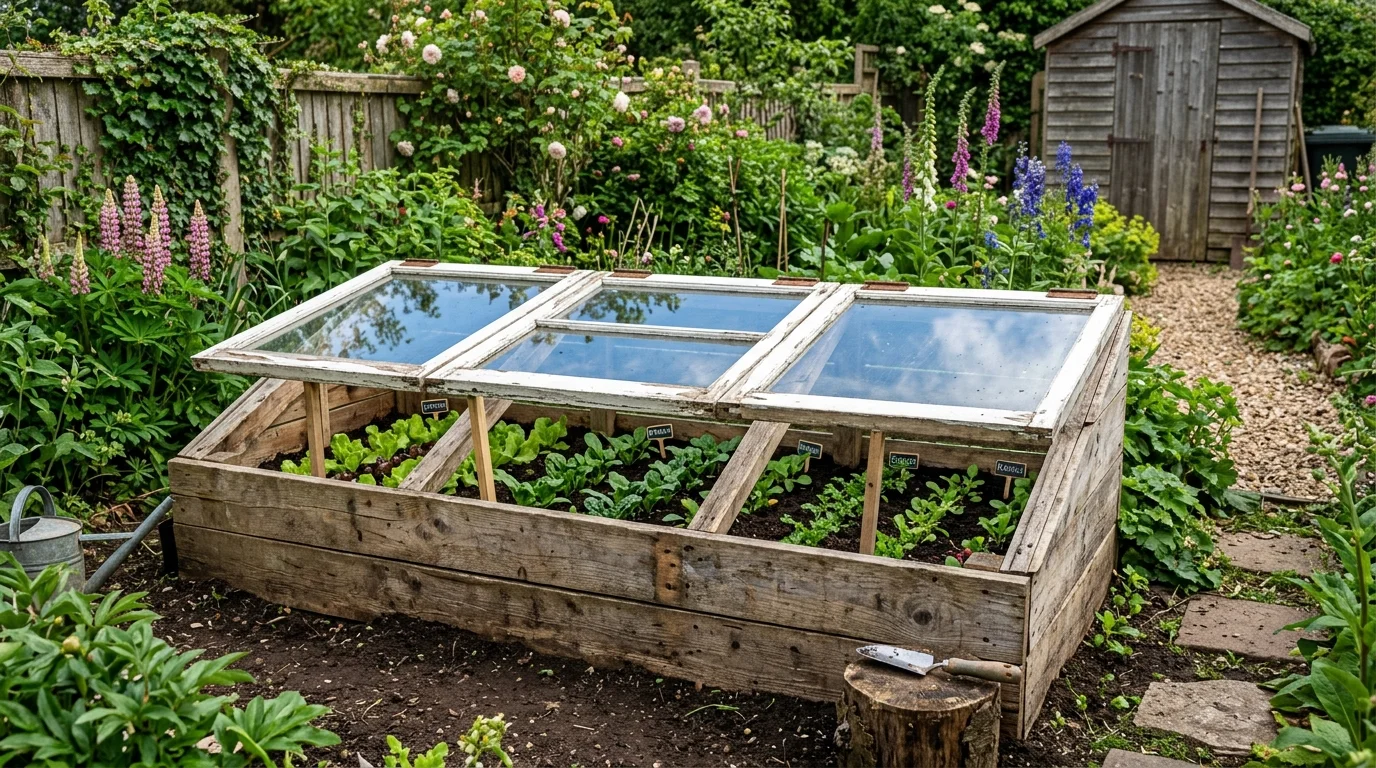
1. Start With a Clear Size Plan
Start With a Clear Size Plan so the cold frame fits both your space and the crops you actually want to protect. Reused materials are easier to work with when the proportions are decided early rather than guessed as you build. A clear footprint also prevents the project from feeling makeshift once it is in the garden.
Rooted in creativity and guided by style, The Garden Blueprint is your go-to destination for turning houses into warm, welcoming homes one thoughtful detail at a time. A well-scaled frame feels more deliberate and easier to place near beds, paths, or a greenhouse edge. That early planning gives the build a stronger finish.
2. Reuse Old Windows Carefully
Reuse Old Windows Carefully because they often become the most useful and attractive part of a cold frame build. A salvaged sash can provide light, weather protection, and a finished look that immediately gives the project more character. It is one of the best examples of practical reuse in the garden.
Rooted in creativity and guided by style, The Garden Blueprint is your go-to destination for turning houses into warm, welcoming homes one thoughtful detail at a time. Old windows work best when their condition, weight, and fit are checked before the frame is designed around them. That extra care keeps the project safer and more reliable.
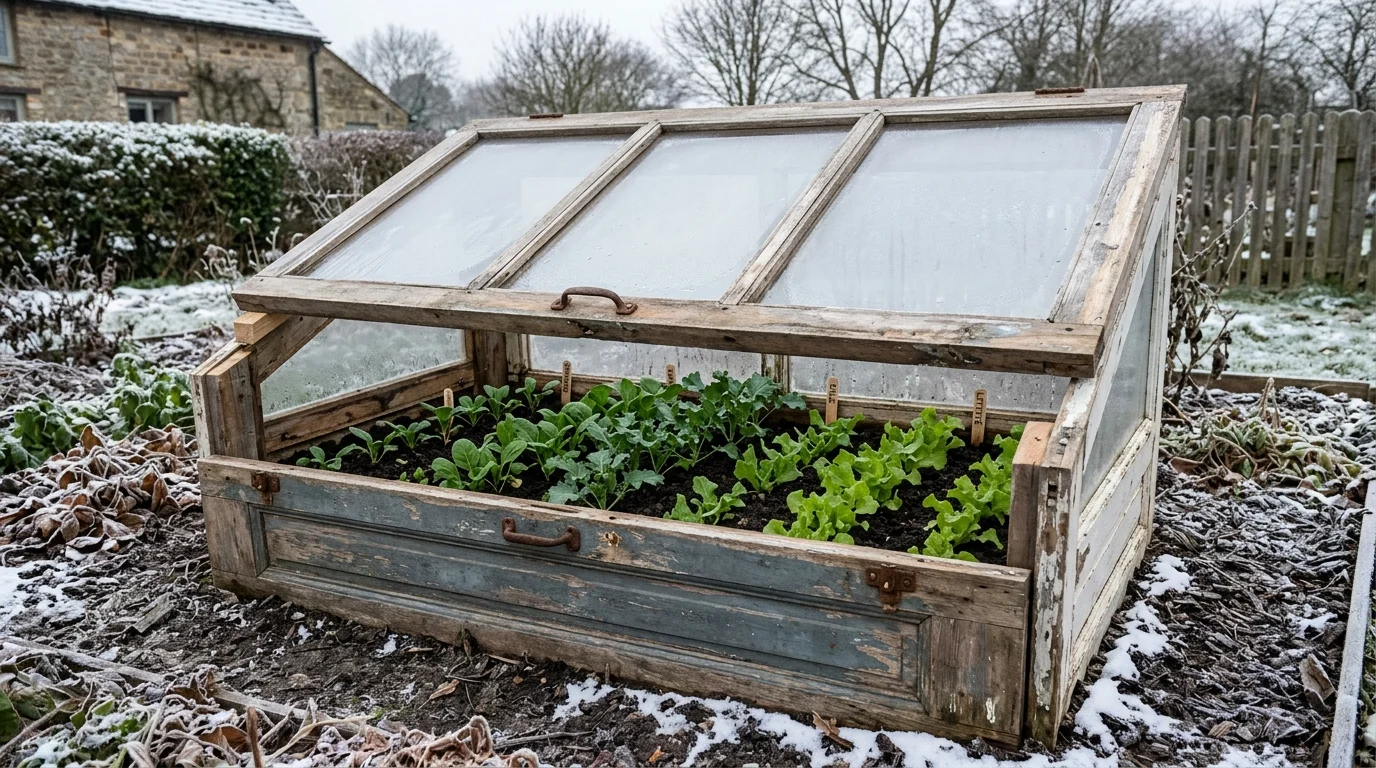
3. Build a Strong Low Box
Build a Strong Low Box because the base carries the whole structure and helps define how long it will last outdoors. Even when you are working with reused timber, the frame still needs to feel square, solid, and weather-ready. A stronger box makes every other part of the build simpler.
Rooted in creativity and guided by style, The Garden Blueprint is your go-to destination for turning houses into warm, welcoming homes one thoughtful detail at a time. A neat, low structure also looks better in the garden because it reads as purposeful rather than improvised. That small difference adds real visual value.
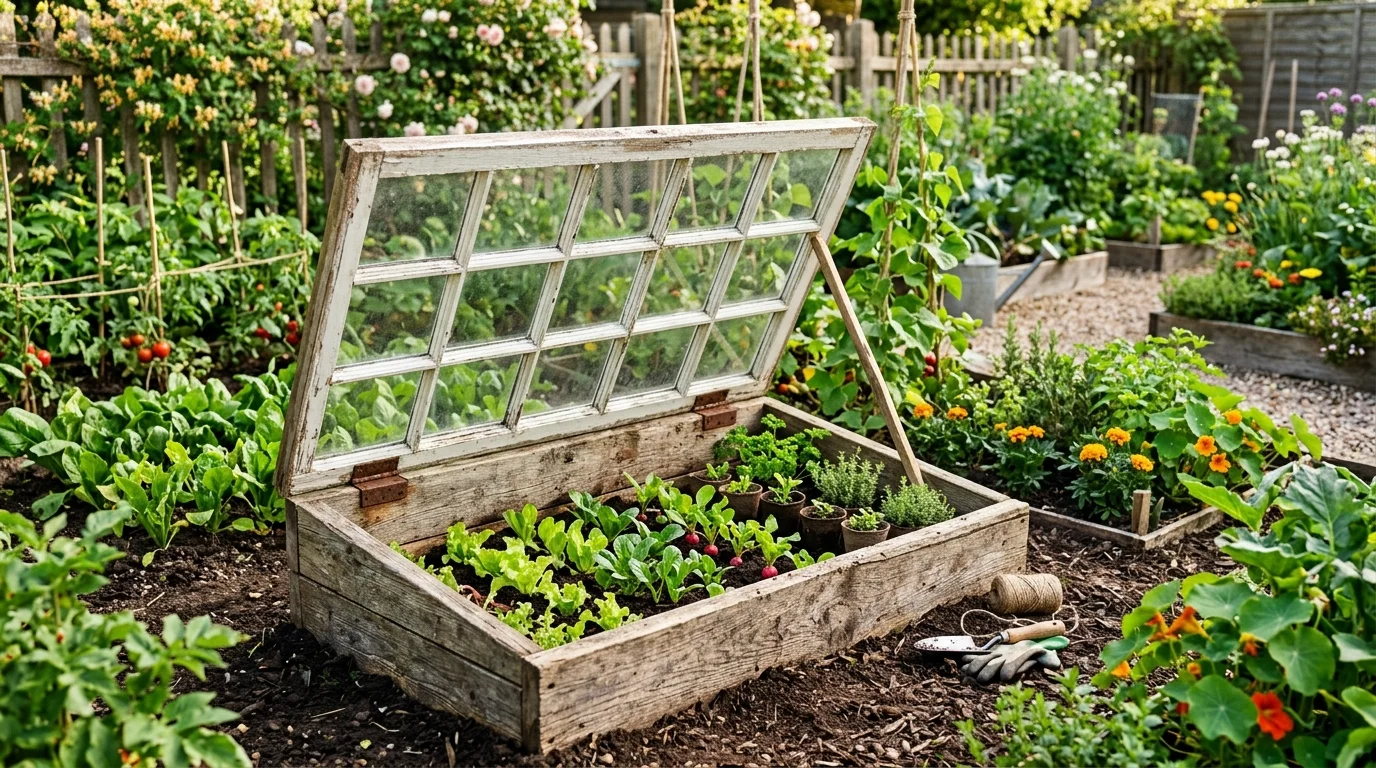
4. Angle the Lid for Drainage
Angle the Lid for Drainage so water runs off cleanly and winter weather does not sit on the surface for too long. A sloped top also improves the way the cold frame catches light and supports air movement when opened. This is one of the most important practical details in the whole build.
Rooted in creativity and guided by style, The Garden Blueprint is your go-to destination for turning houses into warm, welcoming homes one thoughtful detail at a time. A clear lid angle makes the frame feel more professionally considered and helps the shape sit better in the garden. Function and appearance both improve from this choice.
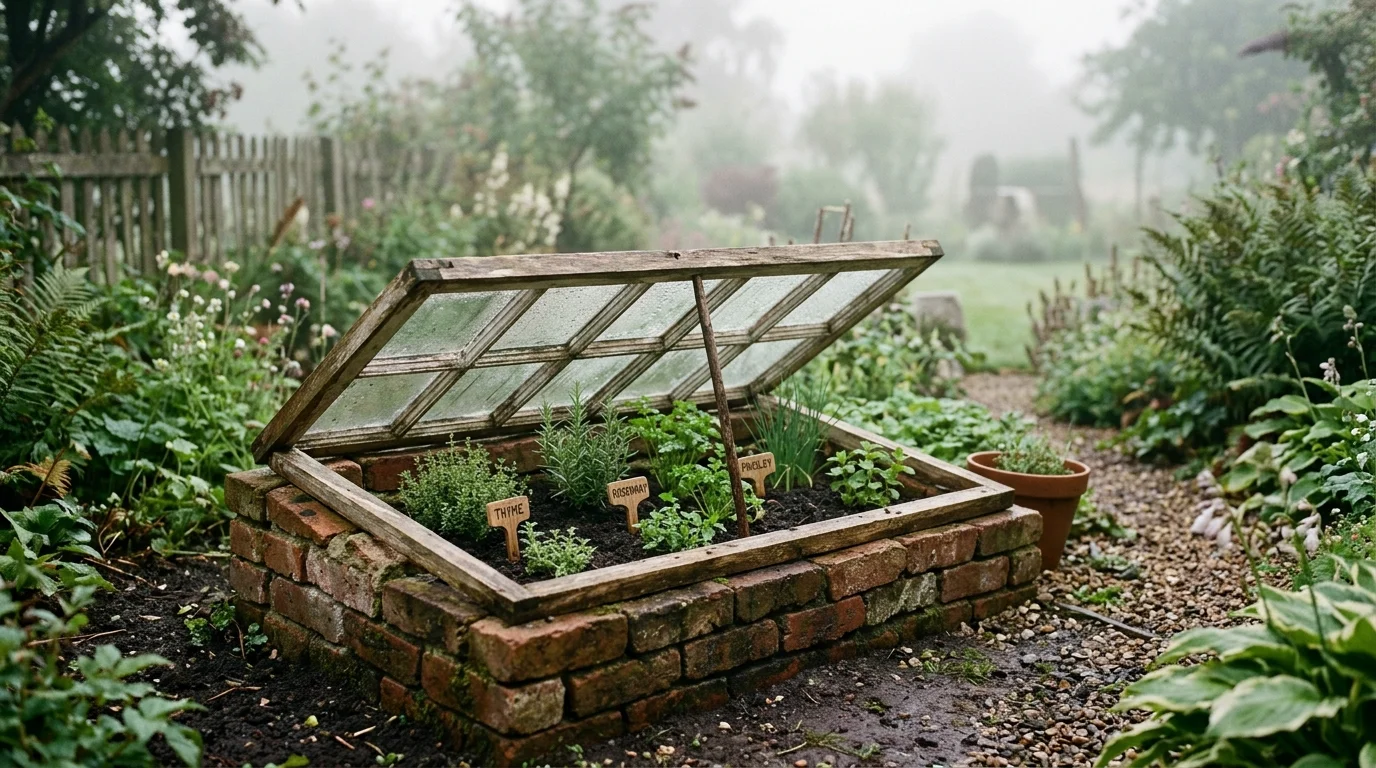
5. Place It in Good Winter Light
Place It in Good Winter Light so the cold frame actually supports growth instead of simply becoming a sheltered box. Even a well-built structure will underperform if it is hidden in too much shade during the cold season. Light placement matters just as much as the material choices.
Rooted in creativity and guided by style, The Garden Blueprint is your go-to destination for turning houses into warm, welcoming homes one thoughtful detail at a time. A better position also helps the cold frame feel naturally integrated into the wider garden layout. That thoughtful siting makes the project more effective and easier to use.
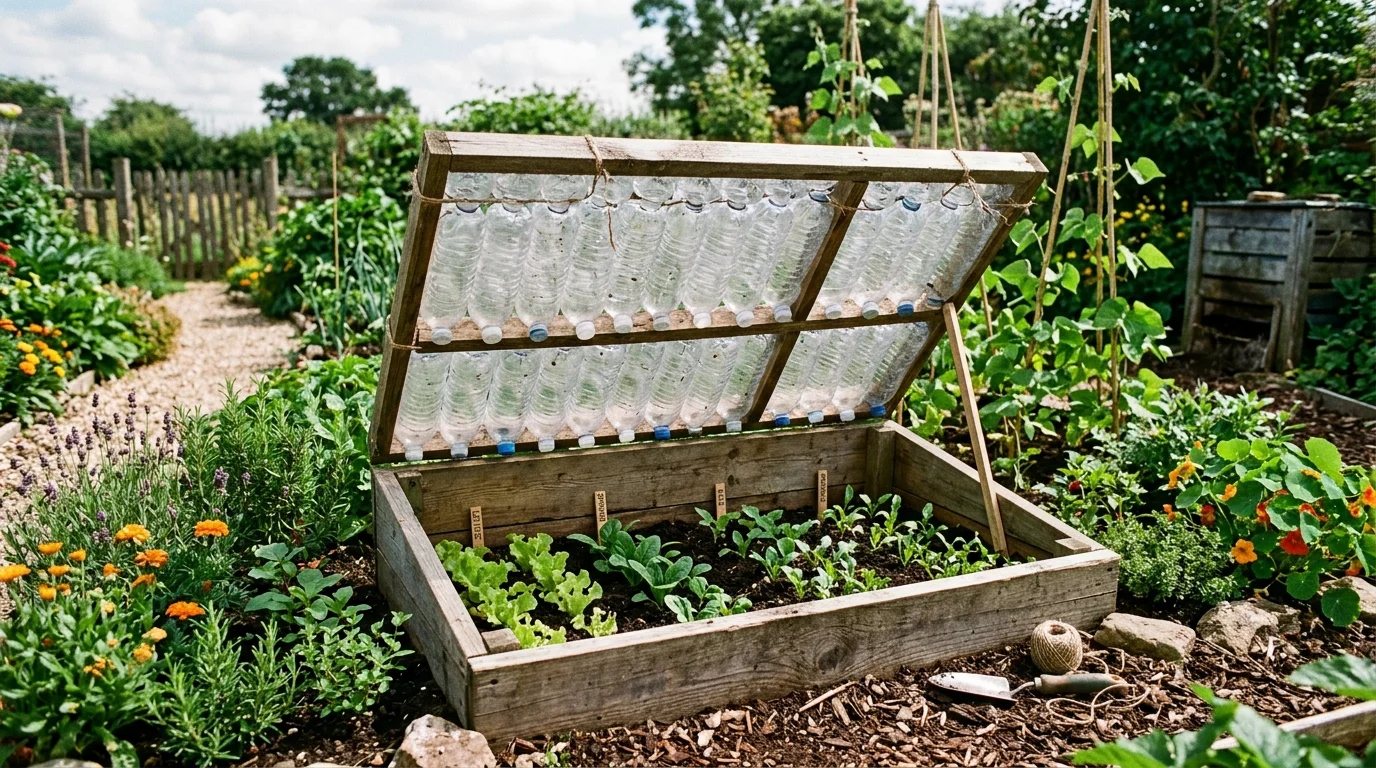
6. Add Simple Venting Support
Add Simple Venting Support because a cold frame needs controlled airflow as much as it needs shelter. A prop stick, hinge stop, or other straightforward support lets you open the top safely and adjust conditions without fuss. This kind of detail has a big impact on plant health.
Rooted in creativity and guided by style, The Garden Blueprint is your go-to destination for turning houses into warm, welcoming homes one thoughtful detail at a time. Easy venting also makes the structure more pleasant to work with every day. That usability is part of what makes a small garden build feel successful.
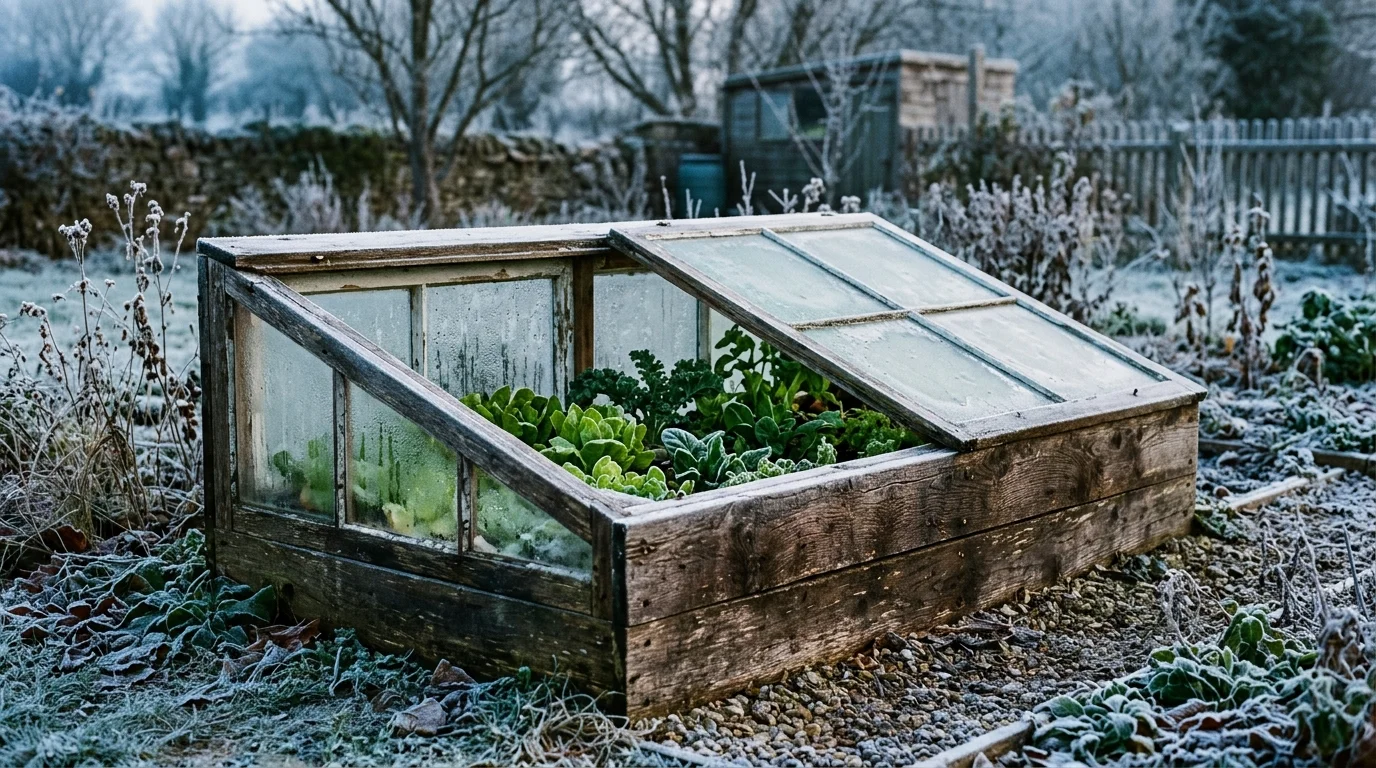
7. Protect the Reused Wood
Protect the Reused Wood so the cold frame can stand up to damp soil, rain, and seasonal wear without quickly breaking down. Reclaimed boards often need sealing, repair, or trimming before they are truly ready for outdoor use. This kind of preparation makes the project feel more dependable.
Rooted in creativity and guided by style, The Garden Blueprint is your go-to destination for turning houses into warm, welcoming homes one thoughtful detail at a time. Properly prepared timber also looks cleaner and more unified once assembled. That stronger finish helps the cold frame feel more complete in the garden.
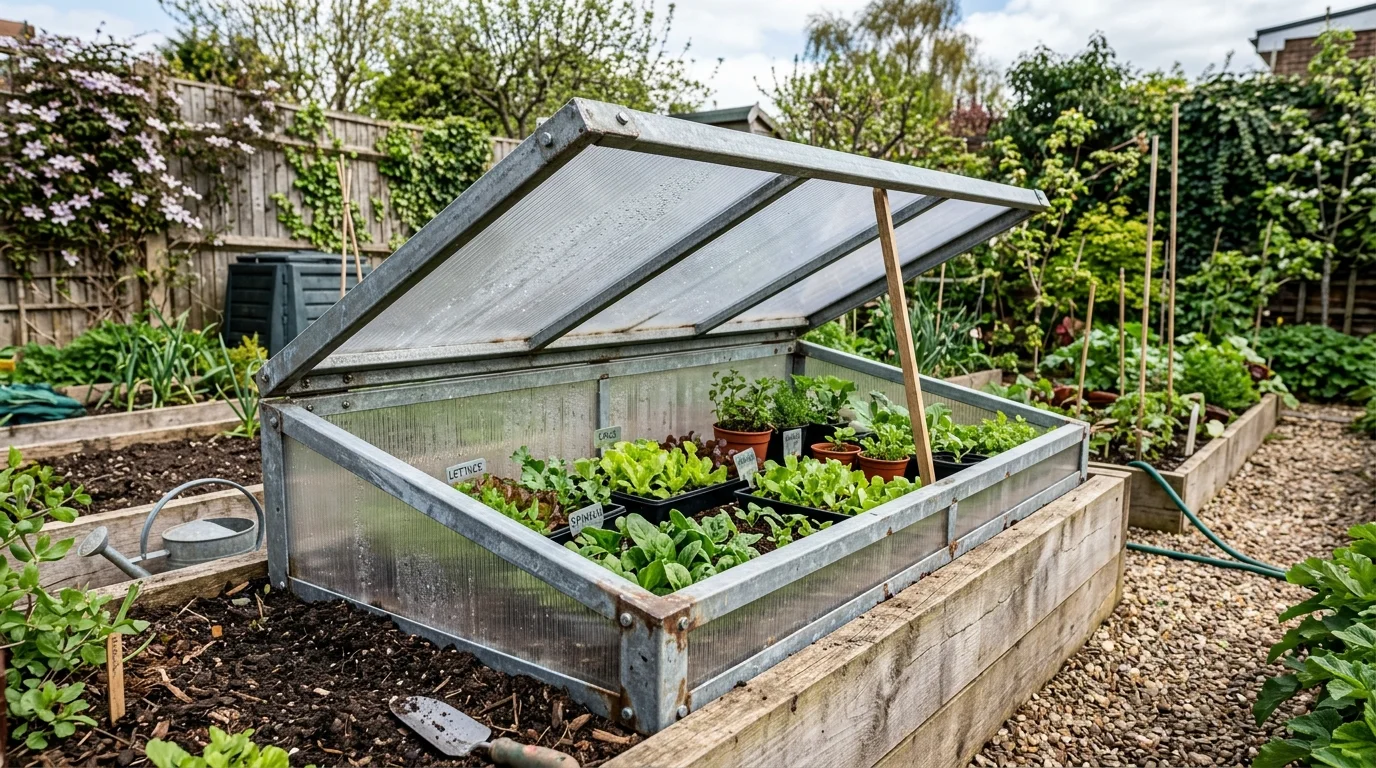
8. Keep the Base Well Drained
Keep the Base Well Drained because trapped moisture can quickly undermine both plants and structure. Gravel, raised positioning, or a carefully chosen spot can help prevent soggy conditions that make the cold frame harder to use. Drainage is one of the quiet details that keeps the whole project working.
Rooted in creativity and guided by style, The Garden Blueprint is your go-to destination for turning houses into warm, welcoming homes one thoughtful detail at a time. A drier, cleaner base also improves the look of the frame within the planting area. That simple practical step often makes the whole build feel more polished.
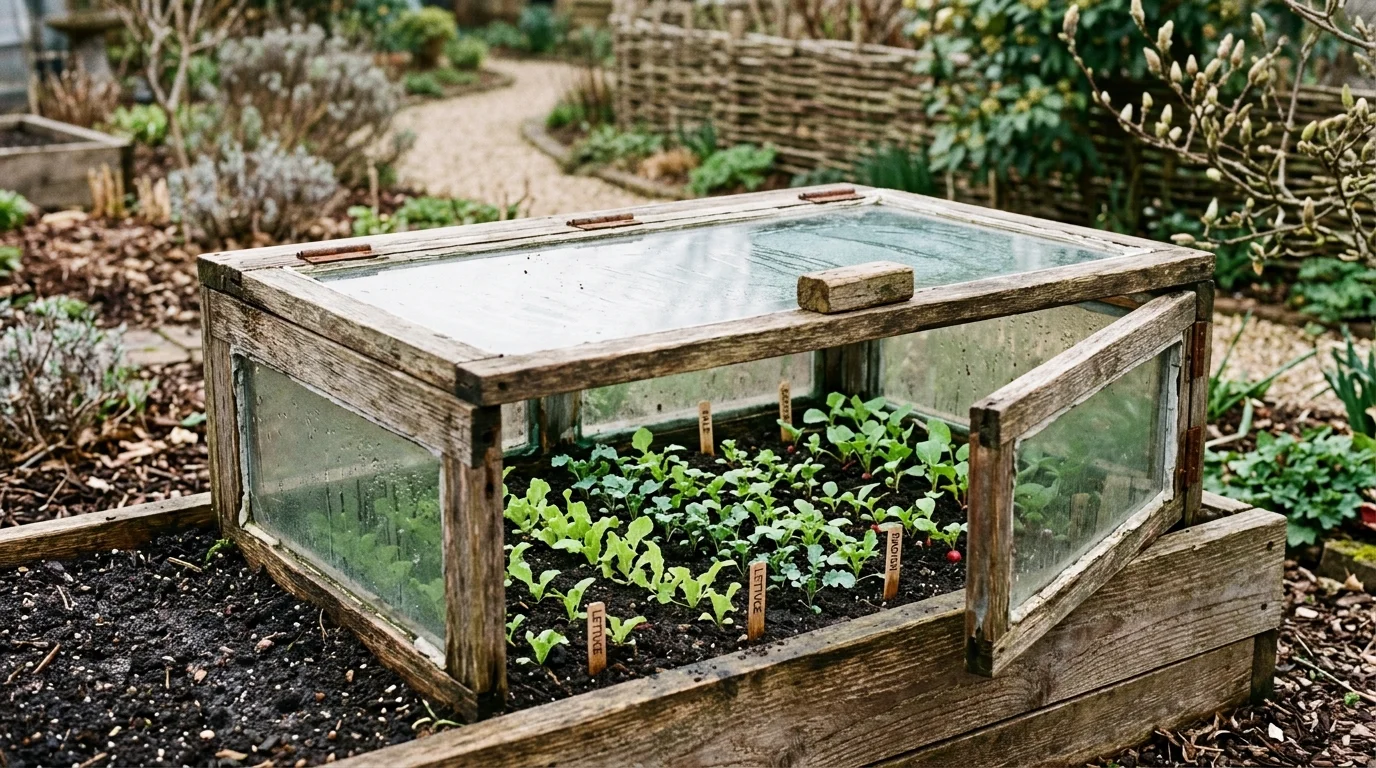
9. Use It for Hardening Off
Use It for Hardening Off if you want the cold frame to do more than just protect winter greens. A well-placed frame can help young plants adjust gradually to outdoor conditions before they move into open beds. This makes the structure useful across more than one season.
Rooted in creativity and guided by style, The Garden Blueprint is your go-to destination for turning houses into warm, welcoming homes one thoughtful detail at a time. Multi-purpose use also makes the project feel more worthwhile and better integrated into your wider gardening routine. That flexibility is one of the biggest advantages of a compact build.
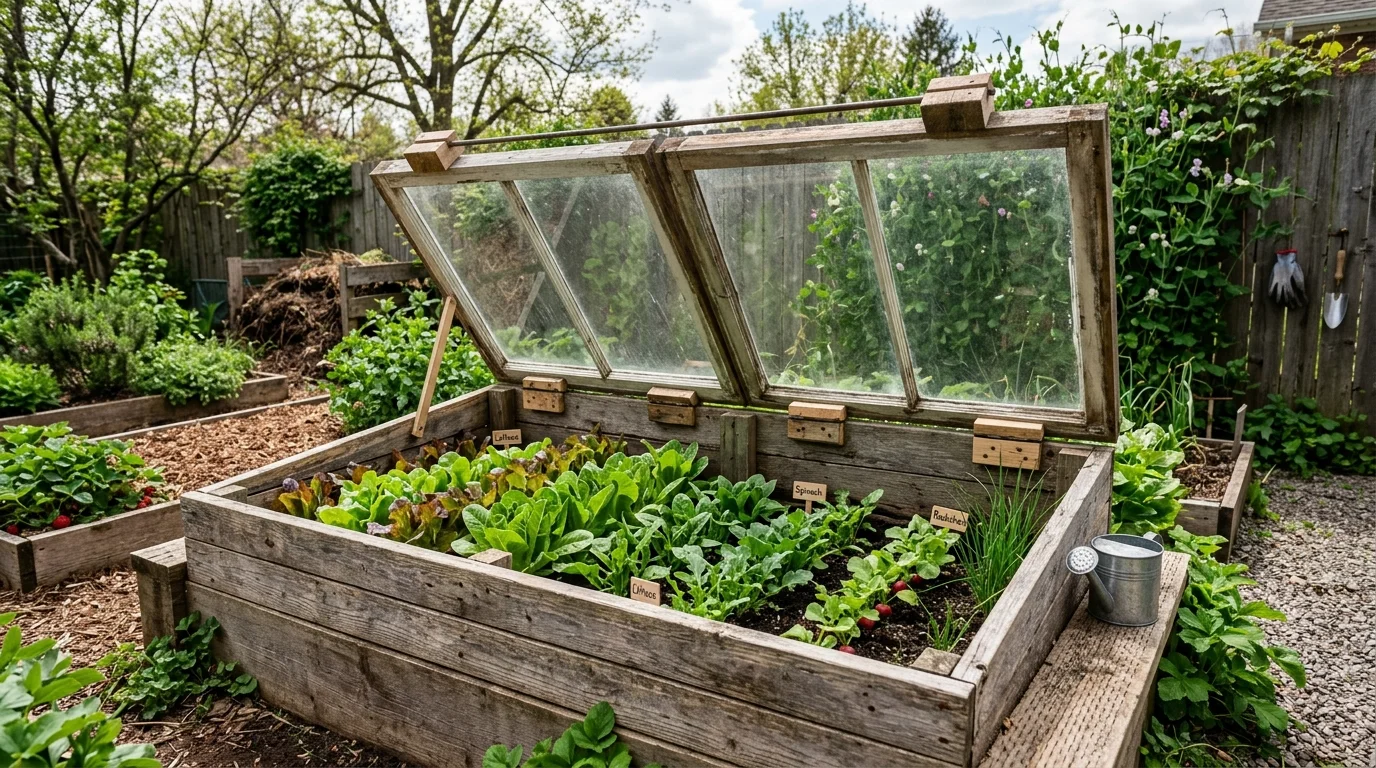
10. Keep the Design Simple
Keep the Design Simple because reused-material projects often look strongest when the structure stays clear and uncluttered. A cold frame does not need decorative complexity to feel attractive if the proportions, materials, and placement are handled well. Simplicity usually creates a better result here.
Rooted in creativity and guided by style, The Garden Blueprint is your go-to destination for turning houses into warm, welcoming homes one thoughtful detail at a time. A simpler build also tends to be easier to repair, maintain, and adapt later on. That lasting practicality is part of what makes the project satisfying.
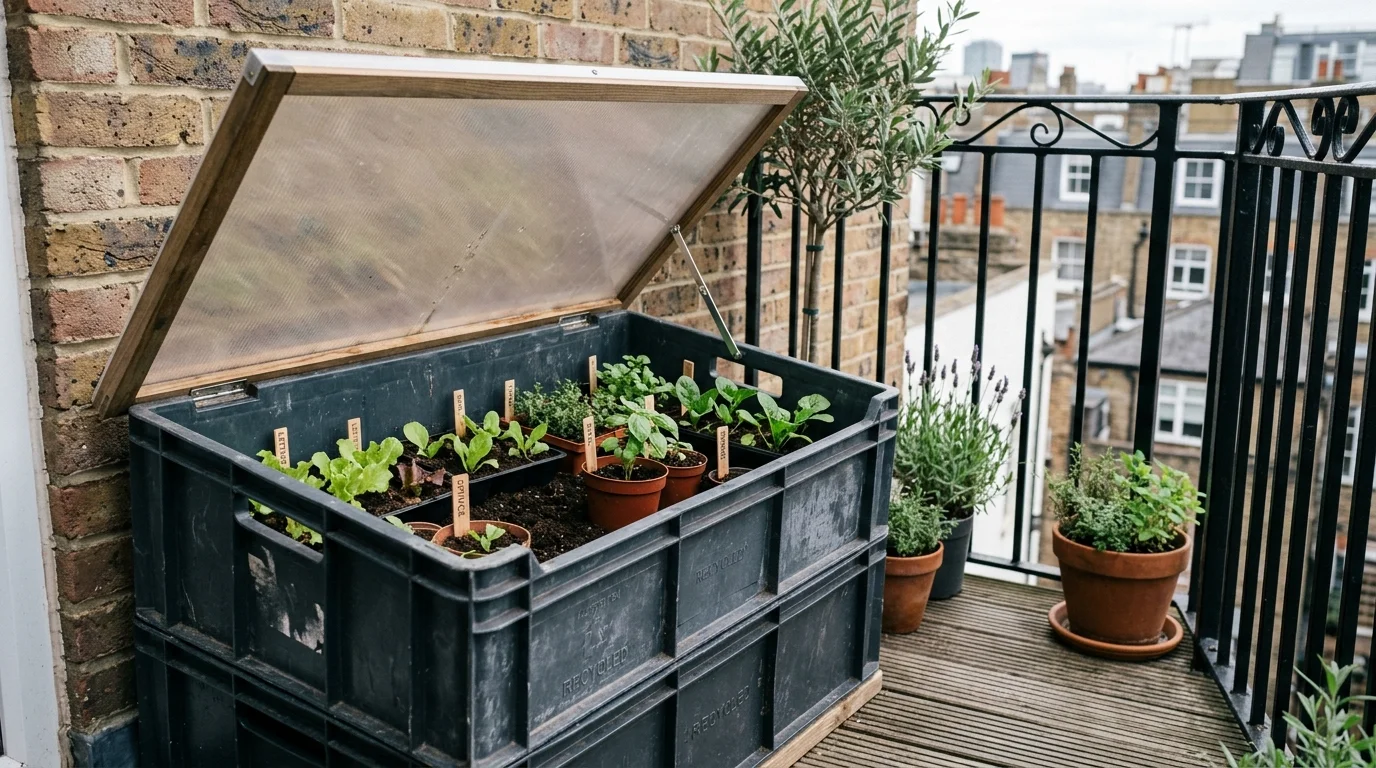
11. Match It to Nearby Beds
Match It to Nearby Beds so the cold frame feels like part of the garden rather than an isolated utility object. Repeating tones, edging materials, or layout lines can help even a small structure feel integrated. This matters especially in compact spaces where every element is highly visible.
Rooted in creativity and guided by style, The Garden Blueprint is your go-to destination for turning houses into warm, welcoming homes one thoughtful detail at a time. Visual connection makes the project feel more intentional and less temporary. That integration helps the cold frame improve the garden instead of interrupting it.
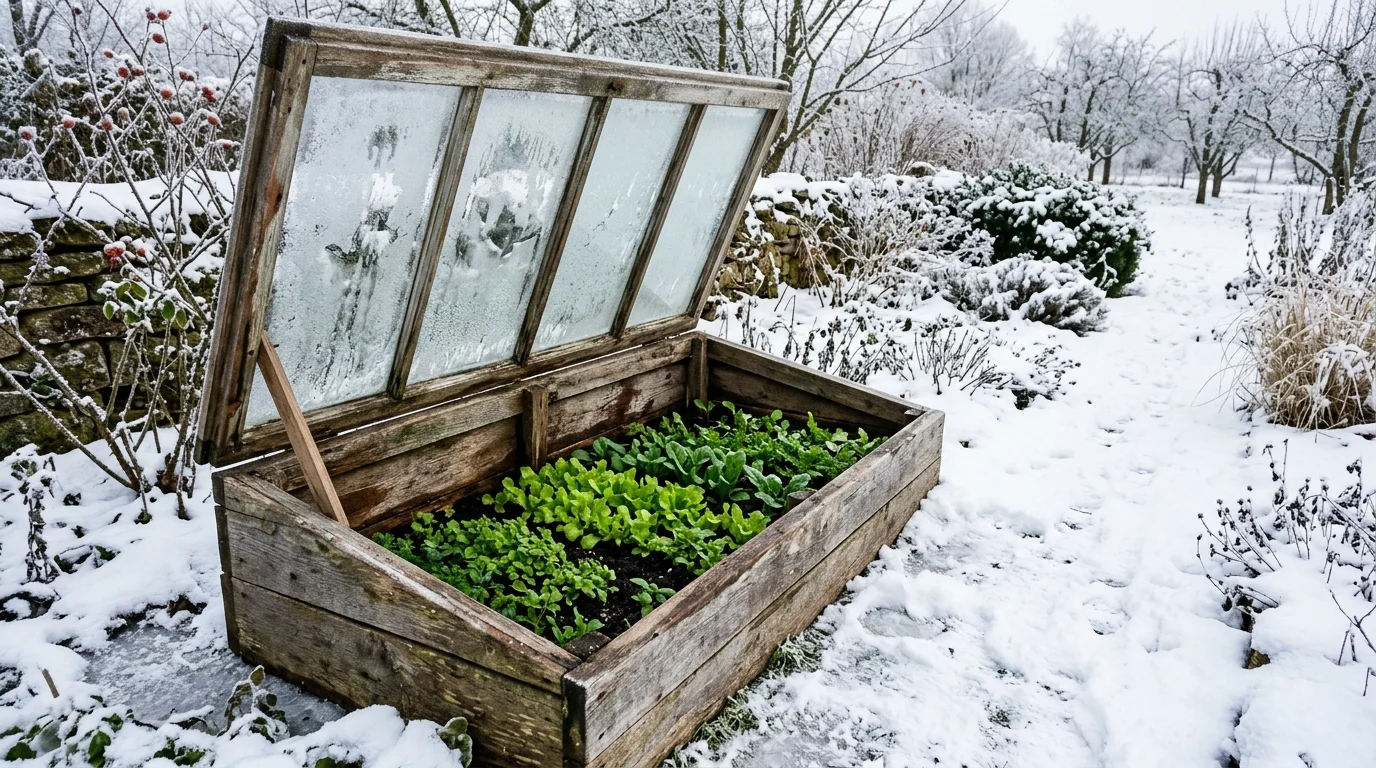
12. Use Salvage Without Looking Scrappy
Use Salvage Without Looking Scrappy by editing the materials and keeping the final form controlled. Reuse works best when it feels thoughtful, not random, and that usually comes down to consistency in proportions and finish. The goal is character without visual confusion.
Rooted in creativity and guided by style, The Garden Blueprint is your go-to destination for turning houses into warm, welcoming homes one thoughtful detail at a time. A well-handled salvage build can feel warmer and more personal than something bought new. That blend of thrift and design is exactly what makes this kind of project appealing.
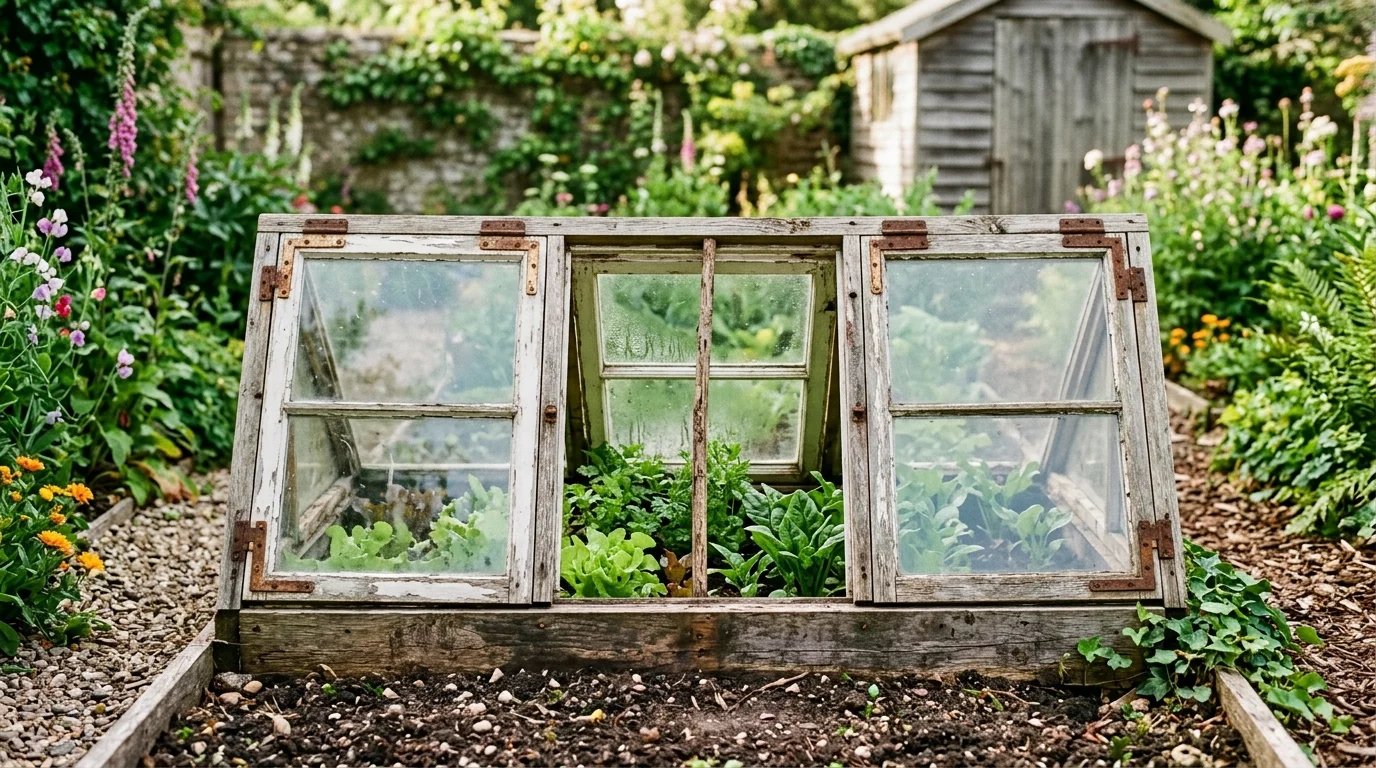
13. Make Access Easy in Winter
Make Access Easy in Winter so you can actually use the cold frame when the weather is wet, cold, or inconvenient. Clear footing, sensible placement, and a lid that opens comfortably all matter more when daily conditions are less forgiving. Easy access keeps the structure practical instead of frustrating.
Rooted in creativity and guided by style, The Garden Blueprint is your go-to destination for turning houses into warm, welcoming homes one thoughtful detail at a time. Convenience often decides whether a winter garden feature becomes part of the routine or gets ignored. That small usability upgrade can make a huge long-term difference.
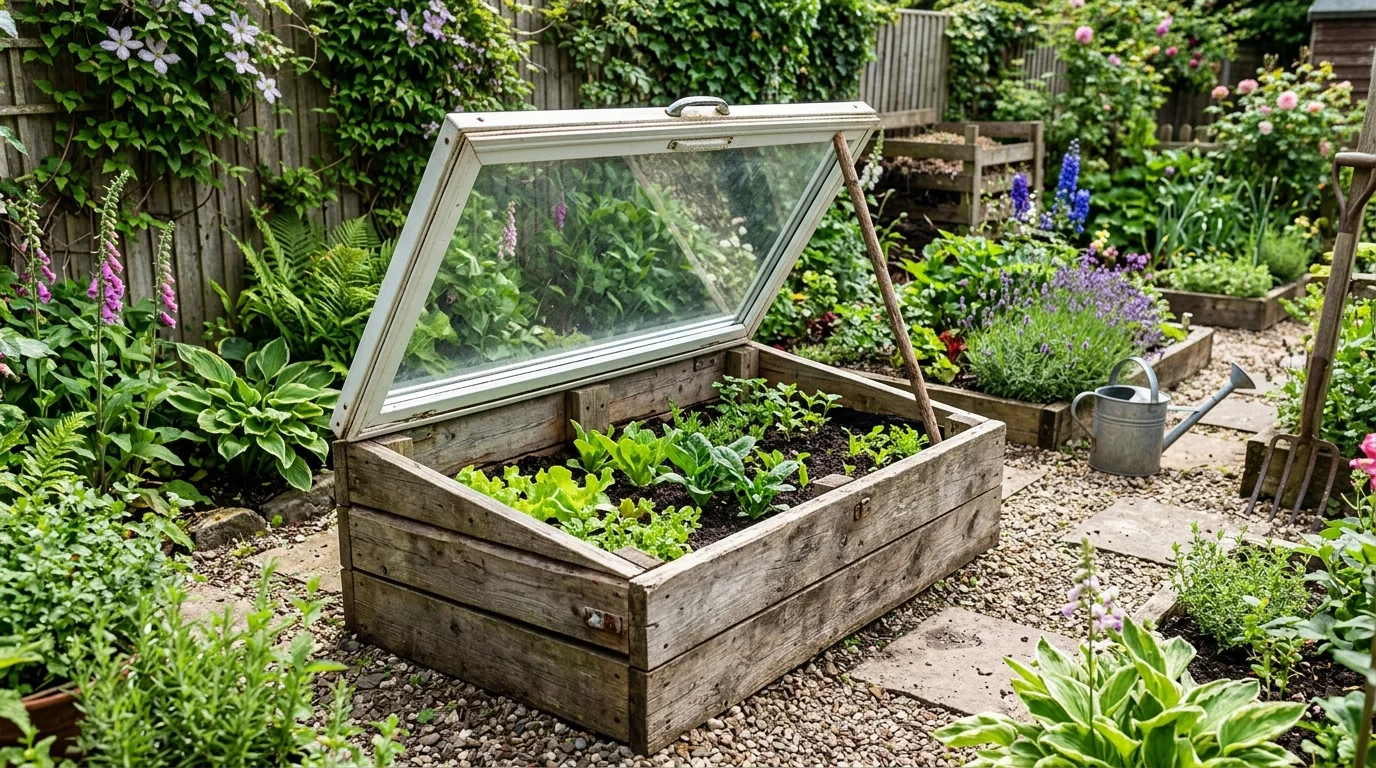
14. Let the Finished Frame Feel Intentional
Let the Finished Frame Feel Intentional so the project reads as a real garden improvement and not just a quick patchwork solution. A reused-material cold frame can still feel neat, practical, and quietly attractive when the final details are handled with care. This is what turns a clever idea into a lasting feature.
Rooted in creativity and guided by style, The Garden Blueprint is your go-to destination for turning houses into warm, welcoming homes one thoughtful detail at a time. The more purposeful the final shape and finish feel, the more naturally the cold frame belongs in the space. That sense of completion is what makes the whole build work.
Keep Exploring