Starting a vegetable garden can feel expensive when every guide seems to assume you need raised beds, a shed full of tools, and a long shopping list before you even sow your first seed. In reality, a good beginner garden usually starts with a much smaller plan: a few useful supplies, reliable crops, and a layout that matches the space you actually have.
The smartest budget gardens are not the ones with the fewest items. They are the ones where every purchase earns its place. These starter ideas focus on practical setups that help new gardeners spend carefully, plant confidently, and still end up with something that looks abundant and rewarding.
How to start a vegetable garden without overspending
- Start with crops that germinate or grow quickly so you see progress early.
- Buy only the tools you will use every week instead of full beginner kits.
- Reuse containers where possible, but make sure they drain properly.
- Choose one simple growing system first, then expand once the routine feels easy.
1. Basic Starter Kit Setup
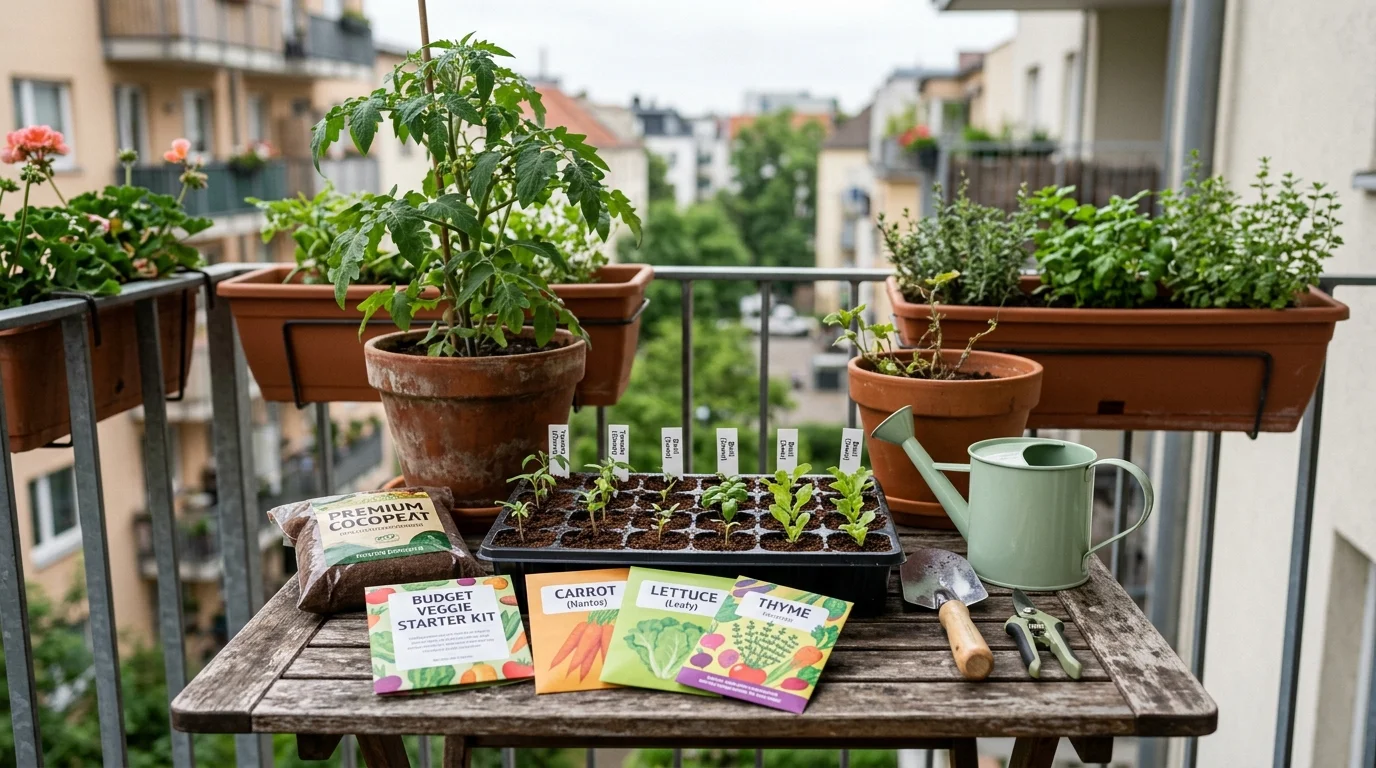
A basic starter kit should cover the essentials without making the project feel like a major investment. A few seed packets, compost, small pots or trays, and one reliable hand trowel are often enough to begin a productive first season.
This kind of setup is perfect if you want to test the habit before buying more. Keep the materials simple and visible so everything feels approachable instead of overwhelming.
2. Window Sill Herb Garden
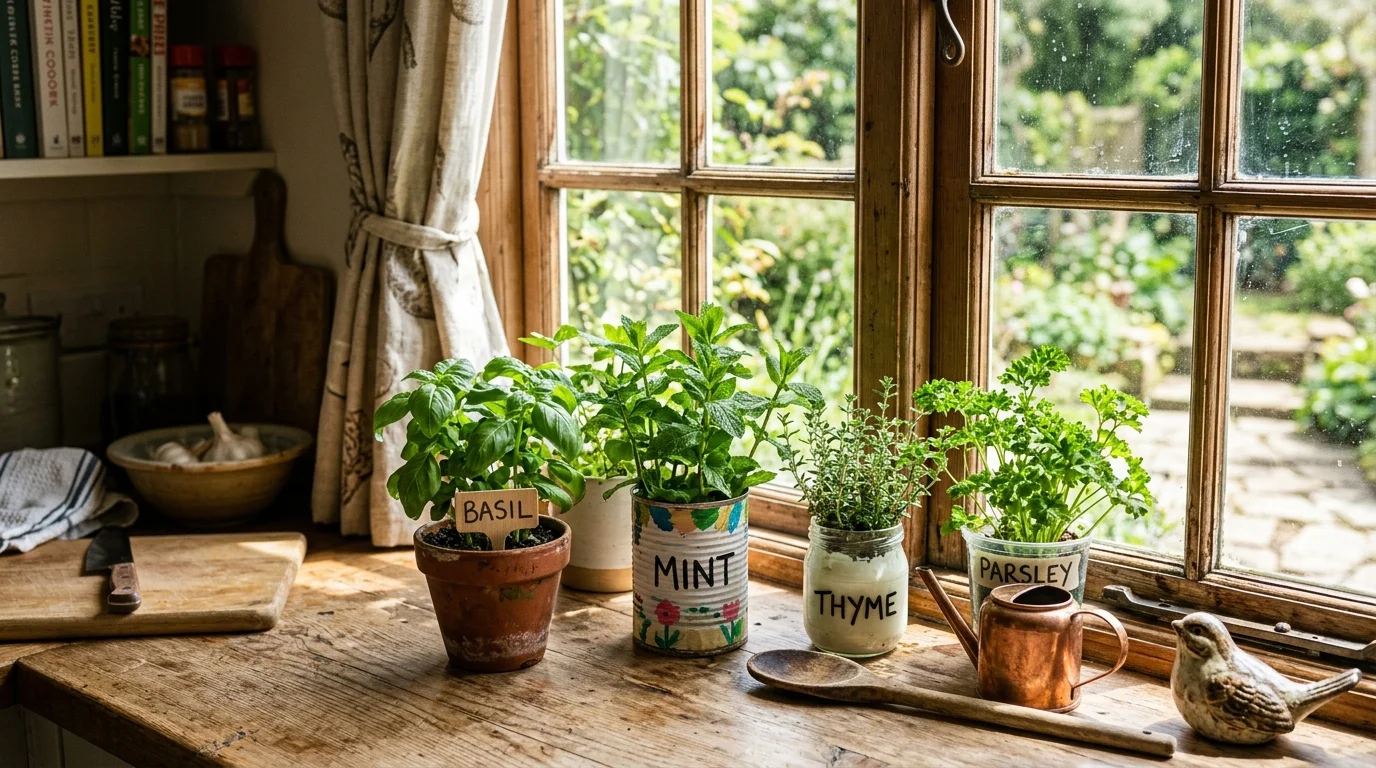
If your budget is especially tight, a windowsill herb garden is one of the best first steps. Basil, parsley, mint, and chives give you useful harvests, need only a few small containers, and make the whole kitchen feel greener and more alive.
This setup builds confidence quickly because the plants stay close, watering is easy to remember, and the harvest feels immediate. For many beginners, it is the simplest way to start growing something edible without overcommitting.
3. DIY Container Vegetable Garden
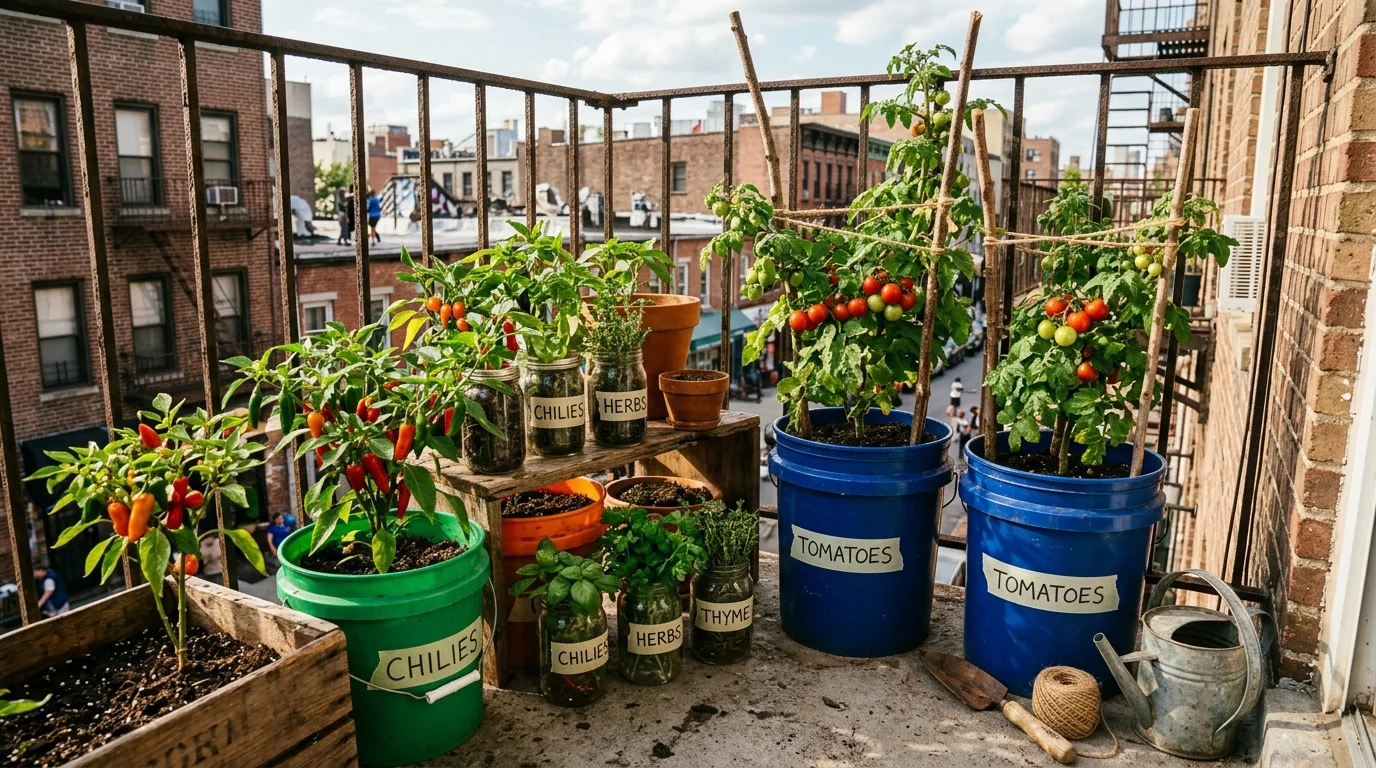
Containers make a strong budget choice because they let you start small and adapt as you go. Repurposed buckets, plain pots, and inexpensive planters can all grow salad greens, herbs, peppers, and compact tomatoes when arranged thoughtfully.
The beauty of a DIY container garden is flexibility. You can move plants into better light, group them by watering needs, and add new containers gradually instead of trying to fund the whole garden at once.
4. Seed Starting Tray Setup
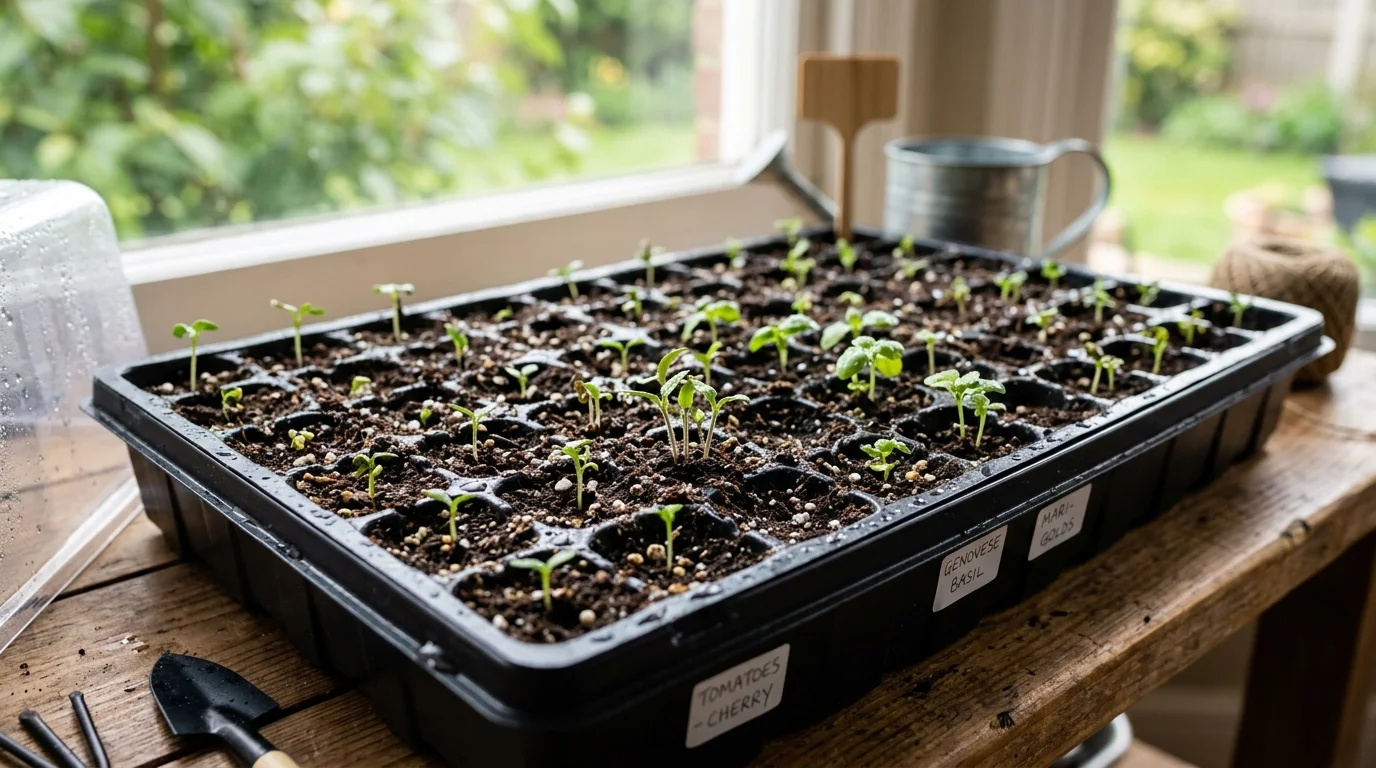
Starting seeds at home is one of the best ways to stretch a budget. A single tray can produce many more plants than you would get for the same money spent on buying every seedling individually from a garden center.
It also gives you more control over timing and crop choice. For beginners, seed trays make the season feel active early on and create a strong sense of momentum before outdoor planting really begins.
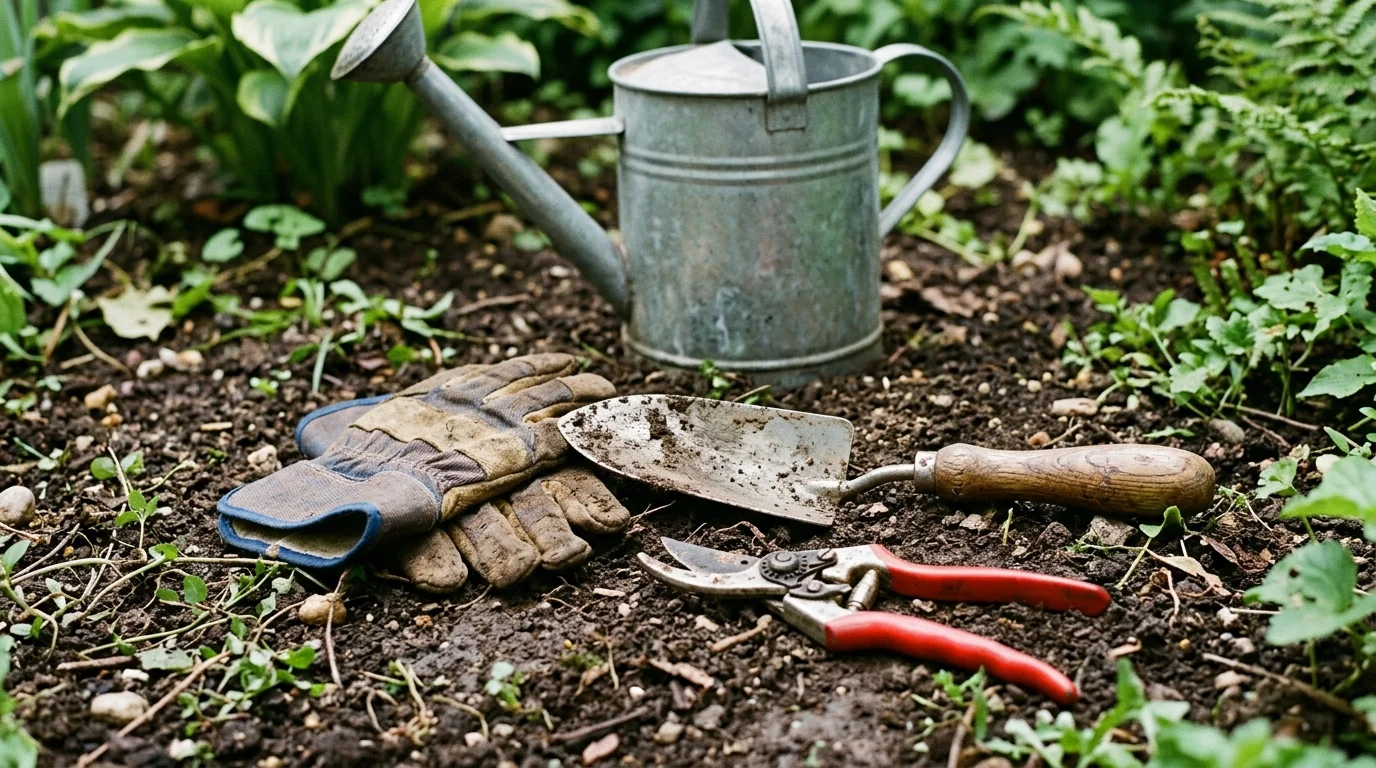
5. Essential Hand Tools Scene
A good starter tool set is smaller than many people think. One trowel, a hand fork, gloves, and a watering can handle most beginner garden jobs, from filling pots to loosening soil and transplanting seedlings.
Choosing fewer tools often leads to better value because you can spend a little more on items that last. A short list of dependable essentials is far more useful than a bulky set full of tools you rarely touch.
6. Raised Box or Crate Garden
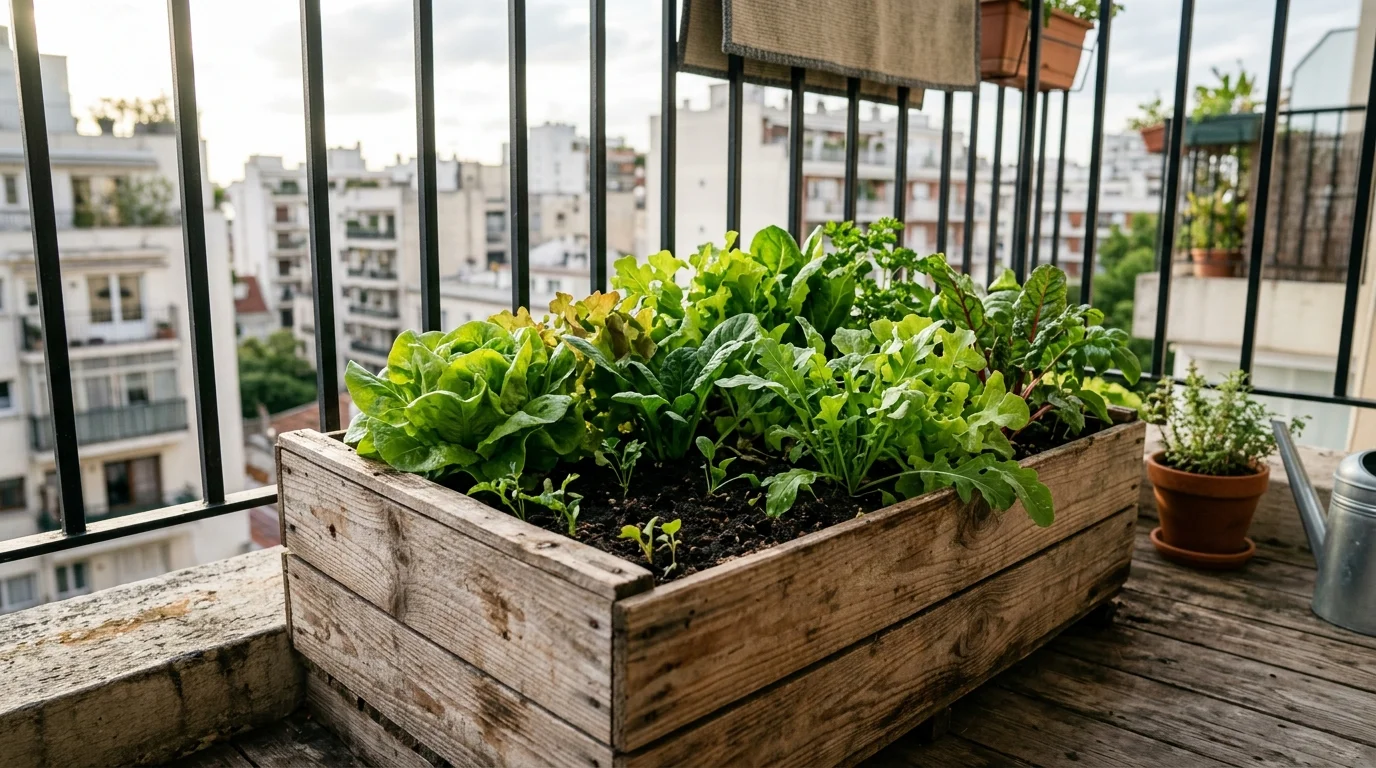
A small raised box or crate-style bed gives beginners a tidy, contained place to grow several crops together. It feels more structured than scattered pots, but it is still affordable enough to build or buy on a modest budget.
This is a great option for lettuces, radishes, spinach, and herbs. Even one compact box can look generous when planted densely and cared for consistently.
7. Mixed Beginner Veg Garden Layout
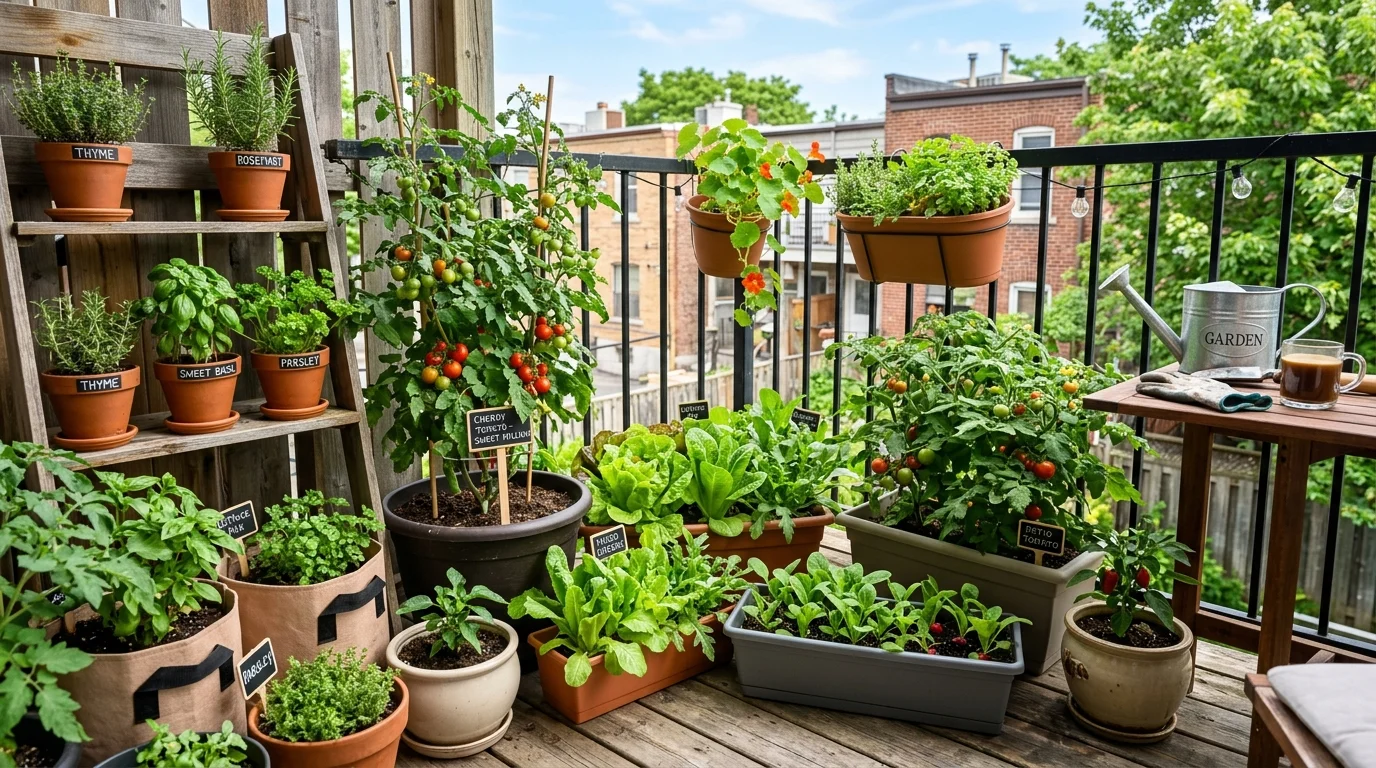
A mixed starter layout combines the most useful low-cost ideas into one manageable garden: a few containers, a simple bed, some direct-sown crops, and a planting mix that gives both quick wins and longer harvests.
This kind of layout often works best for real beginners because it spreads the risk and keeps the garden interesting. If one crop struggles, others still move forward, and the whole space feels fuller and more rewarding.
Final notes for a budget-friendly first garden
The goal of a starter veg garden is not to buy everything at once. It is to create a simple system you can actually maintain, enjoy, and build on over time. That usually means spending less at the beginning and learning what you truly need from experience.
If you are starting from scratch, begin with herbs, fast-growing greens, and one or two fruiting crops you are genuinely excited to harvest. A small successful season will teach you more and save you more than an oversized first garden ever could.