Shaded borders can be some of the most beautiful parts of a garden, but they often get treated like problem areas. When flowers fail to bloom well or sunny-border favorites start to struggle, the whole edge can end up looking sparse, tired, or forgotten. The real solution is not to fight the shade. It is to plant for it properly.
The best plants for shaded borders do more than survive low light. They bring texture, structure, softness, and mood. With the right planting choices, a dim edge can feel calm, layered, and deeply intentional rather than difficult to work with. These six plants are reliable, attractive, and especially useful for borders that need to thrive in shade instead of merely coping with it.
How to make a shaded border look full and beautiful
- Use foliage shape and texture as part of the design, not just flowers
- Repeat key plants in groups so the border feels cohesive
- Mix leaf contrast with a few soft bloom moments for balance
- Choose plants that genuinely suit lower light instead of forcing sun lovers into shade
1. Hostas in a Shaded Border
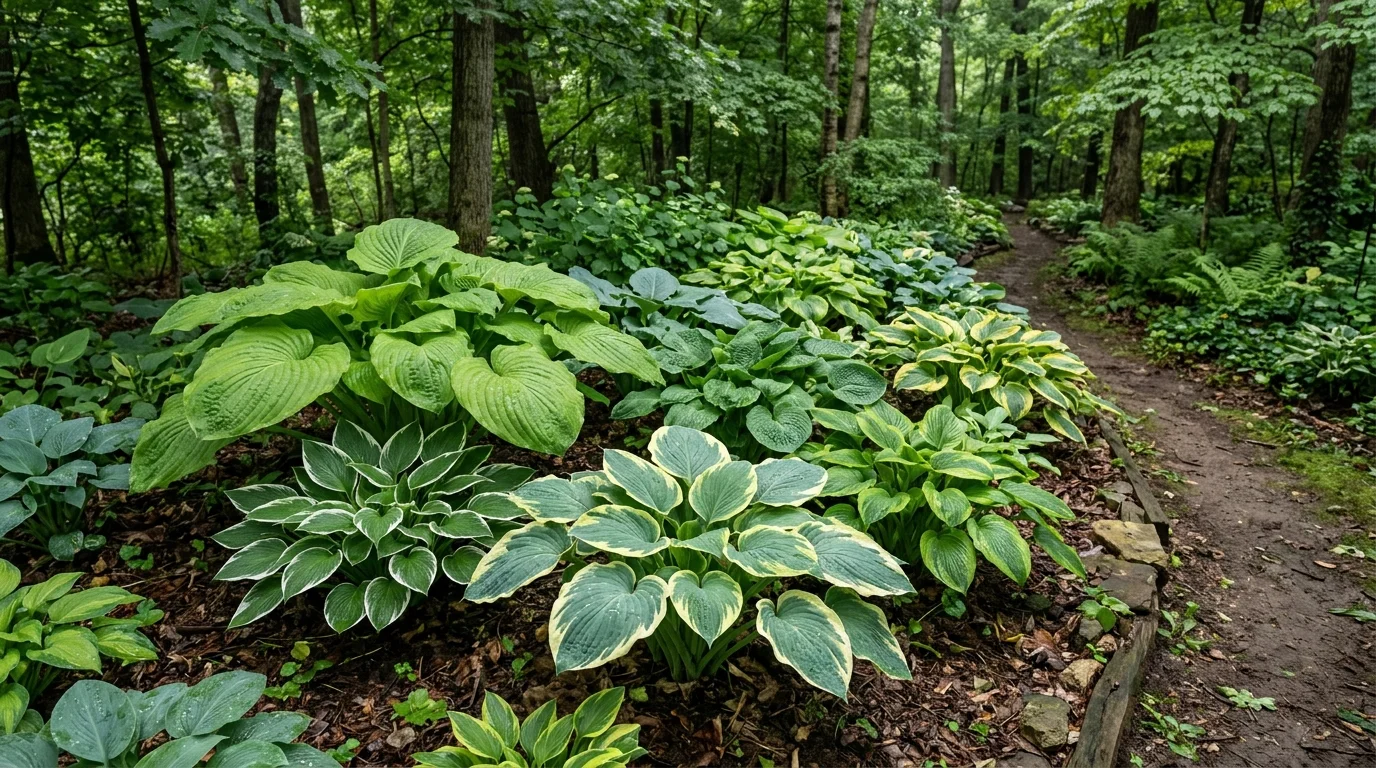
Hostas are one of the most dependable plants for shaded borders because they instantly create fullness. Their broad leaves reflect available light beautifully, and they make dark corners feel lush even before anything else begins to flower. In a border design, they work especially well as a strong visual base layer.
What makes hostas so effective is their calm, generous presence. They give the planting weight and rhythm, which helps shaded spaces feel intentional rather than empty.
2. Astilbe with Soft Blooms
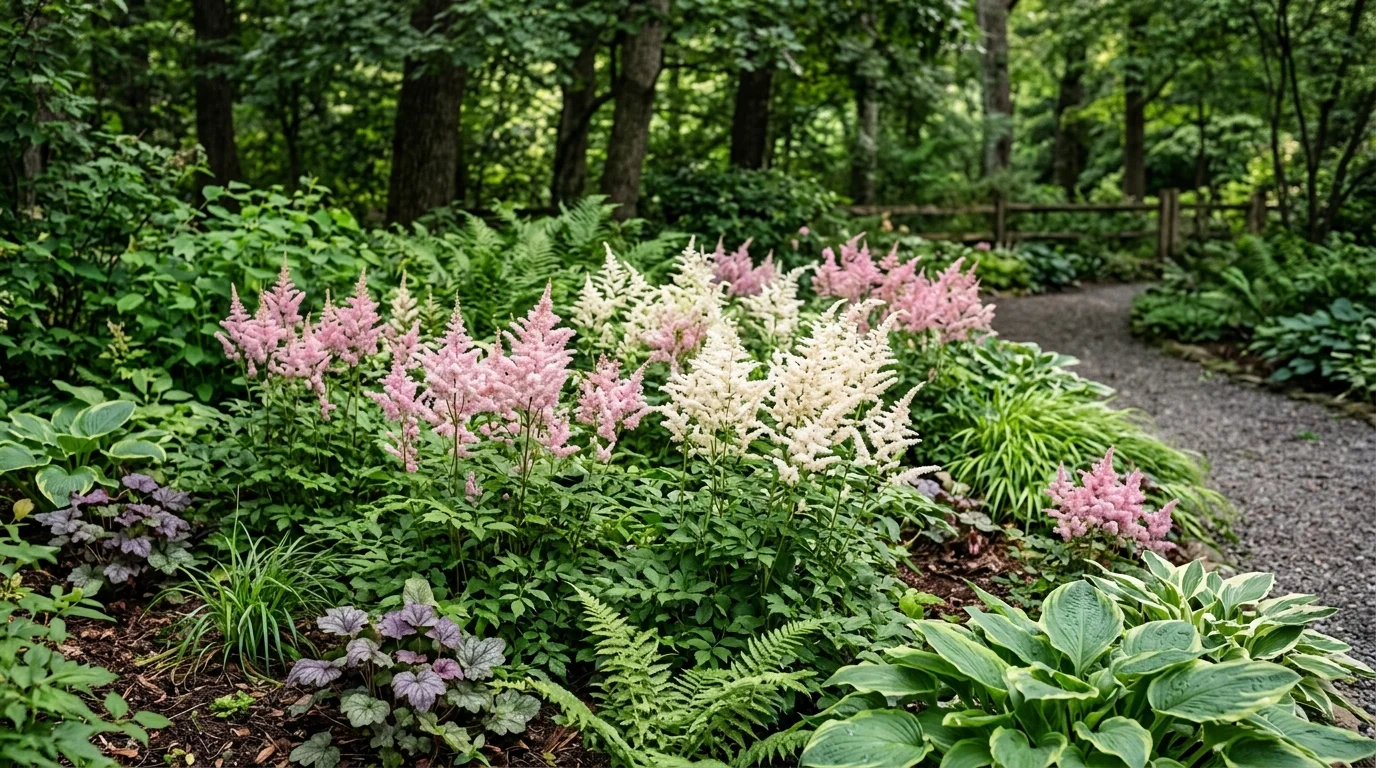
Astilbe adds exactly the kind of softness that many shaded borders need. Its feathery flowers rise above neat foliage and bring movement, romance, and a gentler seasonal highlight to darker areas. It is especially useful when you want bloom without losing the woodland-like mood of the planting.
The texture is what makes it so valuable. Against bold leaves and deeper greens, astilbe keeps the border from feeling heavy.
3. Ferns on a Woodland Edge
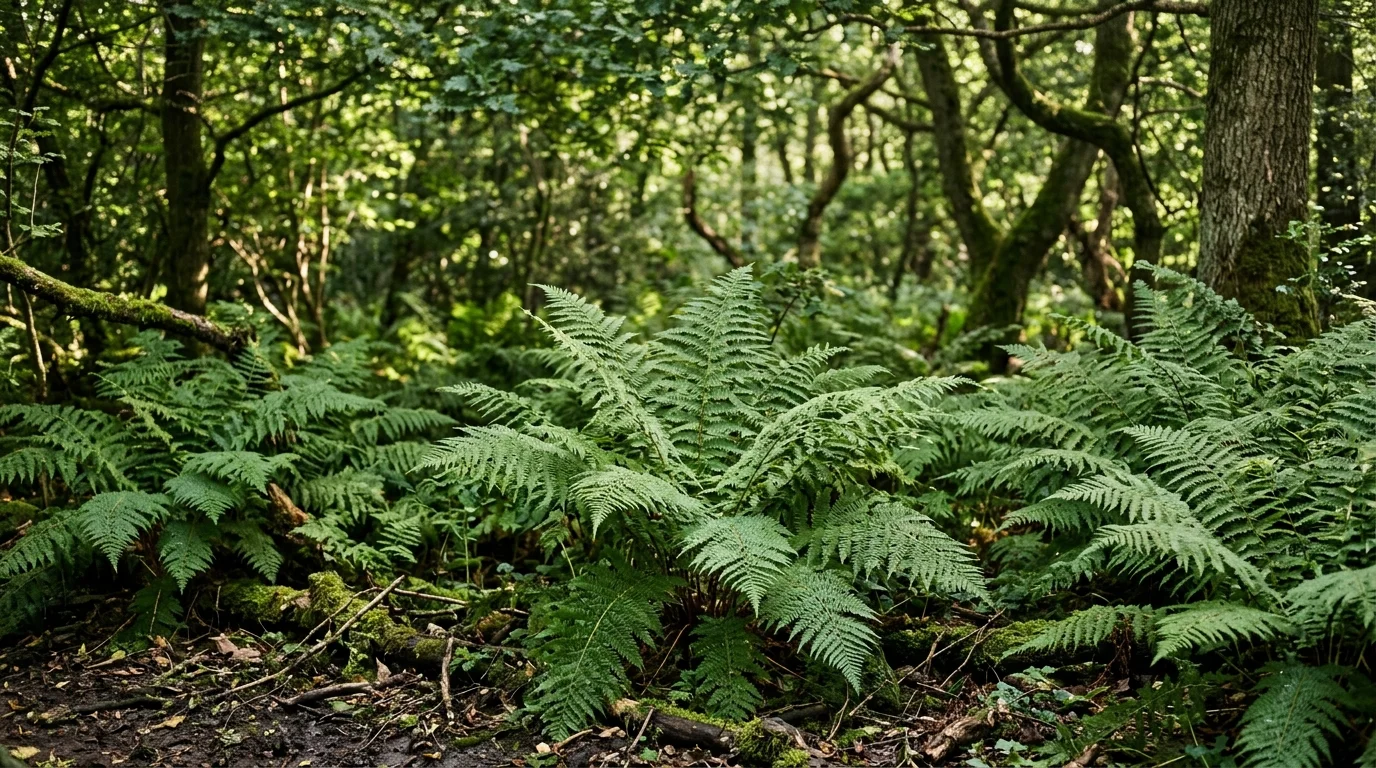
Ferns are essential in shade because they bring grace and repetition without asking for bright light. Their finely divided leaves create softness along the border edge and help connect the planting visually, especially in gardens that lean toward a natural or woodland feel.
They are often most effective when used in drifts rather than as single accents. That repeated texture gives shaded borders a richer, more immersive look.
4. Heuchera for Color Contrast
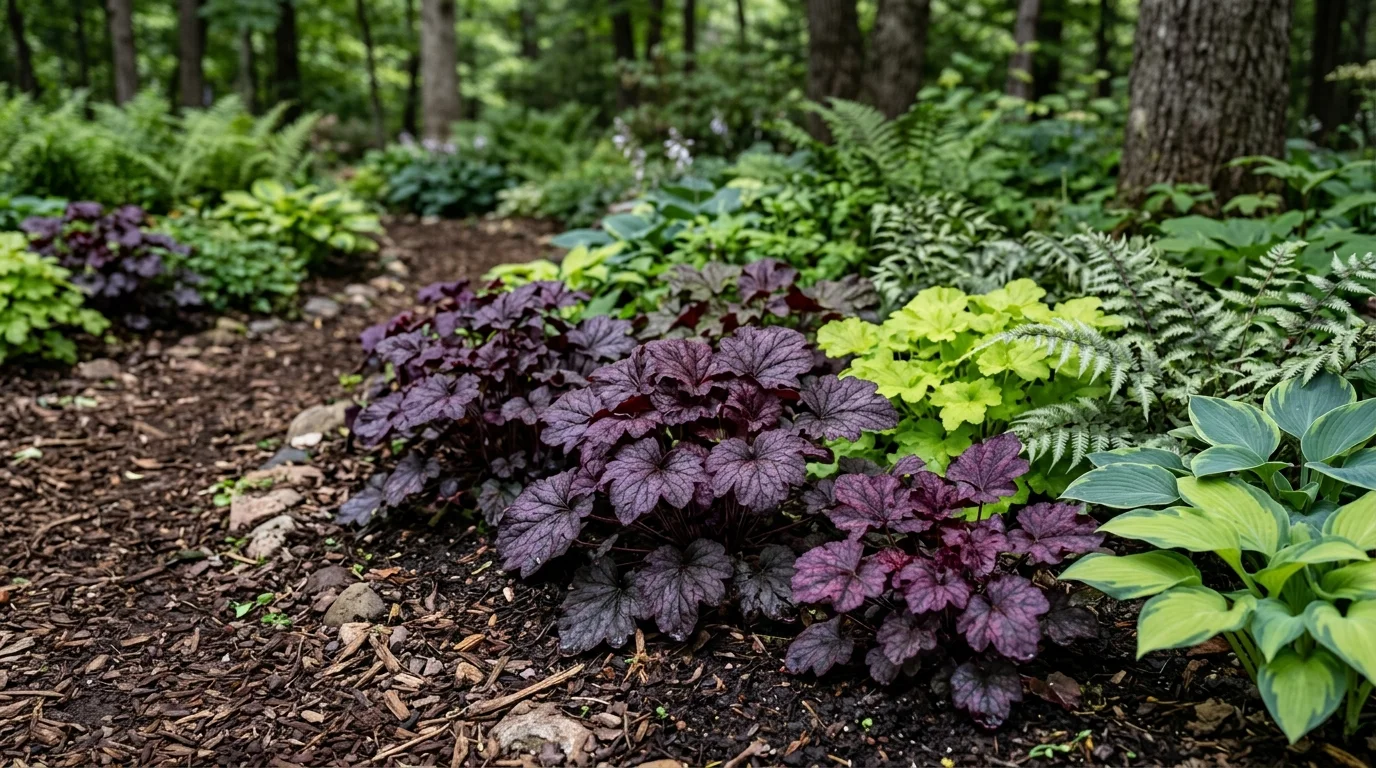
Heuchera, or coral bells, is one of the best ways to stop a shady border from becoming one flat mass of green. The leaves can range from deep plum to amber, lime, or silvered tones, which means you can create contrast even where flower color is more limited.
This makes heuchera especially useful in decorative planting schemes. It lifts the whole border visually and adds a more considered color story without demanding more sun.
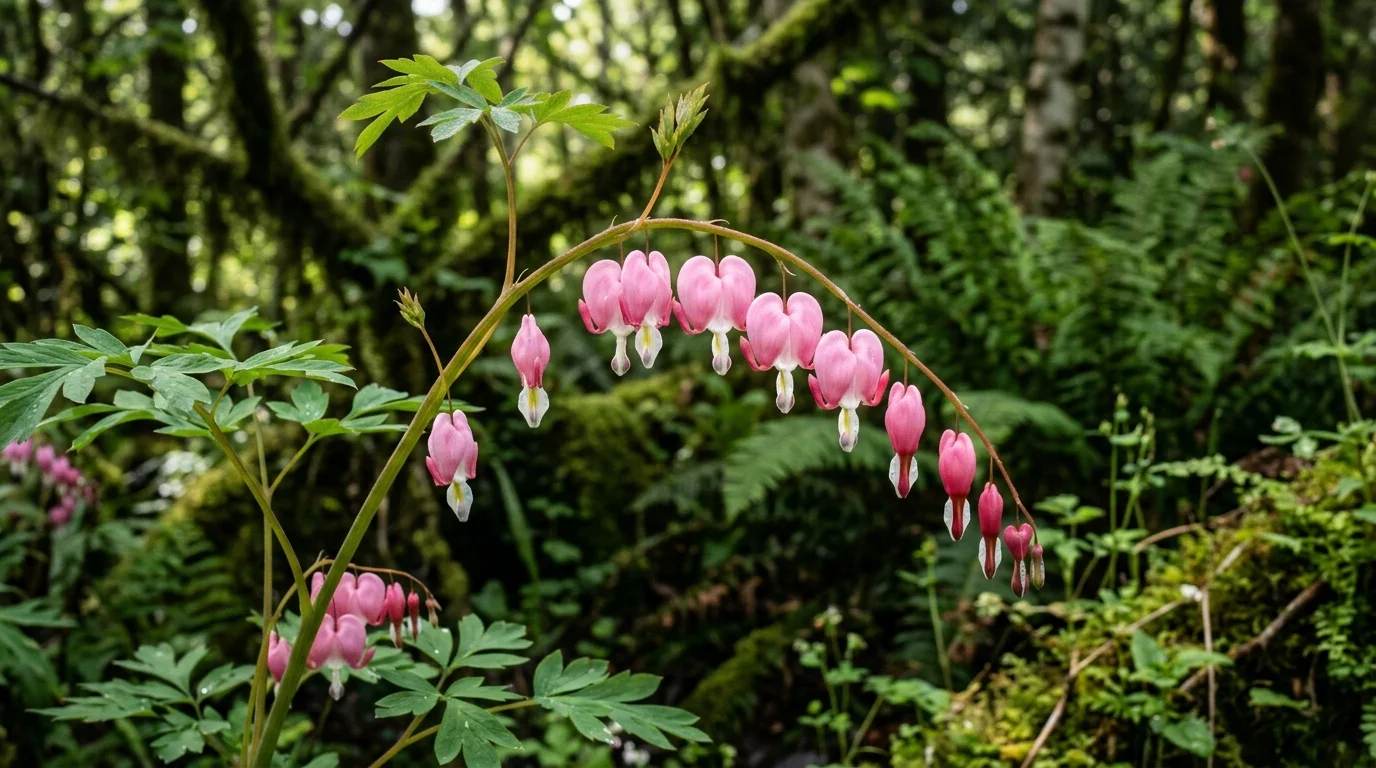
5. Bleeding Heart in Bloom
Bleeding heart brings a softer, more nostalgic beauty to shaded borders. Its arching stems and delicate flowers add a graceful shape that stands out from lower foliage, making it ideal when you want one area of the border to feel especially romantic and expressive.
Because the form is so distinctive, it works best when given a little room to be seen. Used well, it becomes one of the most memorable details in the entire planting.
6. Hydrangeas in Partial Shade
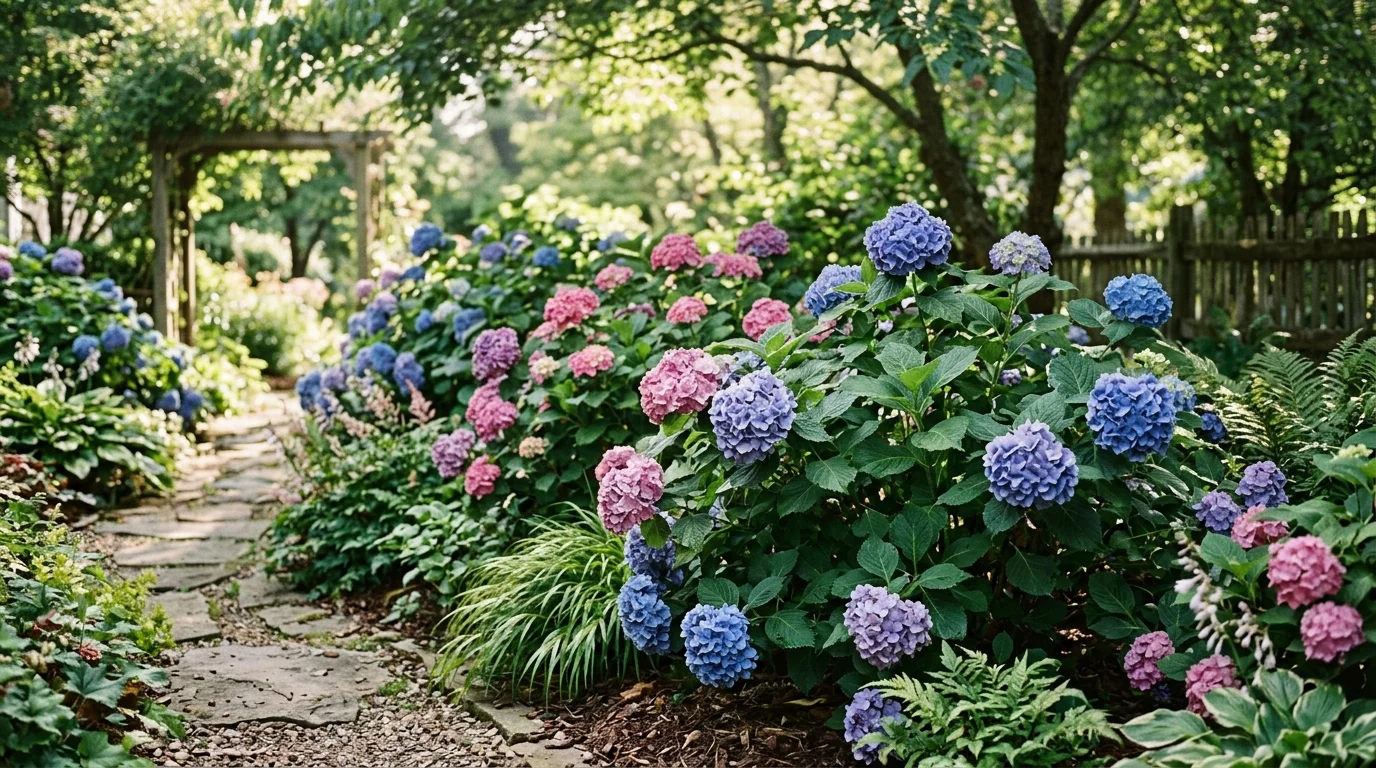
Hydrangeas are a strong anchor plant for larger shaded borders, especially where you want a fuller, more finished look. In partial shade, the blooms often feel softer and more elegant, while the broad leaves help give the border mass and presence.
They are particularly helpful near the back or middle of the planting, where they can support smaller shade plants and create a layered structure that lasts well through the season.
Final thoughts on planting shaded borders well
The most successful shaded borders are built around plants that look good even when they are not in full flower. Leaves, texture, height, and repetition do much of the design work, especially in lower light where subtlety often looks more elegant than excess.
Start with a dependable structure of hostas, ferns, or heuchera, then add softer bloomers like astilbe, bleeding heart, or hydrangea for contrast and seasonality. With the right choices, a shaded border can become one of the richest and most atmospheric areas in the whole garden.