If your vegetable patch keeps slipping to the bottom of the weekend list, the problem is probably not the garden. It is the expectation that looking after it has to take half a day. In reality, a small veg patch usually responds better to short, regular attention than to one big burst of catch-up work once everything already looks tired.
That is where a 10-minute routine changes everything. Instead of treating garden care like a project, you turn it into a rhythm: fast to start, easy to repeat, and long enough to keep plants productive week after week. This routine is designed for busy gardeners, compact spaces, and anyone who wants a healthy kitchen garden without sacrificing their free time.
Why a 10-minute veg patch routine actually works
- Small weekly resets stop weeds, dryness, and clutter from turning into bigger jobs
- Regular harvesting keeps crops productive and prevents plants from becoming stressed
- Short routines feel easier to repeat, which matters more than occasional long sessions
- A simple order helps you notice problems early before they spread through the patch
1. Start with a quick watering routine
The fastest way to wake up a veg patch is to check moisture first. A quick watering pass helps you spot containers that have dried out, thirsty salad greens, and any plants that are drooping more than usual. It also immediately improves the overall look of the patch, which makes the rest of the routine feel more rewarding.
Focus on consistency rather than volume. In a small garden, a targeted watering session is usually enough to refresh the space and prevent stress before the week gets busier.

2. Harvest what is ready before it slows the plant down
Harvesting is not just the satisfying part of the routine. It is one of the most important. Picking ripe leaves, beans, herbs, tomatoes, or other ready crops signals the plant to keep producing, and it stops the patch from looking overgrown and neglected.
This is also when the garden starts to feel useful again. Even a small bowl of herbs or a handful of leaves reminds you that the patch is giving something back.

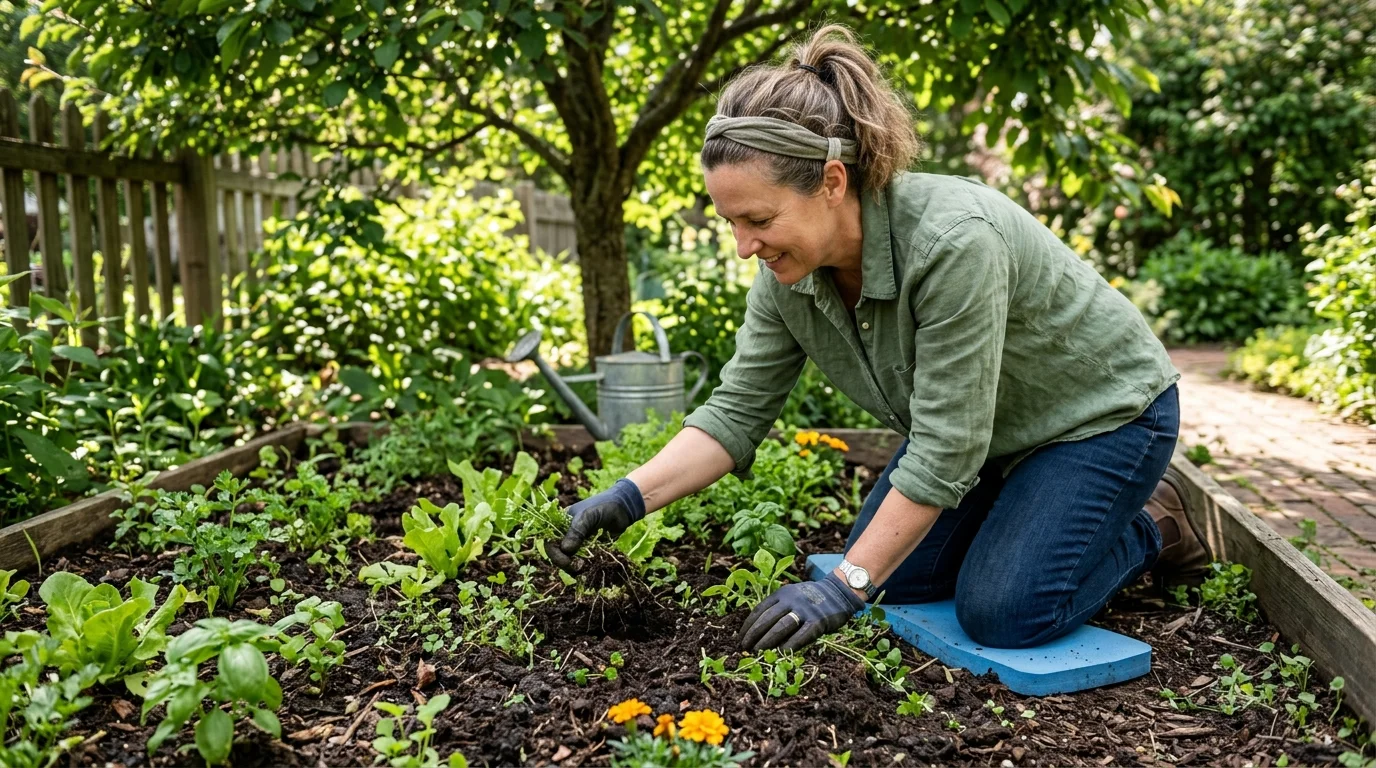
3. Pull the weeds that matter most
You do not need to weed every corner in one session to keep control of a small veg patch. A focused two-minute pass pulling the obvious weeds around stems, paths, and container edges makes a noticeable difference and prevents new competition for water and nutrients.
By dealing with the most visible weeds first, the garden instantly looks tidier and the task never grows into a dreaded weekend chore.
4. Check plant health while you are already there
This step is what turns a basic tidy-up into smart maintenance. As you move through the patch, look for yellowing leaves, nibbled edges, dry compost, stems that need support, or anything that feels slightly off. Catching those small signals early is what keeps the garden easy.
Most weeks, this only takes a moment. But it can save you from losing a crop or facing a much bigger job later on.

5. Finish with mulch, feed, and a fast tidy reset
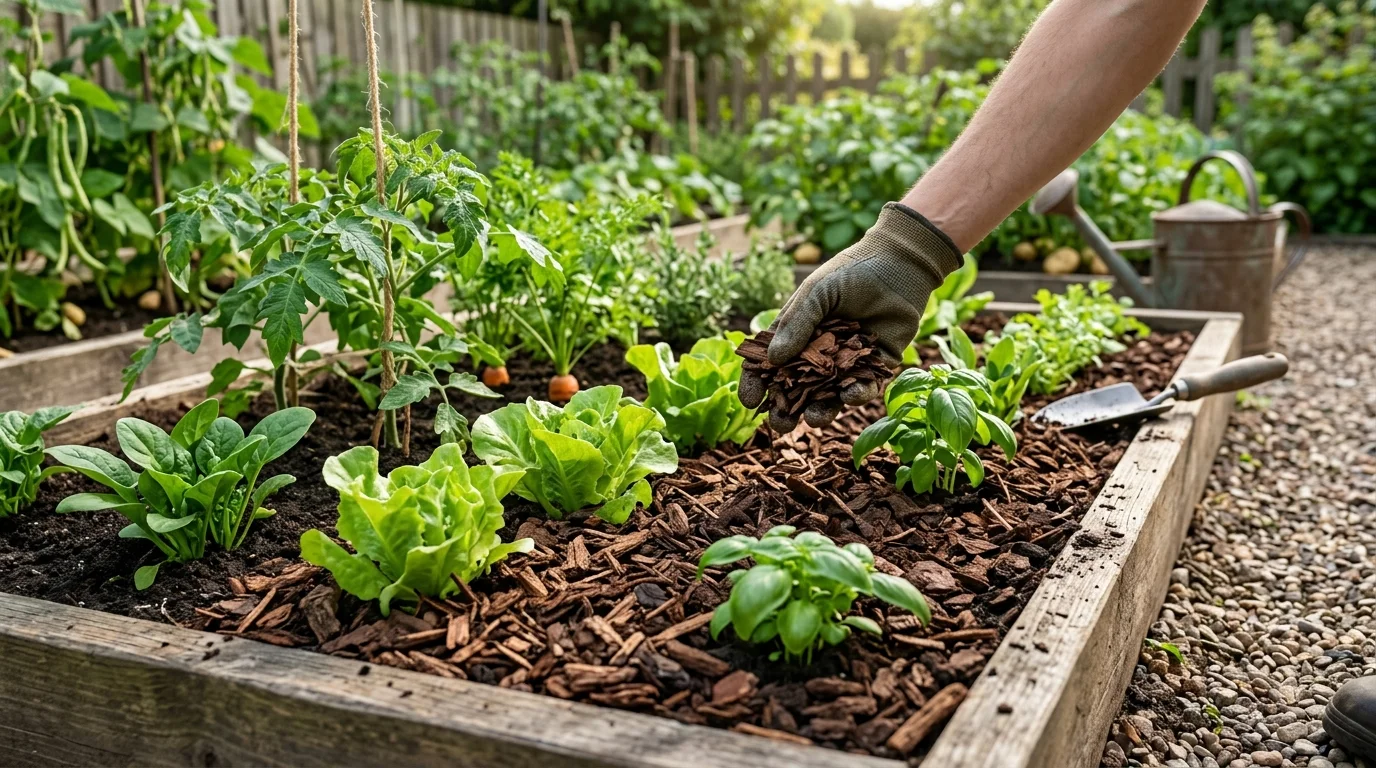
The last few minutes are all about making next week easier. A light mulch top-up helps hold moisture, a simple feed supports active growth, and a quick tidy resets the space so it feels calm instead of chaotic. Coil the hose, clear dead leaves, and straighten anything that has drifted out of place.
This combination is what helps the patch stay low-maintenance in the long run. The garden looks better, performs better, and feels less demanding every time you come back to it.
Pair watering and feeding when needed
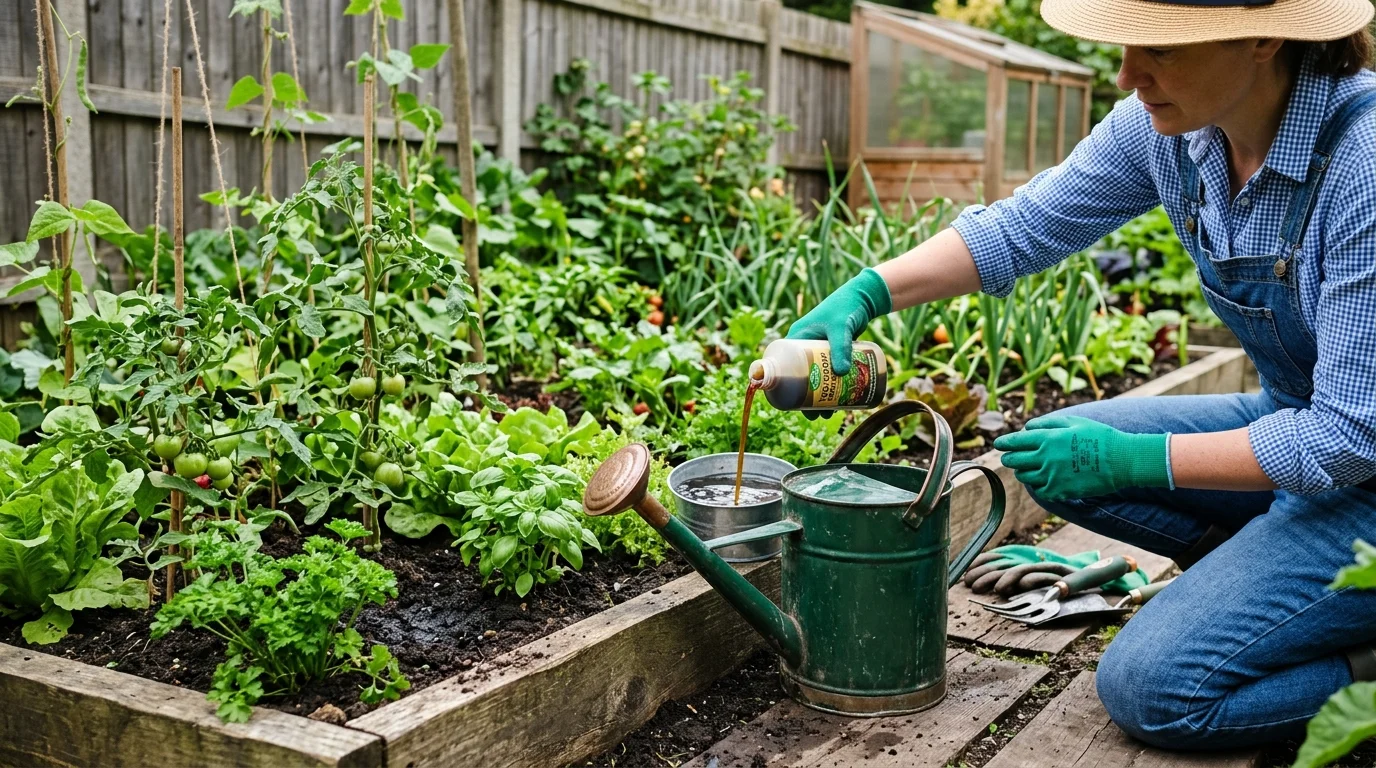
If your patch is in active growth, combining a light feed with your regular watering session saves time and keeps the care routine streamlined. This works especially well for containers, tomatoes, herbs, and fast-growing leafy crops that respond quickly to steady support.
The goal is not to add another task. It is to attach feeding to something you are already doing so the habit stays manageable.
Do a one-minute visual tidy
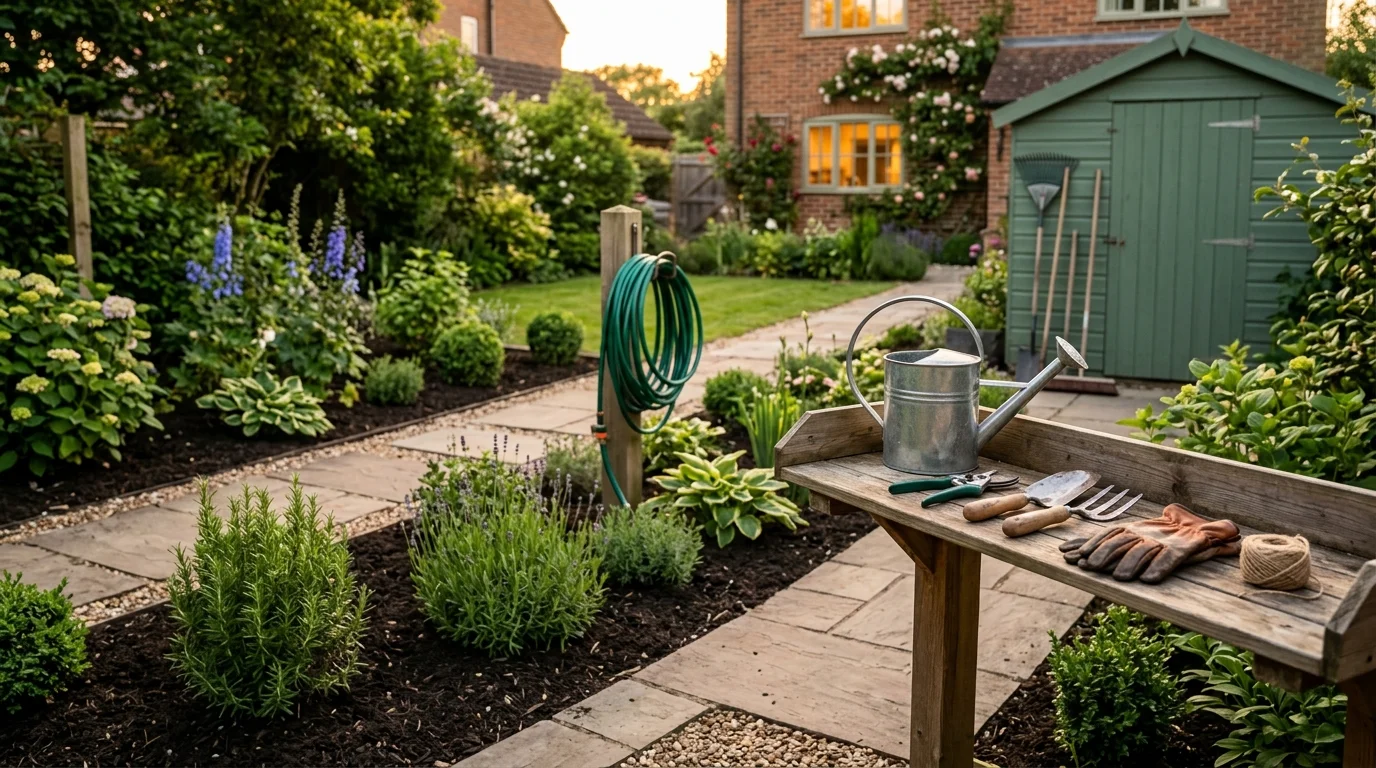
A tidy patch always feels easier to keep up with. Straighten a pot, clear a dropped leaf, move a tool back into place, and make sure the space ends the session looking better than it did when you started.
This small reset matters because it lowers the mental barrier to coming back next week. A neat garden looks like a garden that is under control.
Keep the routine small-space friendly
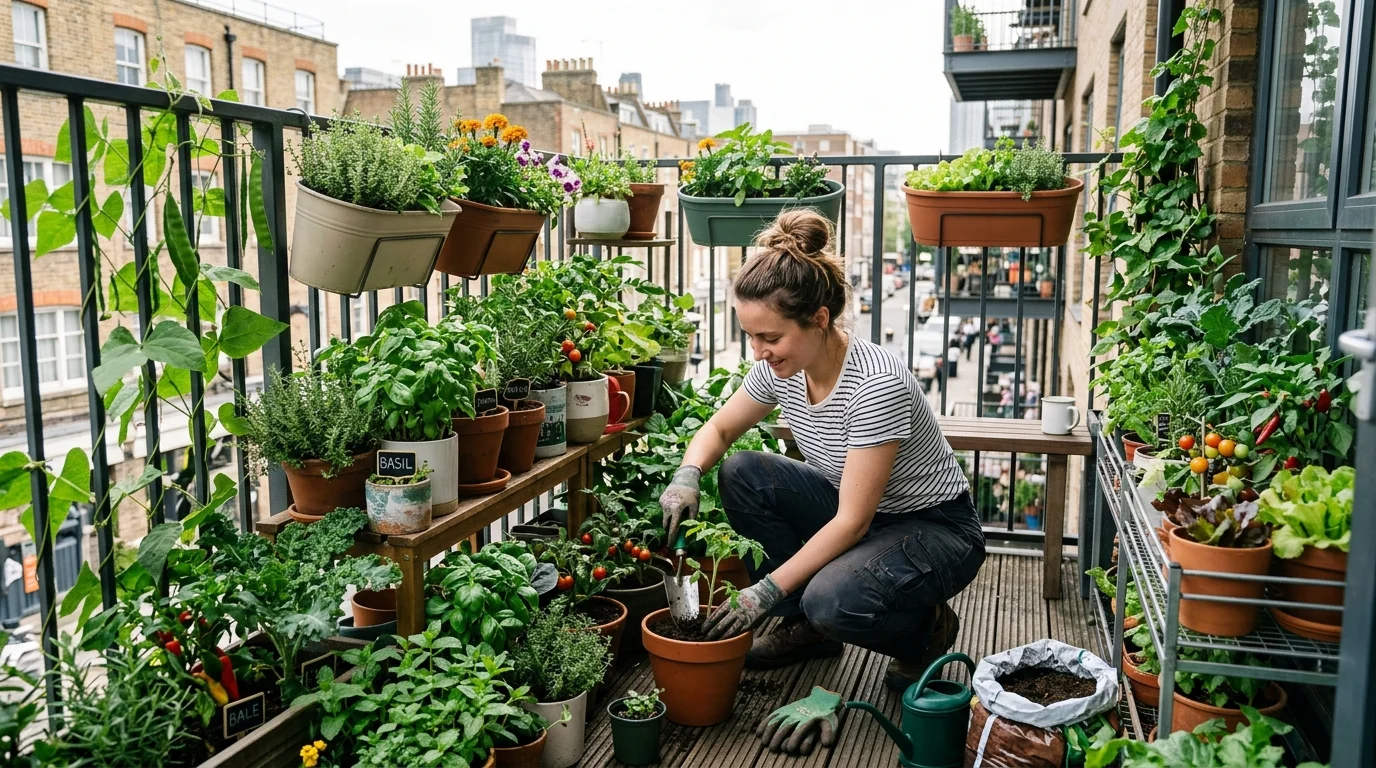
This kind of care rhythm works just as well on a balcony as it does in a backyard veg patch. A few containers of herbs, greens, tomatoes, or peppers still benefit from the same weekly pattern of checking, watering, harvesting, and resetting.
That makes the routine especially useful for apartment gardeners who want fresh food without turning a tiny outdoor area into another maintenance project.
Notice the difference a short routine makes
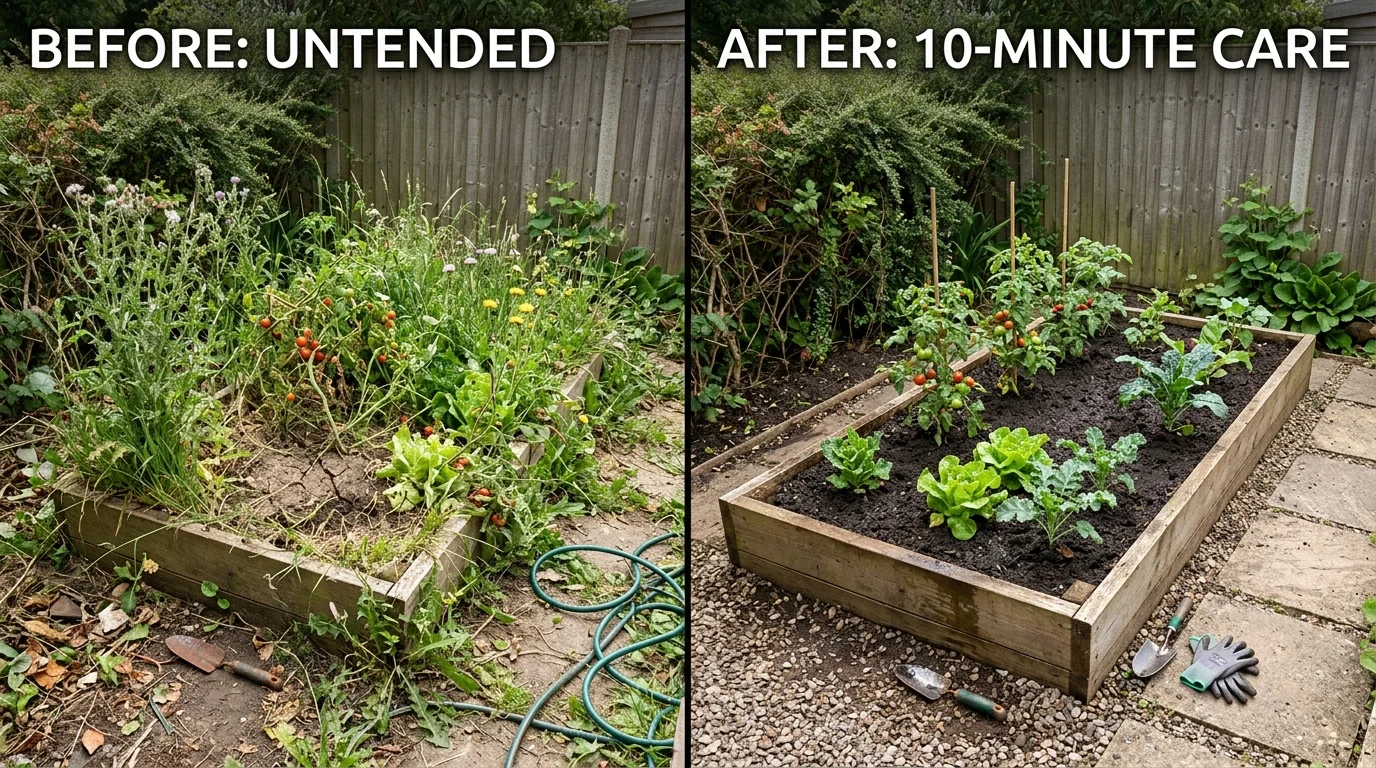
One of the best parts of a weekly reset is how quickly the patch begins to change. Plants look more upright, surfaces feel cleaner, and the whole space starts to read as productive rather than neglected. That visible improvement is what helps the habit stick.
Instead of waiting for a full free morning, you create a reliable little pattern that keeps the garden steadily moving in the right direction.
End the routine with a sense of completion
The final benefit of a short veg patch routine is emotional as much as practical. When the space is watered, harvested, tidied, and back in order, you can actually step away and enjoy it instead of feeling guilty about what is still undone.
That is how you reclaim the weekend. Not by ignoring the garden, but by caring for it in a way that still leaves room to relax.

Final thoughts on keeping a veg patch manageable
The best vegetable garden routine is not the most ambitious one. It is the one you can keep doing, even in a busy week. Ten focused minutes is enough to water, harvest, reset, and notice what needs attention before it becomes a problem.
If your garden has started to feel like one more weekend obligation, simplify the process. A short weekly rhythm can keep a veg patch healthy, productive, and enjoyable without taking over the time you were hoping to reclaim.